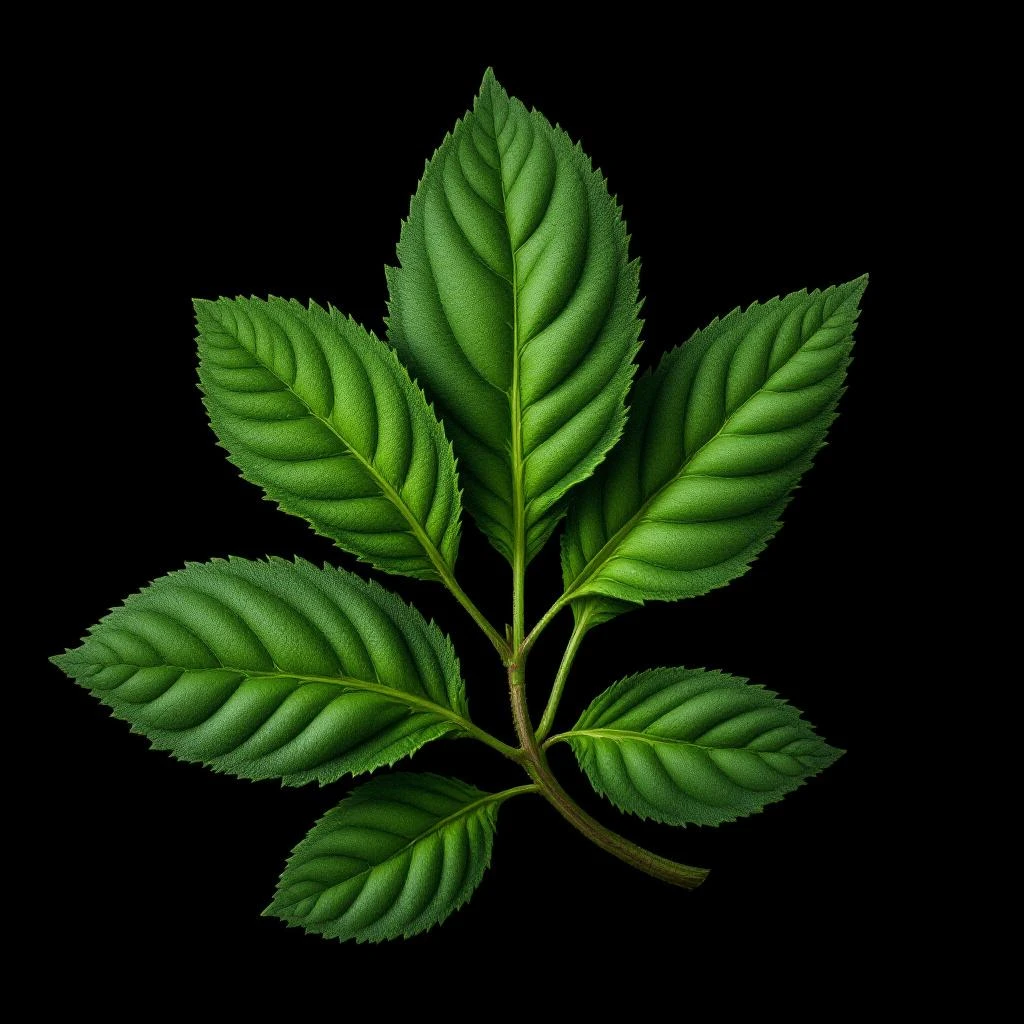
Eucalyptus
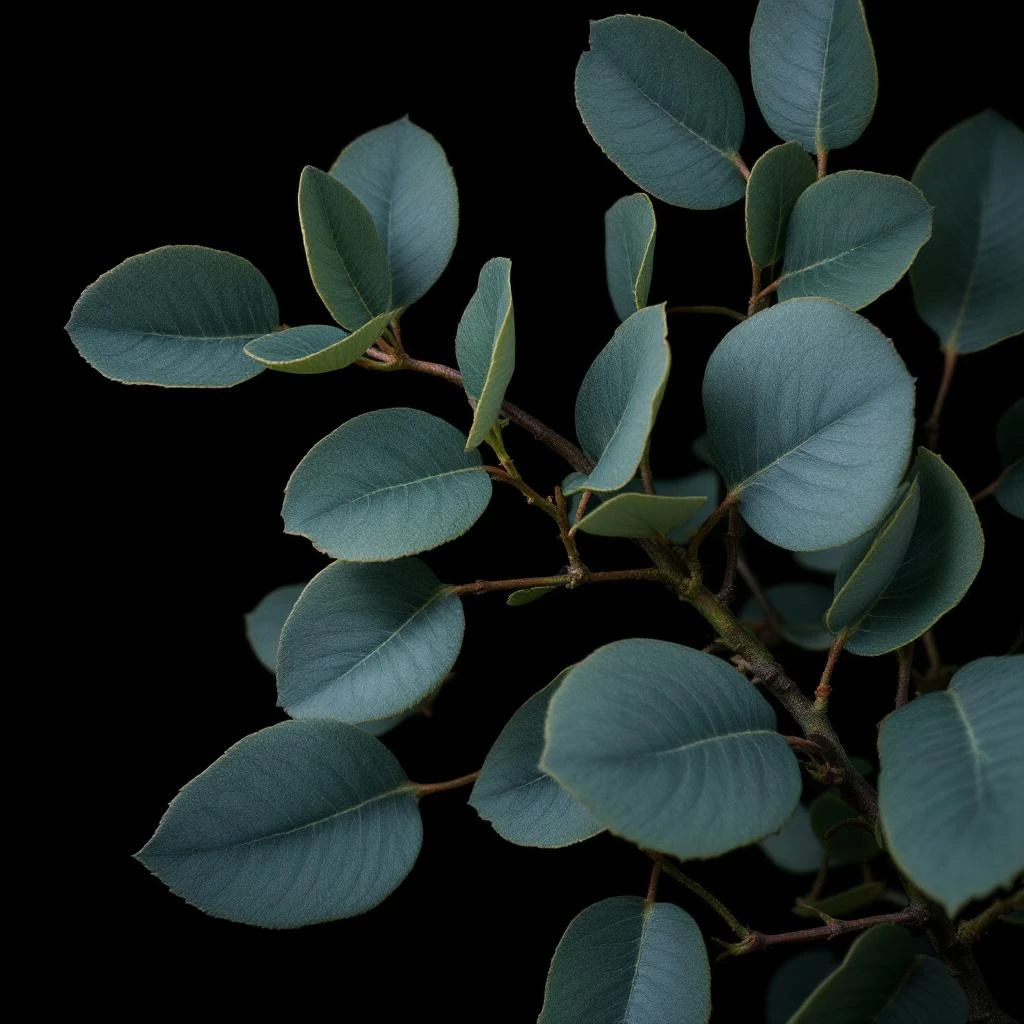
Eucalyptus brings a sharp, camphoraceous coolness to fragrance compositions. Its instantly recognizable menthol lift cuts through heavier bases, adding clarity and a clean, medicinal edge.
Character
How it smells
Cool air in a bottle
The koala's diet consists almost entirely of eucalyptus leaves, yet humans find the oil far too potent to ingest undiluted.








Origin
Australia
Indigenous Australians used eucalyptus leaves for thousands of years in traditional medicine, applying poultices to wounds and inhaling vapors for respiratory ailments, though they never isolated the essential oil itself. European colonists noticed these practices early on. In 1852, Joseph Bosisto, a Melbourne pharmacist born in Yorkshire, established the first commercial eucalyptus oil distillation operation, targeting both pharmaceutical and industrial markets.
By the 1870s, eucalyptus plantations had spread to Algeria, California, and southern Europe to meet growing demand. The oil found its way into perfumery in the late 19th century as perfumers sought fresh, green notes that contrasted with the heavy florals of the Victorian era. Eucalyptus gained particular prominence in fougère and aromatic compositions, where its camphoraceous brightness could lift herbal and lavender accords.
During the early 20th century, cineole-rich oils became standardized for medicinal inhalants, and the perfumery industry adopted these same grades for fine fragrance work. Today, eucalyptus oil anchors countless masculine and unisex compositions, valued as much for its crisp diffusion as for its aromatic complexity.
Wears it best
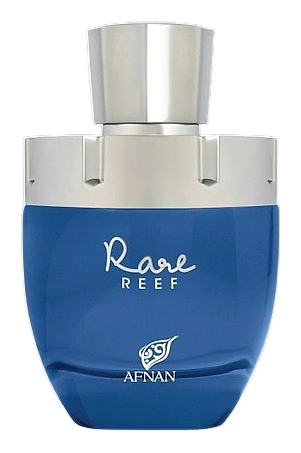
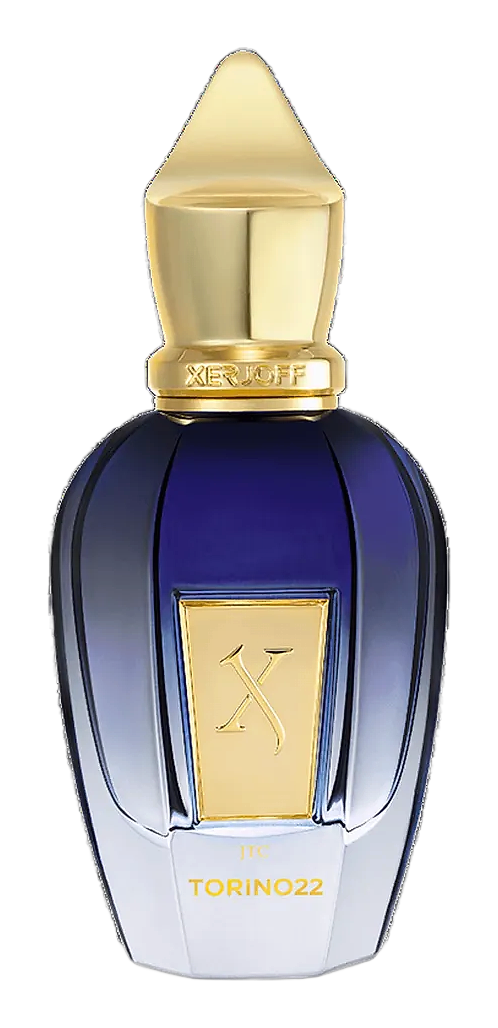
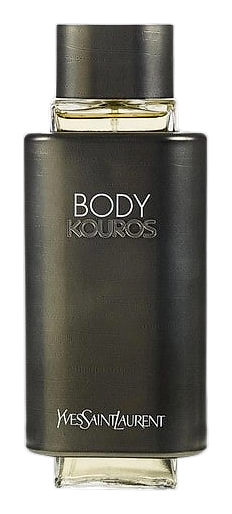
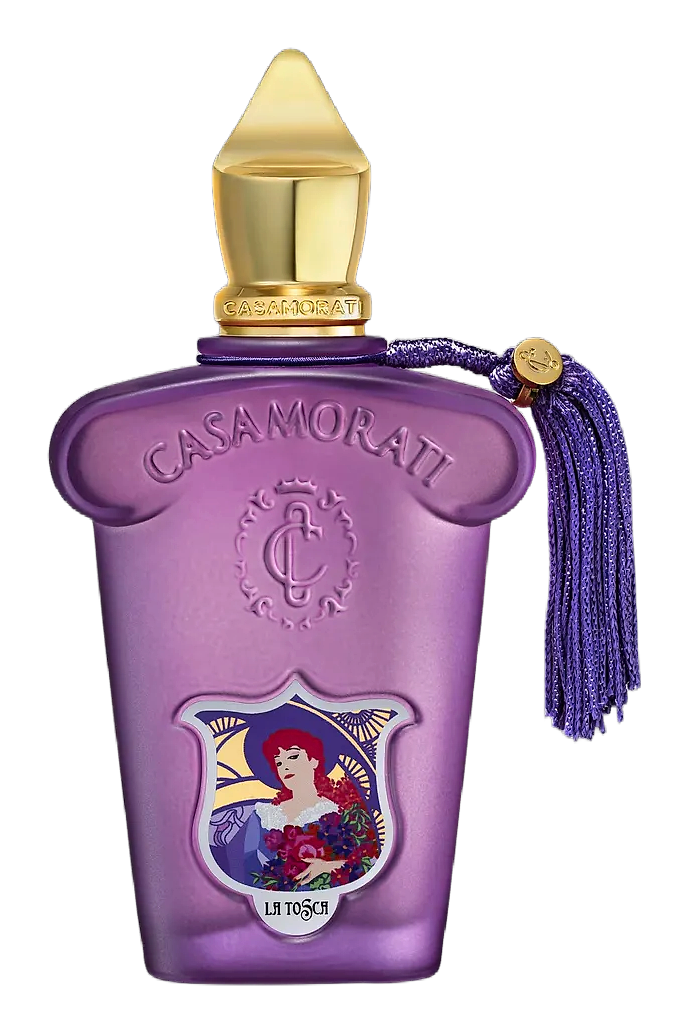
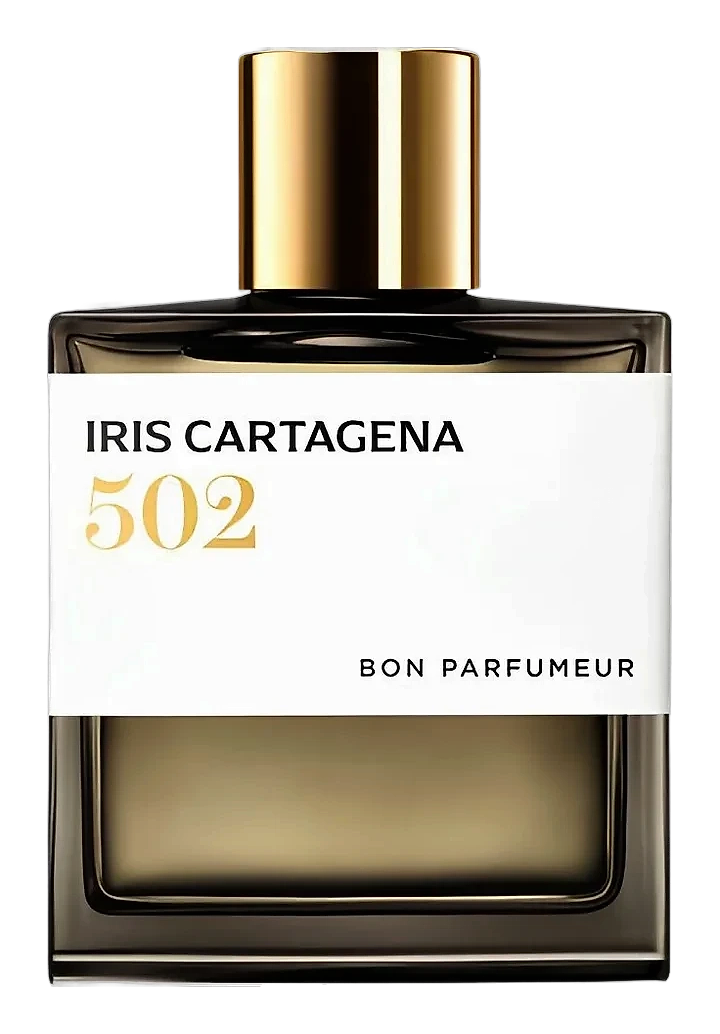
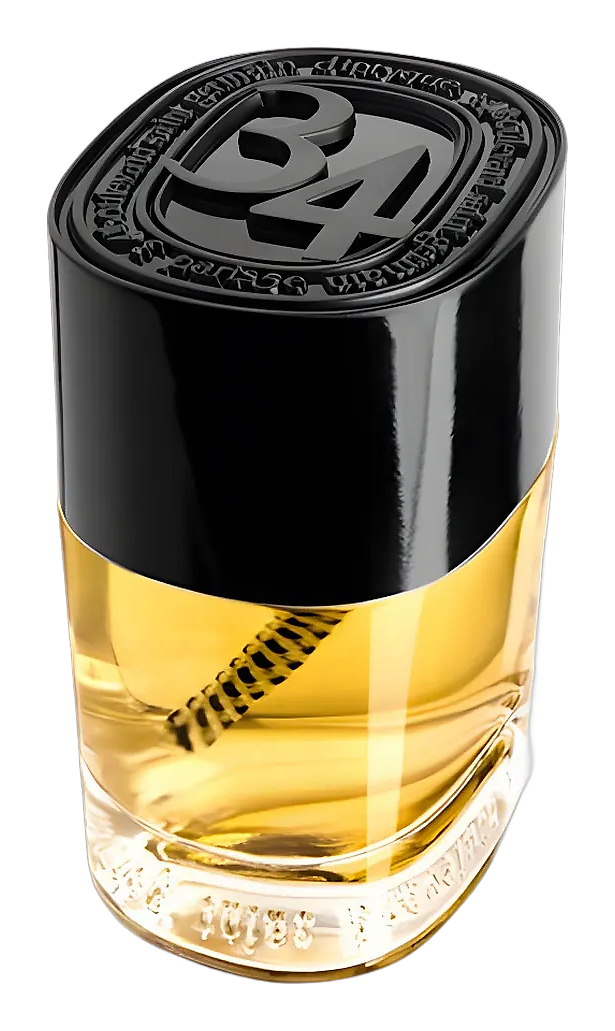
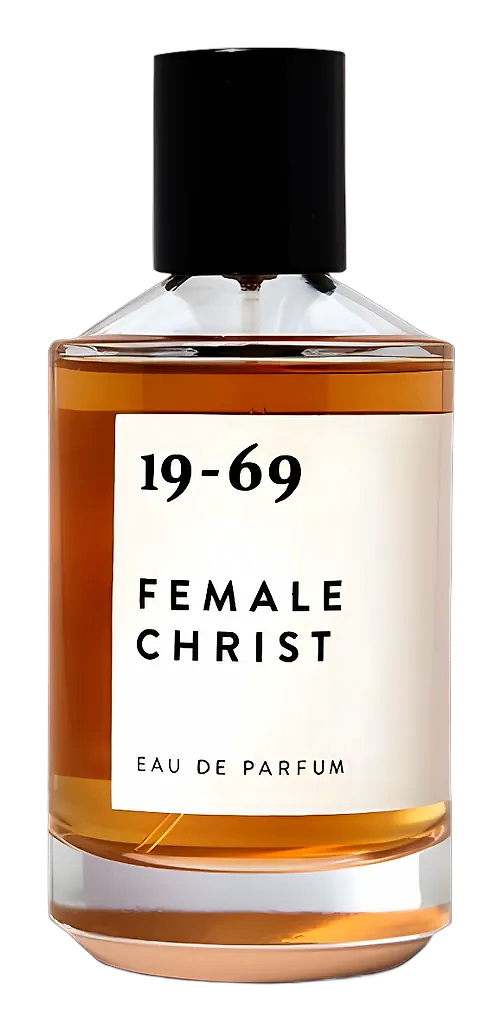
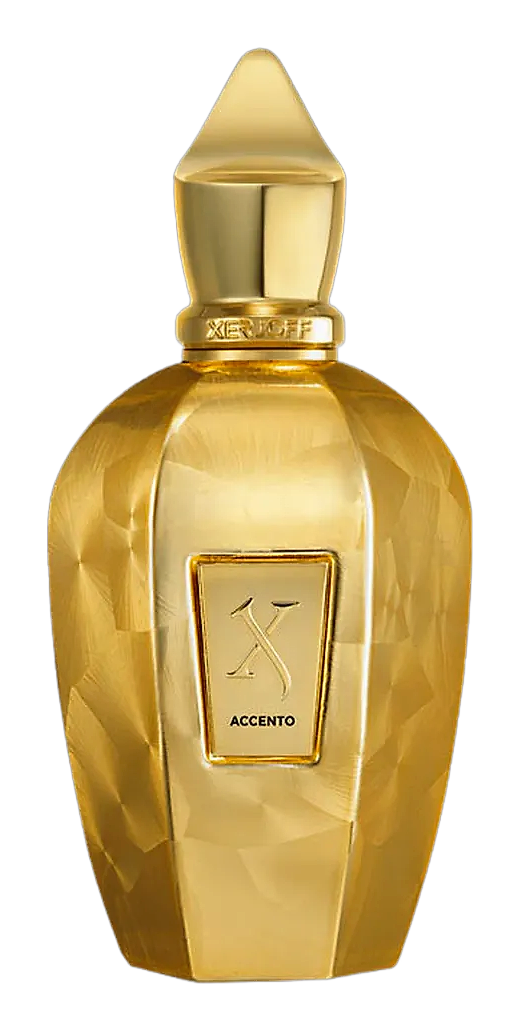
Fragrances featuring Eucalyptus



Brands
Brands known for Eucalyptus
Good to know
Questions, answered
The essentials on Eucalyptus in perfumery: how it smells, where it comes from, and how it behaves on skin.
What does eucalyptus smell like in perfume?
Eucalyptus gives a sharp, mentholated coolness with camphoraceous and slightly woody undertones. The dominant molecule, 1,8-cineole, creates an instantly recognizable piercing freshness that lifts surrounding notes.
Is eucalyptus a top or middle note?
Eucalyptus functions as a top to middle note. Its high cineole content gives strong initial projection that fades over two to three hours, settling into a softer, slightly herbaceous character in the heart.
Which eucalyptus species produces the best oil for fragrance?
Eucalyptus globulus is the most widely distilled species, offering cineole concentrations between 60 and 75 percent. Eucalyptus radiata and Eucalyptus citriodora are alternatives with softer or more lemony profiles.
Is eucalyptus essential oil safe on skin?
Undiluted eucalyptus oil can irritate sensitive skin due to its high cineole concentration. Most perfumers use it pre-diluted in alcohol or carrier oils, where concentrations typically remain below 5 percent in finished formulations.
How is eucalyptus oil extracted?
Producers steam-distill freshly harvested eucalyptus leaves, passing pressurized steam through plant material to release volatile compounds. The condensed vapor separates into oil and hydrosol layers, with the oil collected and filtered for purity.
Who first commercialized eucalyptus oil?
Joseph Bosisto, a Melbourne pharmacist, established the first commercial eucalyptus oil operation in 1852. His distillation business in Dandenong, Victoria, launched what became a global industry spanning four continents.
Can eucalyptus oil be made synthetically?
Yes, synthetic 1,8-cineole is manufactured from turpentine derivatives and used in lower-cost fragrances. However, natural eucalyptus oil contains trace secondary compounds that give the aroma greater depth and nuance.
What fragrance families use eucalyptus?
Eucalyptus appears most often in aromatic and fougère compositions, where it complements lavender and herbal accords. Modern perfumers also pair it with citruses in aquatic and fresh-woody structures for added sharpness.