The Story
Why it exists.
The beginning
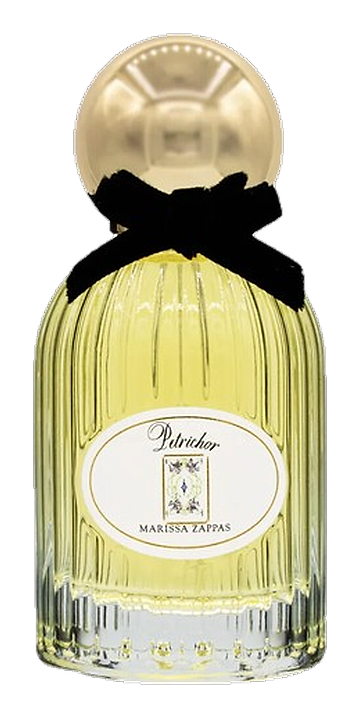
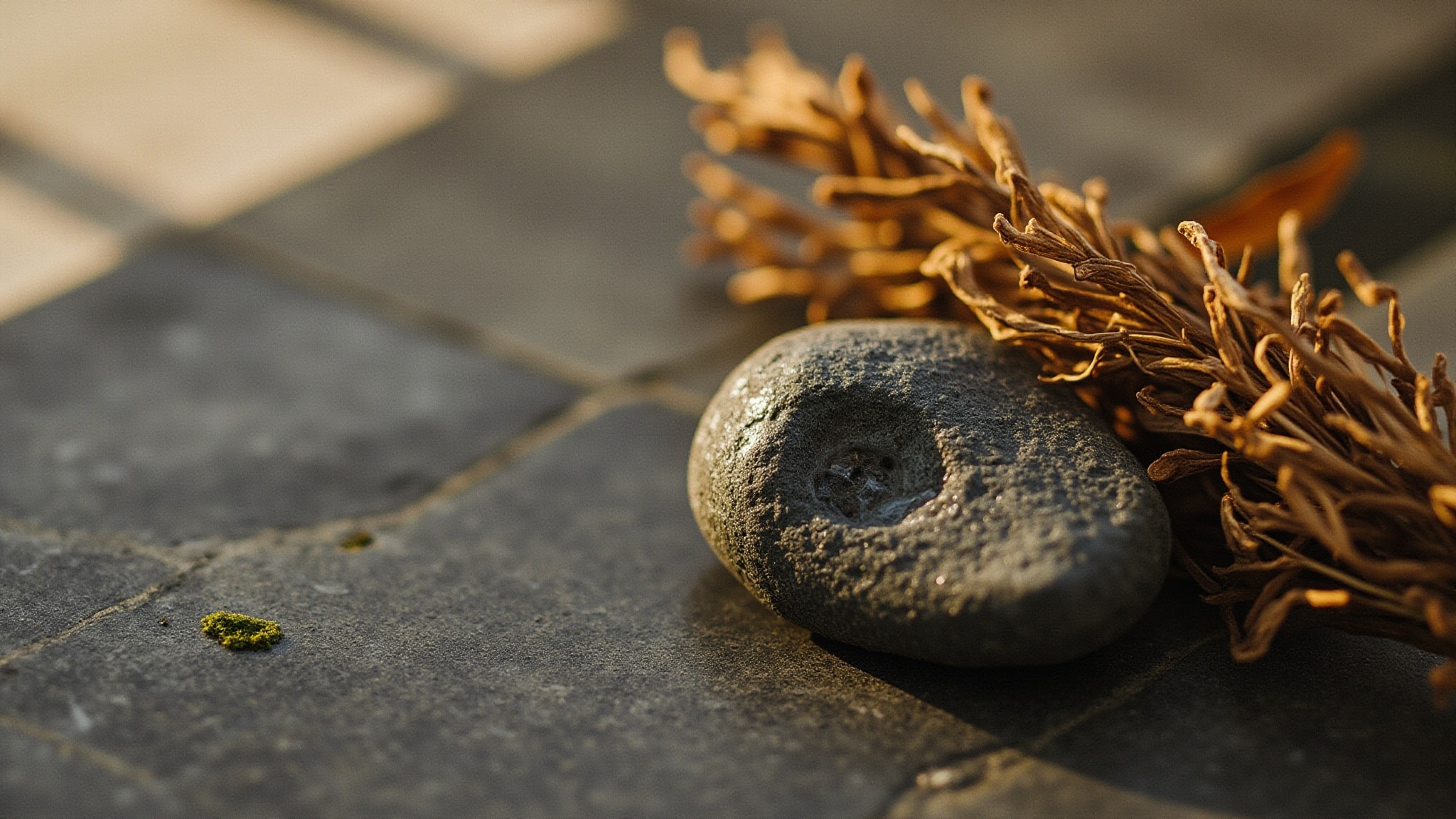
The word petrichor comes from Greek, petra (stone) and ichor (the blood of the gods). It was coined in 1964 by two Australian researchers studying why the smell of rain on dry earth is so universally recognized and beloved. Marissa Zappas understood something essential: this smell isn't just pleasant. It's embedded in human consciousness across cultures, across centuries. The moment when storm breaks and sun returns carries an emotional weight that goes deeper than nostalgia. Orris root serves as the narrative anchor, cold, dark, mineral. Where most fragrances chase the bright first drops, Zappas composed Petrichor for the exhale that follows. When water, earth, and light settle into their post-storm arrangement. That specific breath. The pause before everything glistens and carries on. This is the anthropological project made olfactory: not a literal recreation of wet earth, but an emotional one. The smell of a moment, not a weather event.
The orris decision is particularly interesting. Iris is typically associated with powdery florals, elegant and feminine connotations. But Zappas uses it here as the fuel, the cold, dark, almost subterranean quality that grounds the composition. This isn't the iris of makeup and grandmothers. It's iris as root, as earth, as the part of the flower that grows downward. What makes this structure work is restraint. The opening is brief, a quick lemon brightening the air, like the first shaft of sun through clouds. But the heart is where Petrichor lives. Vetiver brings its smoky, earthy character. Immortelle adds a hay-like warmth. Moss anchors everything to the damp forest floor.
The evolution
The opening hits bright and unexpected. A quick lemon zing cuts through, almost astringent, like the first breath of cold air after rain stops. Beneath it, something earthier rises, a gentle soil accord that suggests wet ground without mimicking it literally. The first twenty minutes are the most accessible. Then the citrus fades. The orris takes over, cold, powdery, waxy, and with it comes vetiver's smoky depth and immortelle's hay-like warmth. This is Petrichor's grey-sky heart: mineral, earthy, slightly medicinal. Some find this phase polarizing. The orris can read heavy or waxy to certain noses. But for those who connect with it, this is where the fragrance becomes itself. Over the next few hours, the composition softens. Moss and sandalwood emerge, bringing a cleaner, more comforting close. Musk adds intimacy. The earthiness fades into something that wears close, quiet, almost familiar by the end. On most skin types, expect 4-6 hours of presence, with moderate sillage that wears close to the body.
Cultural impact
Petrichor occupies a curious position among indie fragrances. While most atmospheric scents chase the dramatic, the moment of the storm itself, Zappas composed for the exhale that follows. This is the fragrance for people who love the smell of rain but find aquatic and ozonic notes too literal, too synthetic. The reception has been divisive in the best way. Wearers either connect immediately with the orris-driven earthiness or find it heavy and waxy. Those who love it describe it as the most realistic petrichor they've encountered, not a literal recreation but an emotional one. The smell of childhood fog, of wet earth, of a specific afternoon decades ago. That's the anthropological project at work: Petrichor doesn't just smell like rain. It smells like what rain means.