



    Brand Profile

    Marissa Zappas builds fragrances that feel pulled from memory, literature, and subculture. Based in New York City, she works as an independe…More

    United States·Site

    3

    Fragrances

    4.0

    Rating

    17
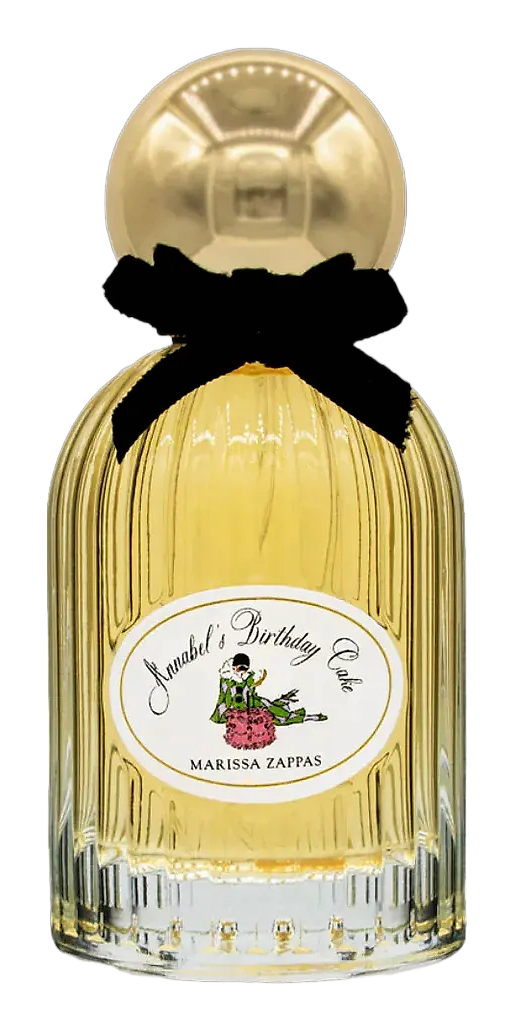
    Annabel's Birthday Cake by Marissa Zappas – Eau de Parfum
    4.1

    Annabel's Birthday Cake

    Eau de Parfum

    Dream Sequence by Marissa Zappas
    4.0

    Dream Sequence

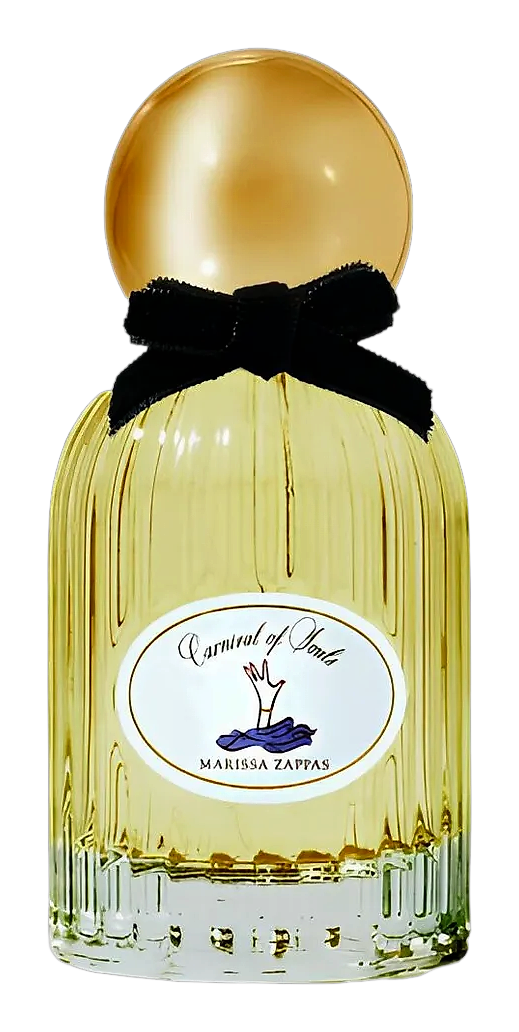
    Carnival of Souls by Marissa Zappas – Eau de Parfum
    3.9

    Carnival of Souls

    Eau de Parfum

    Tragedy Oil by Marissa Zappas
    Best Seller
    4.7

    Tragedy Oil

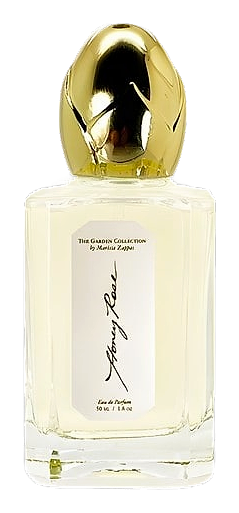
    Honey Rose by Marissa Zappas
    Best Seller
    4.4

    Honey Rose

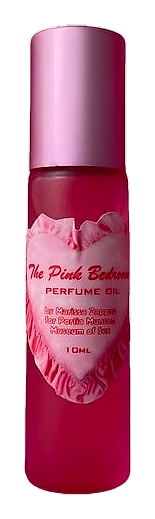
    The Pink Bedroom by Marissa Zappas
    Best Seller
    4.4

    The Pink Bedroom

    Flaming Creature by Marissa Zappas
    4.3

    Flaming Creature

    Violette Hay by Marissa Zappas
    4.2

    Violette Hay

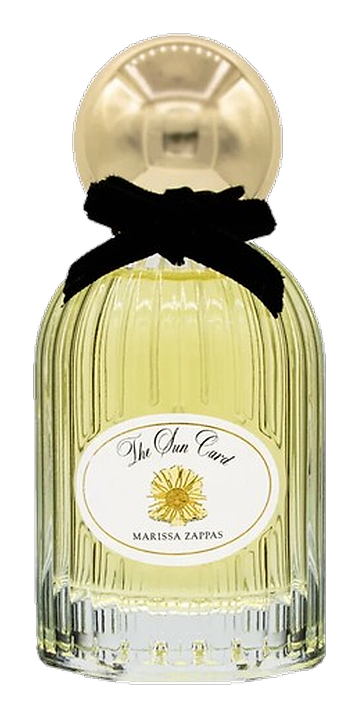
    The Sun Card by Marissa Zappas
    4.2

    The Sun Card

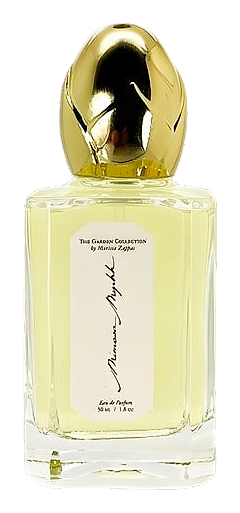
    Mimosa Myrrh by Marissa Zappas
    4.1

    Mimosa Myrrh

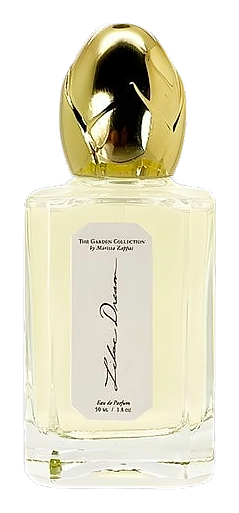
    Lilac Dream by Marissa Zappas
    4.0

    Lilac Dream

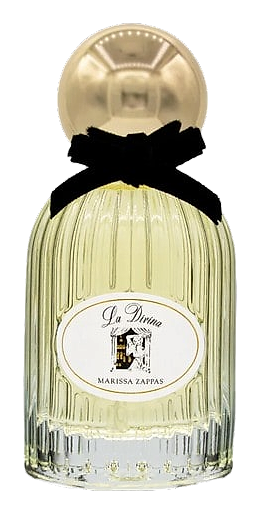
    Imperia La Divina by Marissa Zappas
    4.0

    Imperia La Divina

    1 of 2

    The Heritage

    The Story of Marissa Zappas

    Marissa Zappas builds fragrances that feel pulled from memory, literature, and subculture. Based in New York City, she works as an independent perfumer and scent designer whose catalog leans into irreverent gourmand themes alongside darker, more atmospheric compositions. Her training in anthropology shapes how she approaches fragrance, treating scent as a cultural artifact that carries meaning beyond its ingredients. Zappas has described her work as sitting at the intersection of fantasy and reality, the gothic and the contemporary, creating perfumes that often reference specific moments, aesthetics, or emotional states rather than abstract concepts of luxury.

    Heritage

    Marissa Zappas began working as a freelancer in 2017, building her independent perfumery practice alongside scent design projects. Before establishing her own brand, she developed her palate through anthropological study, which informs how she thinks about fragrance as a cultural practice rather than purely a commercial product. Her earliest fragrance memories trace to her bat mitzvah, when she received YSL Baby Doll, a juicy 2000s-era scent that she says sparked an early obsession with how scent and identity interact. In the years that followed, she studied independently and began developing her own compositions, drawing inspiration from early twentieth-century avant-garde perfumes and their willingness to take creative risks. She eventually connected with Courtney Rafuse, another independent perfumer, and the two founded Gumamina as a collaborative side project. The partnership reflects Zappas's broader interest in community over competition within independent perfumery. Her brand gained recognition through social media attention and in-person events, including appearances at retail locations where her collection found an audience drawn to her unconventional naming conventions and emotionally specific brief.

    Craftsmanship

    Zappas develops her fragrances through independent formulation work, sourcing materials and building compositions without a traditional house structure. Her background in anthropology influences how she thinks about ingredients not just as raw materials but as substances with history, trade routes, and cultural associations. The Gumamina collaboration with Courtney Rafuse represents a shared approach to crafting, where both perfumers bring distinct sensibilities to joint projects. Zappas has participated in educational conversations about perfumery, including a hosted discussion with Saskia Wilson-Brown of the Institute for Art and Olfaction, an organization known for supporting experimental and independent practitioners. Her freelance work since 2017 has included scent design projects beyond her personal brand, expanding her experience with how fragrance functions in different contexts and applications. She approaches each new fragrance as a distinct creative problem, with titles and concepts often arriving before the formula, then reverse-engineering the scent to match the emotional or narrative target.

    Design Language

    The visual presentation of Marissa Zappas fragrances reflects the literary and subcultural sensibility of her work. Names like Flaming Creature, The Pink Bedroom, and The Sun Card suggest specific artistic references rather than conventional fragrance branding. The aesthetic operates in the space between nostalgia and irony, drawing from gothic imagery, domestic interiority, and avant-garde film culture. Her packaging and presentation avoid the polished luxury language of mainstream perfumery in favor of something more personal and unexpected. The brand image centers on Zappas herself as creator, with a directness in how she presents her work and influences that includes early 2000s YSL flankers, anthropological theory, and independent film. This positioning attracts a consumer who wants fragrance with a point of view rather than simply a pleasant smell. Her retail appearances, including events at independent boutiques, reinforce a community-oriented approach to building her audience, where the brand functions as an extension of her creative identity rather than a traditional commercial enterprise.

    Philosophy

    Zappas approaches perfumery as a form of storytelling. Her anthropological background gives her a framework for understanding how scent functions within cultures, communities, and personal narratives. She has spoken about the power of not knowing in creative work, suggesting that uncertainty opens space for discovery rather than limiting it. Her perfumes tend to evoke specific scenarios or emotional atmospheres rather than ingredient categories. Annabel's Birthday Cake and Honey Rose suggest edible, nostalgic imagery, while titles like The Pink Bedroom and The Sun Card point toward intimate domestic spaces or symbolic imagery. Flaming Creature and Tragedy Oil lean darker, referencing underground film and theatrical tragedy respectively. This range demonstrates a philosophy of fragrance as a vehicle for narrative and sensory memory, not merely a vehicle for pleasant smell. Her work runs from irreverent gourmands to more atmospheric compositions, but everything she creates carries a sense of personality and specificity that distinguishes it from more generic offerings. She treats her perfumes as extensions of her writing and poetic sensibility, integrating text, imagery, and concept into how each fragrance exists in the world.

    Key Milestones

    2017

    Zappas begins working as an independent freelancer, taking on perfumery and scent design projects while building her own brand.

    2021

    She releases her first noted fragrances, including Flaming Creature and Annabel's Birthday Cake, establishing her irreverent approach to naming and concept.

    2022

    A productive year yields multiple releases including Honey Rose, Violette Hay, The Sun Card, Mimosa Myrrh, Lilac Dream, and Imperia La Divina.

    2023

    Tragedy Oil and The Pink Bedroom join her catalog, with in-store appearances at retail partners helping grow her audience.

    Ongoing

    Zappas continues developing new work while co-managing Gumamina, her collaborative project with perfumer Courtney Rafuse.

    At a Glance

    Brand profile snapshot

    Origin

    United States

    Collection

    3

    Fragrances released

    Avg Rating

    4.0

    Community sentiment

    Release Rhythm

    2024
    2
    2023
    3
    2022
    10
    2021
    2
    marissazappas.com

    Did You Know?

    Interesting Facts

    Distinctive details and defining moments that shape the house personality.

    01

    She traces her first significant perfume memory to receiving YSL Baby Doll at her bat mitzvah, crediting that 2000s flanker with sparking her early fascination with fragrance.

    02

    Her Gumamina project is a collaboration with Courtney Rafuse, who runs the independent brand Universal Flowering, representing a partnership between two independent perfumers rather than a traditional brand structure.

    03

    Saskia Wilson-Brown, founder of the Institute for Art and Olfaction, has hosted public conversations with Zappas about her work, positioning her within the experimental perfumery community.

    04

    Her approach combines perfumery with her work as a poet, treating fragrance titles and concepts as part of an integrated creative practice rather than separate disciplines.