The Story
Why it exists.
The beginning
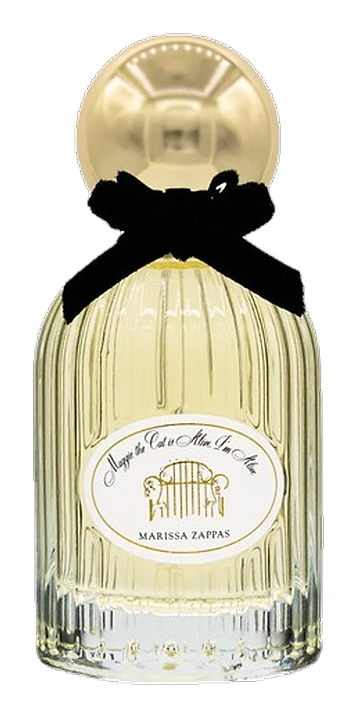
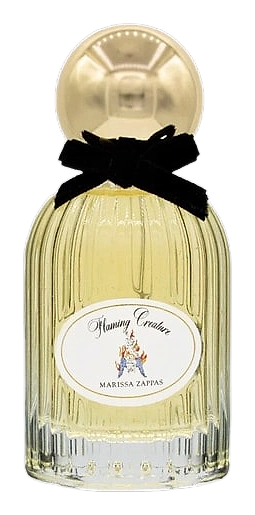
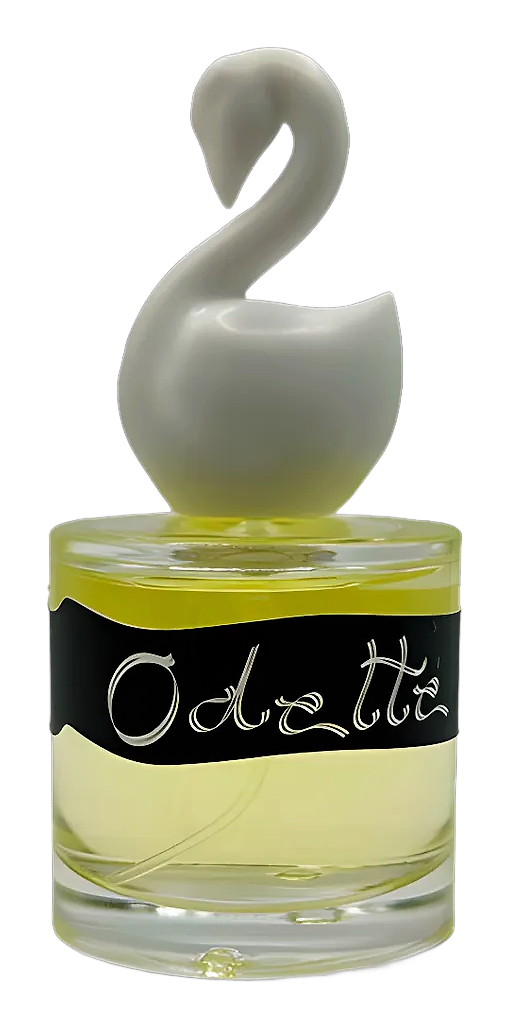
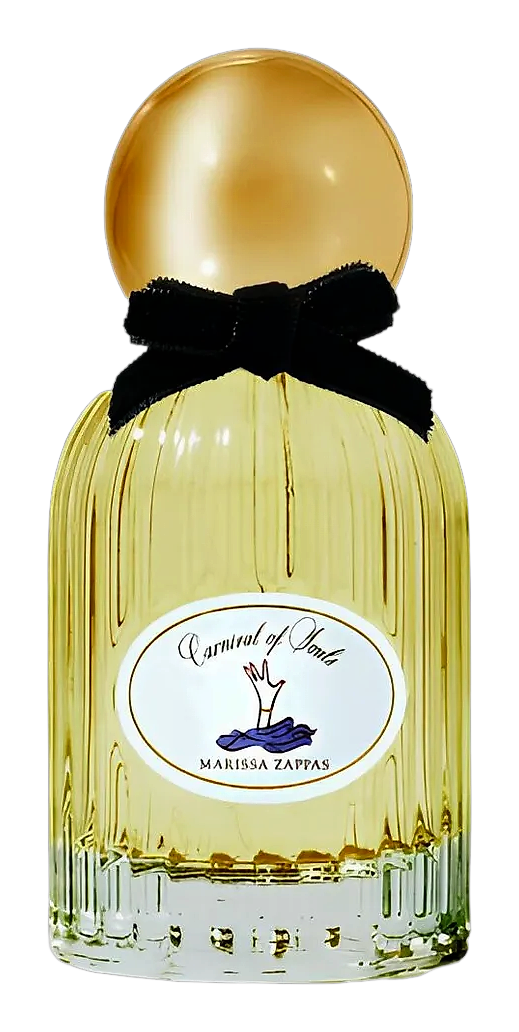
The 1962 cult horror film Carnival of Souls follows Mary Henry, a church organist haunted by supernatural visions after surviving a car accident. Unsettling, dreamlike, built around absence and presence. Marissa Zappas translates that atmosphere into scent, warm spices, powdery florals, smoky resins. The fragrance doesn't reproduce the film's plot. It reproduces how the film feels.
The accord structure reads like a gothic perfumer's toolkit: powdery, amber, warm spice, yellow floral, violet, smoky, balsamic, vanilla, woody. Coconut in the opening isn't tropical sunscreen, it's the abstraction, something in the air that shouldn't be there, like the film's supernatural intrusion on ordinary life. Saffron adds warmth and faint medicinal edge, the kind of spice that feels both inviting and strange. Violet and mimosa cream give powdery softness that becomes the fragrance's signature. The incense and smoke in the drydown echo the film's haunted atmosphere without being literal.
The evolution
The opening announces coconut's unexpected sweetness alongside saffron's warm spice, bright but odd, like an apparition arriving. Violet and mimosa cream arrive next, bringing powdery softness that deepens as mimosa cream settles into the heart. Milk cream and amber warm the composition while vanilla adds sweetness. The drydown unfolds over 6-8 hours on most skin, revealing incense, patchouli, and vanilla as smoke and warm resin. The sillage stays moderate, intimate, close, lingering, leaving a presence without dominating the room.
Cultural impact
The cult film reference gives this an audience: people who've seen Carnival of Souls and want its atmosphere translated into scent. 2024 releases don't typically reference cult cinema this directly, most niche fragrances draw from ingredients, locations, or emotions, not a 1962 B-movie about a haunted organist. That specificity is the point. For those who know the film, the fragrance reads as translation, not interpretation.