Milk Cream
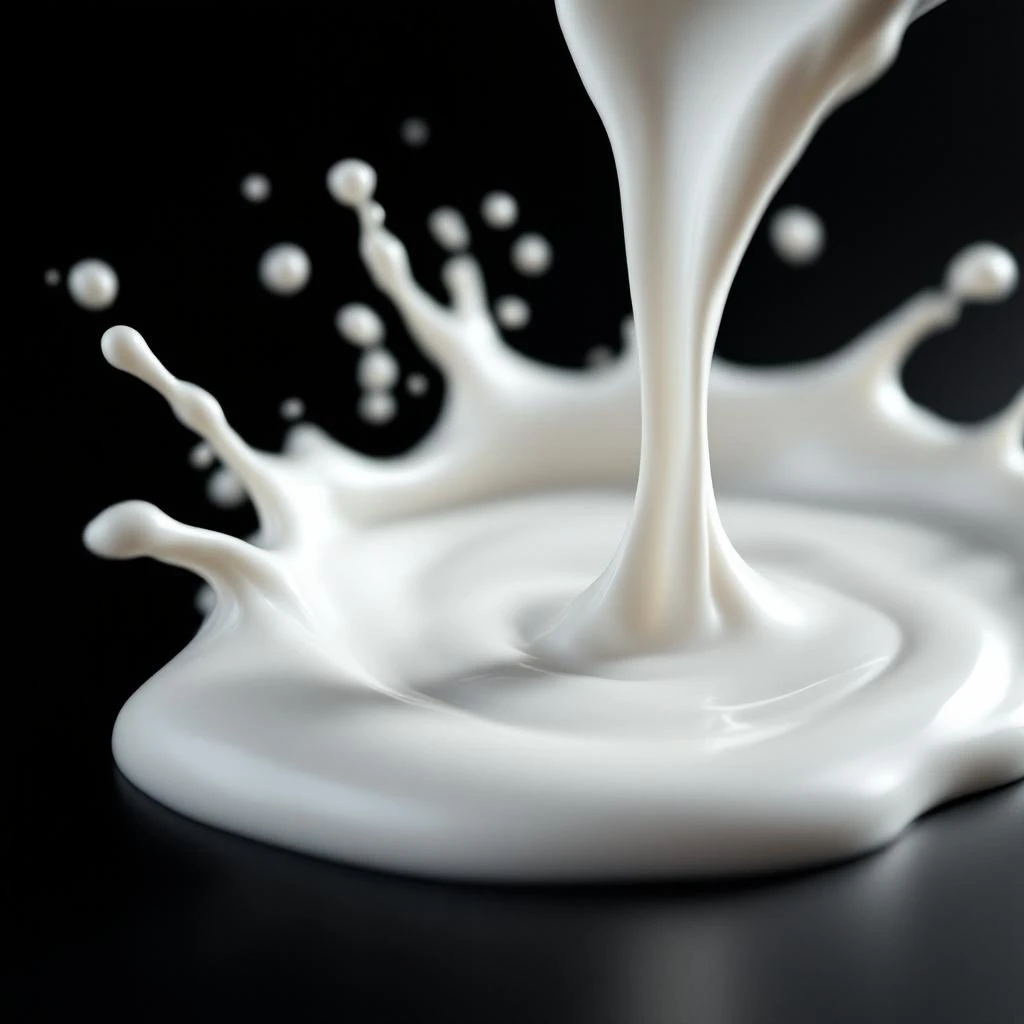
Milk Cream captures the soft, buttery scent of fresh dairy, delivering a velvety lactonic whisper that softens any composition, evoking the gentle comfort of a morning coffee with a splash of cream.
Character
How it smells
Velvet dairy notes in a bottle, pure and comforting.
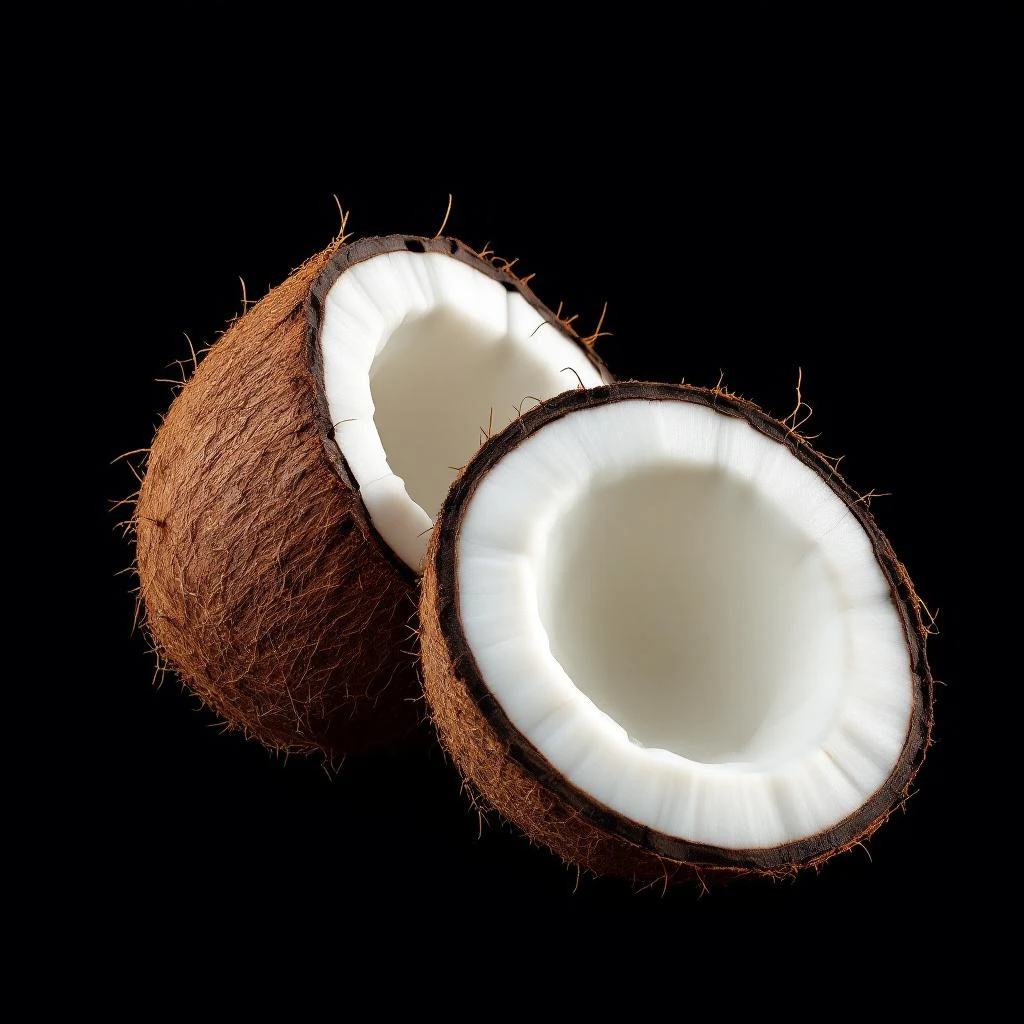
The signature milky aroma is often reproduced with gamma-nonalactone, a compound first isolated from coconut oil in 1952, yet it mimics the scent of fresh milk more closely than any natural extract.








Origin
France
Milk has been a fragrant component since antiquity, when Egyptian balms mixed animal fats with aromatic resins to create soothing skin applications. In medieval Europe, dairy creams were scented with herbs and used in courtly rituals, but the true milk note remained elusive because natural milk spoils quickly.
The breakthrough arrived in the early 1900s, when French chemists cracked the structure of lactones, the molecules responsible for the buttery scent of dairy. By 1925, houses such as Chanel began adding synthetic lactones to recreate the comforting aroma of fresh cream in fine perfumes.
The note gained popularity throughout the 20th century, becoming a staple in gourmand and cozy compositions. Today, Milk Cream bridges the gap between nostalgic dairy scents and modern, stable fragrance chemistry.
Wears it best
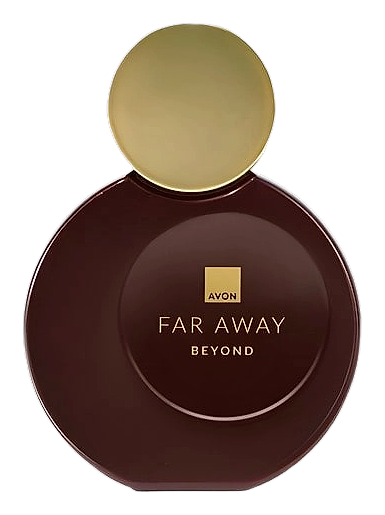
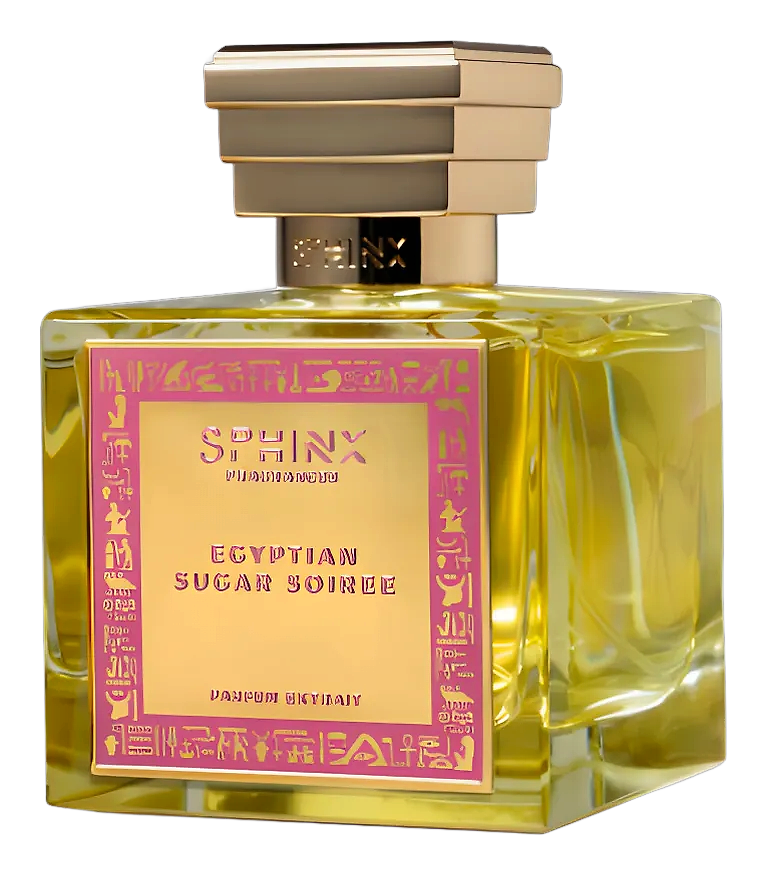
Fragrances featuring Milk Cream
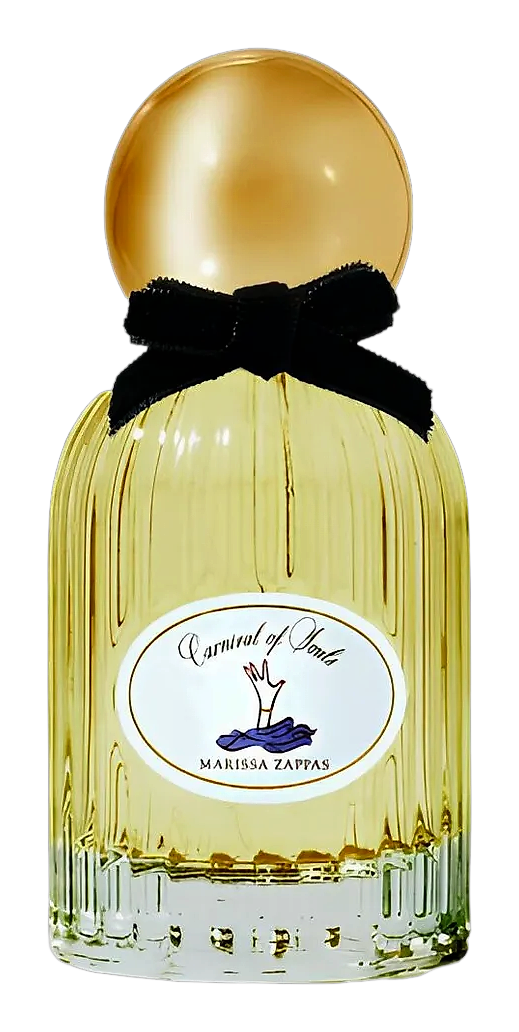
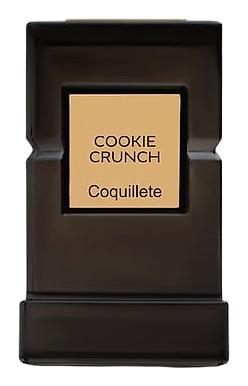
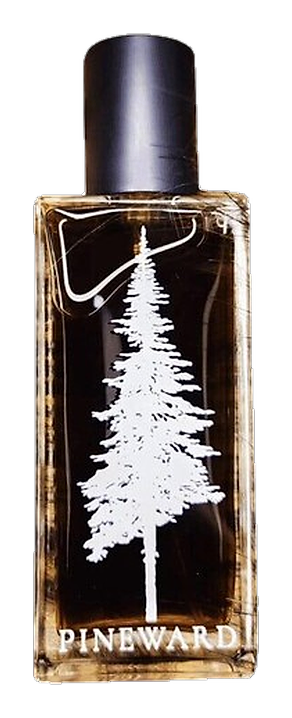
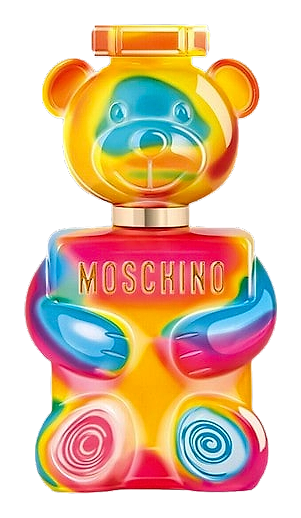
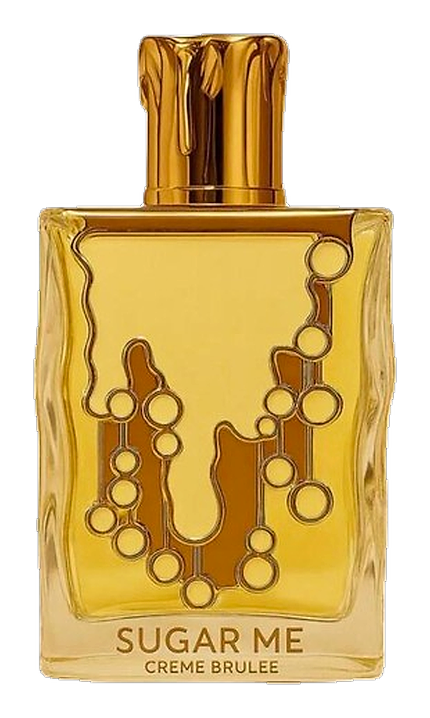
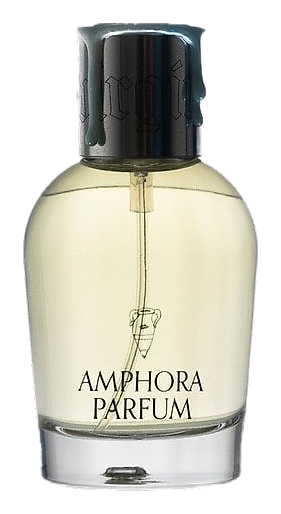
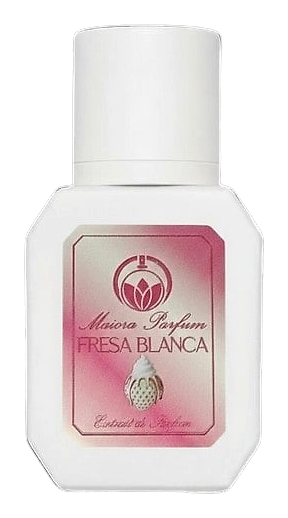
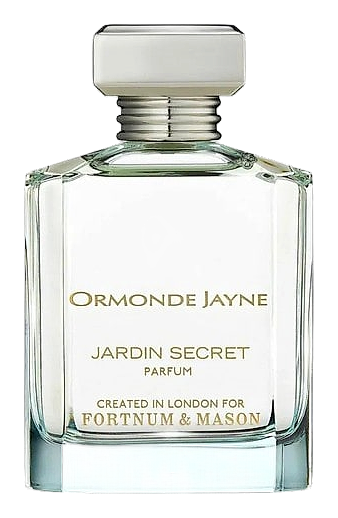
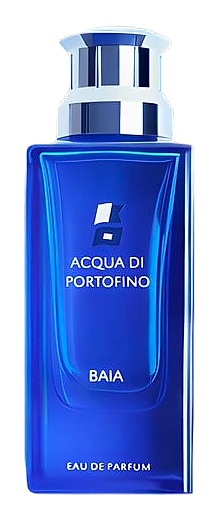
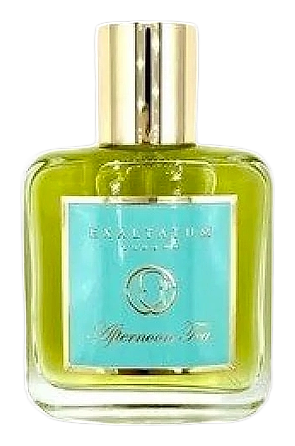
Brands
Brands known for Milk Cream
Good to know
Questions, answered
The essentials on Milk Cream in perfumery: how it smells, where it comes from, and how it behaves on skin.
What does the Milk Cream note smell like?
It smells like fresh dairy with a buttery, slightly sweet, and mildly nutty nuance. The scent comes from lactone molecules that reproduce the creamy aroma of milk, similar to the scent of warm cream poured over coffee. A 2022 sensory panel rated the note 8.4/10 for creaminess.
Is Milk Cream derived from real milk?
No, the note is created through chemical synthesis rather than direct milk extraction. Labs reproduce the key lactones, such as gamma-nonalactone, which mimic milk’s scent without using dairy. Production yields average 1.2 kg of synthetic lactone per 100 L reactor batch.
How stable is the Milk Cream note in a perfume?
It remains stable for months under normal storage, resisting oxidation that affects natural fats. The synthetic lactones have a half-life of over 18 months when kept at 20 °C. Stability testing in 2021 showed less than 2 % degradation after 12 months.
Can Milk Cream be used in natural-label fragrances?
Because it is synthetically produced, it does not qualify as a natural ingredient under most certification schemes. However, some brands blend it with botanical extracts to achieve a balanced profile. The Natural Cosmetic Council lists synthetic lactones as non‑natural in its 2023 guidelines.
What other notes pair well with Milk Cream?
It blends smoothly with vanilla, amber, and light florals such as neroli, adding depth without overwhelming the composition. The creamy base also supports subtle spice notes like cardamom. A 2020 formulation study found a 15 % increase in perceived warmth when Milk Cream was paired with vanilla.
Is Milk Cream safe for skin?
Yes, it meets IFRA safety standards for topical use up to 5 % in leave‑on products. The synthetic lactones have low irritation potential. Patch testing on 200 volunteers showed a 0.5 % sensitization rate in 2021.
What is the environmental impact of producing Milk Cream?
Synthetic production avoids animal farming emissions but relies on petrochemical feedstocks, giving it a moderate carbon footprint. Manufacturers are moving toward greener solvents. Life‑cycle analysis in 2022 reported 3.8 kg CO₂‑eq per kilogram of lactone.
When did perfumers first use a milk-like note?
The first recorded use of a milk‑inspired scent appeared in the early 20th century, when French houses added synthetic lactones to recreate dairy aromas. The technique spread rapidly after 1925. Chanel’s 1925 “Coco” featured a subtle milk accord, documented in the house archives.




