The Story
Why it exists.
The beginning
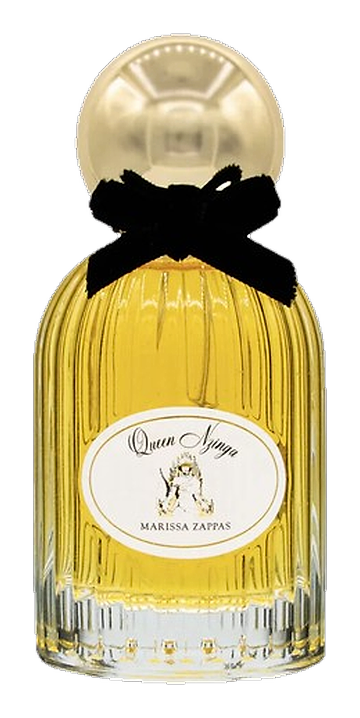
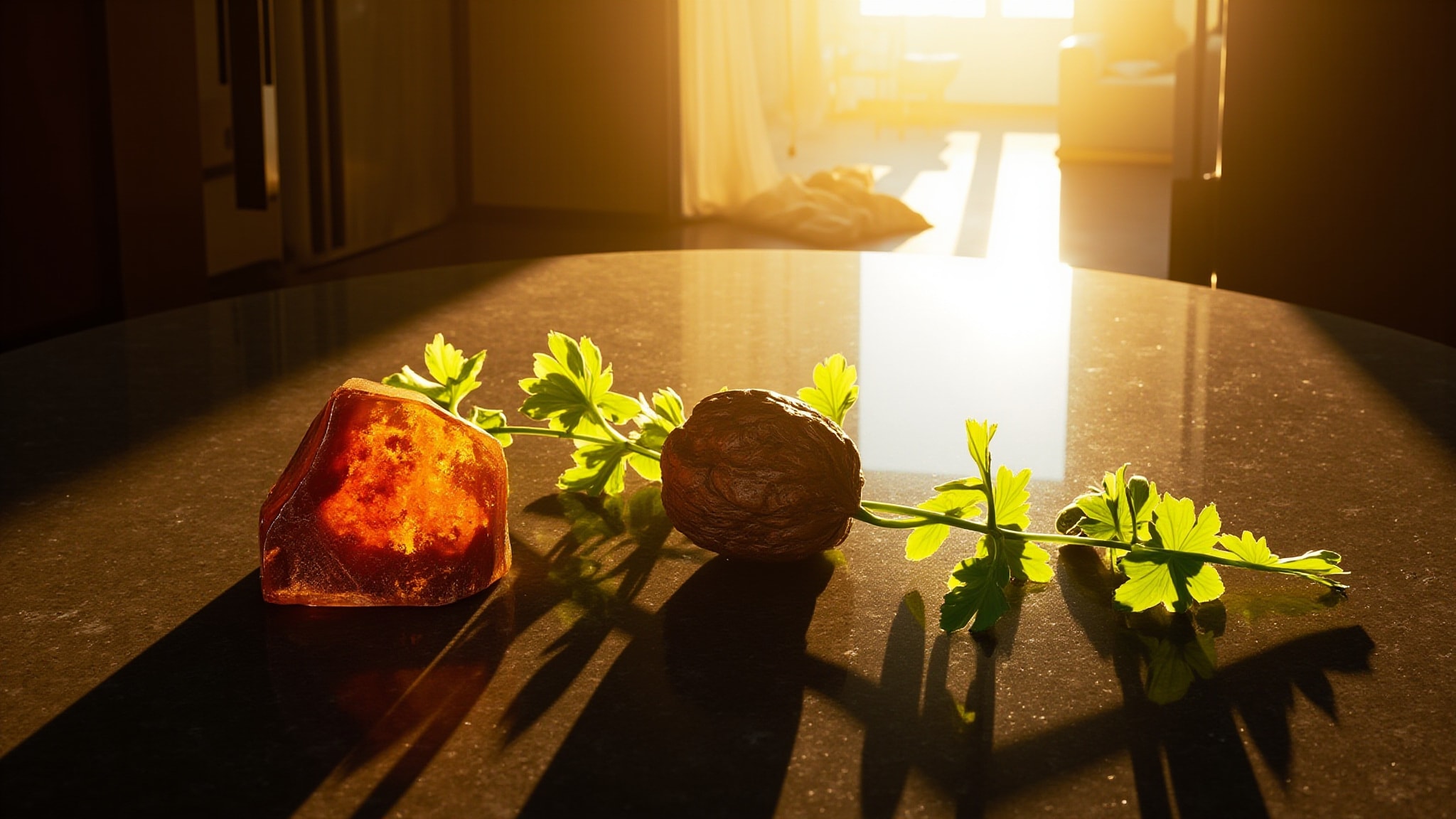
Queen Nzinga (1583, 1663) ruled the Ndongo and Matamba Kingdoms in what is now Angola, a brilliant military strategist who personally led troops against colonial forces and won. She brokered treaties, reshaped kingdoms, and refused to kneel. Marissa Zappas built this fragrance as an olfactive portrait of that force: a queen who fought on the front lines and dressed in the regalia of power. The three notes, tamarind, amber, geranium, are not accidental. Together they read as a woman who could be tender and terrifying in the same breath. The bright, tangy tamarind opens like a challenge. The amber swells into warmth and ceremony. The geranium keeps it rooted in the earth of who she actually was, not just the legend she became. Released in 2022, Queen Nzinga joins Zappas's catalog of fragrances that treat scent as cultural artifact, named for real people, real histories, real specificity. It doesn't smell like a palace.
Three notes is a bold choice in contemporary perfumery, where complexity is often mistaken for quality. Here, the restraint is the statement. Each material is pushed hard, the tamarind is not a footnote but a full opening act, bright and almost acidic in its urgency. The amber doesn't behave like a base here; it acts like the heart, warm and resinous from the start. And geranium, often used as a bridge in rose compositions, functions as an anchor, green, slightly medicinal, keeping the warmth from going anywhere soft. The result is a fragrance with a vertical architecture rather than a horizontal one. Most perfumes evolve sideways, this one builds upward.
The evolution
The opening arrives fast, tamarind's bright tang hits the air with the confidence of someone who just entered. It doesn't wait for you to notice. For the first twenty minutes this fragrance reads as green and acidic, almost startling against the amber that begins surfacing underneath. The geranium is already there, lending an herbal sharpness that stops the tamarind from becoming sweet. Then the amber takes over. Not gradually, it arrives like a shift in weather. Suddenly the air feels warmer, heavier, more present. The tamarind recedes but doesn't vanish; it sweetens as it fades, almost like the memory of itself. The geranium remains constant, the green undercurrent holding the whole thing to the earth. The drydown is powdery in the best way. Warm amber resin settling into skin, with geranium still faintly audible like a bass note that never fully resolves. On fabric, this is where Queen Nzinga lives longest, the amber deepens on cotton and linen, lingering well past the point when the skin scent has softened to a close whisper.
Cultural impact
Queen Nzinga occupies a specific and underserved corner of contemporary perfumery: amber fragrances that do not apologize for their warmth. In a market where amber is often softened, sweetened, or positioned as an evening-only material, this one insists on itself. The tamarind opening, bright and almost confrontational, signals immediately that this is not a polite fragrance. It was made for someone who chose it on purpose. The independent fragrance community has responded accordingly. Reviews consistently note its sillage and longevity as defining features, it projects strongly and lasts long enough to become an event rather than a backdrop.