Tamarind
Tamarind brings a tart, fruity warmth to perfumery, balancing tangy sourness with subtle honeyed sweetness. Its pulp and extract lend depth to gourmand compositions and exotic floral blends.
Character
How it smells
Tangy warmth with a sun-soaked sweetness
Tamarind trees can live and produce fruit for over 200 years, making them one of the longest-cultivated fruit species in human history.








Origin
India
Tamarind carries a cultural history stretching back more than four millennia. Archaeological evidence places its use in the Indus Valley Civilization around 3300 BCE, where the pulp was incorporated into food, medicine, and likely ceremonial preparations. Ancient Sanskrit texts, including Ayurvedic manuscripts from around 1500 BCE, describe tamarind as a digestive aid and flavoring agent.
The fruit spread westward through Arab trade routes by the 10th century CE, earning its name from the Arabic 'tamr hindi,' meaning 'Indian date.' By the 13th century, travelers like Marco Polo noted tamarind cultivation from India to Persia. In traditional Indian perfumery and Ayurvedic formulation, tamarind was occasionally blended into aromatic pastes and incense blends for its sweet-sour character.
European perfumers encountered tamarind in the 16th century through Portuguese and Spanish traders. Its entry into modern Western perfumery came much later, in the late 20th century, when gourmand fragrances opened the door to edible-sounding notes. Today, tamarind appears in niche compositions seeking tropical, tangy, or exotic-fruity signatures.
Wears it best
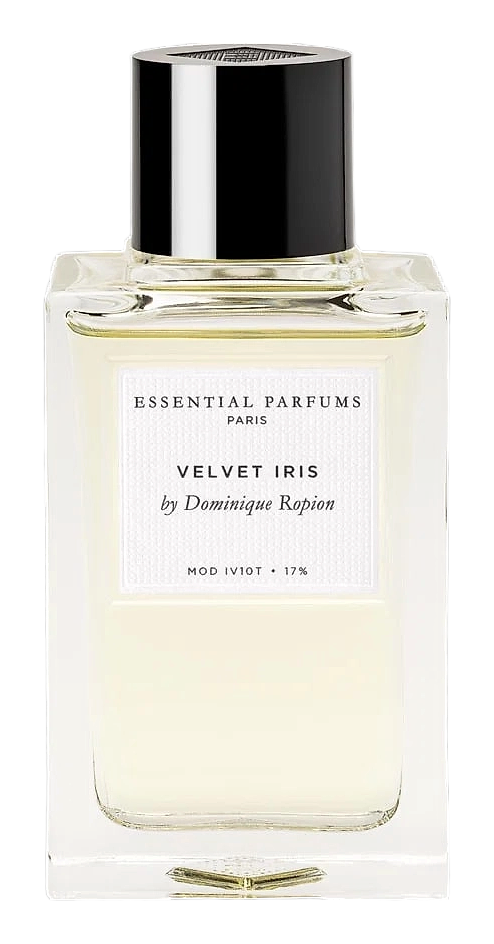
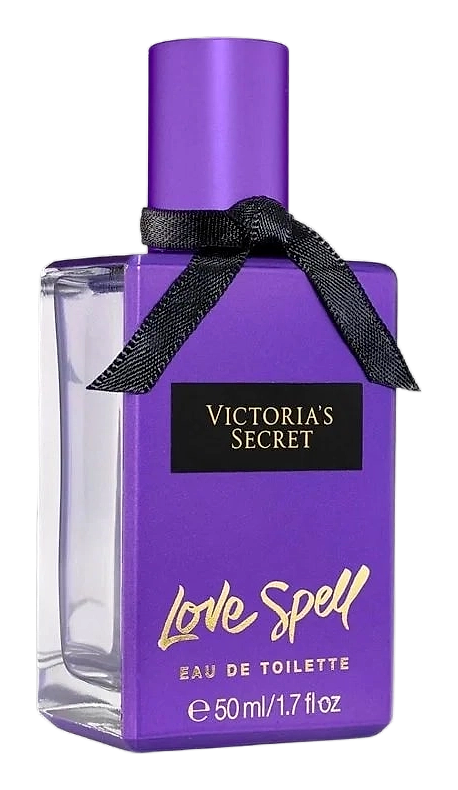
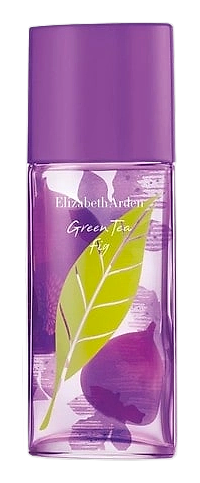
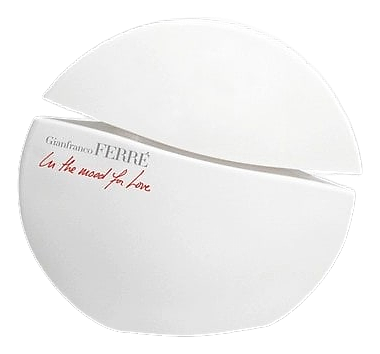
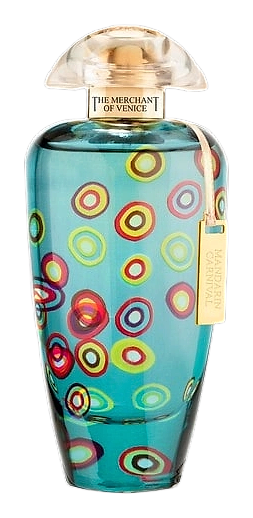
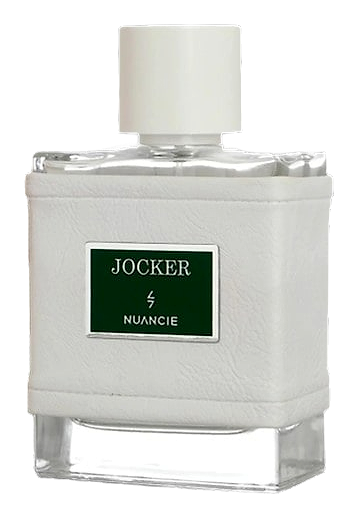
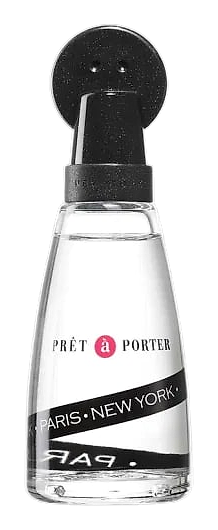
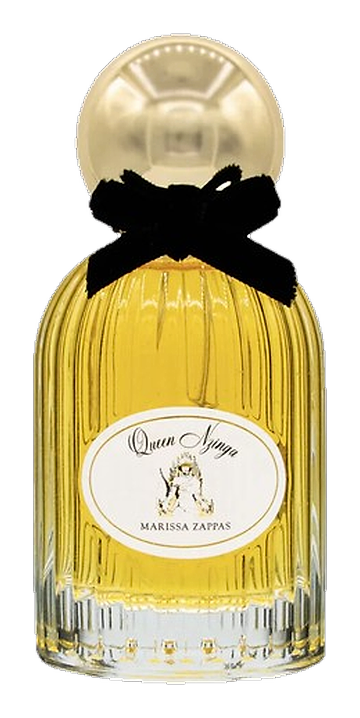
Fragrances featuring Tamarind



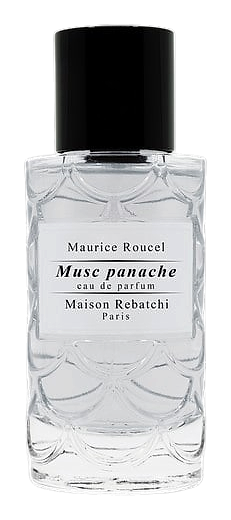
Brands
Brands known for Tamarind
Good to know
Questions, answered
The essentials on Tamarind in perfumery: how it smells, where it comes from, and how it behaves on skin.
What does tamarind smell like in perfume?
Tamarind in perfumery carries a sharp tangy-sweet character, balancing fruity sourness with warm honeyed and caramel undertones. It reads as edible, slightly resinous, and distinctly tropical without smelling artificially candied.
Is tamarind a top, middle, or base note?
Tamarind functions most often as a middle to top-heart note, contributing brightness and tartness early in the dry-down. It bridges citrus and gourmand bases, typically lasting around three to five hours on skin.
How is tamarind fragrance material produced?
Producers harvest ripe tamarind pods, crack them open, and extract the acidic pulp using water or food-grade solvents. CO2 extraction of dried pulp is gaining use, since it preserves a fuller fruity aroma profile.
Where does tamarind originally come from?
Tamarindus indica is native to tropical eastern Africa, though India has cultivated it for over 4,000 years and remains the world's largest producer. The name itself comes from Arabic 'tamr hindi,' meaning Indian date.
Is tamarind safe in fragrance?
Tamarind extract is generally recognized as safe for cosmetic use when properly processed. Most tamarind notes in modern perfume come from synthetic reconstructions, which offer stable, skin-safe alternatives to the natural extract.
What scents pair well with tamarind?
Tamarind blends naturally with mango, passion fruit, sandalwood, vanilla, and pink pepper. It also complements oud and smoky incense notes, adding tart brightness to heavier oriental compositions.
When was tamarind first used in perfumery?
Tamarind appeared in traditional Indian aromatic preparations over 3,000 years ago, but entered modern Western perfumery only in the late 20th century, coinciding with the rise of gourmand and exotic-fruity fragrance categories.
Is tamarind in perfume natural or synthetic?
Most tamarind notes in contemporary perfume are synthetic reconstructions built around molecules like ethyl maltol and furaneol. Natural tamarind extract is available but rare, since its acidic content makes distillation difficult.