
The Story
Why it exists.
The beginning
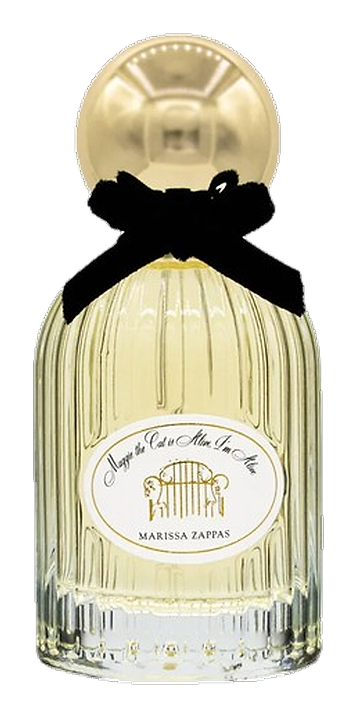
Named for Elizabeth Taylor's electric performance in Cat on a Hot Tin Roof, specifically the languorous intensity she brought to the character of Maggie. Marissa Zappas doesn't do literal translations. She took that atmosphere, the heat, the longing, the anger that lives just beneath the surface, and found the olfactory equivalent. Flat champagne. Peach that knows warmth. A violet and orris heart that arrives like a door opening onto a still room. This is Taylor at her most luminous and most wounded, captured in a bottle.
What makes this work is the ambrette. Not musks as a shortcut to 'skin-like', ambrette brings a specific warmth that keeps the opening intimate rather than bright. The castoreum in the base isn't loud animal, it's the earthiness that grounds the violet. And the solar notes aren't sunshine, they're heat, the shimmer above hot pavement. Oakmoss keeps the whole thing from being precious. There's something slightly dark in the greens, something that remembers the original source material wasn't a love story. It was a story about what love costs.
The evolution
The opening arrives like flat champagne, warmth without effervescence, the ghost of something that was once sparkling. Peach sits just above the skin, sweet but not ripe, sun-warmed rather than fresh. Violet and orris arrive next, bringing powder that reads more like vintage face powder than anything synthetic. Oakmoss keeps it grounded, stops it from floating into precious territory. As the composition develops, the structure shifts. Amber builds slowly, not announcing itself, just adding weight. Sandalwood arrives quietly, creamy, warm, close. The castoreum doesn't hit like animal, it reads more like warmth that's been absorbed into skin. This is intimate fragrance. Moderate sillage. It doesn't fill a room, it marks the person next to you. The drydown is the payoff: skin-warm sandalwood, amber, and that residual violet powder.
Cultural impact
Marissa Zappas channels Tennessee Williams' fiery Maggie the Cat into liquid form, creating a fragrance that feels like a whispered secret at a 1950s garden party. The champagne note references celebration and excess, while the peach brings Southern warmth and ripe sensuality. Ambrette, derived from musk mallow, adds a vintage powdery quality. This scent bridges the theatrical with the personal, capturing both the grand gesture and the intimate revelation.
The House
Marissa ZappasMarissa Zappas builds fragrances that feel pulled from memory, literature, and subculture. Based in New York City, she works as an independent perfumer and scent designer whose catalog leans into irreverent gourmand themes alongside darker, more atmospheric compositions. Her training in anthropology shapes how she approaches fragrance, treating scent as a cultural artifact that carries meaning beyond its ingredients. Zappas has described her work as sitting at the intersection of fantasy and reality, the gothic and the contemporary, creating perfumes that often reference specific moments, aesthetics, or emotional states rather than abstract concepts of luxury.
The Creator
Marissa ZappasHer compositions span a wide range, from playful gourmands to gothic-tinged florals. She works with vintage materials and has assembled an extensive reference collection that informs her approach.