Solar Notes
Solar notes evoke sun-kissed warmth and radiant golden light. In perfumery, they function as heart-to-base accords built from lactones, salicylates, and warm musks that create a luminous, skin-enhancing effect reminiscent of warm skin after sun exposure.

Character
How it smells
Capturing the warmth of sunlight on bare skin.
The term solar in perfumery traces to L'Oréal's 1936 Ambre Solaire sun protection line, whose signature warm-coconut scent became the olfactory blueprint for the entire category.









Origin
France
The solar note category emerged from an unlikely source: commercial sun care. In 1936, L'Oréal launched Ambre Solaire, the first mass-market sun protection line in Europe.
The formula's benzyl salicylate base created a distinctive warm-coconut scent that became synonymous with summer sun exposure. This fragrance profile, originally a byproduct of sun-filter chemistry, eventually became an intentional olfactory goal for perfumers.
By the 1990s, advances in aromatic chemistry allowed perfumers to isolate and combine specific lactones and musks that captured solar warmth without the sunscreen context. Today, solar accords represent a sophisticated category spanning luxury niche fragrances to accessible designer scents, valued for their ability to make fragrances feel intimate, warm, and luminously alive on skin.
Wears it best
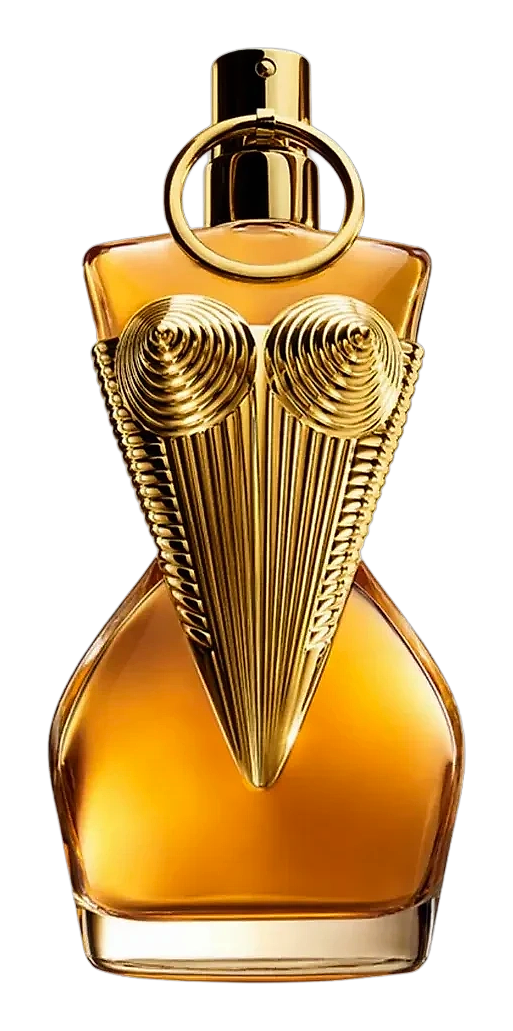
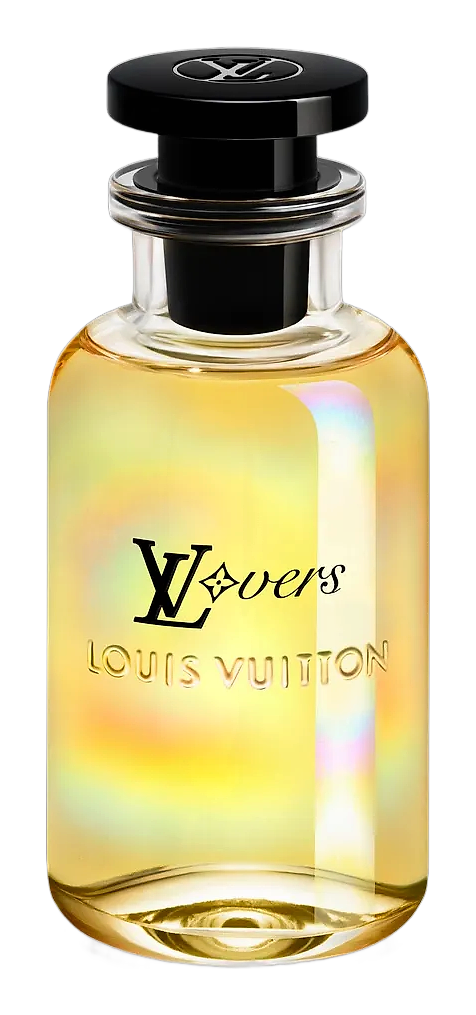
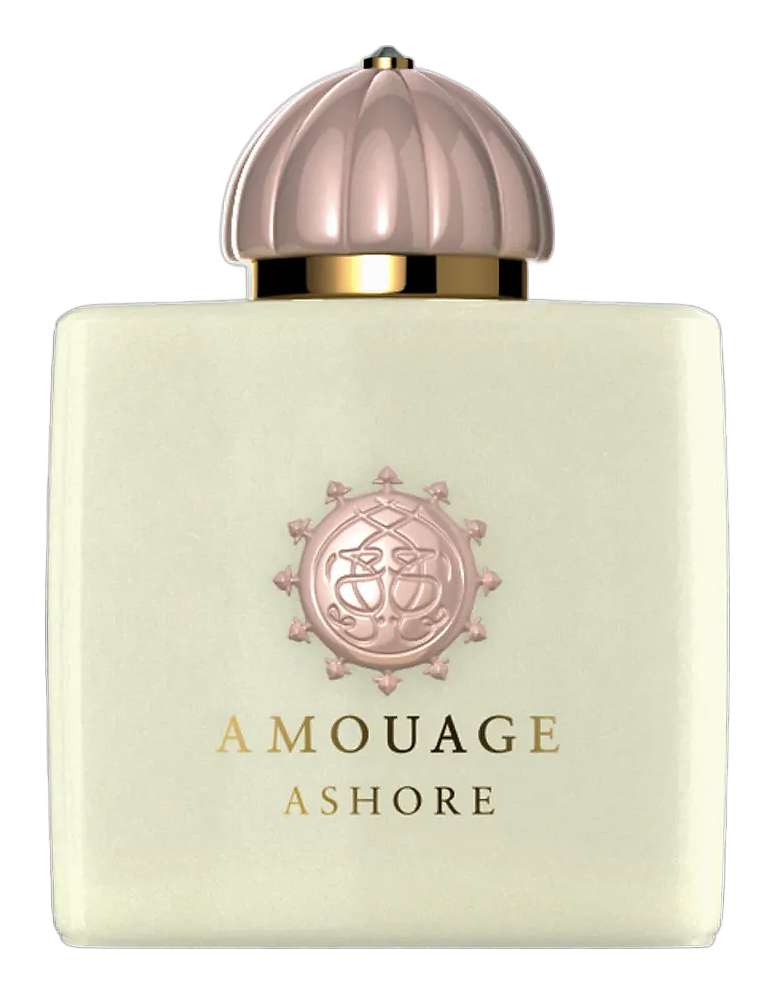
Fragrances featuring Solar Notes
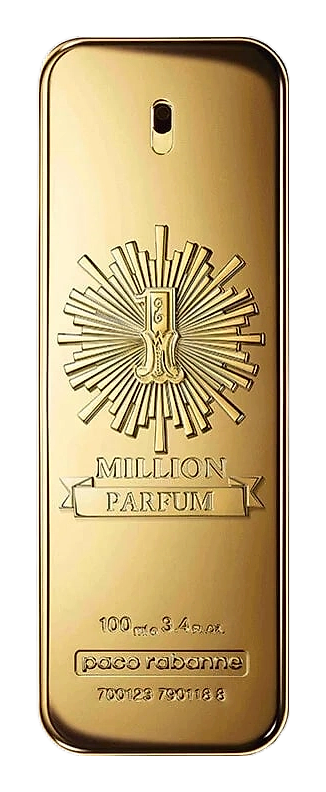

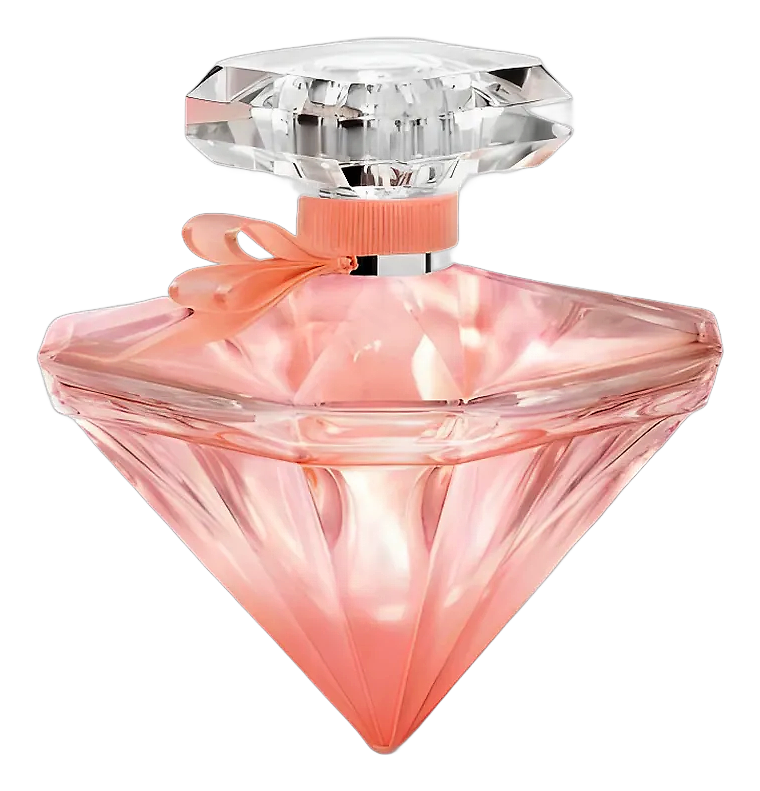

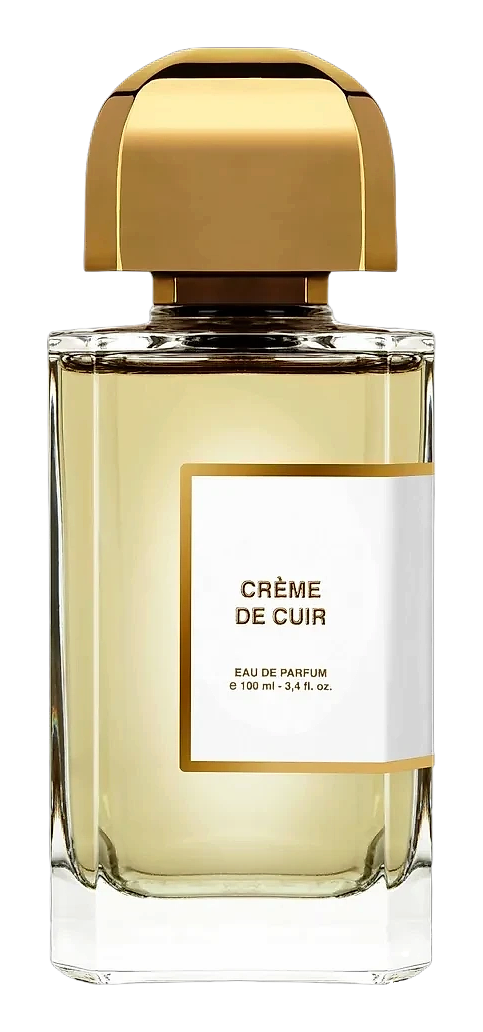
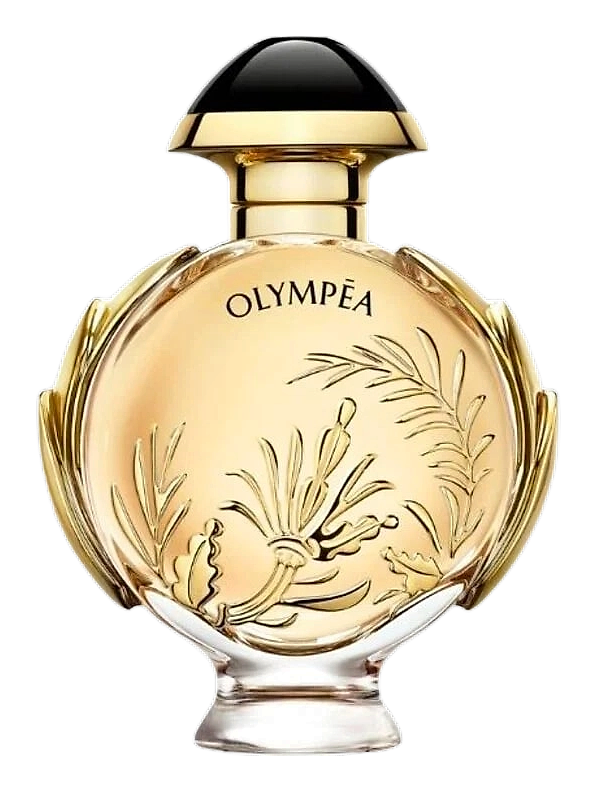


Brands
Brands known for Solar Notes
Good to know
Questions, answered
The essentials on Solar Notes in perfumery: how it smells, where it comes from, and how it behaves on skin.
What does Solar Notes smell like in perfume?
Solar notes smell like warm, sun-kissed skin with creamy coconut warmth, golden radiance, and a skin-enhancing quality. The effect combines lactonic richness with soft musky warmth to evoke the sensation of standing in sunlight.
Why is Solar Notes used in perfumery?
Solar notes are used to add warmth, radiance, and a skin-like quality that makes fragrances feel more intimate and alive. They function as heart-to-base elements in approximately 40% of modern women's fragrances.
Is Solar Notes in perfume natural or synthetic?
Solar notes are predominantly synthetic, built from manufactured lactones and salicylates. Key materials like gamma-nonalactone and benzyl salicylate are created through chemical synthesis, though Monoi components may be natural.
What famous perfumes contain Solar Notes?
Several iconic fragrances feature solar accords including Thierry Mugler Alien, Narciso Rodriguez For Her, and Byredo G Water. The category originated with L'Oréal Ambre Solaire in 1936.
Is Solar Notes a top note, heart note, or base note?
Solar notes function primarily as heart-to-base accords, providing warm, lingering radiance throughout the fragrance's final hours. Their skin-enhancing effect develops fully as top notes fade.
What notes pair well with Solar Notes in perfume?
Solar notes pair excellently with white florals like jasmine and tuberose, citrus fruits such as bergamot and mandarin, warm musks, and coconut. They also complement amber and soft woody notes beautifully.
Where does Solar Notes come from?
Solar notes originate from multiple tropical and Mediterranean regions. Coconut and Monoi come from Southeast Asia and French Polynesia, while key citrus components like bergamot are sourced from Southern Italy's Calabria region.
Is Solar Notes used in men's or women's fragrances?
Solar notes appear across genders but feature most prominently in women's fragrances, particularly in about 35-40% of modern women's perfumes. They also appear in unisex and some men's fragrances for their warm, inviting quality.