Champagne
Champagne in perfumery is a sparkling, celebratory accord that captures the effervescent essence of the famous French sparkling wine. It combines citrus, white florals, and subtle warmth to evoke luxury and festivity. The accord emerged in the 1990s and draws from the aromatic profile of Chardonnay, Pinot Noir, and Pinot Meunier grapes.
Character
How it smells
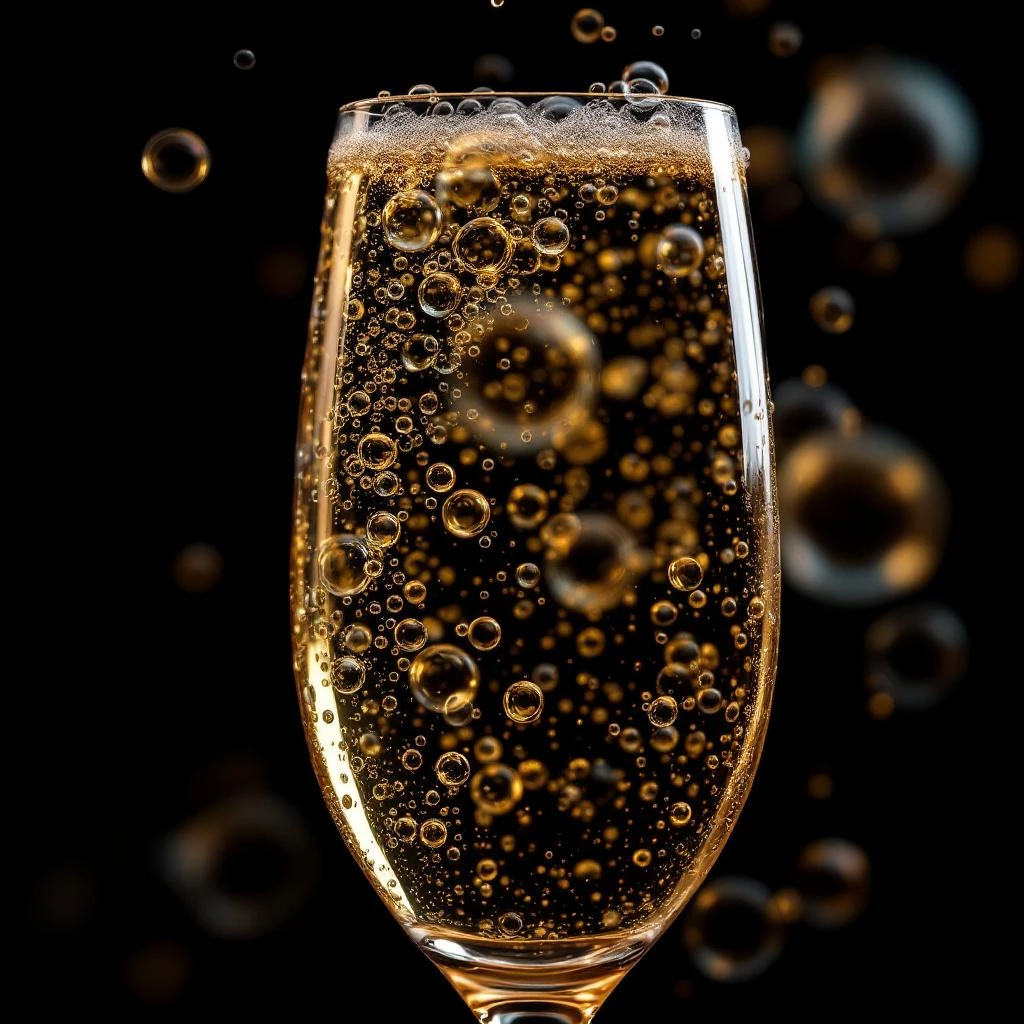
The effervescent spirit of celebration captured in scent.
The bubbles that define champagne were once considered a winemaking flaw before the 17th century.








Origin
France
The story of champagne fragrance begins with the story of champagne itself, which originates from northeastern France where Romans planted the first vineyards in the 5th century. The sparkling version that we recognize today emerged accidentally during the 17th century when cold winters halted fermentation, leaving dormant yeasts that resumed fermenting in spring and trapped carbon dioxide inside bottles. The resulting pressure often caused bottles to explode in cellars.
Benedictine monk Dom Pérignon later mastered controlled bottle fermentation and improved grape blending, earning legendary status as champagne's creator despite actually trying to eliminate the bubbles. The British developed a taste for sparkling champagne when French clients preferred still wines, and by the 19th century advances by houses like Veuve Clicquot made large scale production profitable. Champagne became associated with royalty, celebration, and luxury across Europe.
When perfumers began creating champagne accords in the 1990s, they were drawing on centuries of cultural symbolism where champagne represents not just a drink but an emotional experience of joy and refinement. The protected appellation ensures that only wine from this specific region can bear the champagne name, a distinction that fragrance perfumers honor by treating their accords with equivalent care and precision.
Wears it best
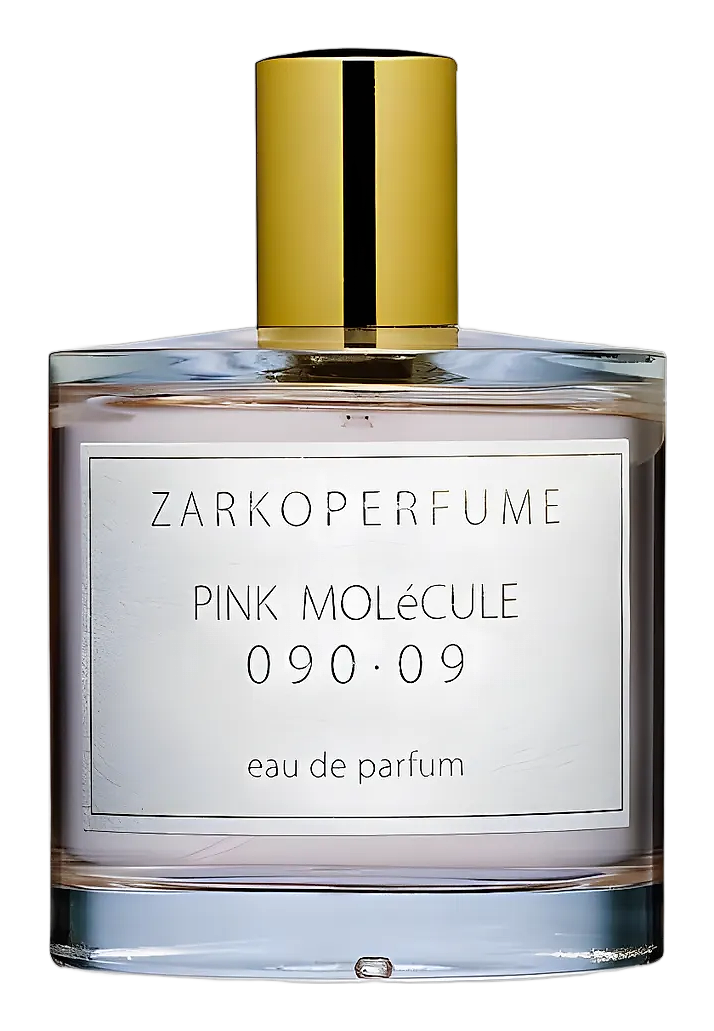
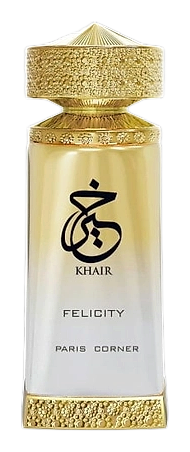
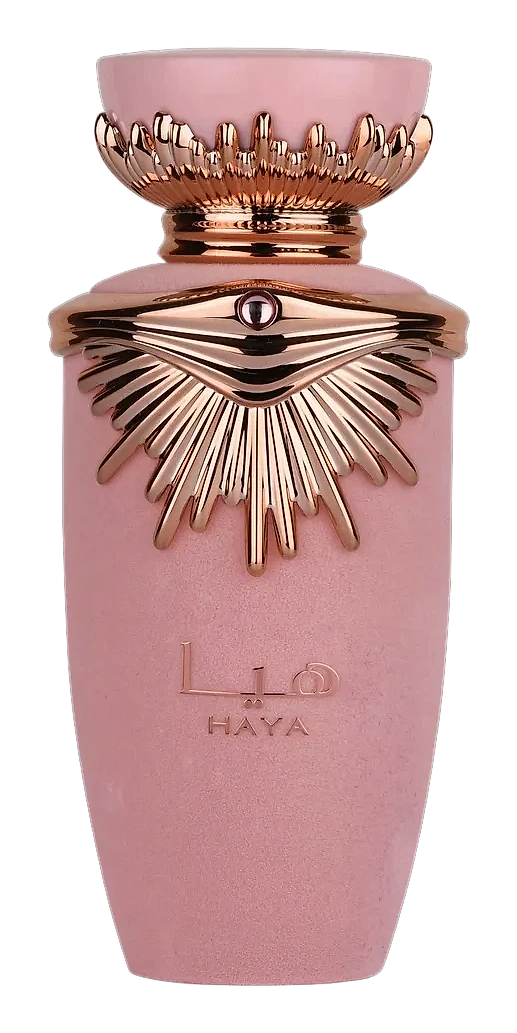
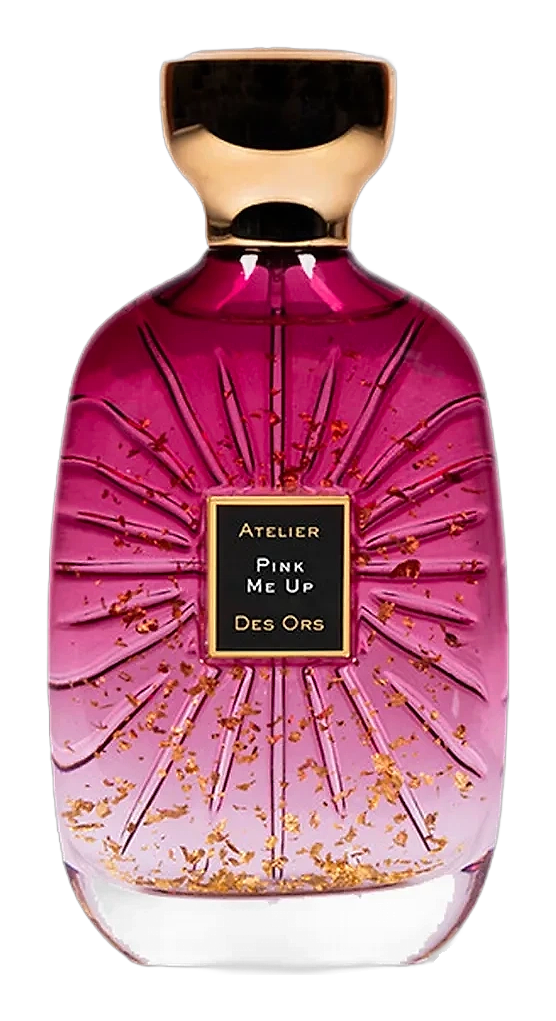
Fragrances featuring Champagne


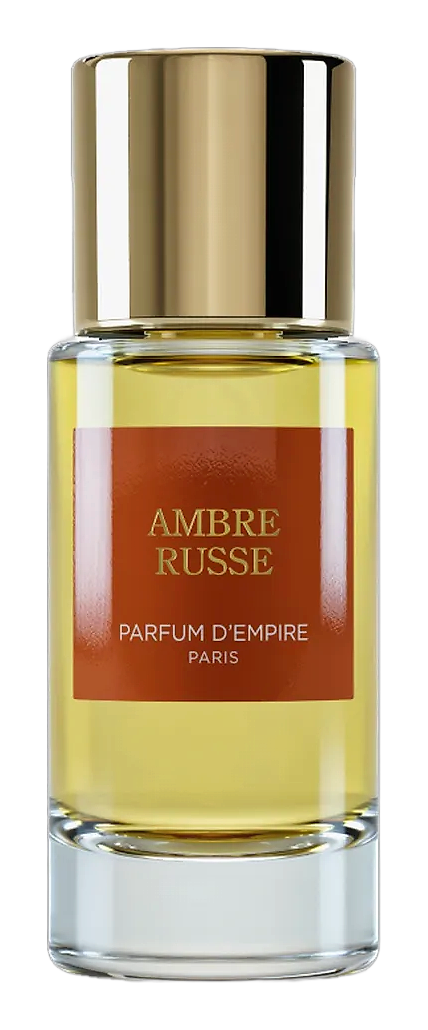
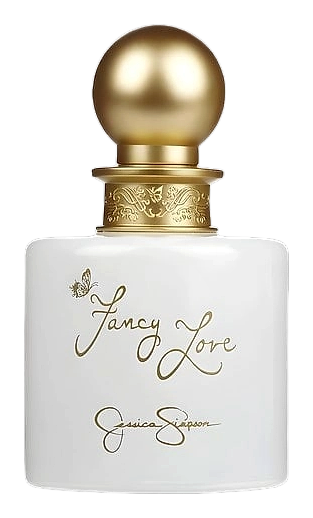
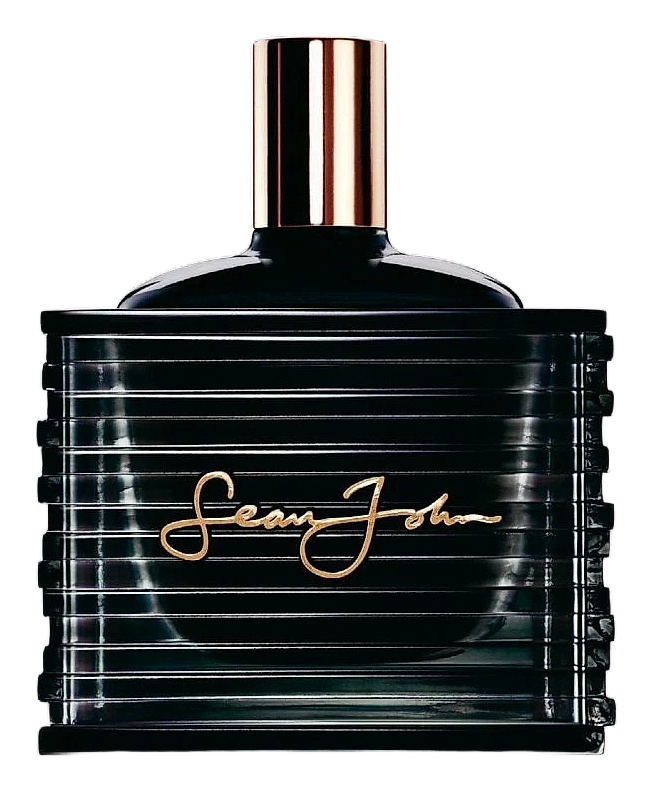

Brands
Brands known for Champagne
Good to know
Questions, answered
The essentials on Champagne in perfumery: how it smells, where it comes from, and how it behaves on skin.
What does Champagne smell like in perfume?
Champagne in perfume smells effervescent, bright, and celebratory. The accord combines citrus sparkle with crisp green notes, ripe orchard fruits like apple and pear, and a subtle creamy floral undertone. Aldehydes provide the signature lifting sparkle while fruit esters contribute youthful brightness. The overall impression evokes opening a fresh bottle with its burst of aromatic freshness.
Why is Champagne used in perfumery?
Champagne appeals to perfumers because it symbolizes celebration and optimism. The accord creates an immediate impression of joy and festivity through its sparkling quality. Over 70 percent of luxury fragrances launched in the 2000s incorporated celebratory themes, driving the popularity of champagne and similar effervescent accords.
Is Champagne in perfume natural or synthetic?
Champagne is always synthetic in perfumery since natural champagne cannot be extracted. The volatile aromatic compounds responsible for wine's scent are lost during fermentation and alcohol evaporation. Perfumers reconstruct the champagne experience using synthetic aroma chemicals and aromatic materials that capture fruity, floral, and sparkling characteristics of the wine.
What famous perfumes contain Champagne?
Several notable fragrances feature champagne accords. Thierry Mugler's Angel (1992) pioneered the edible, celebratory fragrance trend. Escada's Paradise (1999) explicitly marketed its champagne-inspired top notes. More recent releases include Kenzo Flower and various perfumes by Dior featuring effervescent fruity compositions inspired by champagne's sparkling character.
Is Champagne a top note, heart note, or base note?
Champagne functions primarily as a top note due to its volatile aromatic compounds. The aldehydes and citrus elements that create the sparkling effect evaporate within the first 15 to 30 minutes of application. Some perfumers embed champagne elements throughout fragrance development to maintain subtle effervescence across the scent's evolution.
What notes pair well with Champagne in perfume?
Champagne pairs excellently with romantic florals like rose and lychee that enhance its celebratory character. Warm materials such as vanilla, tonka bean, and benzoin add depth and roundness. Berry and tropical fruit notes amplify the fruity aspect while amber and musk create a sophisticated base that extends the sparkling opening.
Where does Champagne come from?
Champagne originates from the Champagne region in northeastern France, where wine production dates to the 5th century Roman settlement. The first Champagne house was founded in 1729. The region's chalky limestone soil andnorthern climate create ideal conditions for producing base wines that become champagne through secondary fermentation.
Is Champagne used in men's or women's fragrances?
Champagne accord appears across gender categories in contemporary perfumery. While originally featured in feminine fragrances during the 1990s, perfumers now incorporate champagne notes into men's and unisex compositions. The sparkling, sophisticated character appeals broadly, appearing in aromatic fougeres, chypres, and modern woody fragrances for all genders.





