Motor Oil
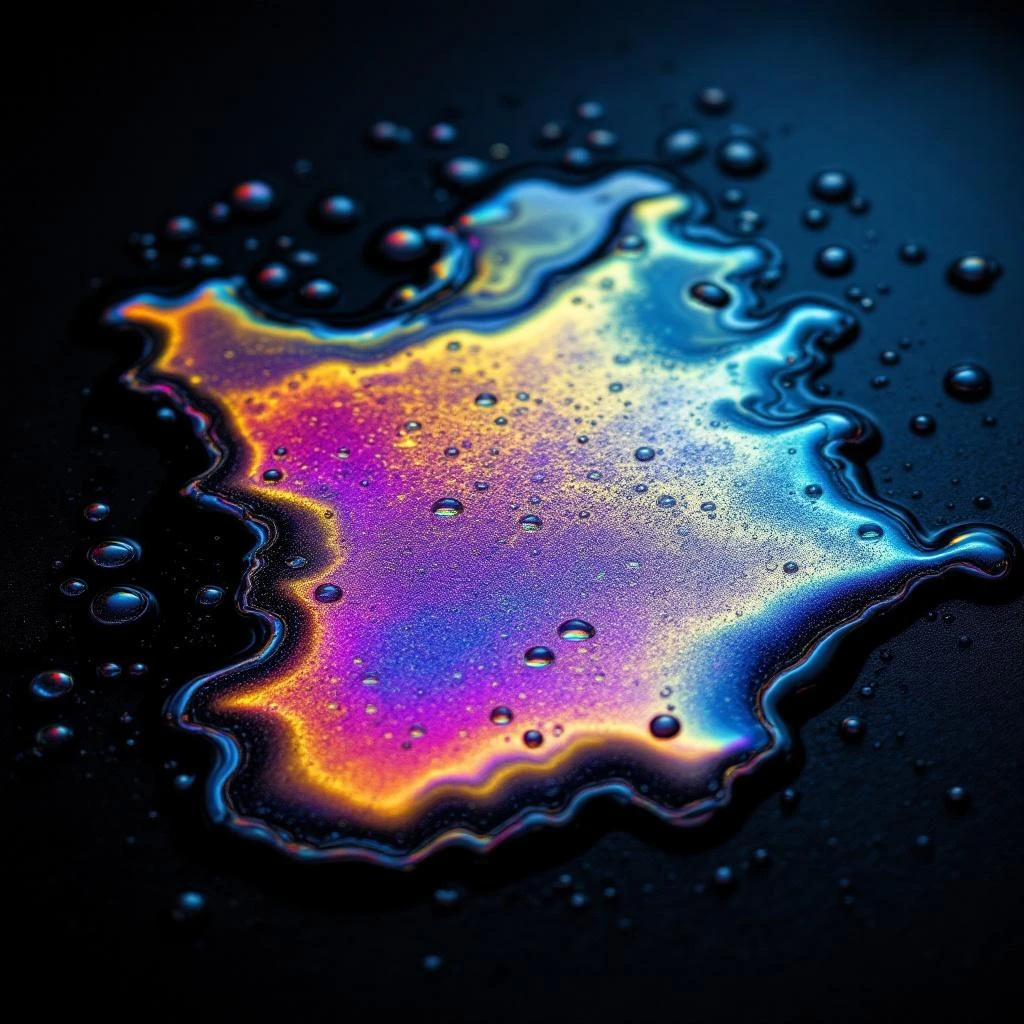
A deliberately industrial aroma that captures the raw, petroleum-dense character of machinery. Synthetic molecules recreate the complex hydrocarbon signature that fragrance designers use to anchor urban and utilitarian scent profiles.
Character
How it smells
Petroleum in a bottle.
Some perfumers add trace amounts of actual motor oil to fragrance bases to achieve an authentically greasy texture that cannot be replicated by synthetic aromatic molecules alone.





Origin
United States
The use of industrial materials in perfumery emerged in the late twentieth century as designers began challenging what fragrance could represent. While traditional perfumery had always drawn from nature, the post-industrial era introduced materials that documented human labor and urban environments. Motor oil notes appeared as perfumers sought to create scents that felt authentically contemporary, moving away from romantic florals toward materials that reflected modern life.
Workwear-inspired fragrances in the 1980s and 1990s first explored these industrial territories, using hydrocarbon materials to evoke mechanics, factories, and urban environments. The concept proved controversial yet enduring. Today, motor oil notes serve a specific purpose in masculine and utilitarian fragrances, representing authenticity and occupational pride.
The material connects fragrance to real-world experience, allowing wearers to carry scents that document the environments they inhabit rather than escaping to idealized nature.
Wears it best
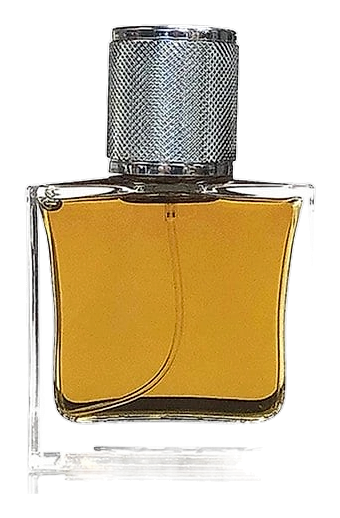
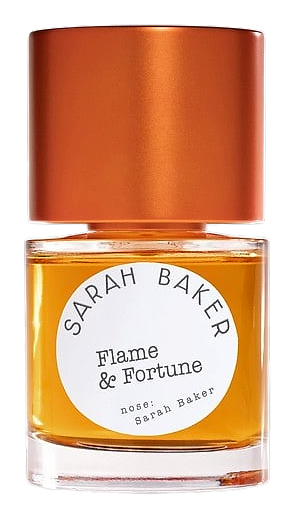
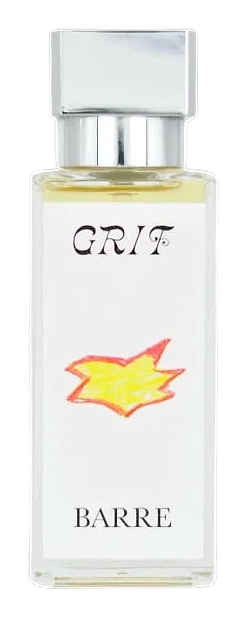
Fragrances featuring Motor Oil
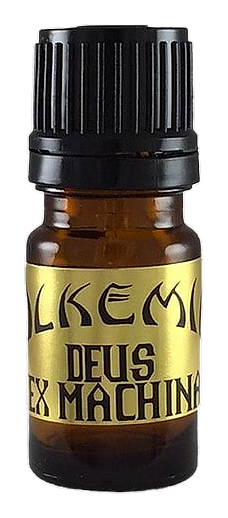
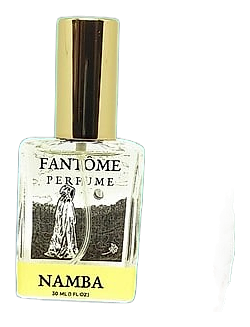
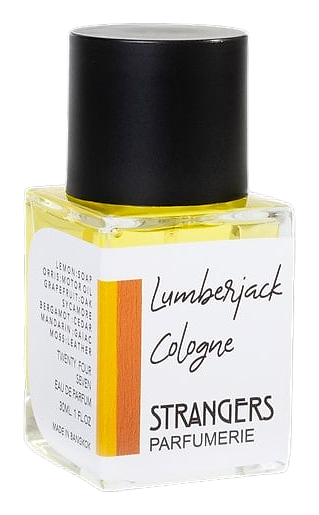
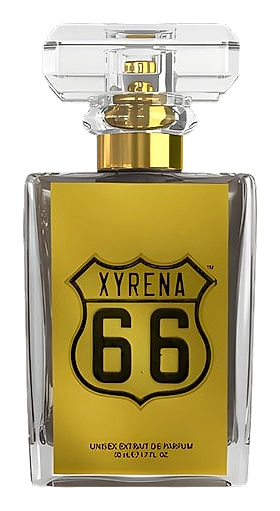
Brands
Brands known for Motor Oil
Good to know
Questions, answered
The essentials on Motor Oil in perfumery: how it smells, where it comes from, and how it behaves on skin.
What is motor oil note in perfumery?
Motor oil note is a synthetic aromatic material that mimics the dense, petroleum character of industrial lubricants. Perfumers use hydrocarbon-like molecules to create an intentionally raw, utilitarian scent profile.
Is actual motor oil used in fragrances?
Most motor oil notes come from synthetic aromatic molecules rather than actual oil. Some artisan perfumers occasionally use trace amounts of real oil to achieve an authentically greasy texture that pure synthetics cannot replicate.
What does motor oil note smell like?
It presents as a heavy hydrocarbon signature with petroleum sharpness, metallic undertones, and an oily depth that evokes machinery and industrial environments. The scent is deliberately raw and utilitarian.
Why do perfumers use industrial notes?
Industrial notes like motor oil represent authenticity and modernity in perfumery. They document urban environments and occupational experiences rather than romanticizing nature, appealing to consumers seeking contemporary scent narratives.
What fragrances use motor oil notes?
Motor oil notes appear in masculine, workwear-inspired, and utilitarian fragrances. Designers use them to anchor scents that evoke mechanics, urban environments, and labor rather than traditional romantic or natural themes.
When did industrial notes enter perfumery?
Industrial aromatic materials emerged in the late twentieth century, with motor oil-like notes appearing primarily in workwear-inspired fragrances of the 1980s and 1990s as designers challenged traditional scent categories.
Are motor oil fragrance materials safe?
Synthetic aromatic materials used for motor oil notes undergo safety evaluation by IFRA and are approved for cosmetic use when formulated within recommended guidelines. Actual motor oil is never used directly in consumer fragrances.
What molecular compounds create motor oil scent?
Fragrance chemists synthesize hydrocarbon-like aromatic compounds, often using petrochemical derivatives like aromatic solvents and aliphatic hydrocarbons with molecular weights similar to authentic motor oil.