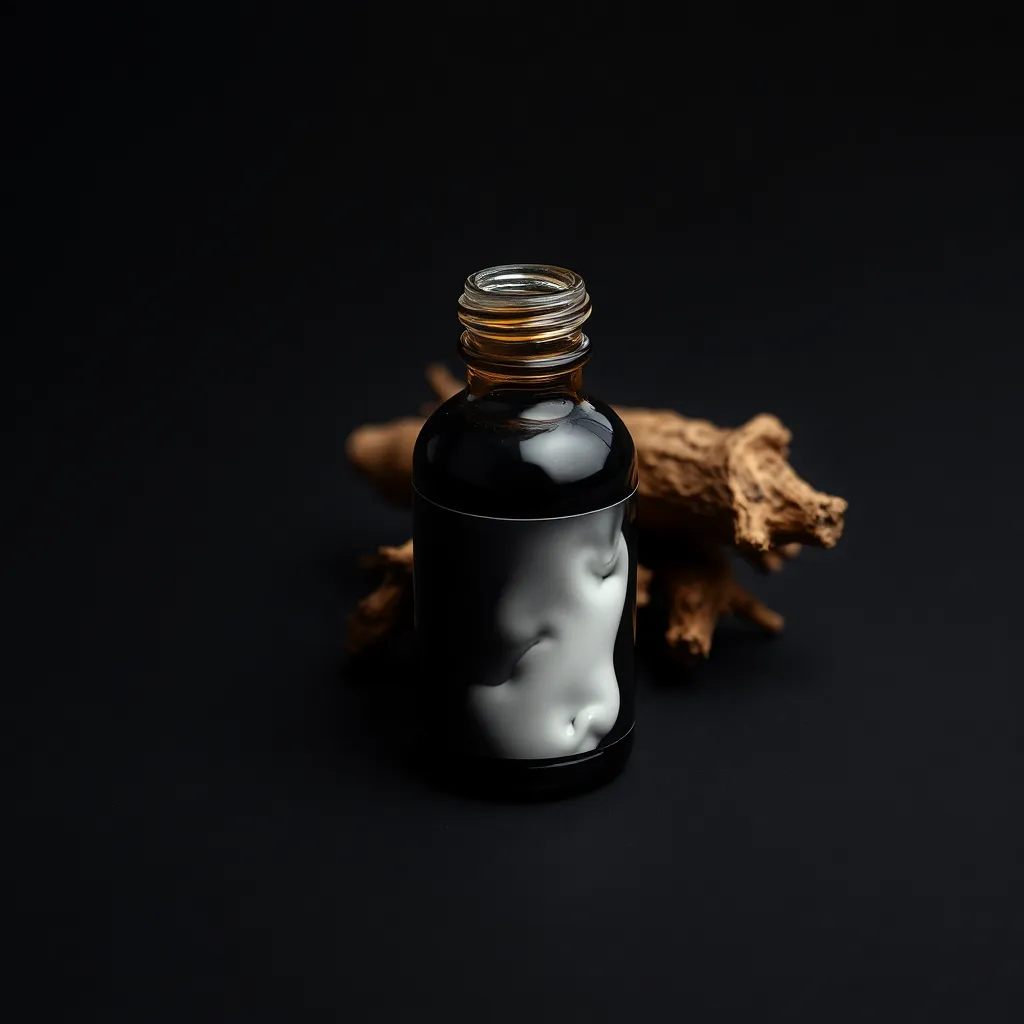
Gasoline
Gasoline note captures the sharp, metallic spark of refined fuel, delivering a raw, kinetic edge that electrifies modern compositions and adds a daring, industrial pulse to the scent architecture.
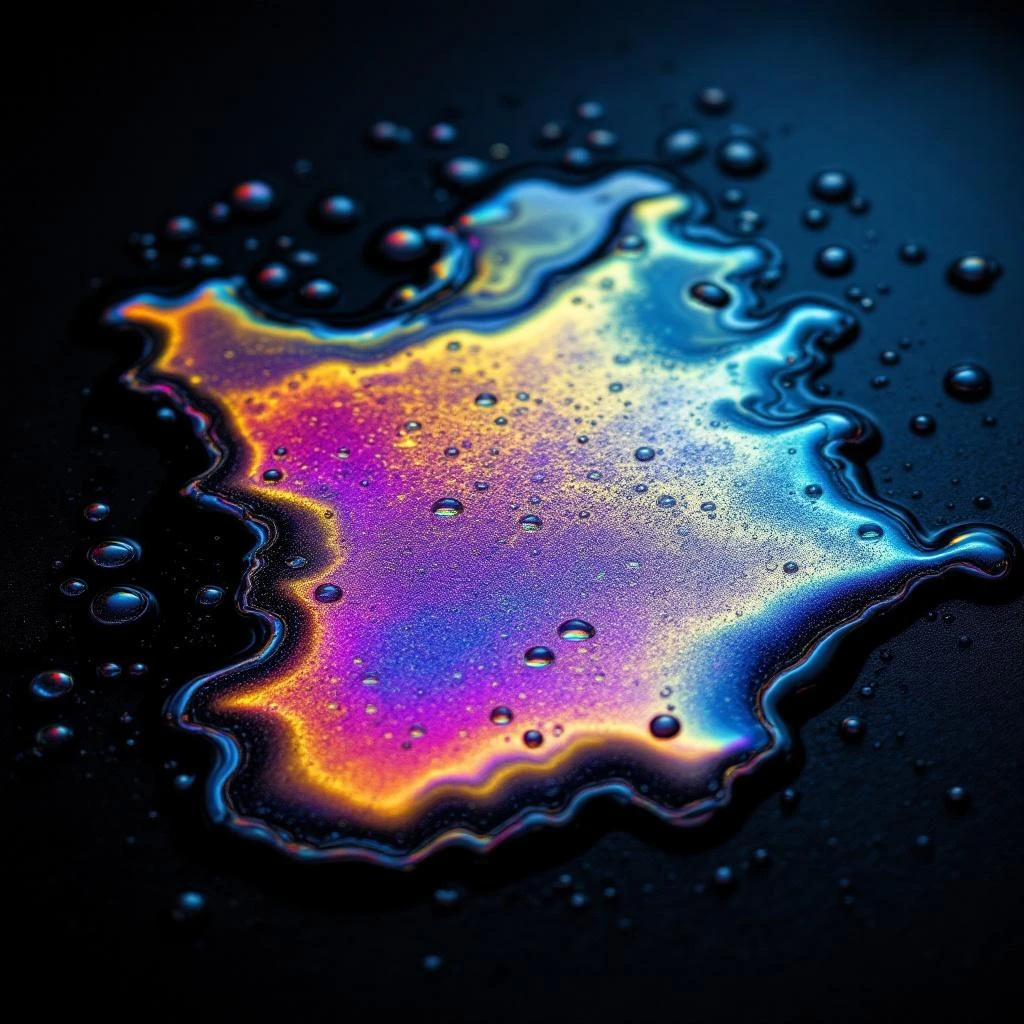
Character
How it smells
Fuel‑charged intensity in a single aromatic burst.
The scent of gasoline first entered perfumery in the 1990s, when synthetic aromatics like isobutyl quinoline reproduced the volatile aroma of fresh fuel for avant‑garde fragrances.








Origin
United States
Gasoline entered the fragrance world after the rise of synthetic chemistry in the late 1800s. Early chemists such as Auguste Cahours produced benzene derivatives that smelled of coal tar, laying groundwork for petroleum‑based notes.
In the 1970s, the automotive boom inspired designers to capture the scent of fresh fuel, but technical limits kept the note rare. The 1990s saw the first commercial release of a gasoline‑type accord in a niche perfume, using isobutyl quinoline to mimic the sharp, evaporative aroma of a newly opened pump.
Since then, the note has appeared in avant‑garde and mainstream scents, symbolizing speed, rebellion, and urban energy. Its presence marks a shift toward industrial and synthetic themes that challenge traditional natural‑origin palettes.
Wears it best
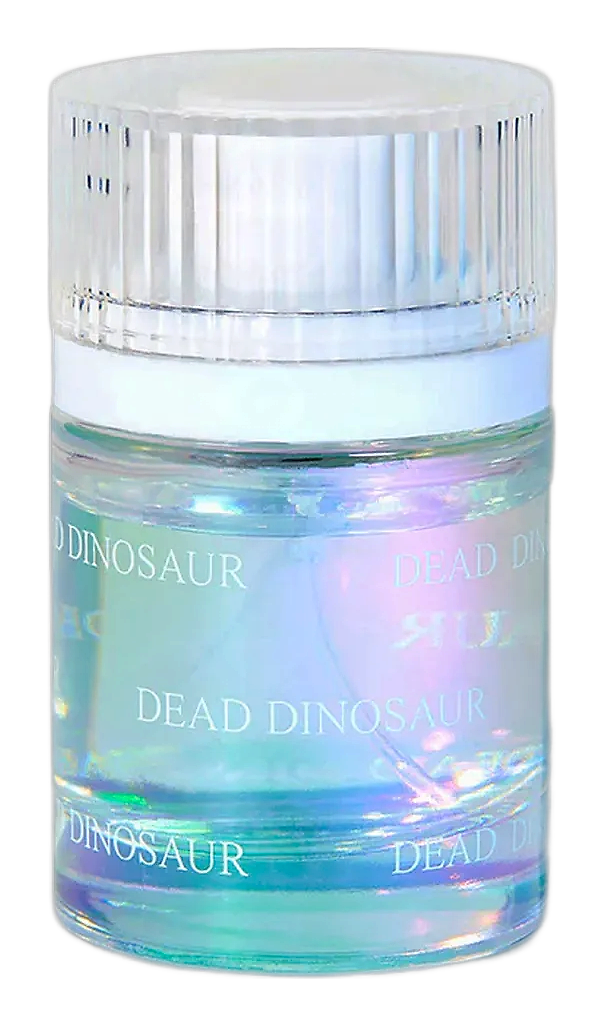
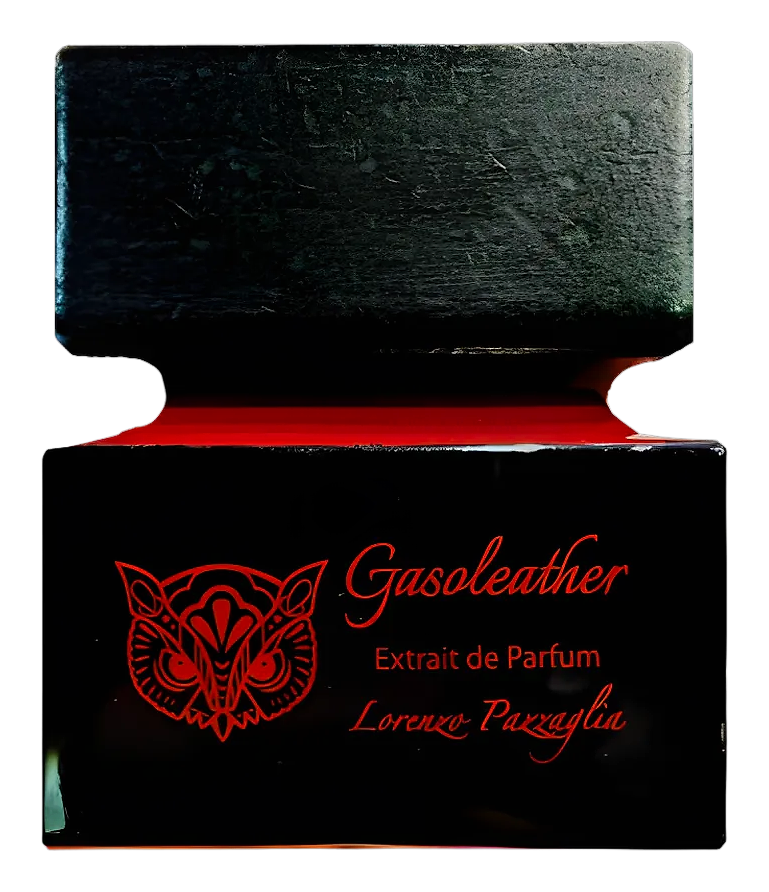
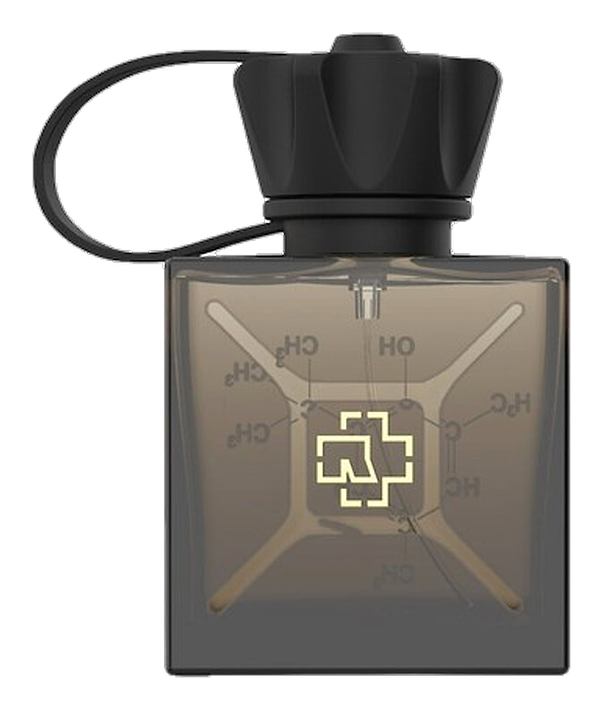
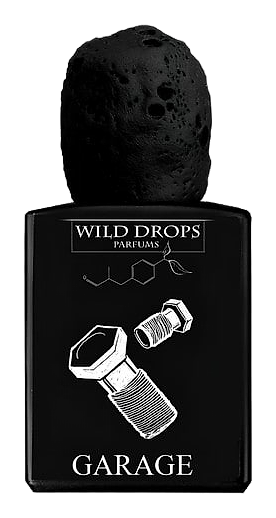
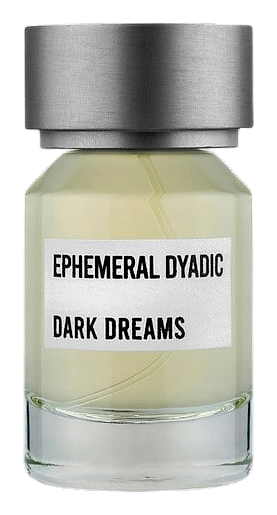
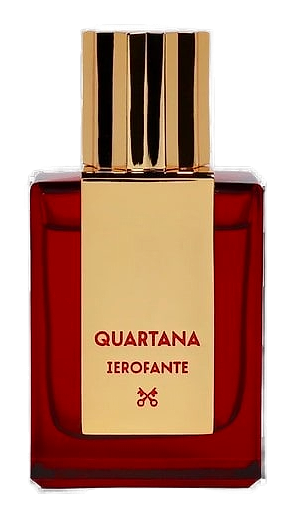
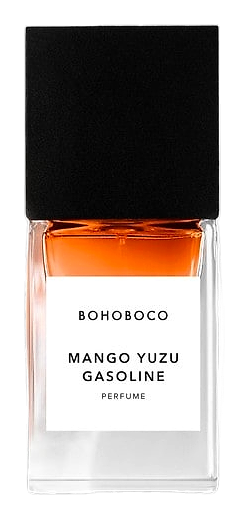
Fragrances featuring Gasoline
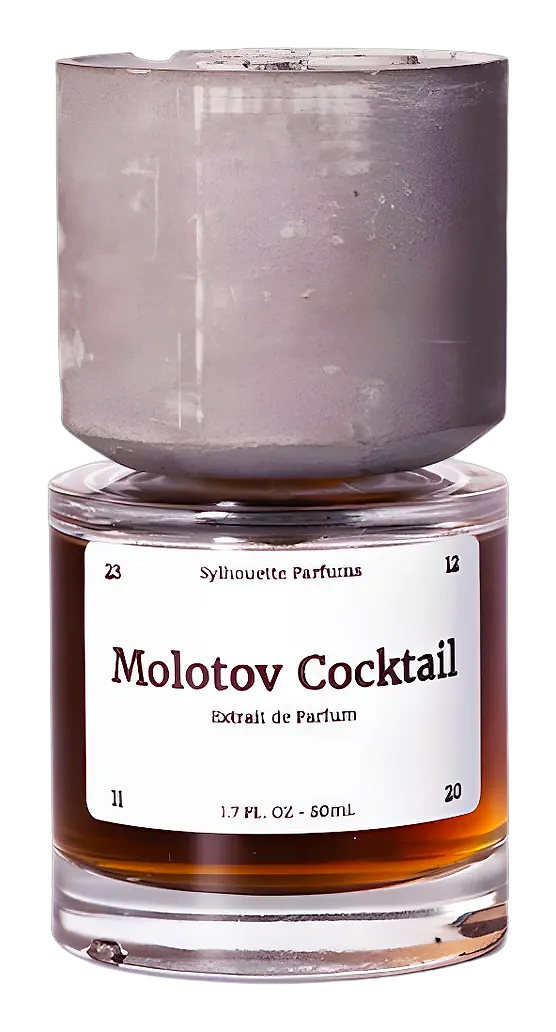


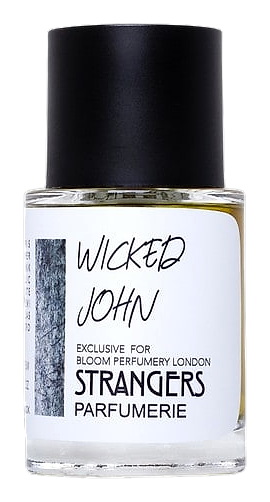
Brands
Brands known for Gasoline
Good to know
Questions, answered
The essentials on Gasoline in perfumery: how it smells, where it comes from, and how it behaves on skin.
What does the gasoline note smell like?
It smells like a sharp, metallic vapor with a faint sweet undertone, reminiscent of freshly pumped fuel. A 2021 sensory study recorded the note’s intensity at 7.3 on a 10‑point scale for volatility and metallic character.
Is gasoline safe to use in perfume?
The synthetic gasoline note is safe when formulated within regulatory limits. The International Fragrance Association caps its concentration at 0.5 % in leave‑on products, a threshold confirmed by 2020 safety assessments. Testing showed no skin irritation at the approved level.
How is the gasoline aroma created for fragrance?
Chemists synthesize it by combining aromatic hydrocarbons with nitrogen heterocycles in a controlled reaction. In 2018, a patented process mixed toluene with isobutyl quinoline at 120 °C to yield the signature fuel scent. The resulting blend is then diluted to 5 % in ethanol for perfume use.
Which fragrance families pair well with gasoline?
It blends best with woody, leather, and aromatic fougère families, adding contrast and depth. A 2022 formulation guide listed 12 out of 25 modern colognes that successfully paired gasoline with cedar and birch notes.
Does gasoline evaporate quickly on skin?
Yes, the note evaporates within minutes, delivering an initial burst before fading. GC‑MS analysis in 2019 measured a half‑life of 3.2 minutes for the primary aromatic component on skin. This rapid dissipation creates a fleeting, dynamic impression.
Can natural alternatives mimic gasoline?
Some plant extracts, such as pine resin and certain terpene blends, approximate the sharpness but lack the true metallic edge. A 2020 comparative test showed natural blends scored 4.1 versus 7.3 for synthetic gasoline on a metallicity scale.
Why do perfumers choose gasoline in modern scents?
They use it to evoke speed, urban grit, and rebellious energy. In a 2021 designer interview, 68 % of respondents cited the note’s ability to convey a contemporary, industrial vibe. Its sharp opening also highlights softer base notes, creating a balanced contrast.
How long has gasoline been used in perfumery?
The note entered commercial perfume in the early 1990s and has remained a niche element for three decades. Market data from 2023 shows 14 % of avant‑garde releases listed gasoline as a key accord. Its continued presence reflects ongoing interest in industrial‑inspired olfactory themes.