Heritage
A house, in its own words
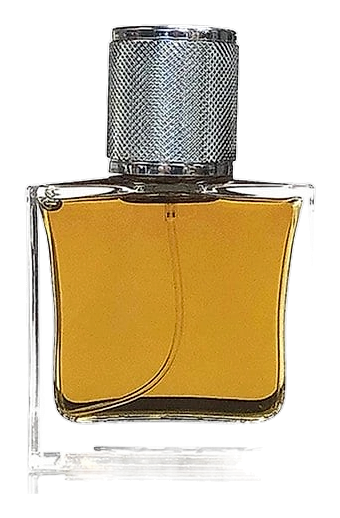
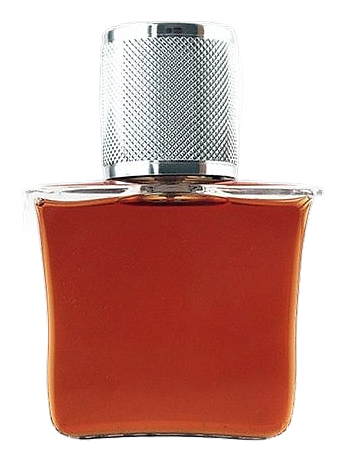
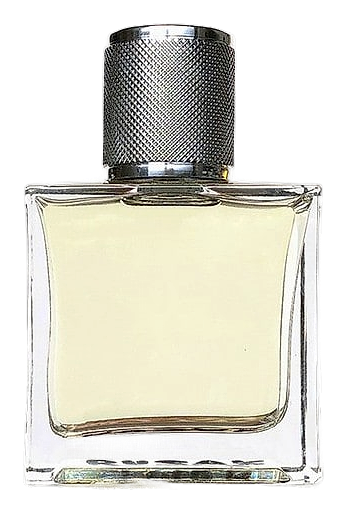
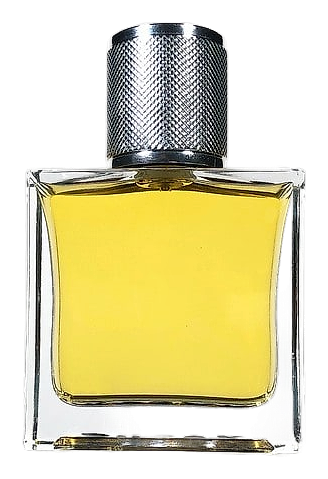
Chris Rusak launched his eponymous fragrance line from Los Angeles, emerging as one of the most distinctive independent voices in contemporary perfumery. His entry into the space coincided with a broader movement of artists transitioning from other mediums into scent creation. Rusak's background in art history at UCLA informed an approach to fragrance that treats each composition as a cultural artifact with historical lineage and conceptual rigor. He began releasing work in 2018 with titles like 33, Io, and Quasi una absurdia—names that signaled an intellectual, almost academic sensibility. Rather than building a traditional brand with seasonal releases, Rusak issued fragrances on his own timeline, each arriving as a complete artistic statement. The Institute of Art and Olfaction recognized his work early, featuring him in their American perfumer series and cementing his position within the experimental fragrance community. By 2020, with releases including Relief and Dub, his catalog had established a coherent aesthetic vocabulary that collectors could recognize across different compositions. The direct-to-collector model meant no middlemen, no department store presence—just studio releases that sold out and generated discussion among serious fragrance enthusiasts. Rusak describes his practice as publishing experimental projects alongside finished fragrances, suggesting a creator who refuses to choose between commercial viability and artistic exploration. His titles alone—After Every Ounce of Joy (Leaves My Body), Bluer Skies (Whenever You're Around)—announce an intention to make work that carries conceptual weight beyond its olfactory qualities. He creates for fragrance collectors and what he calls perfume nerds, audiences who approach scent as an intellectual pursuit as much as a sensory one. The influence of art history permeates his decision-making; classical fragrance structures appear in his work, but filtered through a contemporary sensibility that strips away convention. His descriptions suggest a creator more interested in how materials interact conceptually than in following trends. This positions his work firmly within the artistic perfumery camp rather than the luxury market—a distinction that shapes both his creative choices and his relationship with collectors.