The Story
Why it exists.
The beginning
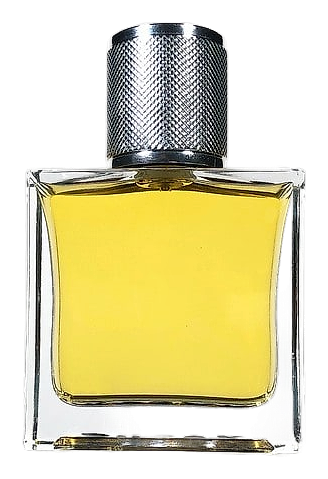
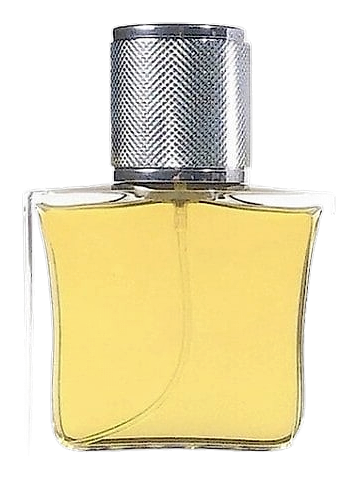
Chris Rusak built Resonance as a remix, taking the DNA of two earlier fragrances, Io and Timbre, and finding what they had in common. In music, a remix doesn't just replay a song. It excavates something new from familiar material. The same logic applies here. Rusak asked: what if the building blocks of both compositions were stripped down and rebuilt into something that stood on its own? The result is a fragrance that shares ancestry with its predecessors but belongs entirely to itself. Only 125 bottles were made.
The unusual concentration (67% natural ingredients in an extrait format) puts Resonance in a category the brand describes as 'hard to categorize neatly', not quite vintage cologne, not quite modern EDP. The composition leans heavily into conifer materials: pine, cypress, juniper as a structural backbone. But the opening upends expectations entirely. Yuzu and dried mandarin zest arrive first, cut against galbanum's sharp, green intensity. The effect is super-saturated, almost sour. Then the incense settles in. Olibanum and myrrh create a smoky, balsamic warmth that wraps around the conifer base without drowning it.
The evolution
The opening hits hard. Yuzu zest, dried mandarin, and galbanum create a sour-bright collision that demands attention. Thirty minutes in, the citrus retreats and the incense takes over, olibanum and myrrh dense and smoky, the peaty earthiness grounding everything. This middle phase lasts the longest, a slow burn of conifer woods and balsamic resin that holds for hours on most skin types. By the drydown, the pyrotechnics settle. What's left is sun-baked pine and cypress, a trace of camphor, and that slightly sweaty, mellowed-out trailhead quality the brand describes. Still detectable the next morning, but only if you're looking.
Cultural impact
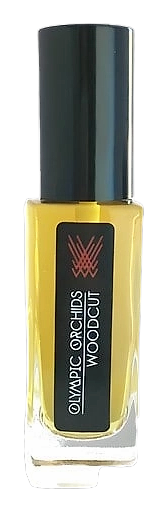
With only 125 bottles produced, Resonance has become a collector's object, sought by fragrance enthusiasts who track Rusak's conceptual releases and the broader movement of artists transitioning into scent. It sits alongside other artist-perfumers like Olympic Orchids (Woodcut) as work that appeals to the collector who approaches fragrance the way they'd acquire art: as something worth owning because it stays with you.