Rubber
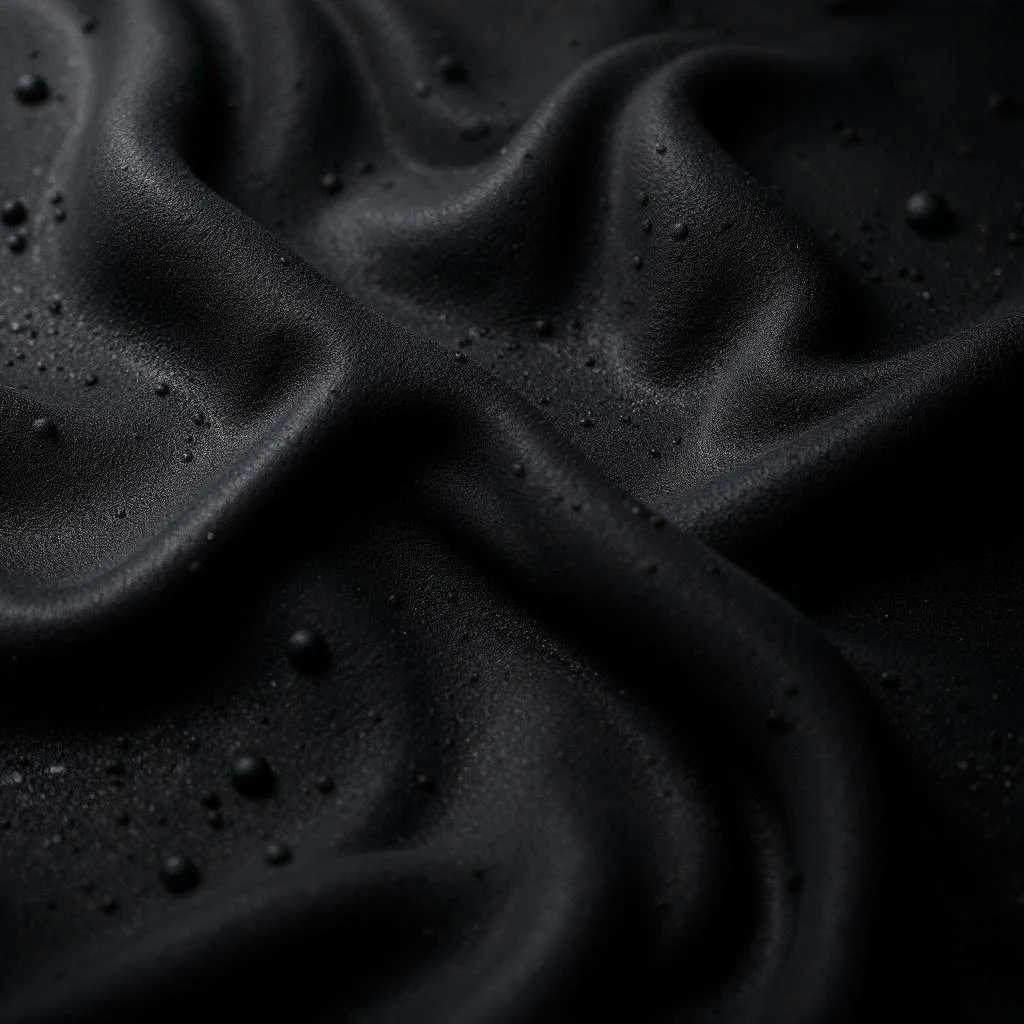
The rubber note captures the scent of vulcanized rubber, that unmistakable aroma of fresh tires, inner tubes, and new car interiors. In perfumery, this industrial-glamorous accord bridges the gap between raw material and refined luxury, adding unexpected edge to fragrances that dare to be different.
Character
How it smells
Bold, industrial, and unapologetically modern.
The "new car smell" millions associate with fresh purchases is largely a rubber accord created by synthetic fragrance compounds that mimic vulcanized rubber.







Origin
United States
Natural rubber has ancient roots. Mesoamerican cultures, including the Maya, harvested latex from the rubber tree (Hevea brasiliensis) as early as 1600 BCE, using it for waterproof footwear and ceremonial ball games.
When European explorers encountered the material, they called it "caoutchouc" from indigenous words meaning "weeping wood." Industrial-scale rubber production transformed in 1839 when Charles Goodyear accidentally discovered vulcanization, the process of heating rubber with sulfur that makes it durable and elastic.
That vulcanized rubber smell became intrinsically linked to the machine age. Perfumers incorporated rubber-style accords into compositions from the early 20th century onward, using the note to anchor themes of machinery, modernity, and urban grit.
Wears it best
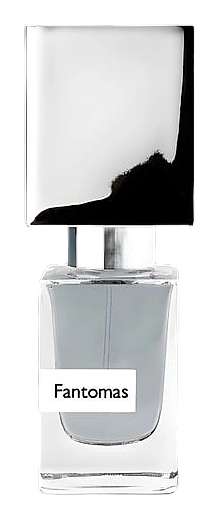
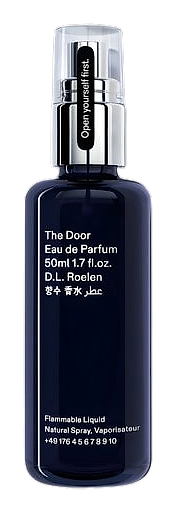
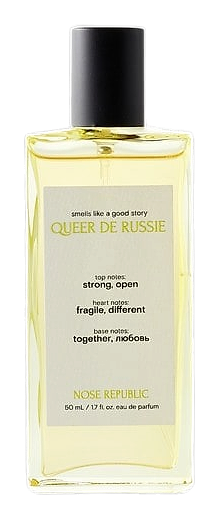
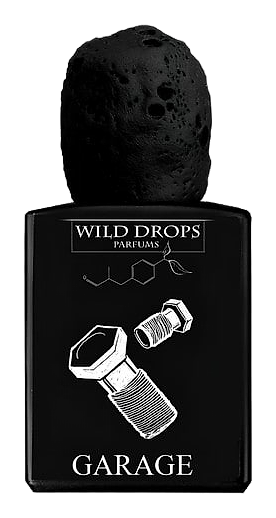
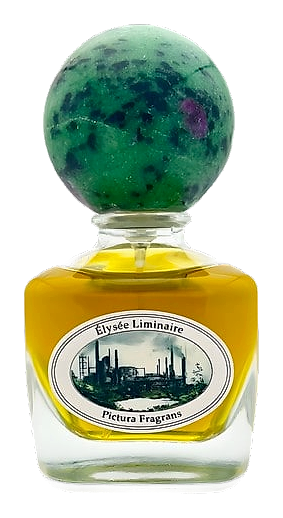
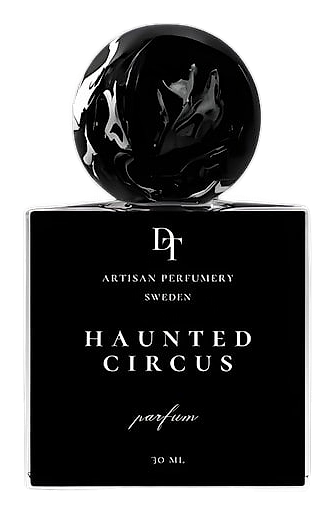
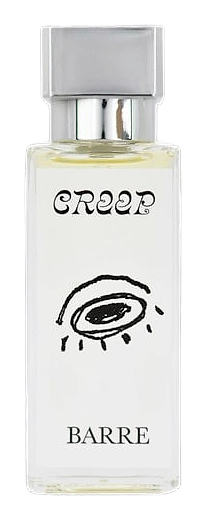
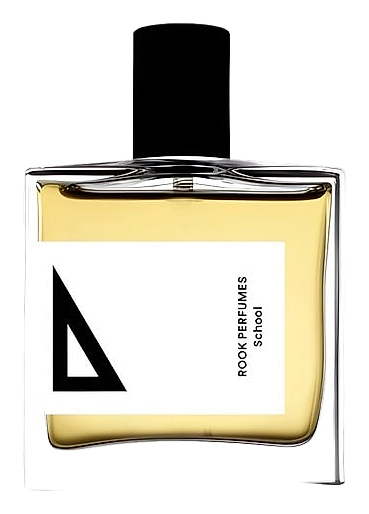
Fragrances featuring Rubber
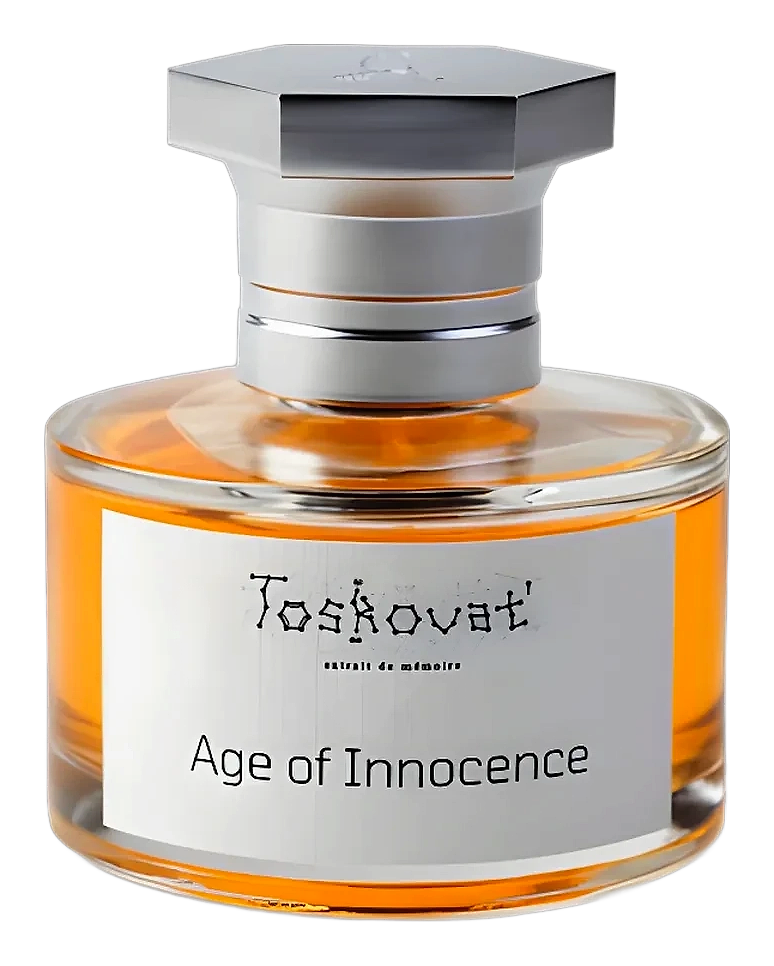
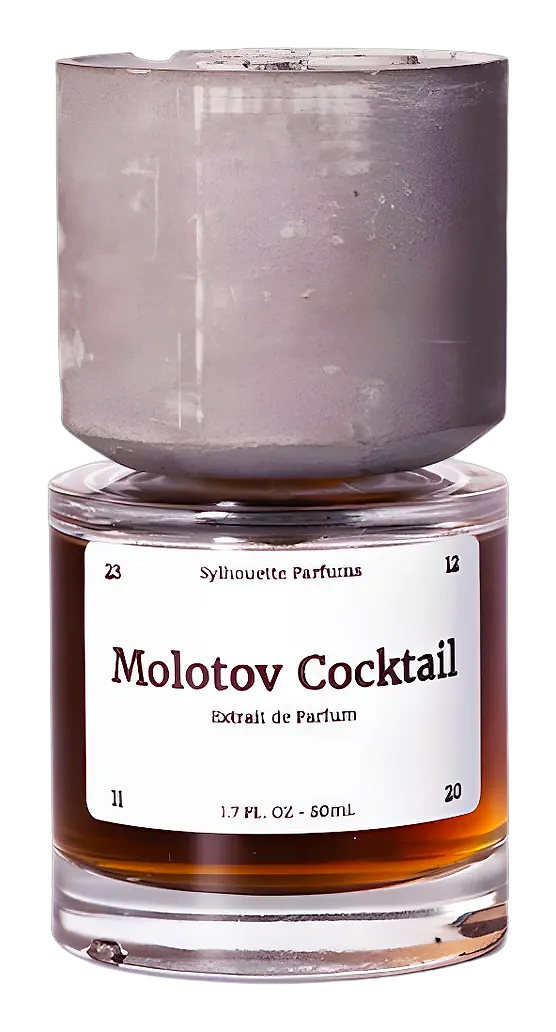
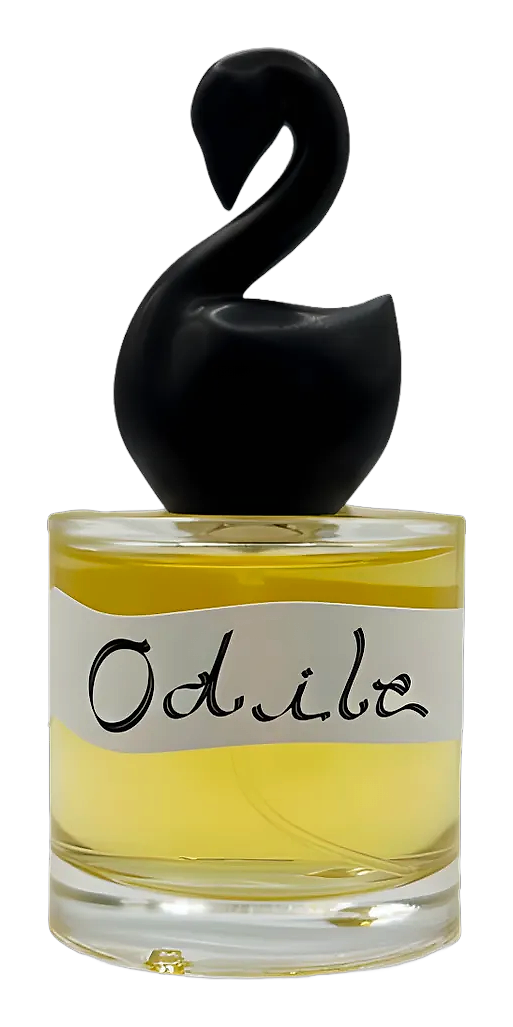
Brands
Brands known for Rubber
Good to know
Questions, answered
The essentials on Rubber in perfumery: how it smells, where it comes from, and how it behaves on skin.
What does rubber smell like in perfume?
Rubber in perfume smells like vulcanized rubber, combining sharp, smoky, and tar-like qualities with a faintly sweet industrial edge.
Is rubber a natural or synthetic fragrance ingredient?
Rubber is purely synthetic. No natural material produces the rubber accord, so perfumers construct it from blended aromatic molecules.
What fragrances pair well with rubber notes?
Rubber pairs naturally with leather, smoke, iso E Super, aldehydes, and birch tar, making it common in leather and chypre compositions.
When did rubber first appear in perfumery?
Rubber-style accords appeared in perfumery from the early 20th century, gaining prominence as industrial and machine-age themes influenced fragrance design.
Is rubber safe to use in perfume?
Rubber-style aroma chemicals are IFRA-compliant at typical usage levels, and perfumers use them within regulated concentration limits.
How strong is the rubber note in fragrance?
Rubber typically functions as a supporting or modifier note, used at low to moderate concentrations to add industrial character without dominating.
What is the difference between rubber and leather notes?
Rubber captures the raw, vulcanized material smell, while leather evokes tanned hides; the two often appear together as complementary industrial-glamorous notes.
What famous fragrances feature rubber notes?
Rubber notes appear in compositions like Molinard Herville, early 20th-century industrial-style fragrances, and modern leather-chypre fragrances seeking raw, modern character.