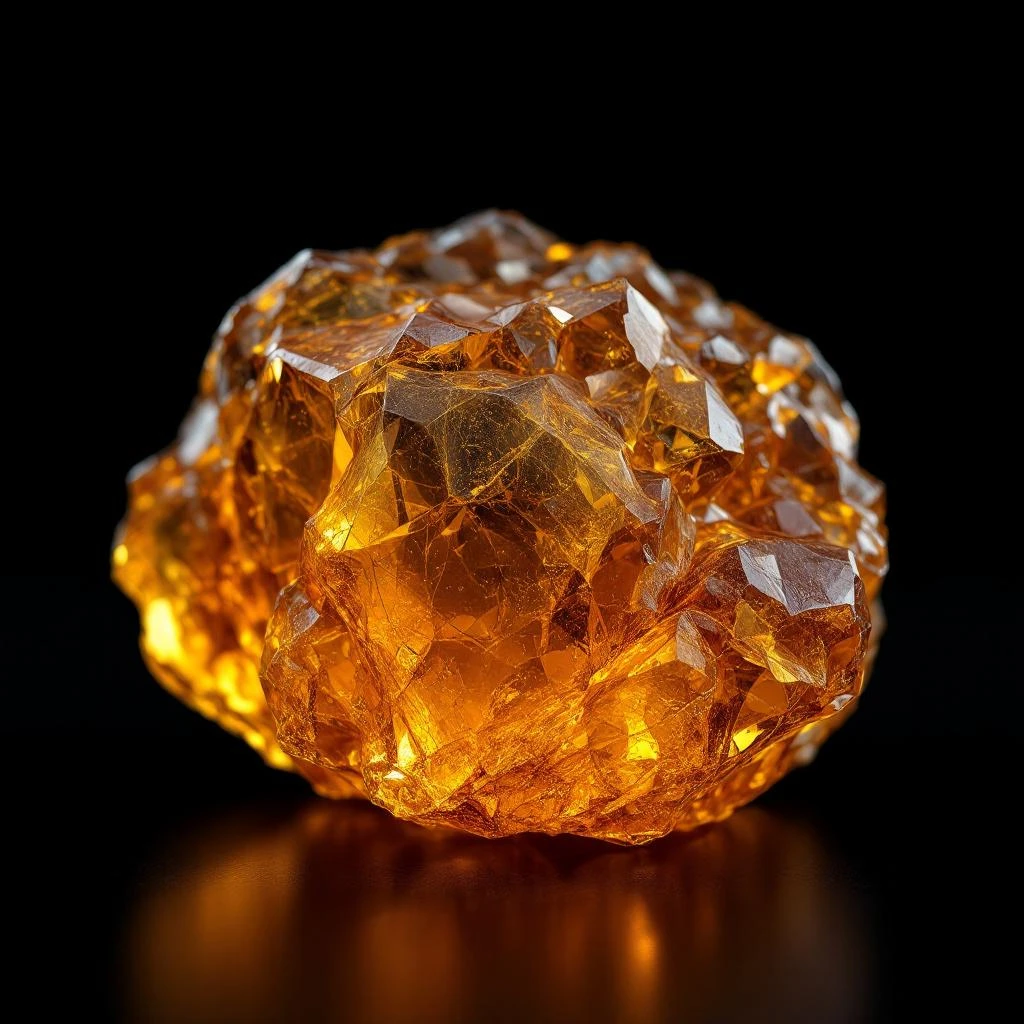
Tar
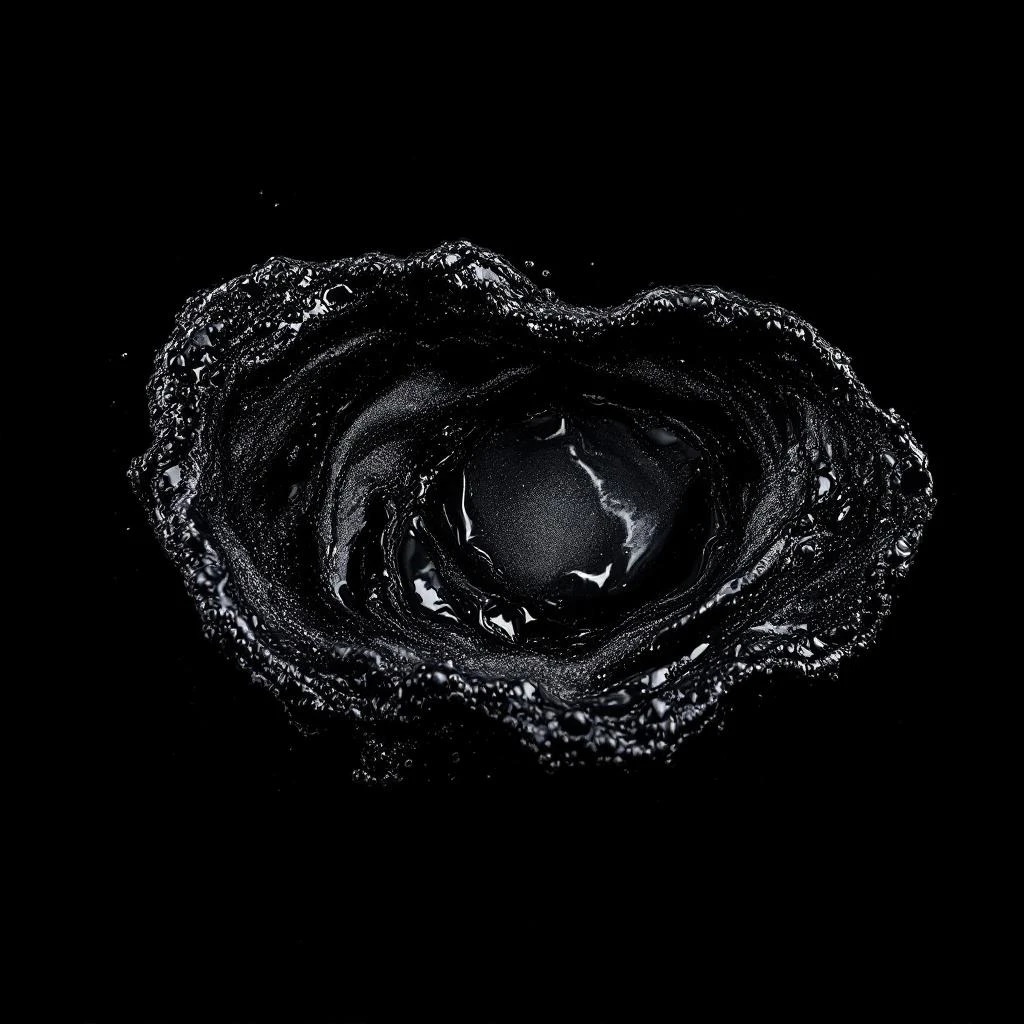
Tar, primarily birch tar oil, is a highly distinctive base note derived through dry distillation of birch bark. Its smoky, leathery, phenolic character adds exceptional depth and a rugged, organic quality to fragrances. Used sparingly, it anchors compositions with a primal warmth that synthetic notes rarely replicate.
Character
How it smells
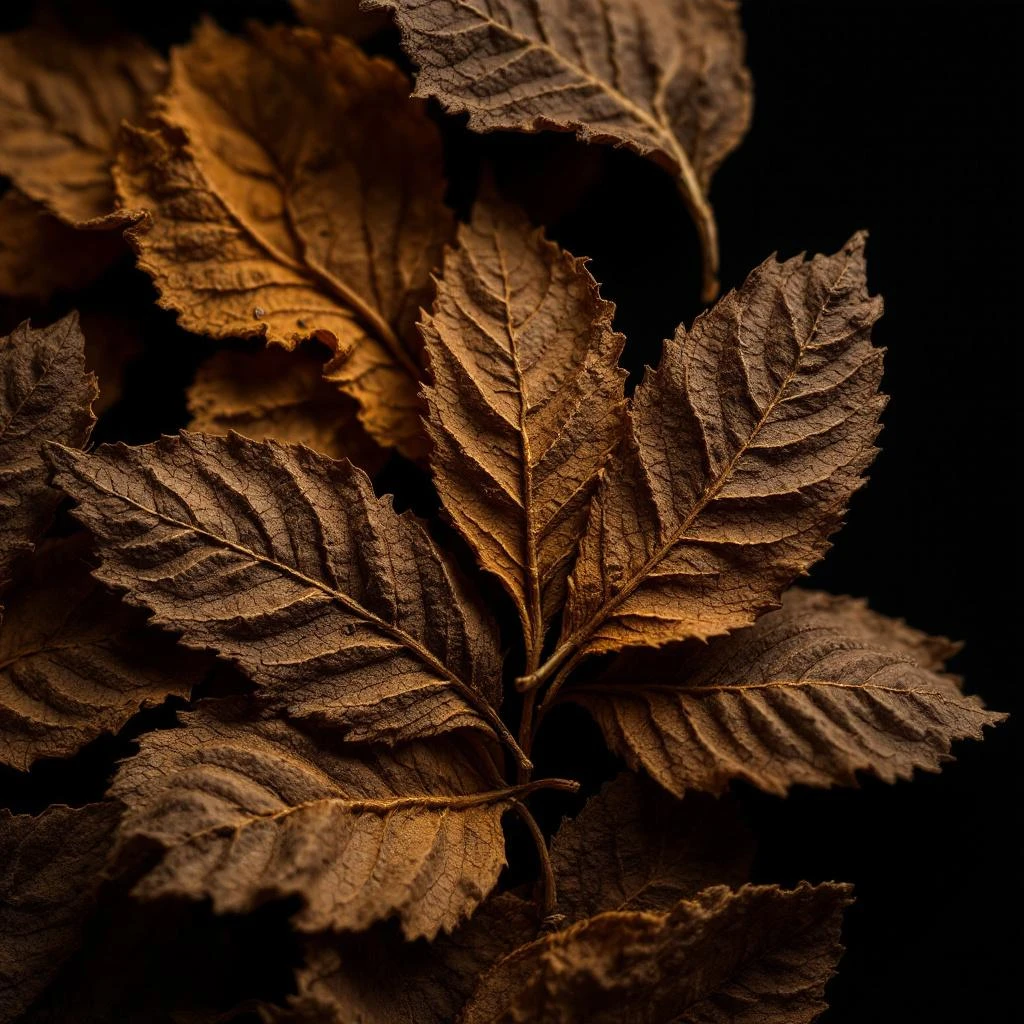
A primal smoky note forged in fire, lending leather and earth to fragrance.
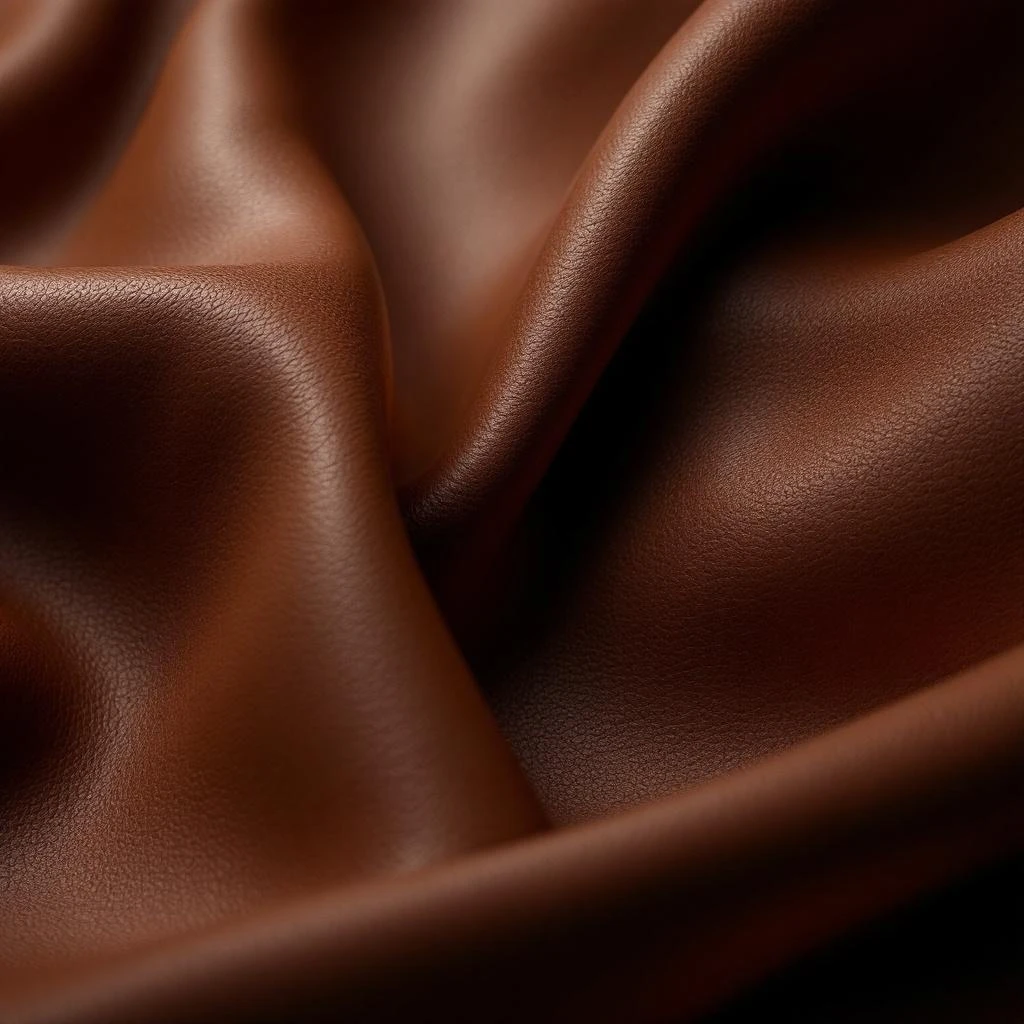
Russian leather workers historically cured their goods over burning birch wood, and Russian tanners in the 15th and 16th centuries independently developed the dry distillation technique that produced birch tar oil for this precise purpose.






Origin
Finland
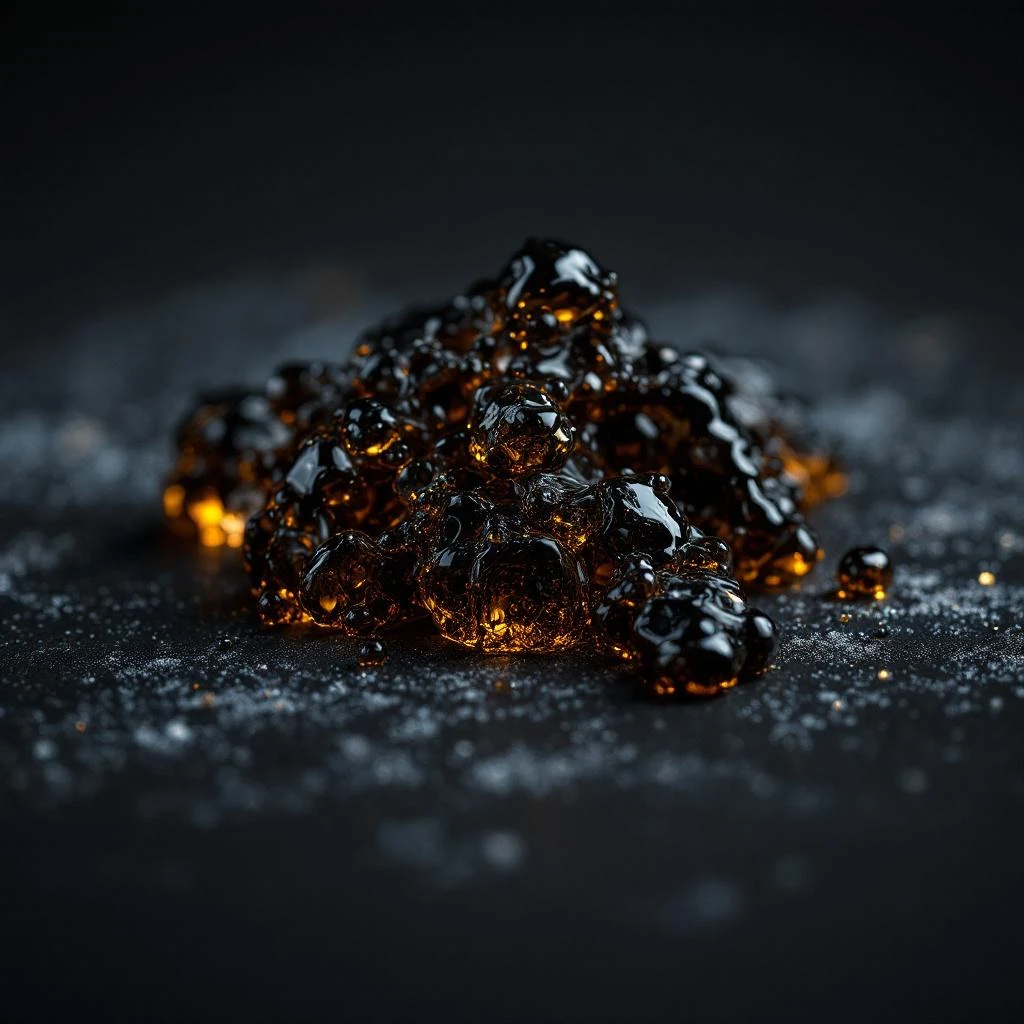
Birch tar has served humanity far beyond perfumery. In northern Europe and across the Russian plain, its primary historical application was leather tanning and preservation. Craftsmen in areas that now span Finland, Karelia, and Siberia employed birch tar to dress and waterproof leather, a practice documented in archaeological records running back several centuries.
The resulting leather carried a characteristic smoky scent that became associated with quality and durability across trade routes. North American indigenous communities similarly used pine tar and spruce tar for waterproofing and medicinal preparations long before European contact. The intersection of these traditions with perfumery likely occurred during the Baroque period in Central Europe, when perfumers began isolating the aromatic components of common materials rather than using them in raw form.
By the 19th century, birch tar had entered the perfumer's palette primarily as a fixative with unusual smoky depth, finding particular favour in masculine leather and fougere compositions. Its adoption was reinforced by the availability of synthetic guaiacol and cresols in the early 20th century, which allowed perfumers to approximate tar elements without the intensity and variability of natural extraction.
Wears it best
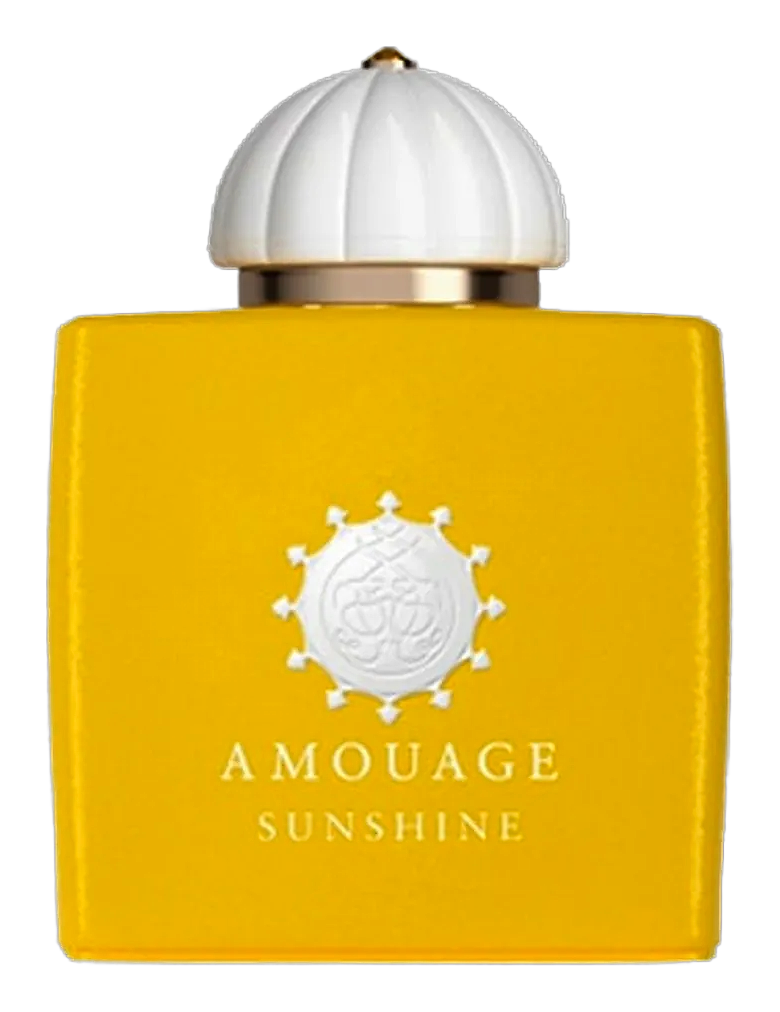
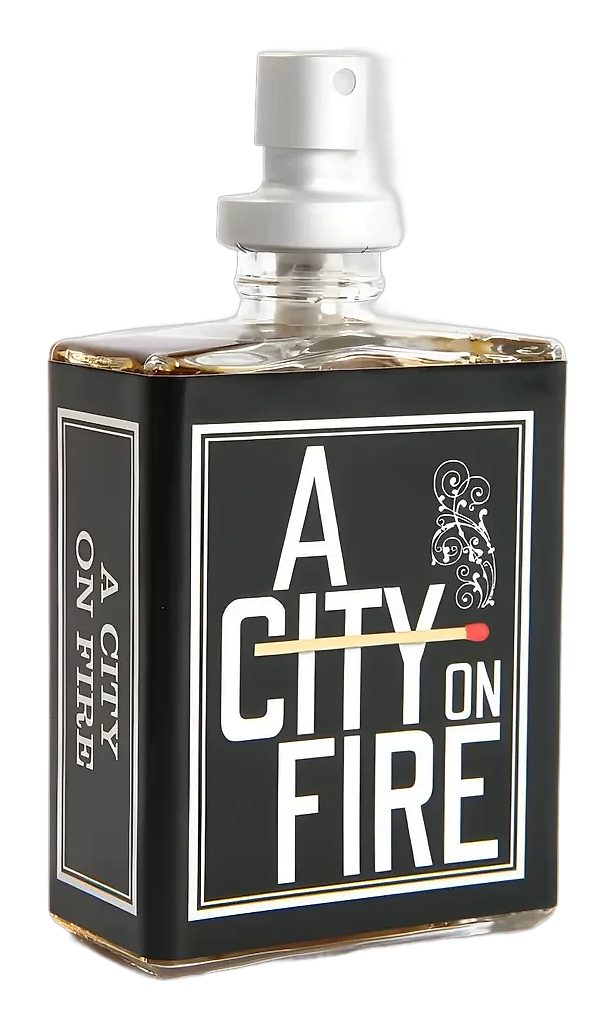
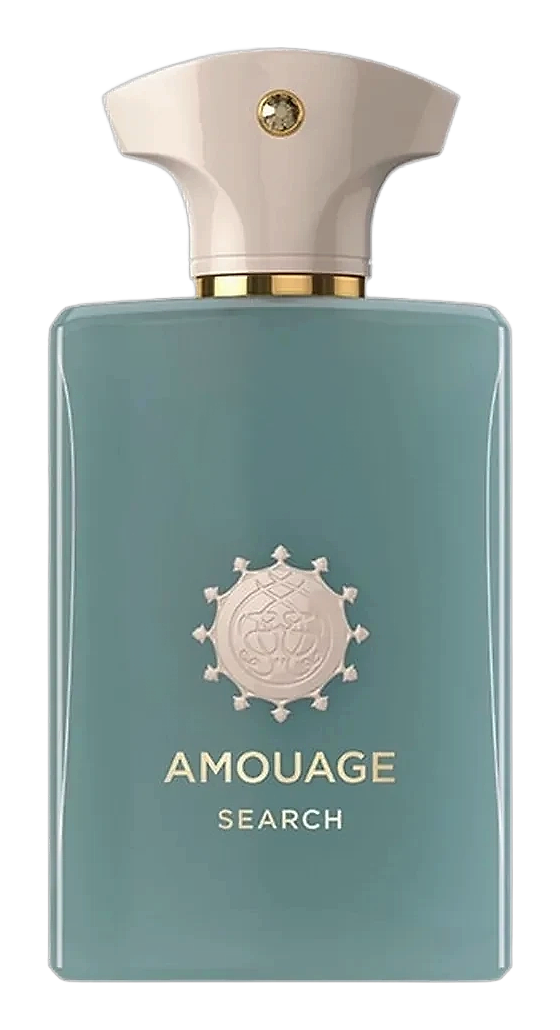
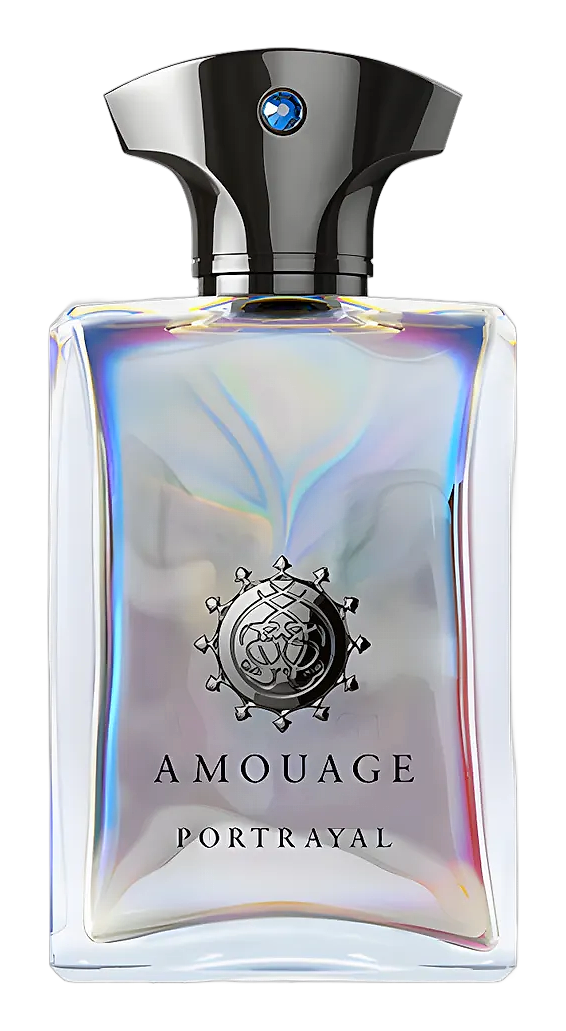
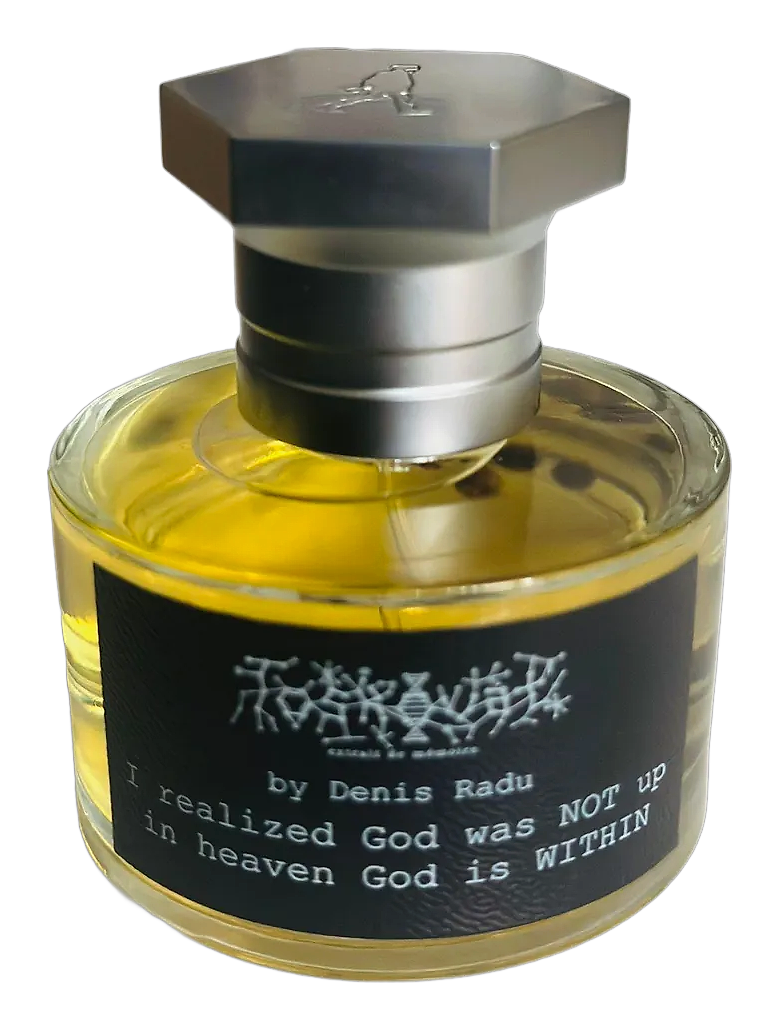
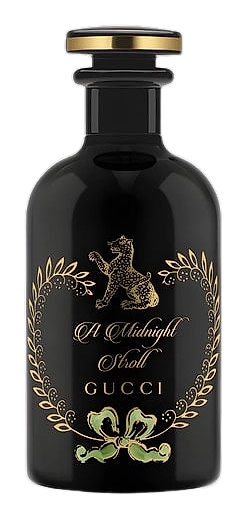
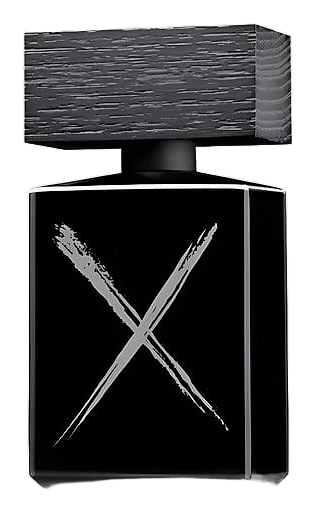
Fragrances featuring Tar


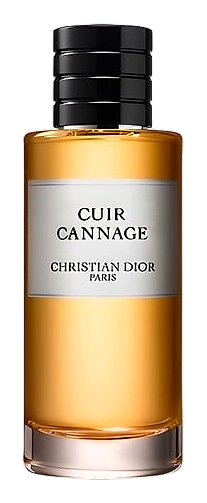
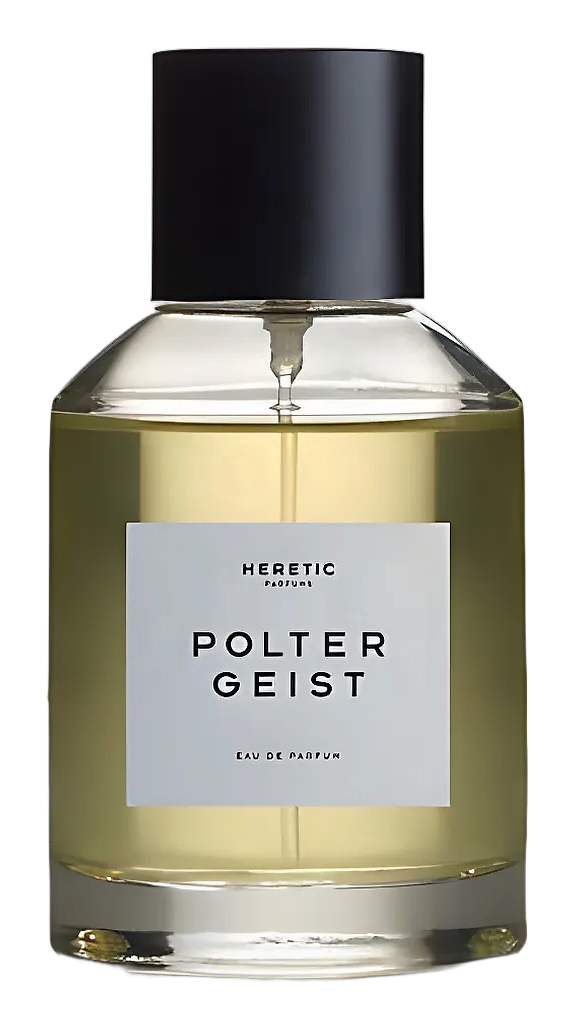
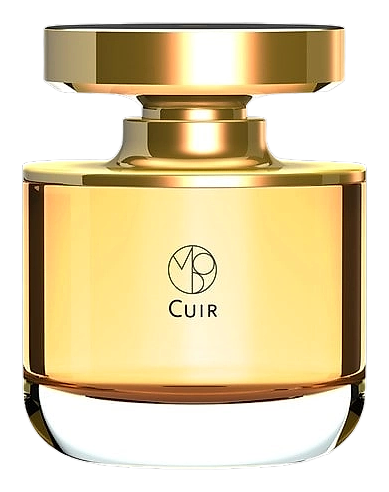
Brands
Brands known for Tar
Good to know
Questions, answered
The essentials on Tar in perfumery: how it smells, where it comes from, and how it behaves on skin.
What does Tar smell like in perfume?
Tar in perfume presents as a potent smoky, leathery, slightly sweet aroma with phenolic undertones reminiscent of burning rubber or charred wood. On first impression it registers as harsh and medicinal, but in dilution it reveals a warm, organic depth that adds unusual complexity to base compositions.
Why is Tar used in perfumery?
Tar serves as a fixative and base note that imparts smoky depth and primal warmth a fragrance cannot achieve through sweeter woody ingredients alone. It acts as a natural bridge between green/herbal top notes and heavy resinous bases, lending compositions a distinctive rugged character that reads as leather, earth, or smoke on the skin.
Is Tar in perfume natural or synthetic?
Natural birch tar oil is obtained through dry distillation of birch bark, primarily from Betula pendula and Betula lenta species. Synthetic alternatives such as guaiacol, cresols, and birch tar fractions are commercially available and used to mimic the smoky, phenolic effect at controlled intensity levels for cosmetics compliance.
What famous perfumes contain Tar?
Birch tar appears in several landmark masculine fragrances including some formulations of Jicky and it is a defining note in the Russian Leather family of masculine scents. It also figures as a supporting element in certain smoky interpretations of fougere and leather fragrance families across European and American perfume houses.
Is Tar a top note, heart note, or base note?
Tar functions exclusively as a base note or deep heart modifier in perfumery. Its molecular weight and low volatility mean it becomes perceptible only after lighter top and heart notes evaporate, typically emerging 20 to 30 minutes into wear as a stabilizing foundation on the skin.
What notes pair well with Tar in perfume?
Tar harmonizes naturally with other smoky and woody ingredients including vetiver, cedarwood, and birch wood. It also pairs with leather notes such as castoreum, with warm spices like cinnamon and cardamom, and with dark florals including jasmine and rose when they are cast in a warm, heavy register rather than a bright one.
How is Tar extracted?
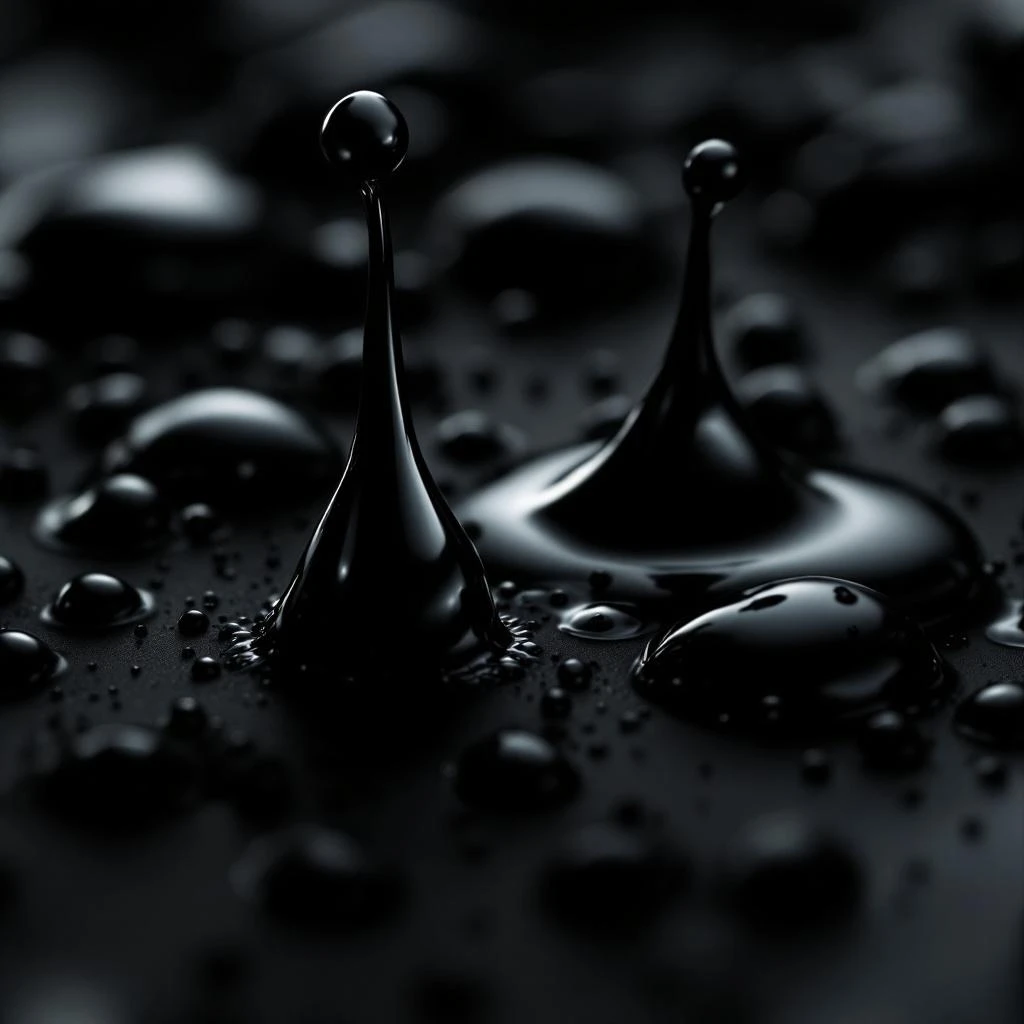
Birch tar oil is extracted via dry distillation, in which stripped birch bark is heated to 300-400 degrees Celsius inside sealed containers without air present. The resulting vapor condenses into a dark, viscous liquid that is filtered and may be fractionated. The outer bark is removed before distillation because it produces excessive creosote and undesirable bitterness.
Is Tar used in men's or women's fragrances?
Tar appears almost exclusively in masculine and unisex fragrances because its smoky, leathery, phenolic profile aligns with traditionally masculine fragrance themes. However, some contemporary perfume houses employ it in gender-neutral or avant-garde compositions where a raw, organic edge serves a specific artistic intent outside conventional gender categories.