
The Story
Why it exists.
The beginning
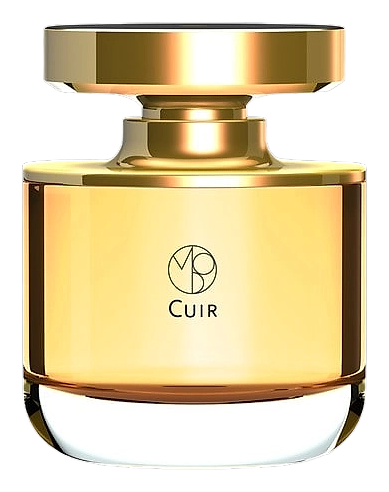
Cuir arrived in 2010 from Mona di Orio, the perfumer who trained under Edmond Roudnitska at 17 and spent years learning that fragrance, like music, unfolds in phases. She built her Amsterdam house on the interplay of light and shadow, sparkle and depth. Cuir was her answer to anodyne perfumery, to trend-chasing and the safe, the sanitized, the forgettable. She went looking for leather that breathed. Leather that carried memory. Leather that didn't apologize for what it was.
The structure Mona built here is built for contrast. Cardamom and anise open bright, almost green, their heat a quick flash before the leather arrives. But she didn't stop there. Cade juniper adds smoky, peaty depth. Castoreum brings the animalic truth. Opoponax softens the whole thing with a sweet, balsamic counterpoint. It's a pyramid that subverts itself: top notes that don't disappear, base notes that don't overwhelm. The house built its reputation on compositions that shift and reveal themselves differently over time. Cuir is one of the clearest expressions of that principle, each phase arriving on schedule, nothing rushed, nothing overstaying.
The evolution
The opening hits with Gauloise-like smoke, bitter, papery, distinctly French. Cardamom and anise give it an almost green sharpness that feels more contemplative than aggressive. A few minutes in, the leather arrives. Not the polished accessory leather of a boutique. Something harder. Ridden saddles. Warm animal coats. The kind of leather that's been broken in by use. The cade juniper amplifies this with peaty, smoky intensity. Almost carnal in its depth. The intensity holds for hours. Moderate projection, a handspan out, but it lasts. As the smoke fades, the castoreum comes forward: warm animal fur, amber-toned, musky. Opoponax keeps it from getting too harsh, a soft, honeyed finish that tempers the leather. By the end, it's intimate. Close. A memory of worn leather on skin.
Cultural impact
Cuir arrived in 2010 as a statement against the anodyne. Mona di Orio built it for the initiated, for those who seek depth over display. The 8-10 hour longevity and above-average sillage reflect a composition designed to last, to linger, to reward the wearer who chooses it. It found its audience among those who prioritize character over convention. The house positioned itself as a defender of unconventional perfume traditions, and Cuir became one of its clearest expressions, a reference point for leather that refuses to be safe.
The House
Mona di OrioMaison Mona di Orio emerged from a meeting between a classically trained French perfumer and a Dutch designer united by their passion for art and artisanal craft. Founded in Amsterdam in 2004, the house built its reputation on fragrances that bridge the golden heritage of 1920s and 1930s perfumery with a distinctly modern sensibility. Each scent plays with contrasts: light and shadow, sparkle and depth, the ephemeral and the enduring. The untimely passing of founder Mona di Orio in 2011 left a significant void, yet her vision continues through her partner Jeroen Oude Sogtoen and in-house perfumer Fredrik Dalman.
The Creator
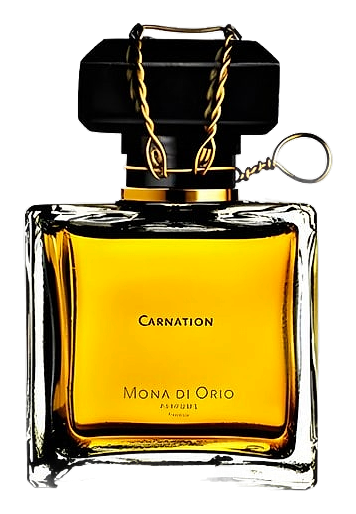
Mona di OrioHer signature emerged from classical training applied to unconventional choices. Carnation opened doors for many, its clove-spiced warmth demonstrating her comfort with assertive florals often deemed too difficult for modern noses.