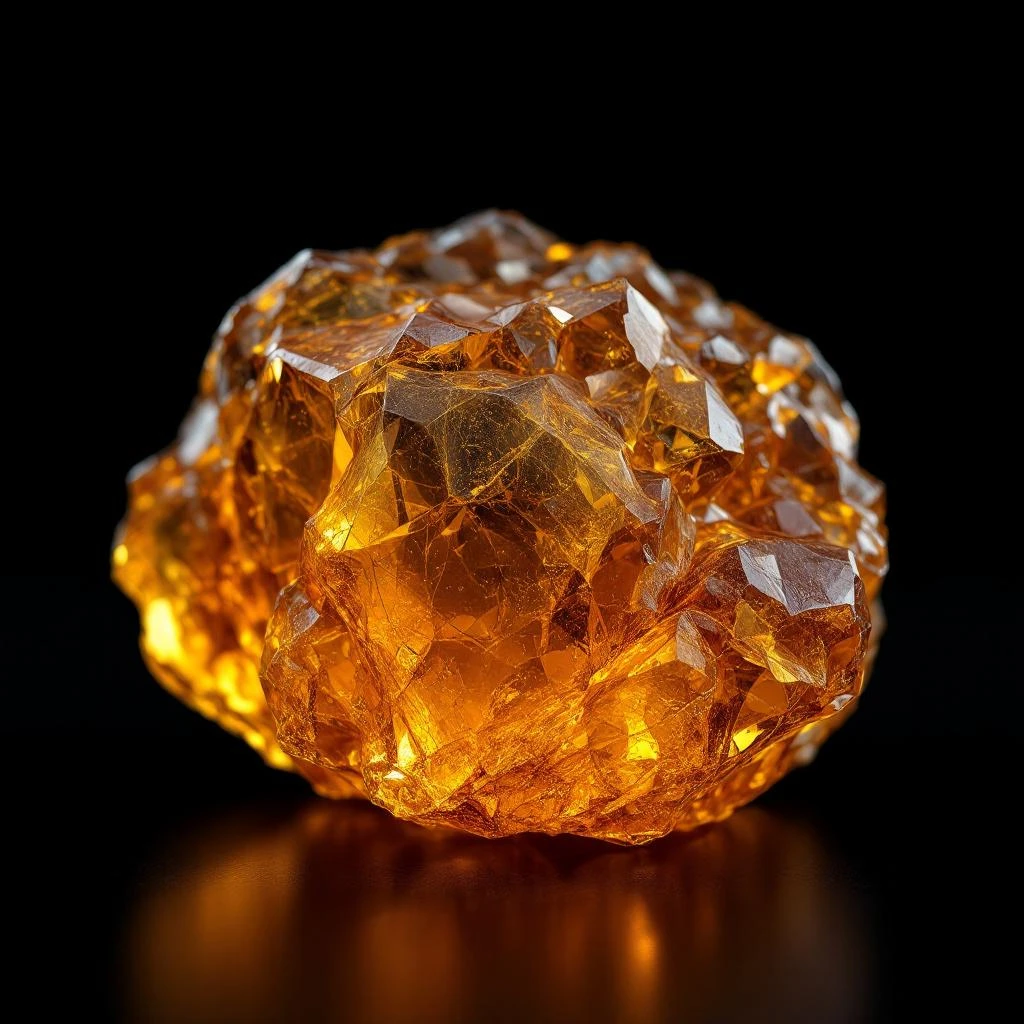
Gunpowder
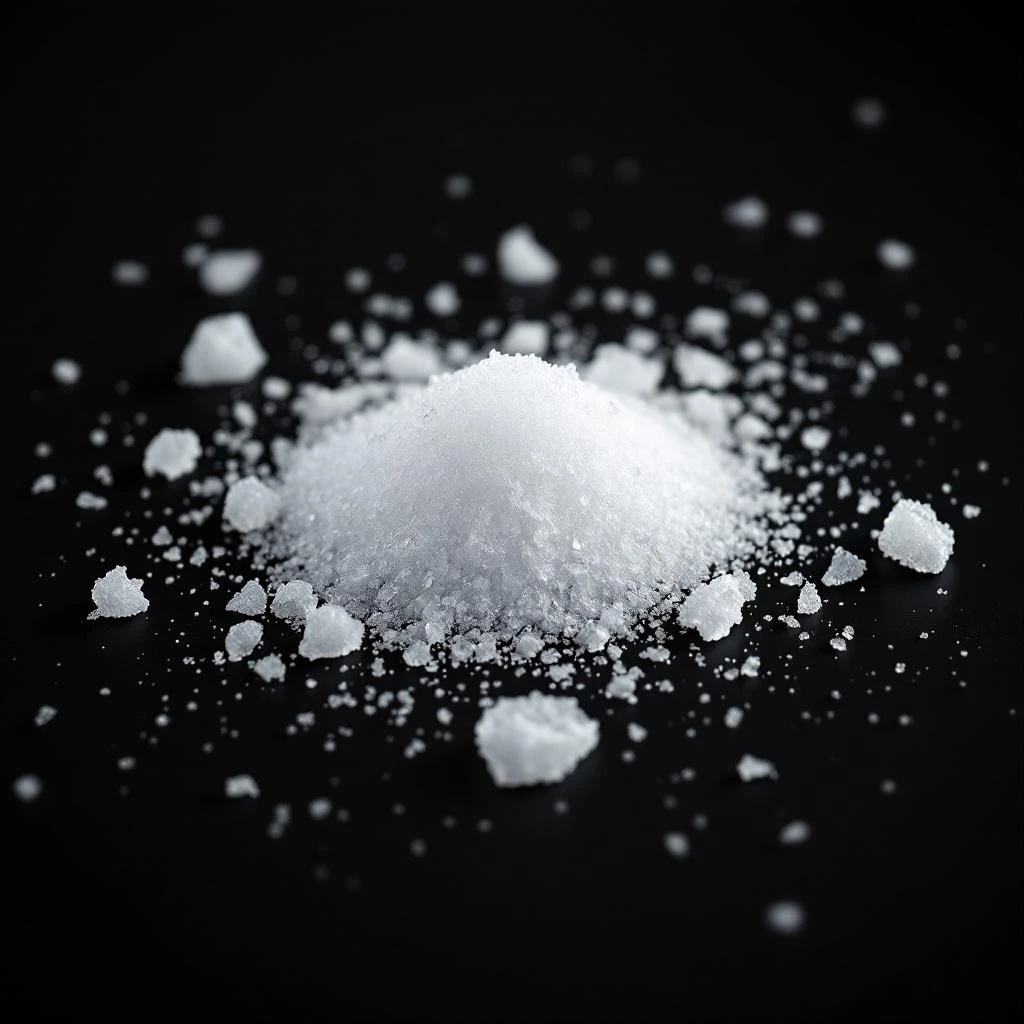
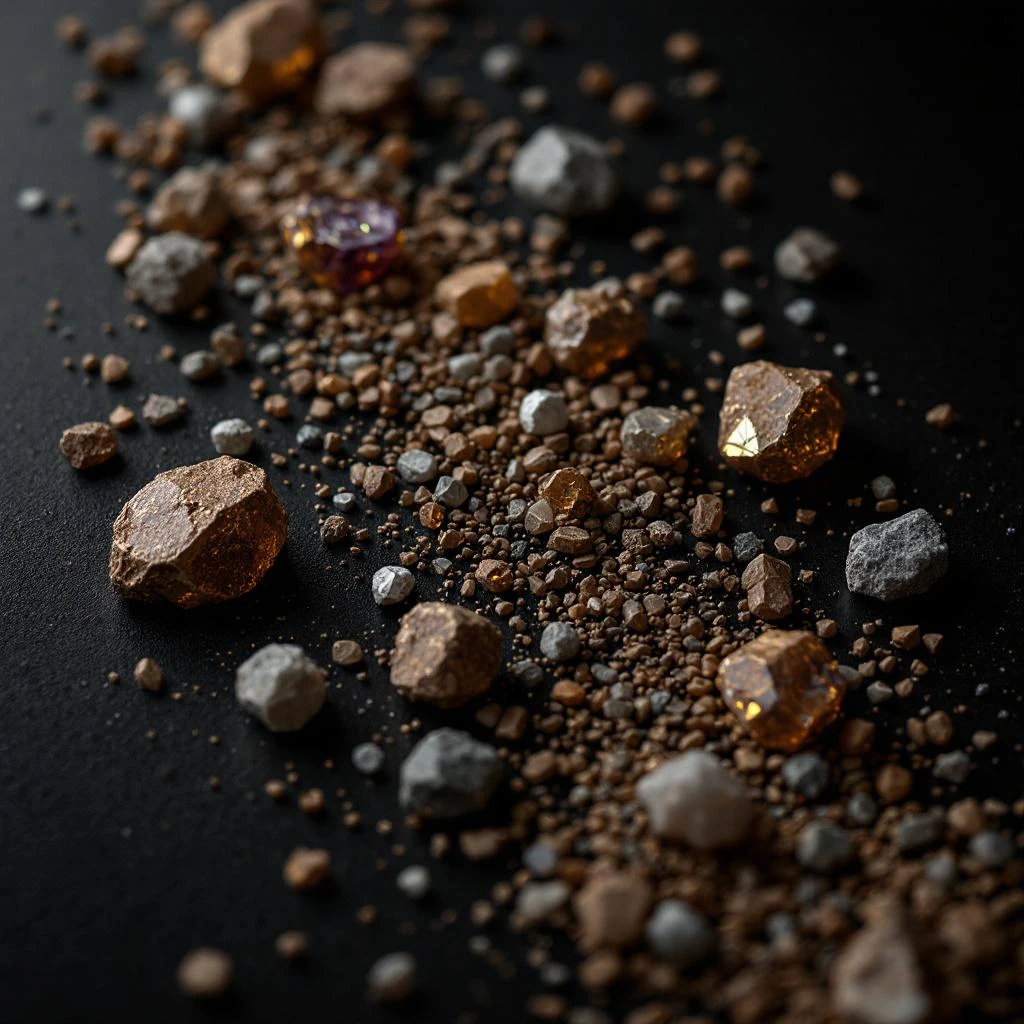
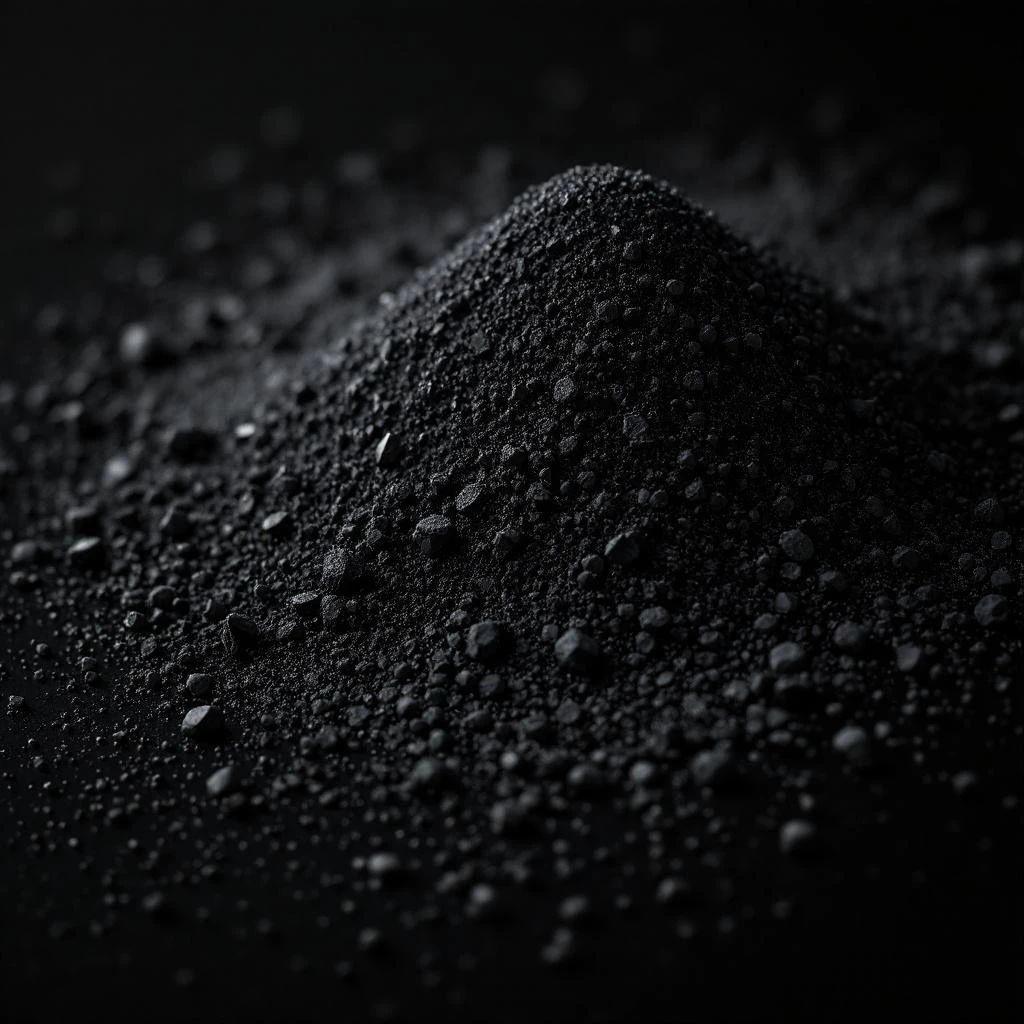
Gunpowder in perfumery is not an extract but a constructed accord combining smoky, mineral, and sulfurous materials that together evoke the scent arc of black powder: raw sulfur and charcoal, acrid ignition, and dry mineral aftermath.
Character
How it smells
The scent of controlled combustion, captured in a bottle.
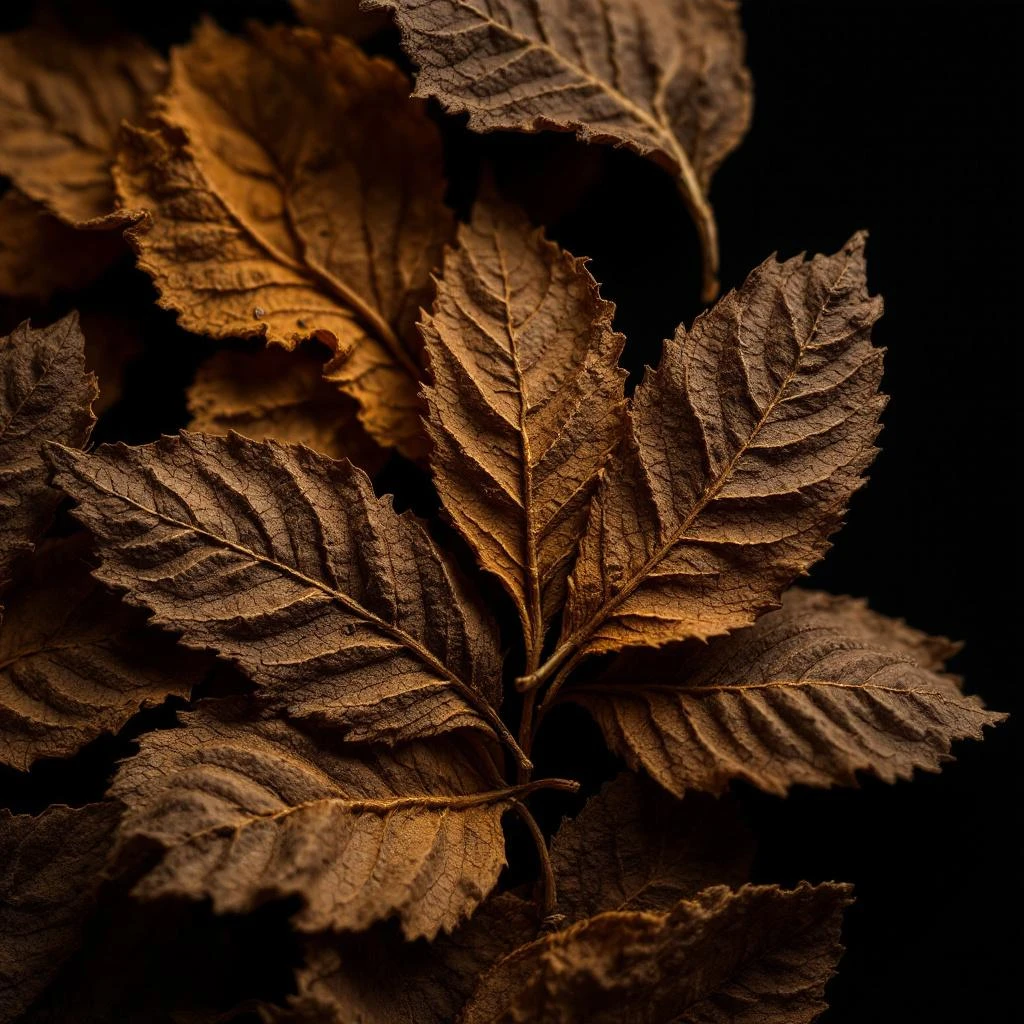
Gunpowder takes its name from the French "poudre à canon" via trade routes, yet its olfactory signature in fragrance owes more to tea than to weaponry: Chinese gunpowder tea shares pyrazine molecules also found in combustion residues.



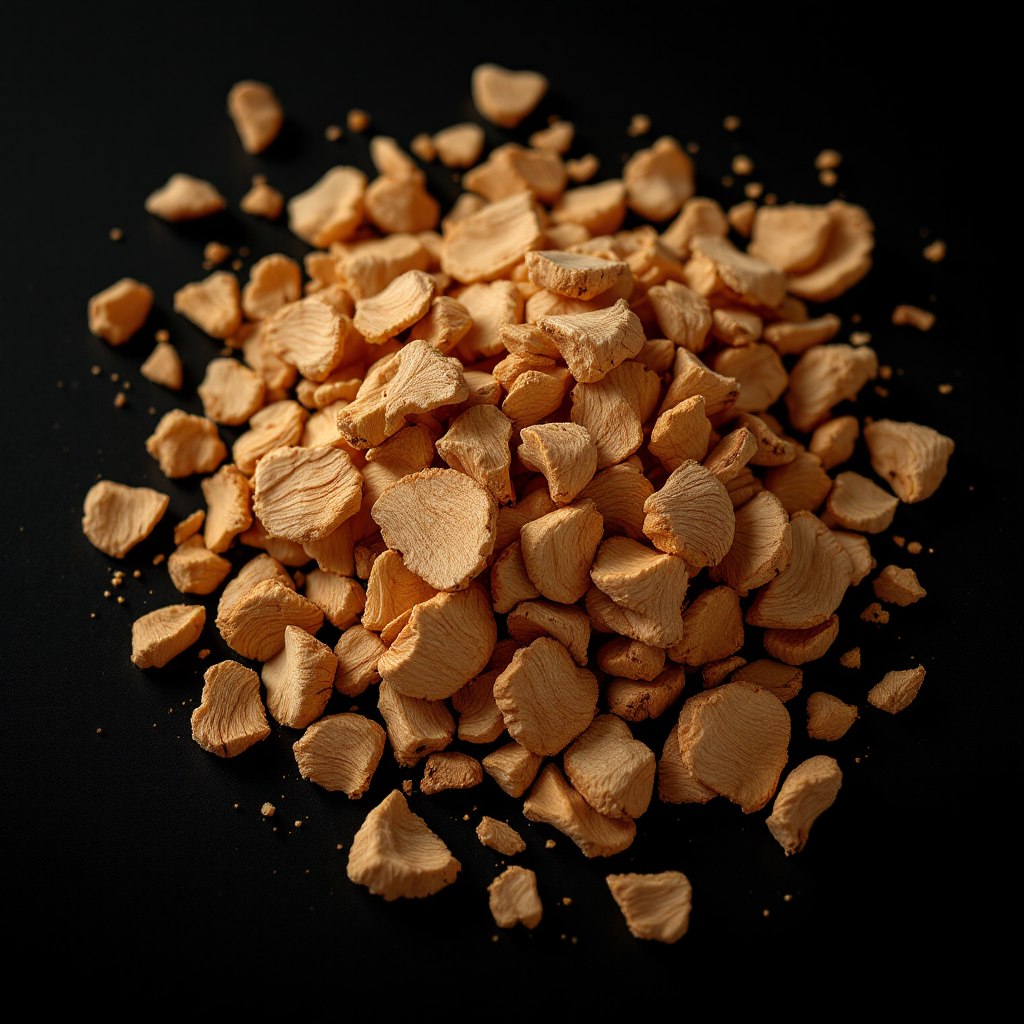



Origin
China
Gunpowder itself was invented in China during the Tang dynasty, primarily for use in fireworks, signaling, and eventually warfare. Its formula of charcoal, sulfur, and saltpeter created a distinctive smell wherever it burned, making it one of the most recognizable scents in pre-industrial history. Beyond weaponry, historical records show gunpowder served unexpected roles: sailors used it to sterilize water supplies during voyages, and in situations where salt was scarce, it was sometimes consumed as a protein source.
Before synthetic tattoo inks became available, the carbon-black residue from burnt gunpowder served as pigment for permanent markings. The name "gunpowder" entered English through the Old French "poudre à canon" via military trade routes, though the phrase itself describes its function rather than its scent. In perfumery, the gunpowder note emerged as part of the broader 20th-century exploration of industrial and atmospheric accords, reflecting a growing interest in capturing non-botanical sensory landscapes within fragrance.
Its modern usage spans leather, tobacco, and conceptual atmospheric compositions, often bridging smoky and mineral territory when combined with tea accords.
Wears it best
Fragrances featuring Gunpowder
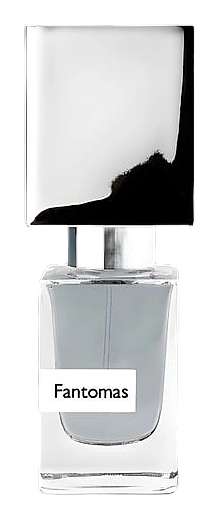
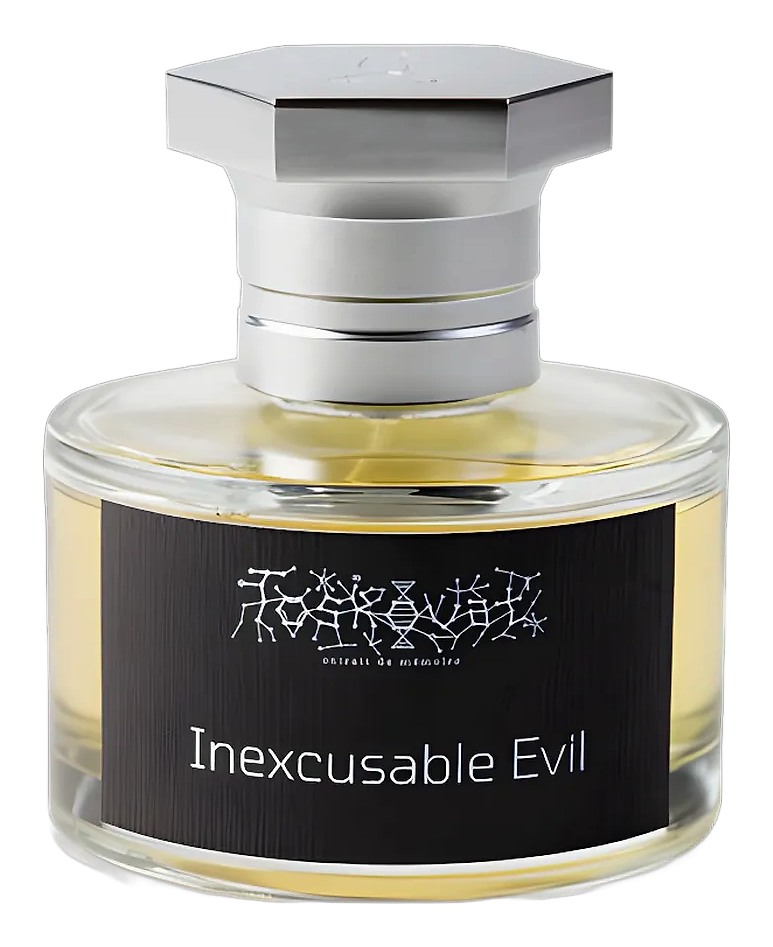
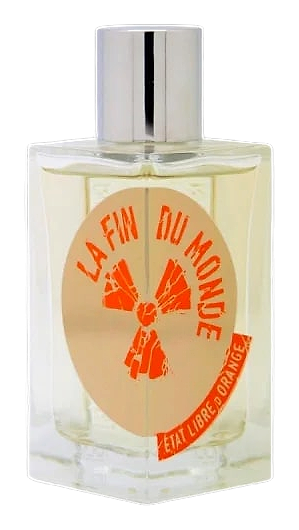
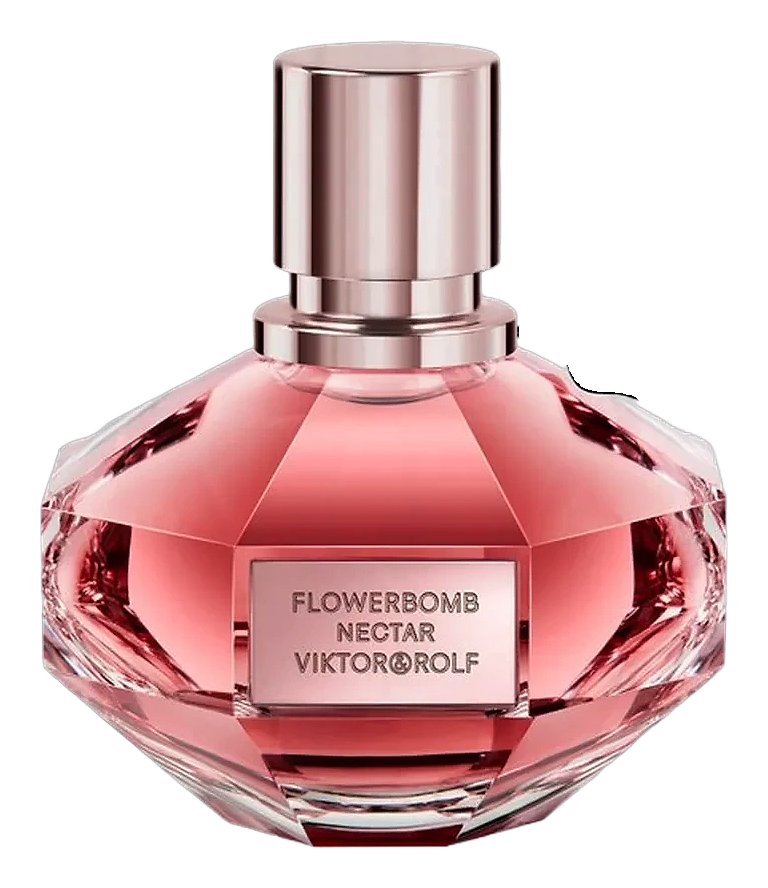
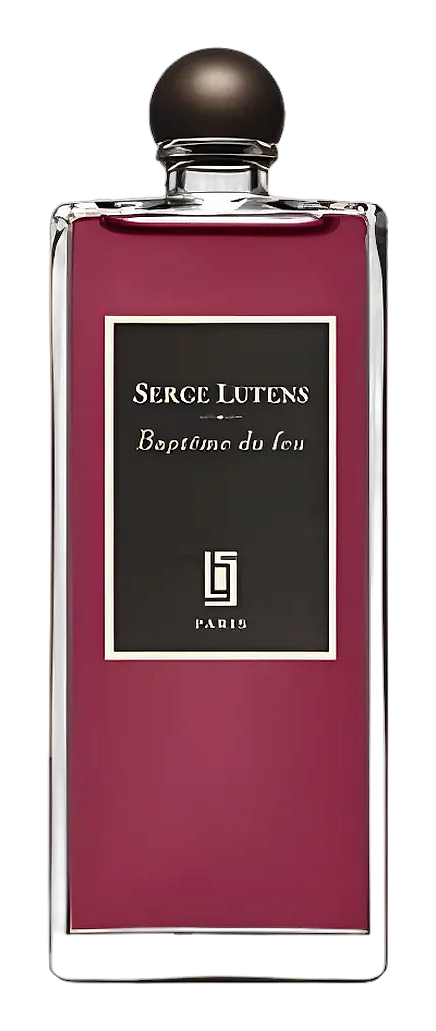

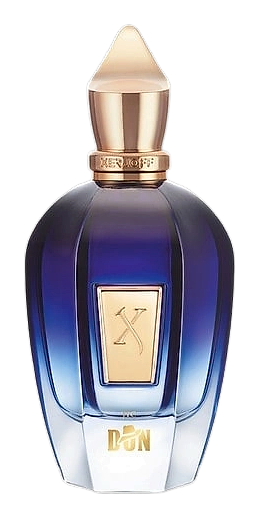
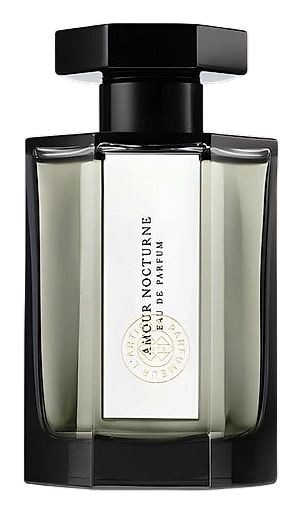
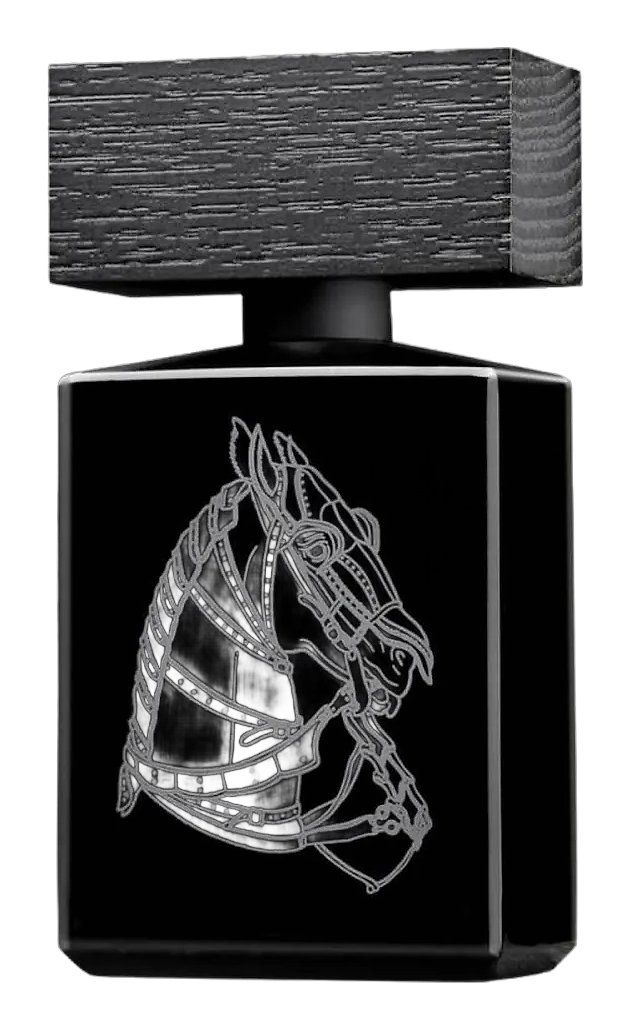
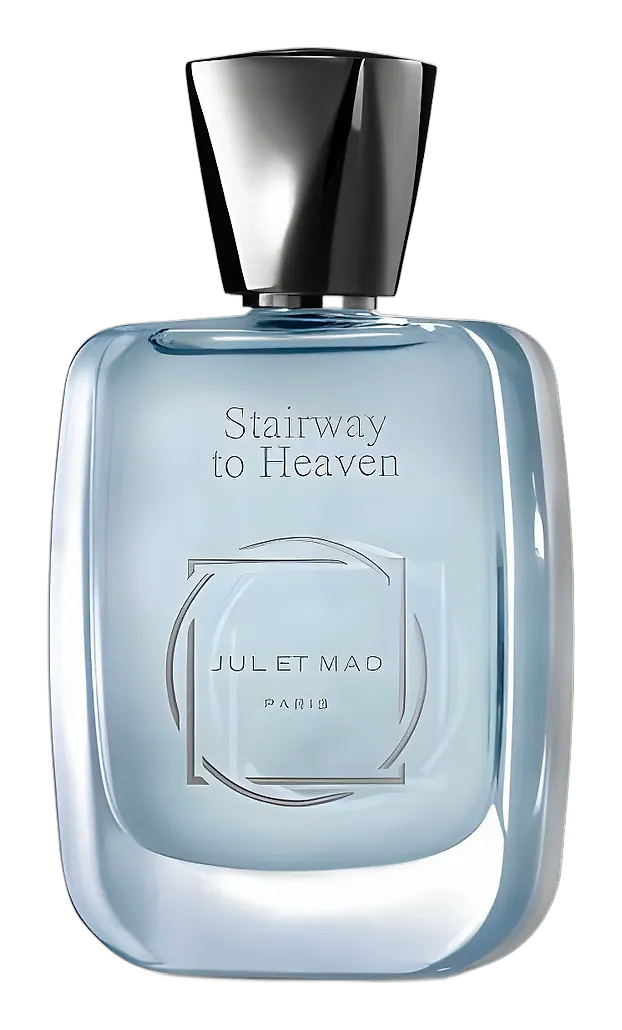
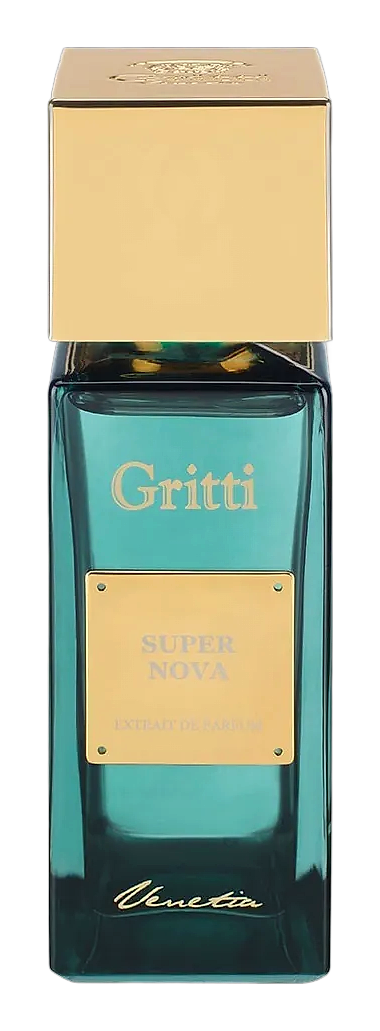

Brands
Brands known for Gunpowder
Good to know
Questions, answered
The essentials on Gunpowder in perfumery: how it smells, where it comes from, and how it behaves on skin.
Is gunpowder an actual natural ingredient?
No. Gunpowder is a constructed aromatic accord, not a natural extract. Perfumers build it from smoky materials like cade oil and birch tar, mineral notes, sulfurous traces, and dry woody components to evoke the full scent of black powder.
What does gunpowder smell like in perfume?
Gunpowder accord spans a full sensory arc: raw sulfur and charcoal in the opening, acrid and sulfurous during ignition, and dry mineral dust with potassium sulfate residues in the dry-down. The overall effect is smoky, mineral, and slightly metallic.
Why is gunpowder tea associated with this note?
Chinese gunpowder tea leaves are rolled into dense pellets resembling black powder grains. When brewed, they produce a smoky infusion containing pyrazine molecules also found in combustion residues, creating a flavor profile that overlaps with the gunpowder accord in perfumery.
What fragrance families use gunpowder?
Gunpowder appears most often in leather, tobacco, and atmospheric compositions. It bridges into green-smoky territory when paired with tea accords and pairs well with woody, resinous, and mineral materials in the base.
Does gunpowder note contain any actual explosive?
No. The accord contains none of the actual compound. It is purely aromatic, constructed from non-explosive fragrance materials that reproduce the scent profile of combustion without any safety risk.
What historical uses did gunpowder have beyond warfare?
Gunpowder served unexpected purposes: sailors used it to sterilize water on long voyages, it functioned as an emergency food protein source when salt was unavailable, and its carbon-black residue served as tattoo ink before modern pigments existed.
How did the gunpowder accord enter perfumery?
The note emerged as perfumers in the 20th century expanded beyond botanical materials to capture industrial and atmospheric scents. Gunpowder became a recognized accord within the modernist movement in fragrance design, valued for its distinctive smoky-mineral character.
Can gunpowder note be found in natural perfumery?
Because gunpowder is an accord and not an extract, it cannot exist in natural-only formulations. Natural perfumers achieve similar smoky-mineral effects using birch tar, cade oil, and vetiver, but the precise gunpowder character requires synthesized or combined aromatic materials.