The Story
Why it exists.
The beginning
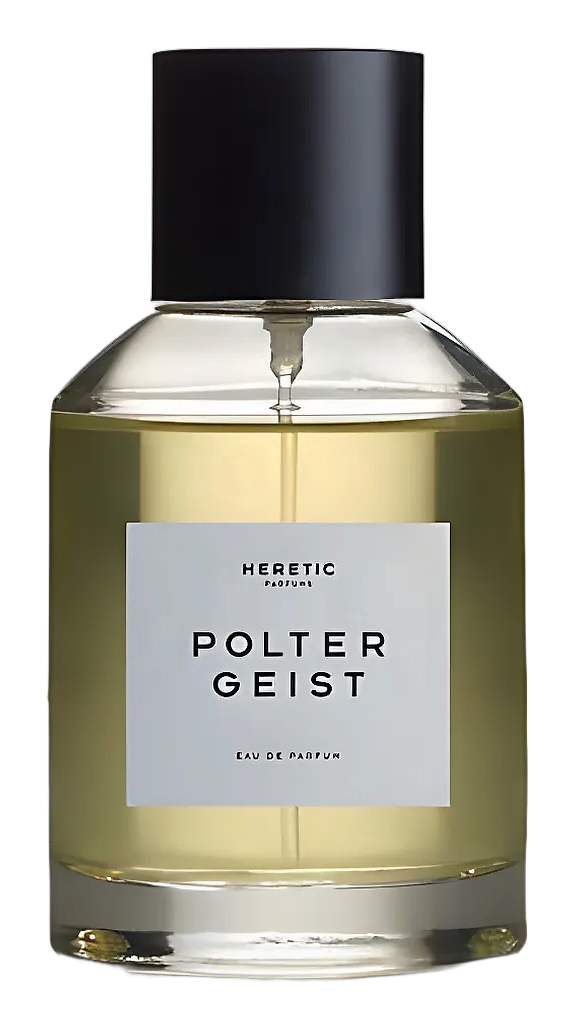
Douglas Little built Heretic around an insult. When industry executives dismissed natural perfumery as the domain of amateurs, he took the slur as his brand name. Poltergeist, released in 2016, continues that defiant logic. Where other houses might soften challenging materials into crowd-pleasers, this fragrance leans into discomfort. The name itself suggests something unseen yet undeniable: a presence that disrupts without warning.
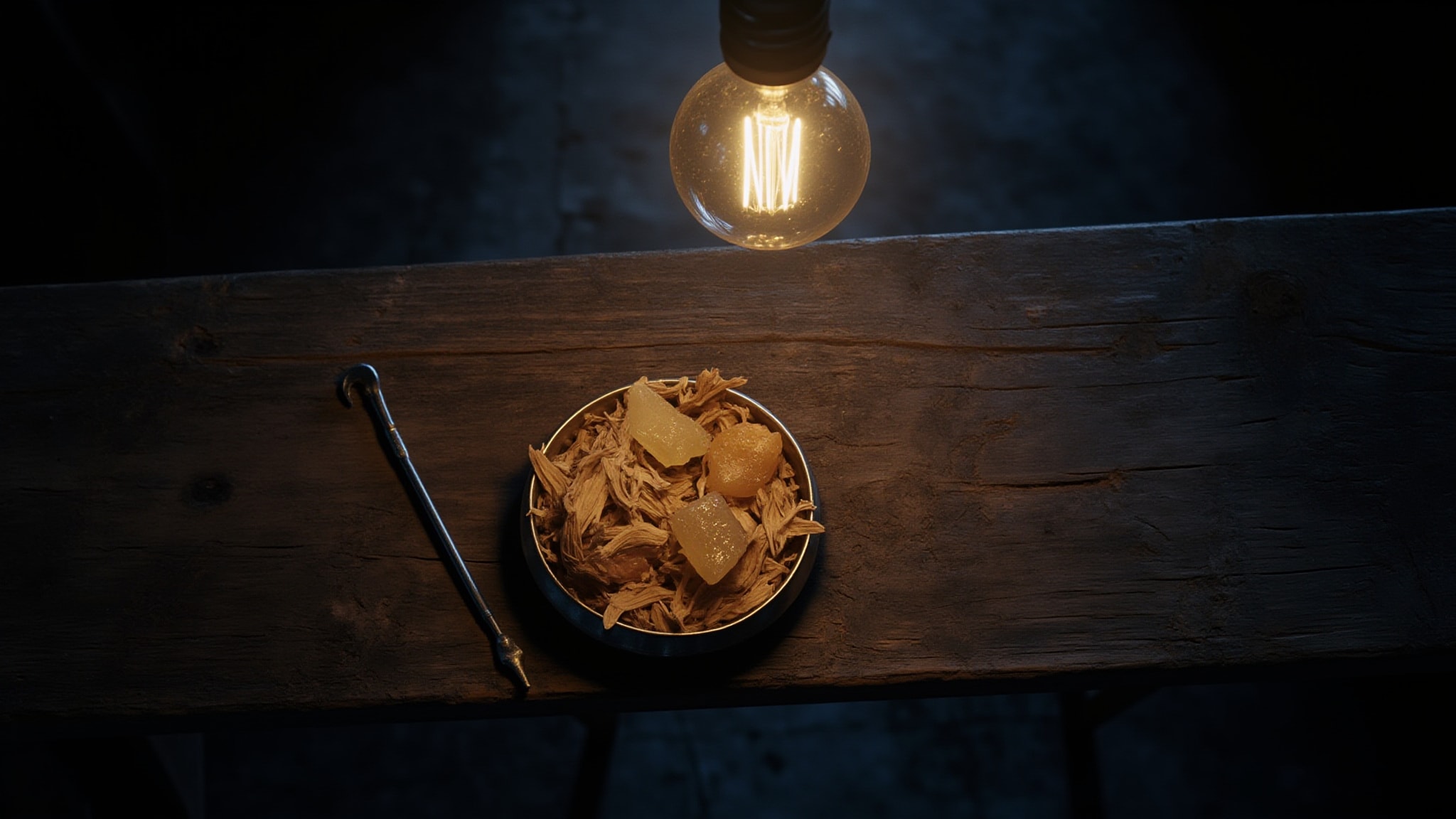
Wormwood is the key here. Artemisia Absinthium, the same plant behind absinthe's legendary bite, brings a bitter, almost numbing quality that most perfumers avoid. Heretic didn't just include it; they made it the opening statement. Combined with birch tar's charred intensity and galbanum's sharp green cut, the composition refuses to be polite. This is natural perfumery pushed to its edge, where botanical ingredients stop being pleasant and start being confrontational.
The evolution
The opening arrives harsh. Wormwood's bitter chill hits first, followed immediately by birch tar smoke, the kind that coats the back of your throat. There's a medicinal bite that some wearers compare to burnt rubber, though it's more accurately the sharp, numbing quality of absinthe. Thirty minutes in, the smoke begins to thin. Cedar and frankincense emerge, giving the composition a slightly liturgical quality. The galbanum's green intensity softens but never fully recedes, keeping the heart herbal and slightly unsettling. By the second hour, patchouli and vetiver take over, their earthy depth replacing the initial shock with something warmer but no less intense. Benzoin and vanilla arrive last, adding a faint sweetness that the opening would never suggest. The drydown on skin reads as smoked wood and dried herbs, not sweet, not clean, but persistent. Eight to ten hours is typical. On fabric, it lingers until the next wash. The next morning, a faint trace of birch tar and vetiver remains, as if the ghost never fully left.
Cultural impact
Poltergeist occupies a specific niche within the niche world: the fragrances people argue about. Wearers either describe it as a transformative, cinematic experience or compare it unfavorably to burning rubber. The smoke-and-wormwood combination sits firmly in Gothic, witchy, atmospheric territory, the kind of scent associated with autumn nights, outdoor festivals, and deliberate provocation. It has cult status among those who've mastered its intensity.