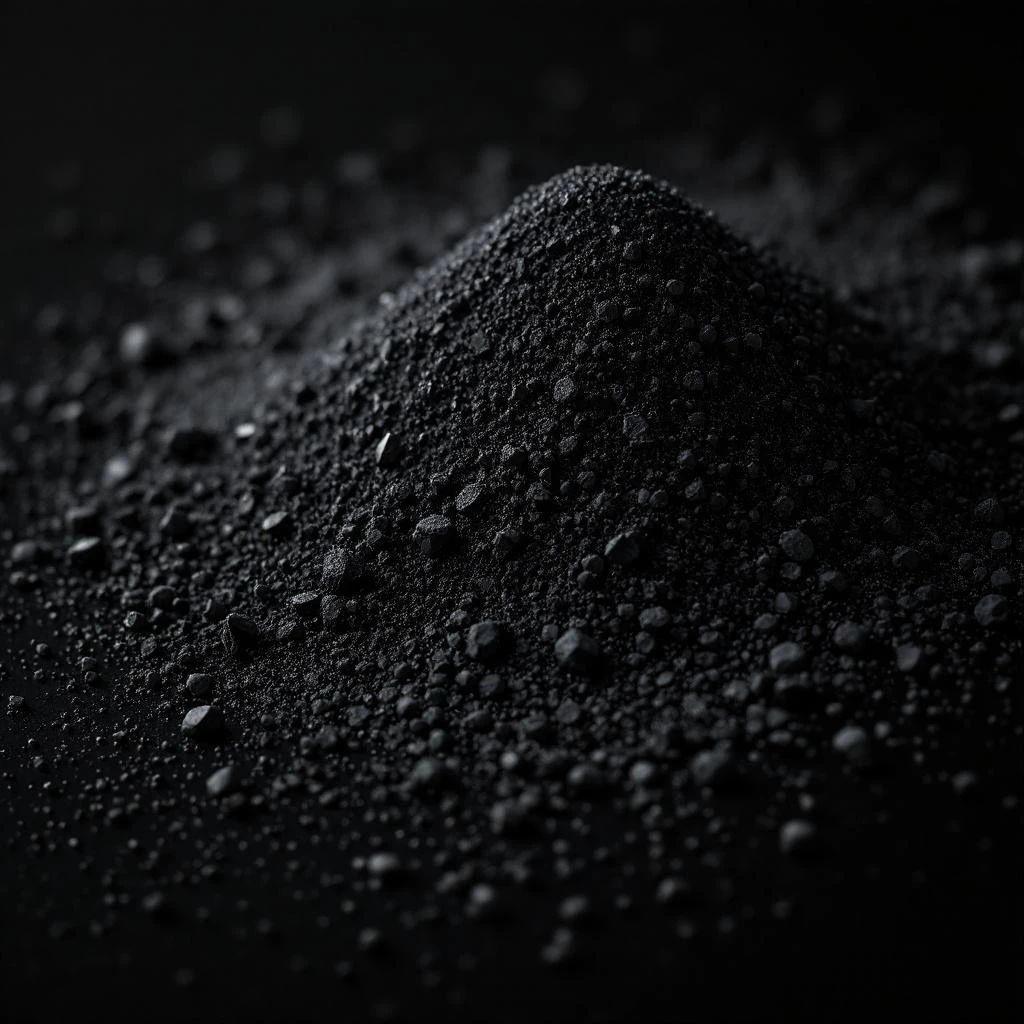
Clay
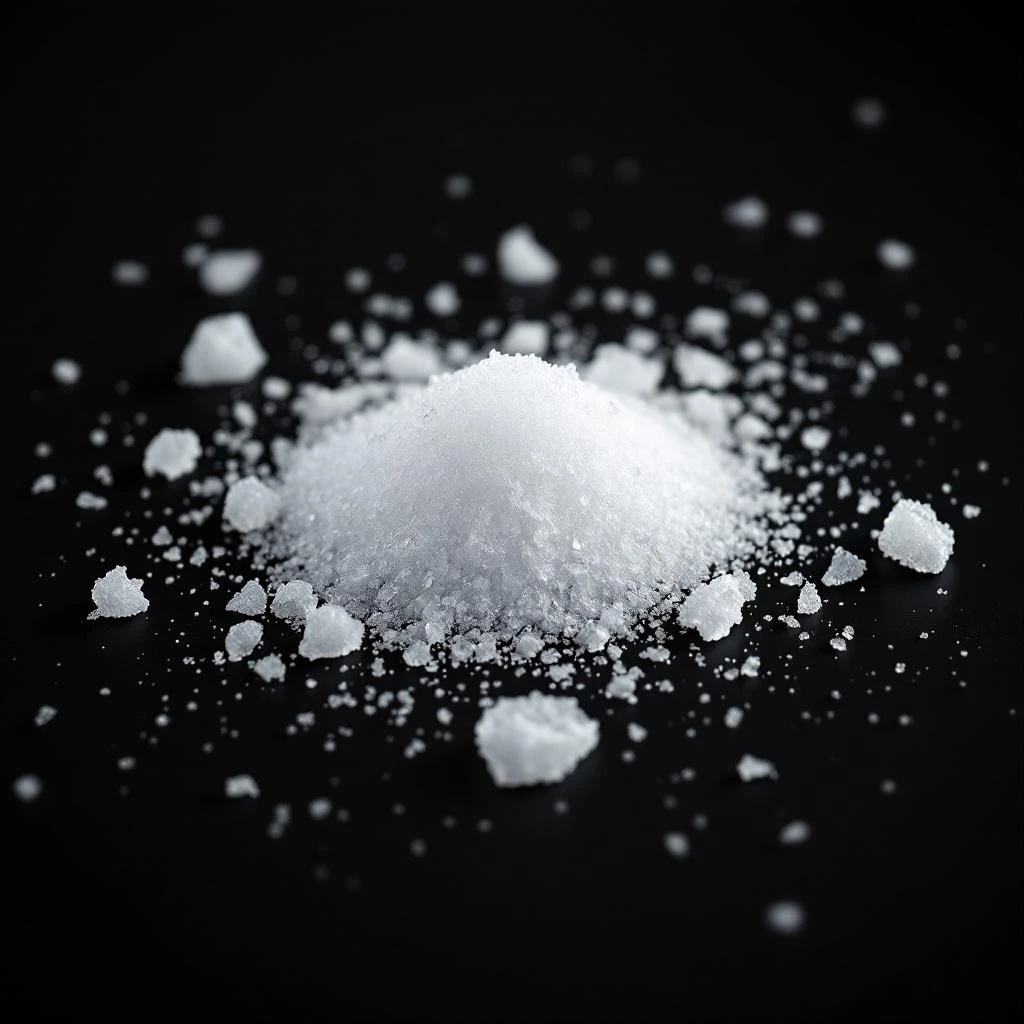
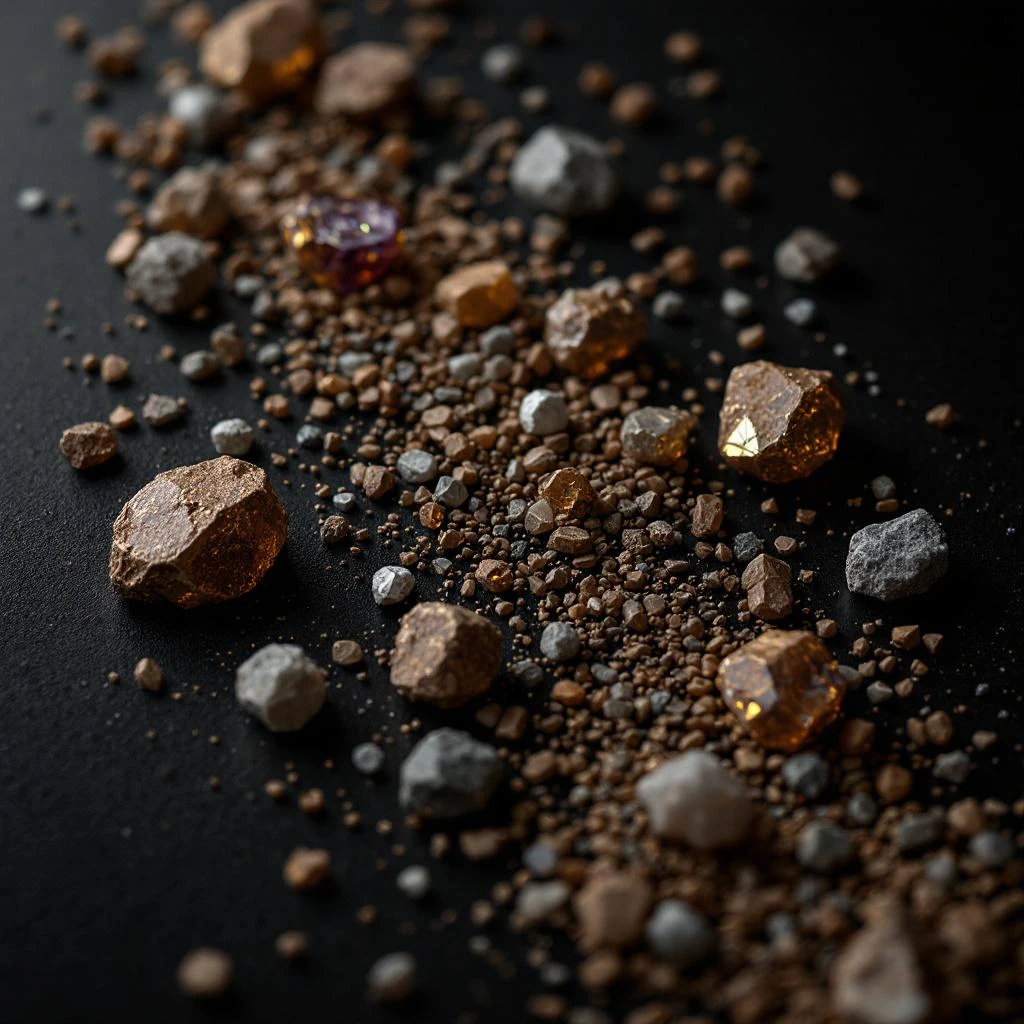
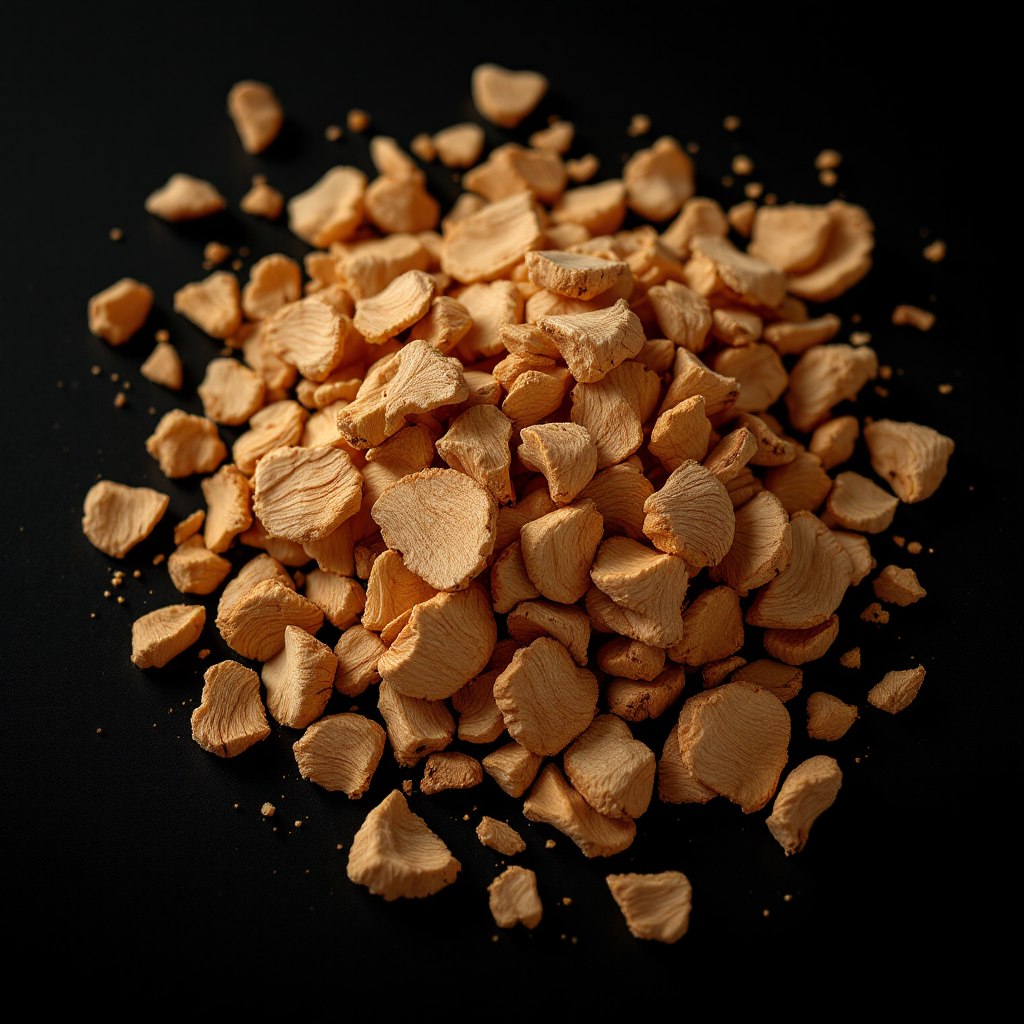
Clay is a mineral-based note prized in perfumery for evoking raw, elemental earthiness. It carries a dry, slightly powdery mineral warmth that grounds compositions with a sense of ancient sediment and quiet stillness.
Character
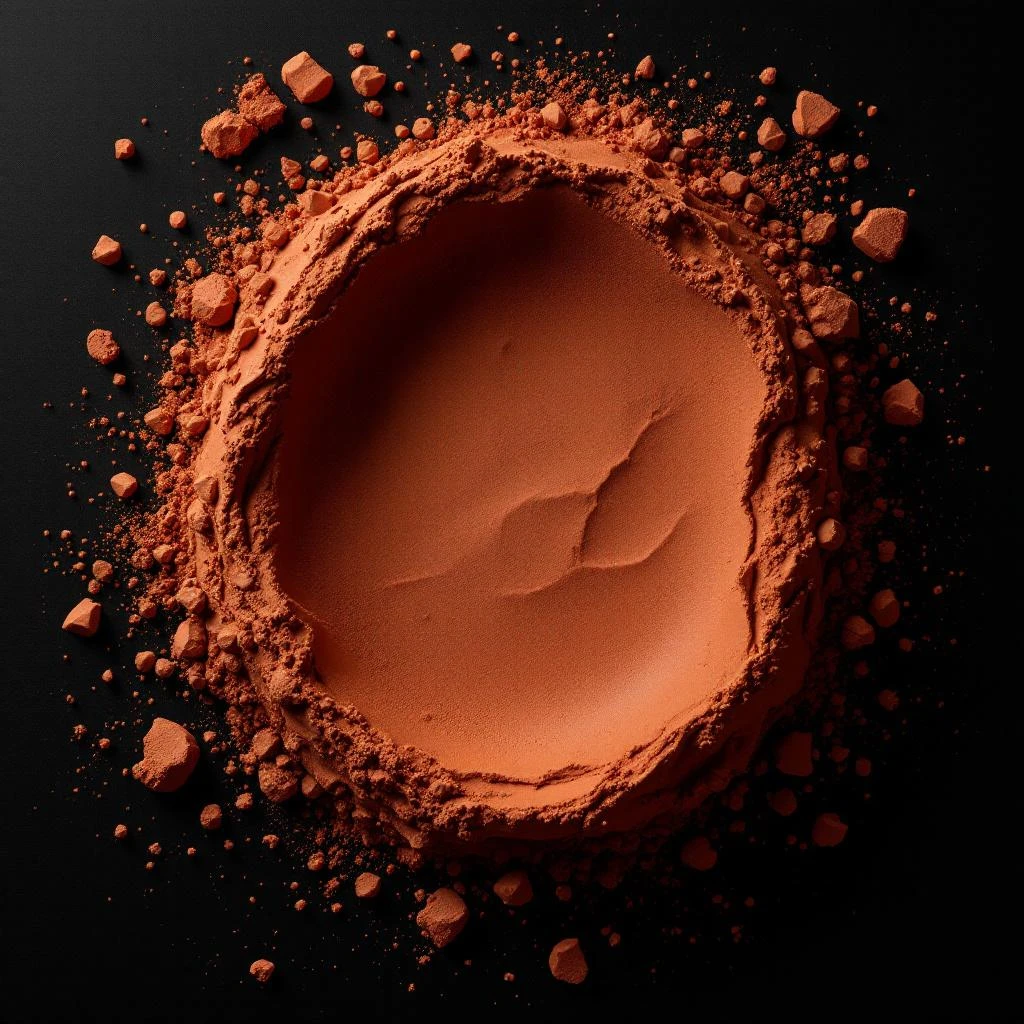
How it smells
Earth distilled to its quiet essence.
Kaolin clay has been used in cosmetics and ritual unguents for over 5,000 years, long before modern perfumers recognized its subtle mineral scent as a fragrance note.






Origin
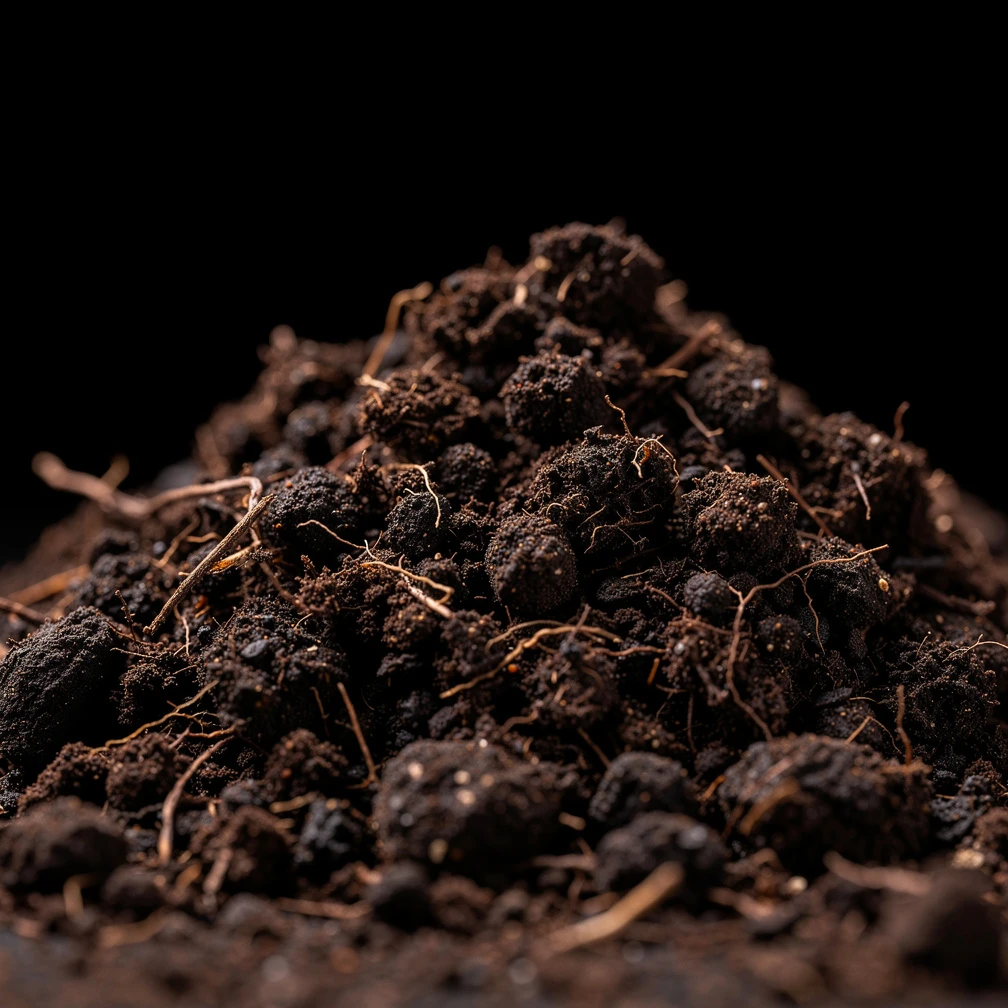
Multiple global sources
Clay predates written history. Long before distillation, ancient potters and healers across Mesopotamia, Egypt, and the Indus Valley recognized clay for its absorbent, purifying qualities. Egyptian priests incorporated clay into ceremonial balms and body preparations around 3000 BCE, often combining it with resins, myrrh, and rendered fats.
In traditional Japanese culture, refined clay featured in sumi ink and purification rituals, while Indigenous peoples of the Americas used earth-infused unguents for ceremonial painting. The transition of clay from material to olfactory note happened gradually. Niche perfumers of the late 20th century began experimenting with mineral accords to evoke geology, rain-soaked soil, and the dry quiet of deserts.
Today, clay stands as an unconventional note representing elemental landscapes, connecting modern fragrance to humanity’s earliest relationship with the earth itself.
Wears it best
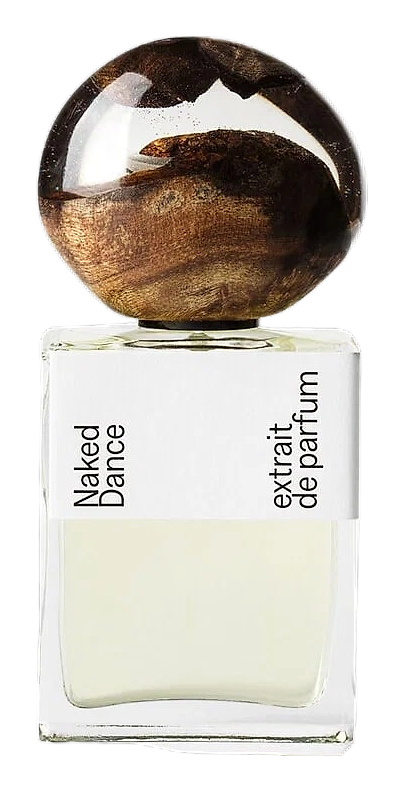
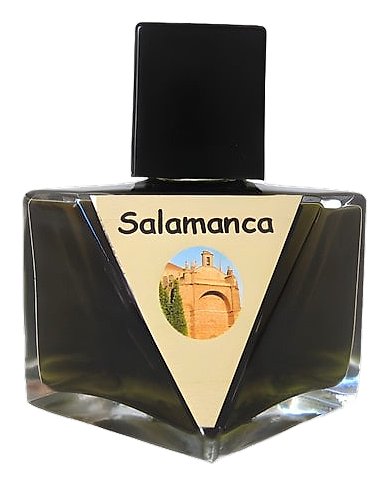
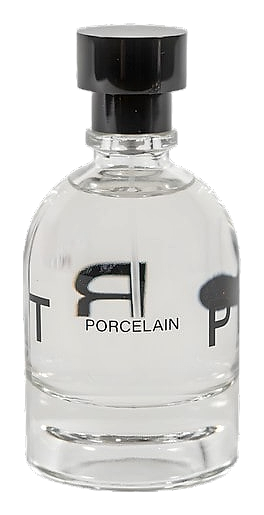
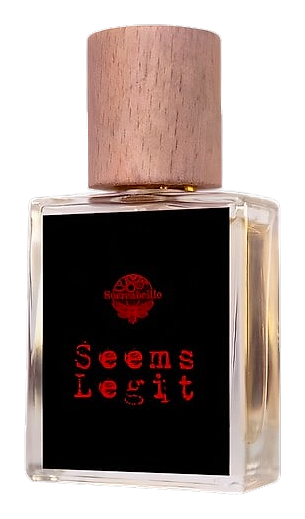
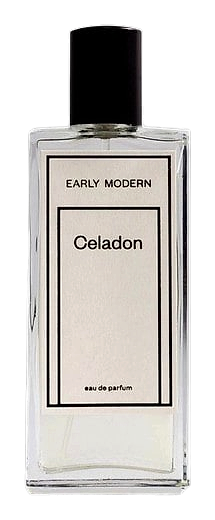
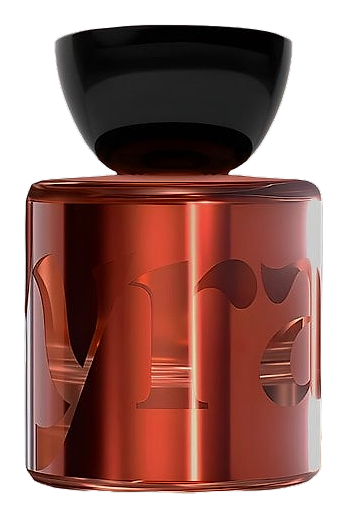
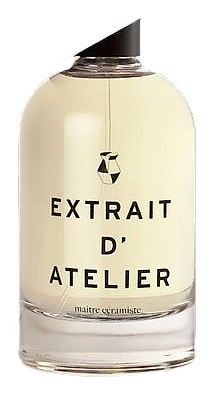
Fragrances featuring Clay

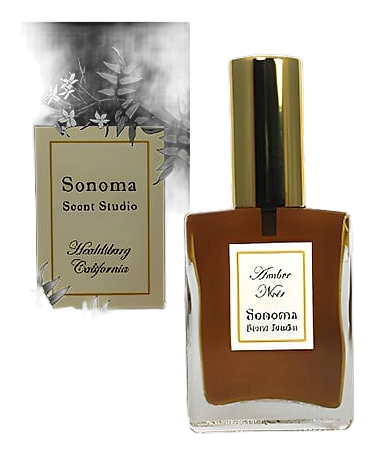
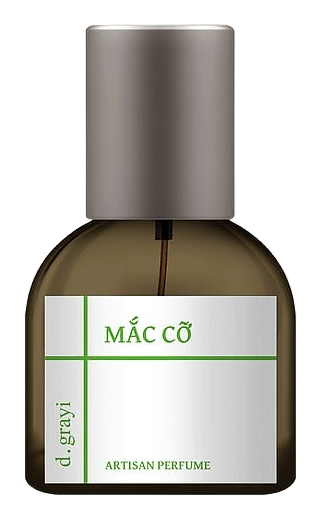
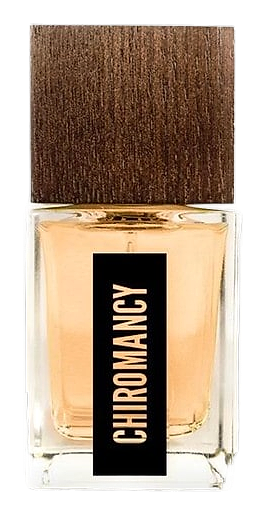
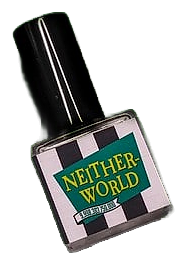
Brands
Brands known for Clay
Good to know
Questions, answered
The essentials on Clay in perfumery: how it smells, where it comes from, and how it behaves on skin.
What does clay smell like in perfume?
Clay produces a dry, powdery mineral warmth rather than a distinctive scent. It evokes petrichor, wet stone, and the quiet dustiness of earth after rain, grounding a composition with subtle weight and texture.
Is clay a natural fragrance ingredient?
Yes, though its role differs from botanical ingredients. Clay contributes mineral trace and particulate texture rather than volatile oils, and perfumers often pair real mineral powders with synthetic molecules like geosmin for consistency.
Can clay notes smell metallic or damp?
They can, intentionally. Because clay carries no essential oils, perfumers build its character using complementary molecules such as calone for wetness and georgywood for mineral dryness, creating those atmospheric metallic and damp impressions.
Why do perfumers use clay in formulations?
Clay acts as an anchoring and texturizing element. It softens sharp alcohol notes, adds a powdery haze, and extends the drydown of base ingredients like vetiver, oud, or amber by absorbing and slowly releasing aromatic compounds.
How is clay processed for use in fragrance?
Raw mineral clay is harvested, sun-dried, milled into fine powder, and sifted. Perfumers either blend this powder directly into formulas or steep it in alcohol to create a mineral infusion that carries subtle aqueous characteristics.
Is synthetic clay scent different from natural clay?
Synthetic accords offer consistency and intensity that natural mineral powders cannot reliably provide. However, they lack the tactile, grounding quality actual clay brings, which is why some artisans combine both approaches.
Does clay have its own essential oil?
No. Clay contains no volatile oils or aromatic compounds that distillation could capture. Its contribution comes from mineral interaction with other ingredients, which is a fundamentally different mechanism than botanical extraction.