Clearwood
Clearwood™ is a biotech-derived woody ingredient from Firmenich that captures the soul of patchouli without its earthiness. Created through precision fermentation in 2014, this sustainable material introduced a new paradigm: high-impact woody notes with radical transparency and a clean environmental profile.
Character
How it smells
Patchouli reimagined through the precision of biotechnology.
Clearwood® was the first fragrance ingredient ever produced through industrial fermentation, launching in 2014 and winning the SEPAWA innovation award the following year.







Origin
Switzerland
The 2014 launch of Clearwood® marked a milestone in fragrance chemistry, representing the first time a major fragrance house brought an industrially fermented ingredient to market. Firmenich collaborated with Amyris, applying insights from biofuel research to perfume production. The breakthrough came after scientists isolated the key gene responsible for patchoulol synthesis in 2006, enabling the engineering of microbial production platforms.
Clearwood® arrived amid growing demand for sustainable ingredients, offering perfumers the warm, woody character they craved without the heavy, earthy qualities that limited patchouli's versatility. Its success paved the way for biosynthetic alternatives to sandalwood, ambergris, and other precious naturals, reshaping how the industry thinks about naturality, performance, and environmental responsibility.
Wears it best
Fragrances featuring Clearwood
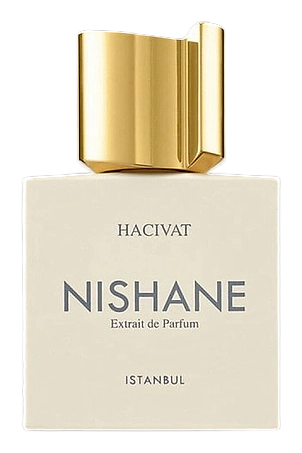
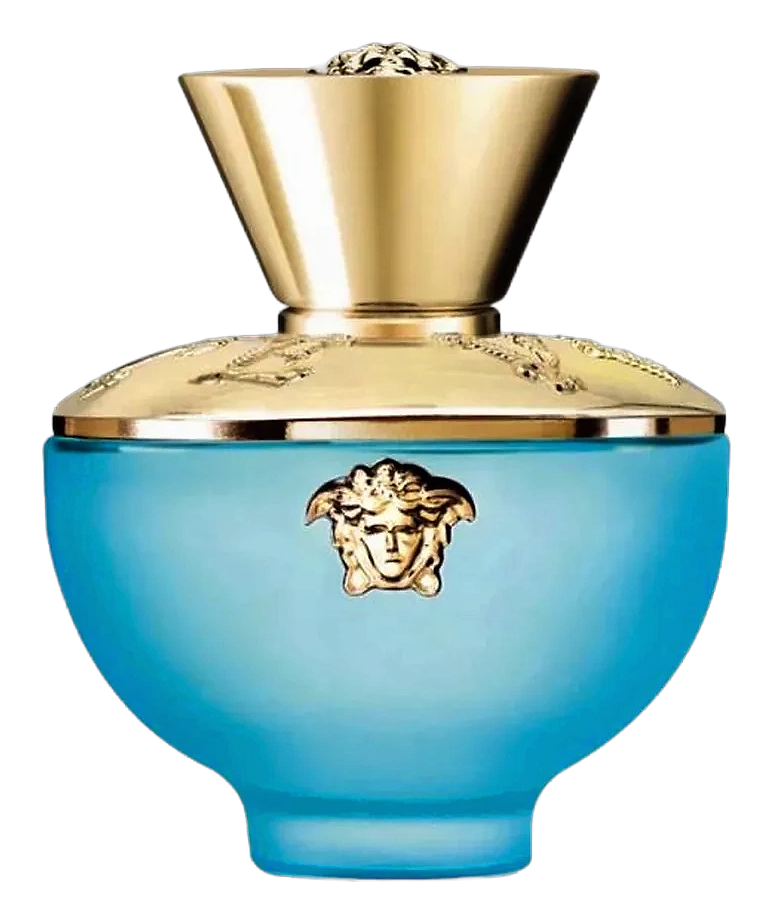
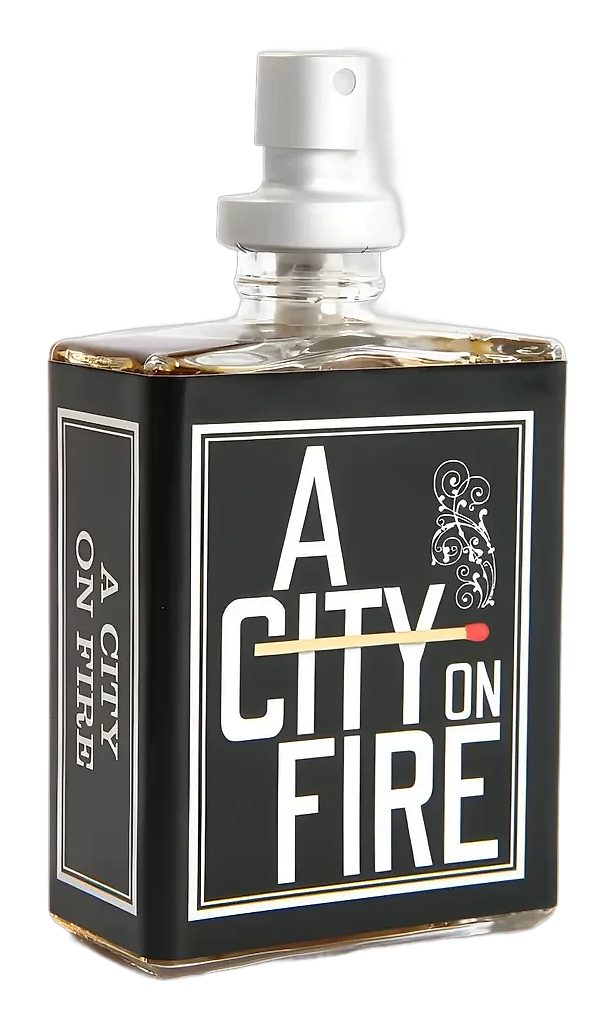
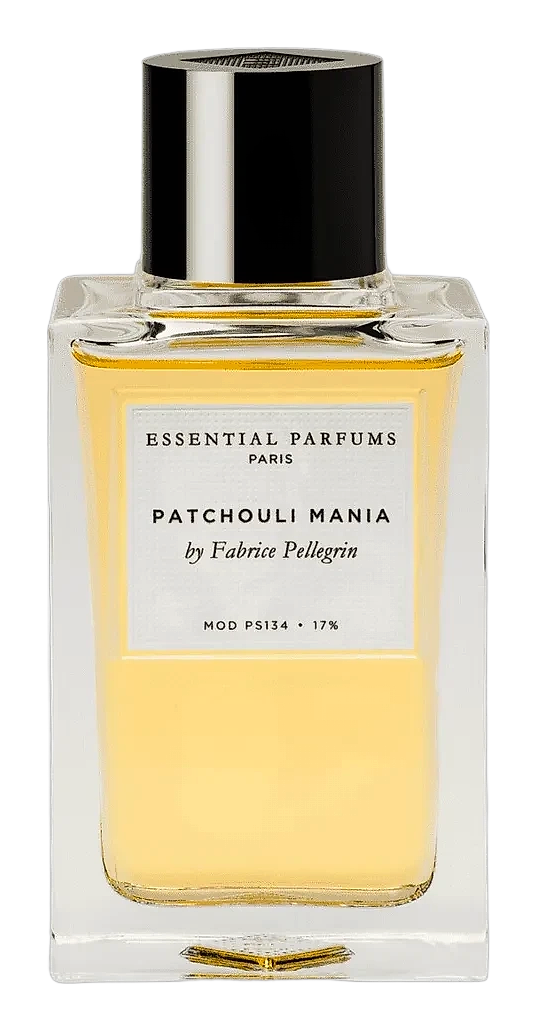
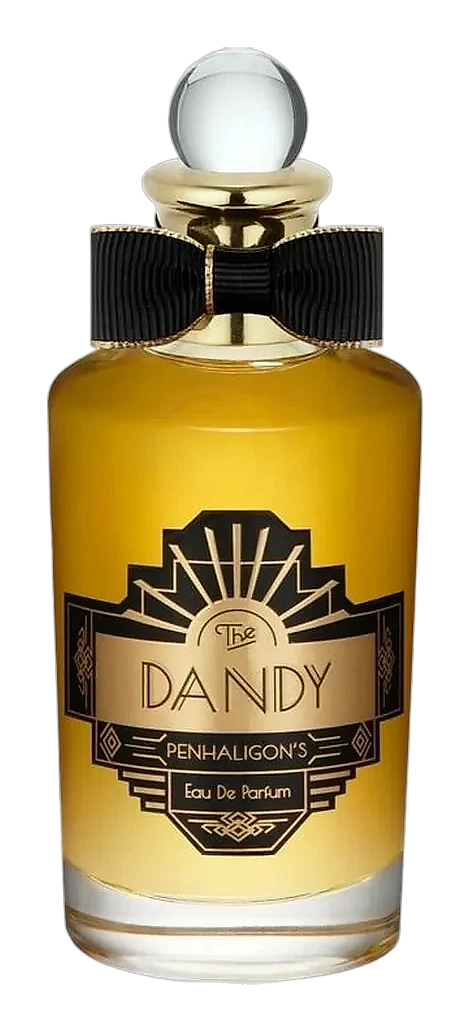

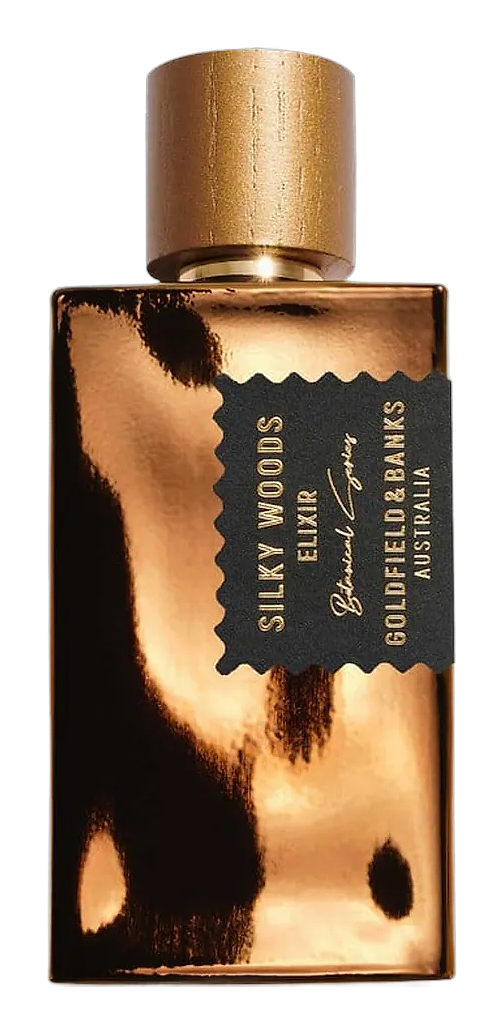
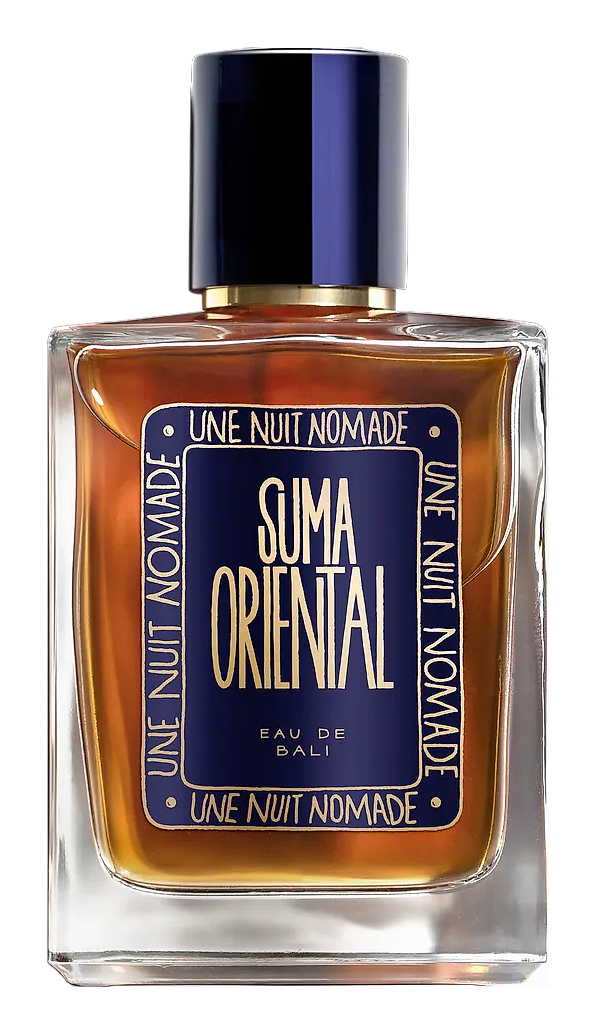
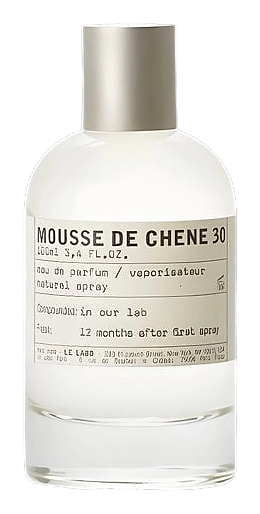
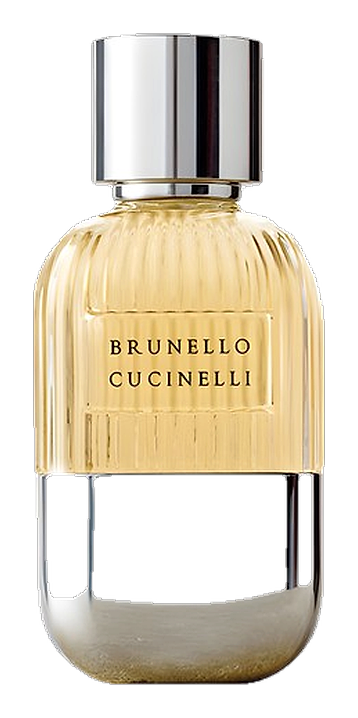
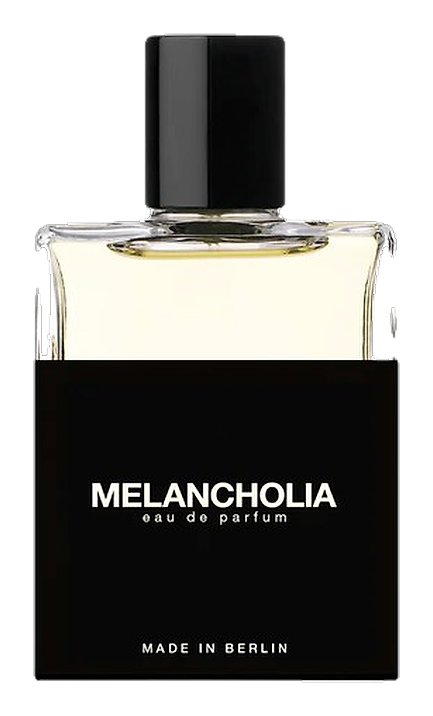
Brands
Brands known for Clearwood
Good to know
Questions, answered
The essentials on Clearwood in perfumery: how it smells, where it comes from, and how it behaves on skin.
What does Clearwood® smell like?
Clearwood® offers a soft, transparent woody-amber character with clean patchouli undertones. It captures the essential warmth and complexity of patchouli without the dark, earthy, leathery, or rubbery notes found in natural oil. The result is a light and airy woody material with soft musky nuances and excellent longevity.
How is Clearwood® produced?
Firmenich produces Clearwood® through precision fermentation. Sugar feedstocks feed engineered microorganisms that convert them into sesquiterpenes and alcohols identical to those in patchouli oil. This controlled process runs in bioreactors, eliminating agricultural variability and environmental impact while ensuring batch-to-batch consistency.
Is Clearwood® considered natural or synthetic?
Clearwood® occupies a category between natural and synthetic. The individual molecules exist in nature and match those in patchouli oil, but the ingredient itself is produced via microbial fermentation rather than plant extraction. Firmenich describes this as "white biotechnology"—a clean production method delivering naturality without traditional agriculture.
What makes Clearwood® different from patchouli essential oil?
Natural patchouli oil carries dark, heavy, earthy character that some perfumers find limiting. Clearwood® strips away that heaviness while retaining patchouli's core warmth and woody resonance. At typical perfumery dosages, it also avoids the sensitizer and irritant classifications that apply to some patchouli extracts.
In what fragrance products is Clearwood® used?
Clearwood® functions across the full fragrance spectrum, from fine perfumes to home care formulations. Its versatility stems from its clean odor profile and excellent substantivity—the ingredient remains detectable on skin for up to a week and maintains performance across diverse product bases.
What is the substantivity of Clearwood®?
Clearwood® demonstrates exceptional substantivity, lasting up to seven days on olfactory test strips under controlled conditions. This longevity makes it valuable for fine fragrance applications wheredurability matters, while its blending behavior allows perfumers to add volume without introducing heaviness.
When was Clearwood® launched?
Firmenich introduced Clearwood® in 2014, making it the first industrially produced fermentation-derived fragrance ingredient. The launch earned the prestigious SEPAWA innovation award in 2015 and opened the door for subsequent biosynthetic ingredients like Ambrox Super (2016) and Dreamwood (2020).
Is Clearwood® safe for use in cosmetics and fine fragrance?
At typical perfumery dosages, Clearwood® carries no classification as a skin sensitizer or irritant, with a flashpoint exceeding 100°C making it non-flammable under standard conditions. Regulatory identifiers include CAS numbers 84238-39-1 and 1450625-49-6 depending on region.