The Story
Why it exists.
The beginning
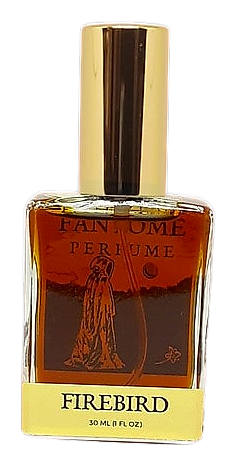
The Firebird is a creature from Slavic folklore, a golden bird whose feathers burn with eternal flame, whose apples grant immortality. In fairy tales, the Firebird is both prize and punishment: beautiful enough to destroy yourself reaching for. Fantôme built Firebird around that mythology, translating the idea of something precious and dangerous into a composition that burns bright, dims, then burns again. Bree Elliott designed this as a fragrance that arrives twice, the opening fireball, and a second orange blast hours later that feels like the bird returning.
What makes Firebird structurally unusual is its two-fire arc. Most fragrances have a linear evolution, opening fades, heart emerges, base lingers. Firebird breaks that pattern with a drydown that comes in like a second act: bold orange where you'd expect the smoke to have settled completely. The coal and grime notes ground what could become too precious, keeping the myth tethered to something earthier. The forest accord and green notes thread through the entire wear, so even at its warmest, there's a sense of canopy overhead.
The evolution
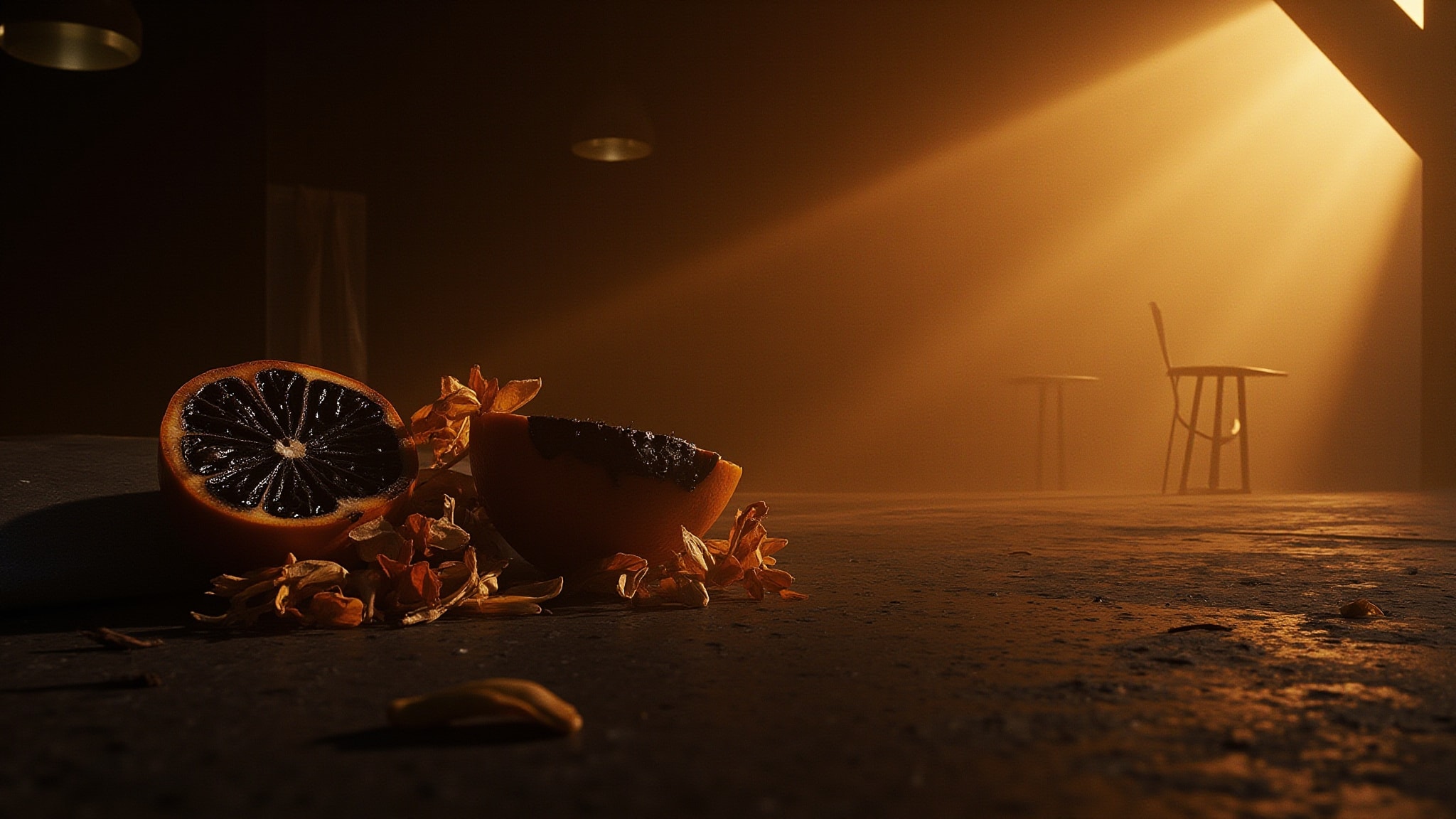
The first spray is a statement. Charcoal smoke hits immediately, not clean incense, something sourer, rougher. One reviewer described it as taking a fireball to the face. That harshness softens within minutes into something warmer: wood smoke, cloves, the apple and saffron reading as dried florals rather than fresh fruit. This is where the holiday potpourri comparison comes from, mulled wine, warm house, dried petals in a bowl. Around the four-hour mark, Firebird pulls its second act. The orange returns, and it returns loud. This time there's no smoke to soften it. The cloves are still there, but the brightness has taken over. On most skin, the drydown lasts another two hours, warm, fruity, slightly sweet. What lingers on clothes the next day is the faintest trace of embers and saffron.
Cultural impact
Firebird occupies a specific niche within indie perfumery: smoky fragrances for people who find most smoke notes too linear. The two-fire structure gives it something to discuss, the second orange blast is the detail that keeps people talking, the reason it gets revisited rather than simply worn. Among the indie smoke-and-spice offerings, it holds its own through narrative clarity and a structure that actually changes over wear.