Fire
Fire in perfumery describes a category of warm, spicy, and burning olfactory sensations created through ingredients like capsicum oleoresin, black pepper, and ginger. These materials deliver a physical sense of warmth alongside their aromatic profile, making Fire a distinctive functional note that activates the senses rather than merely telling them a story.
Character
How it smells
The primal warmth that awakens the skin and stirs the senses.
The capsaicin molecule responsible for chili's heat is also used in perfumery at dilutions below 0.05%, where it creates sensation without actual burning.






Origin
Multiple origins
Fire and fragrance share primordial origins. The earliest perfumes emerged from burning resins, where Mesopotamians around 2000 BCE discovered that heat transformed aromatic woods and gums into intoxicating smoke. This sacred practice spread through ancient Egypt, where Kyphi incense combined sixteen ingredients for religious ceremonies, and into Greece and Rome, where perfumed oils served both ritual and social purposes.
The word 'perfume' itself derives from the Latin 'per fumum,' meaning 'through smoke,' directly linking fragrance to fire. Throughout antiquity, heat remained the primary tool for releasing aromatic molecules. The 12th century brought Arab physicians who refined distillation techniques, but the fundamental relationship between heat and fragrance persisted.
Modern perfumery now separates the concept of fire as a production method from fire as an olfactory sensation. Contemporary chemists isolate capsaicin from chili peppers and synthesize burning molecules that create warmth without combustion. This represents a full circle, returning to nature's original heat-triggered aromatics while employing 21st-century precision to isolate exactly which molecules create the sensation of flame.
Wears it best
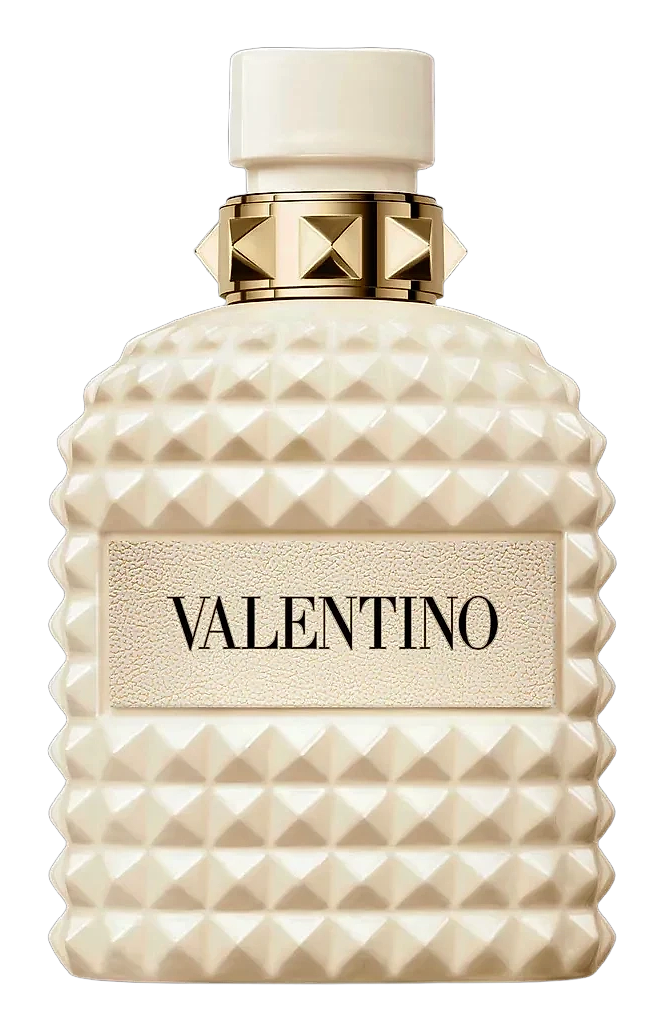
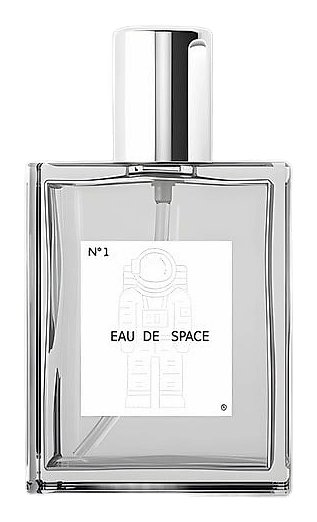
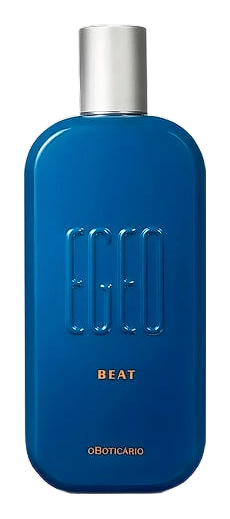
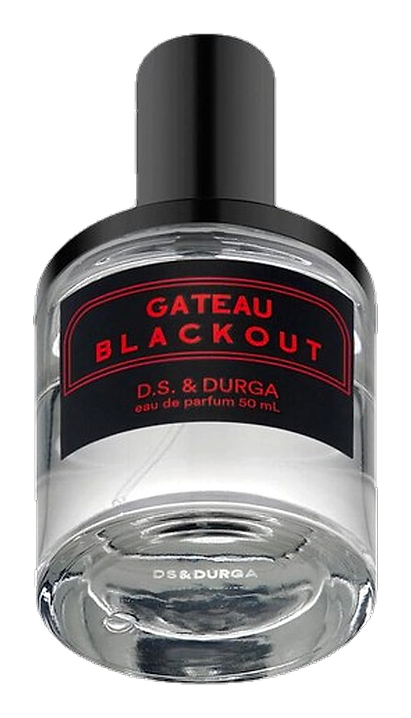
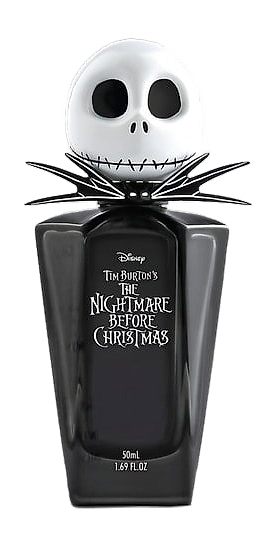
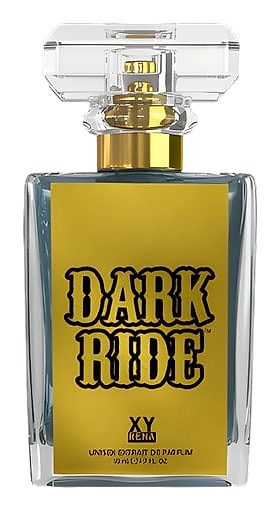
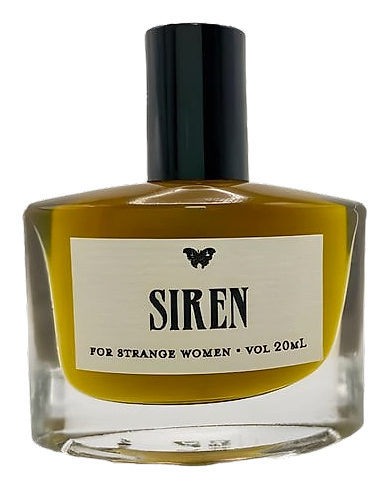
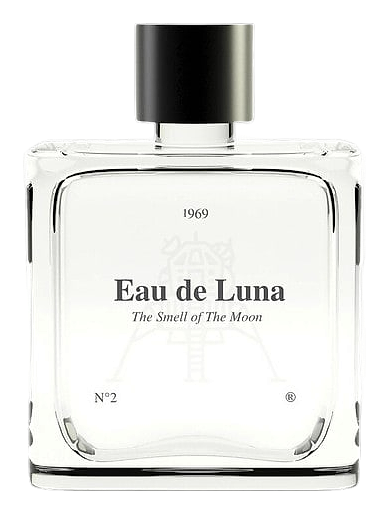
Fragrances featuring Fire

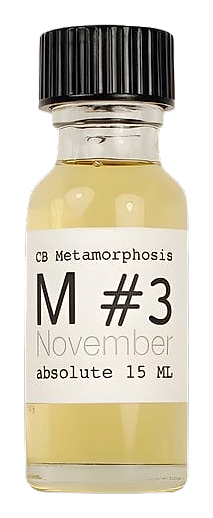
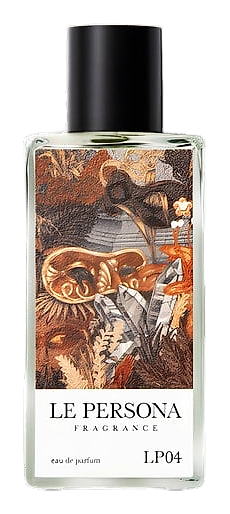
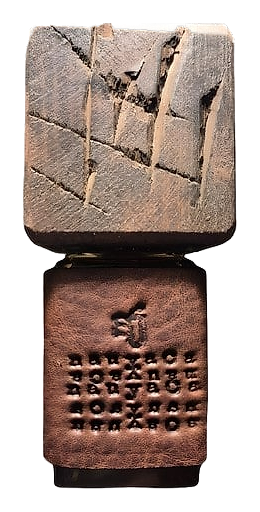
Good to know
Questions, answered
The essentials on Fire in perfumery: how it smells, where it comes from, and how it behaves on skin.
What does Fire smell like in perfume?
Fire notes smell warm, spicy, and slightly burning, evoking sensations of cracked pepper, simmering spices, and ember-like heat. Capsicum delivers a distinctly chili-like warmth while peppercorns contribute sharp, biting notes. These materials create an olfactory impression of heat that extends beyond traditional fragrance into physical sensation.
Why is Fire used in perfumery?
Fire notes create alert and warmth in fragrance compositions. Capsicum oleoresin, used at dilutions below 0.05%, generates a unique warming sensation that engages the trigeminal nerve. This physical response differentiates Fire notes from purely aromatic ingredients, adding depth and memorability to oriental and spicy fragrance families.
Is Fire in perfume natural or synthetic?
Fire materials exist in both natural and synthetic forms. Natural sources include capsicum oleoresin, black pepper oil, and clove bud oil. Synthetic alternatives like synthetic vanillin derivatives and capsaicin analogs offer consistent intensity and lower allergen profiles. Most luxury perfumery houses specify natural-origin Fire materials in fine fragrance formulations.
What famous perfumes contain Fire?
Fire notes appear prominently in oriental fragrances like Yves Saint Laurent Opium, Tom Ford Tobacco Vanille, and Dior Addict. Pepper and capsicum specifically feature in men's fragrances including Dolce & Gabbana The One and Bleu de Chanel. These materials have been documented in over 340 oriental-style fragrances since the 1970s.
Is Fire a top note, heart note, or base note?
Fire materials function across multiple positions depending on volatility. Black pepper oil acts as a top to heart note due to rapid evaporation of monoterpenes. Clove eugenol serves as a heart-to-base material with moderate tenacity. Capsicum oleoresin, used at very low concentrations, functions as a base note enhancer that extends warmth throughout drydown.
What notes pair well with Fire in perfume?
Fire notes combine naturally with vanilla, amber, and sandalwood in oriental compositions. Smoky materials like guaiac wood and birch tar amplify the burning quality. In contrast, citrus and marine notes temper fire, creating tension. The most effective pairings balance Fire's intensity against cool or sweet supporting materials.
How is Fire extracted?
Capsicum oleoresin undergoes solvent extraction yielding 4-10% of starting material, with capsaicinoid concentration determining heat intensity. Black pepper employs steam distillation of cracked peppercorns. Clove bud distillation yields 15-20% eugenol content. CO2 extraction increasingly produces higher-quality extracts with fuller aromatic profiles across all Fire materials.
Is Fire used in men's or women's fragrances?
Fire materials appear across gendered fragrance categories with notable presence in both markets. Pepper and capsicum dominate men's orientals, comprising approximately 60% of new launches using these materials since 2018. However, women's fragrances featuring Fire notes in combination with florals and vanilla have grown 35% in the same period, showing expanding appeal.