The Story
Why it exists.
The beginning
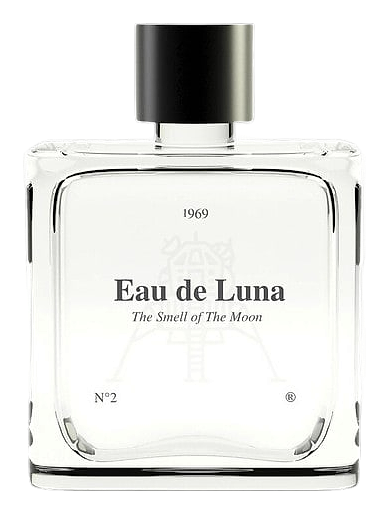
The story starts with a question NASA couldn't stop asking: what does the moon smell like? Apollo astronauts reported a distinctive aroma when they removed their helmets after moonwalks, dry, smoky, nothing like Earth's forests or oceans. Spent gunpowder, some said. Lunar dust, others added. The smell existed, but no one had ever bottled it. Eau de Space decided to change that. Working from published accounts of the lunar surface aroma, they commissioned perfumer Steve Pearce to recreate the smell that traveled back with humanity's first moonwalkers. The result is not a perfume in the traditional sense. It's a souvenir from a place that exists in history and imagination simultaneously, an olfactory artifact of the moment humans left Earth and came back carrying scent memories no one expected to have.
The composition leans into what astronauts described: a dry, smoky mineral character that reads as both familiar and completely alien. Fire, smoke, and gunpowder form the core, not as metaphor, but as direct translation of the reported experience. The fragrance doesn't try to soften or domesticate what the moon smells like. It presents it as stated: mineral dust, spent powder, the absence of oxygen. What makes it unusual is how wearable it remains despite the strangeness. The smoke is present but not aggressive. The gunpowder reads more as mineral dust than explosive residue. It occupies a narrow space: interesting enough to discuss, comfortable enough to wear.
The evolution
The opening hits mineral first, not citrus, not sweetness, but the smell of something crushed underfoot. Dry earth, chalk, the residue of impact. Within minutes smoke rises through it, not the roaring kind but something already spent, cooling. The fire note arrives as warmth rather than heat, a banked ember quality that sits close to the skin. It moves through a phase where gunpowder becomes more distinct, that dry, slightly gritty character that gives the fragrance its name recognition. Then it settles. What lingers is the smoky-earthy foundation, softened now by something almost powdery, almost sweet but not quite. The drydown on clothing reads as a faint memory: distant fire, old dust, the exhale of a moment that already passed. On skin it holds 8 to 10 hours, fading slowly rather than dropping off. The next morning, a faint trace remains, mineral and quiet, like the smell of a room someone just left.
Cultural impact
Eau de Luna occupies a specific niche: fragrance as experience rather than expression. Wearers describe it as the scent of a place rather than a person, mineral, dusty, elemental. It shares territory with Tauer Perfumes and the dry, mortar-like compositions that reference architectural materials rather than flowers. The comparison to Michael Storer's work and the LDDM by Tauer is apt: this is fragrance for people who want to smell interesting rather than attractive. What sets it apart is the lunar concept, not metaphor but documented reality, translated into scent.