
The Story
Why it exists.
The beginning
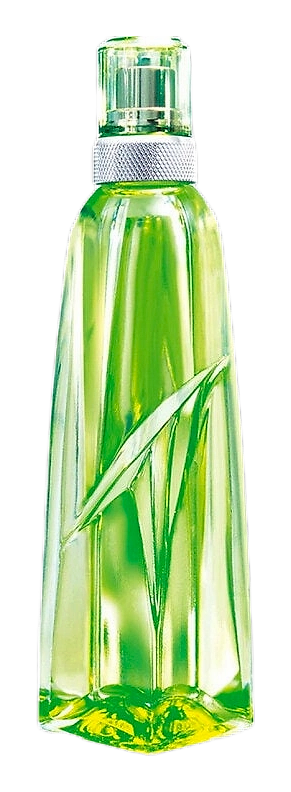
Thierry Mugler returned from Morocco with a bar of soap and an obsession. Not the kind that leads to oud extremes or jasmine absolutes, but the smell of clean skin, the simplest possible benchmark for a fragrance. He handed that bar to Alberto Morillas, the perfumer behindCK One and numerous other citrus landmarks, and gave him a single instruction: bottle that feeling. Morillas approached the challenge with his characteristic restraint, building the composition around materials that read as clean rather than decorative. Bergamot, neroli, and petitgrain form the opening, all materials that smell like sunlight on skin. African orange flower anchors the heart, and musk brings the drydown back to the original bar of soap. The simplicity is the point, and the precision required to achieve it is considerable.
Morillas has spoken about the challenge of making simple materials do complex work. In Mugler Cologne, bergamot, neroli, and petitgrain are not placeholders or top-note window dressing; they are the primary statement, and they carry the fragrance's entire concept. The African orange flower in the heart is the only concession to richness, a material that adds warmth without adding weight. Musk at the base is the philosopher's move, the note that allows everything before it to be understood as an expression of cleanliness rather than decoration. The pairing is deliberate: citrus materials that smell like morning, orange flower that smells like warmth, and musk that smells like the skin beneath both.
The evolution
The opening unfolds quickly: bergamot hits first, bright and almost bitter, followed within seconds by neroli and petitgrain. Petitgrain brings a green, leaf-like quality that prevents the citrus from reading as sweet or edible. This phase lasts approximately ten minutes before the African orange flower rises. The heart material is concentrated, waxy, and more full-bodied than a standard orange blossom note. It sits close to the skin but introduces a warmth that the top notes lacked, pushing the fragrance from sharp freshness into something more intimate. The transition to the drydown is gradual, the musk coming in as the orange flower fades. By the final phase, what remains is skin-like, warm, and clean, the fragrance having completed its journey from citrus clarity to floral body to soap memory.
Cultural impact
Mugler Cologne exists in an interesting space: beloved by those who understand it, dismissed by those expecting the house's typical audacity. The 'scrubber' label, a community term for fragrances that smell aggressively clean, cut both ways. For some, it was a disqualifier. For others, it was the entire appeal. The fragrance never achieved Angel's commercial dominance, but it found its audience among people who wanted Mugler's quality without Mugler's intensity. It's the house's quietest statement, and arguably its most honest one.