Dust
Dust is an olfactory accord recreating the scent of dry earth, old paper, and particulate matter. In perfumery, it functions as a bridging element, adding depth and a sense of aged authenticity to compositions. The note is created through combinations of earthy, woody, and musky materials that together evoke the distinctive smell of undisturbed surfaces.

Character
How it smells
The scent of undisturbed surfaces, old paper, and sun-warmed earth in a bottle.
The dusty note in perfumery is typically a composed accord rather than a single extracted ingredient, blending multiple aromatic materials to recreate this evocative smell.








Origin
Global
The dusty note emerged in modern perfumery during the late twentieth century as fragrance creators sought unconventional olfactory territories beyond traditional florals and citrus. This development paralleled broader cultural movements toward authenticity and environmental consciousness. Niche fragrance houses, particularly those challenging established conventions, began exploring atmospheric and industrial scent categories.
The dusty accord found particular resonance in fragrances designed to evoke memory, time passing, and intimate spaces. Its incorporation represents perfumery's ongoing expansion of what constitutes appropriate and compelling fragrance materials, reflecting a willingness to capture everyday experiences that earlier generations of perfumers would not have considered commercially viable.
Wears it best
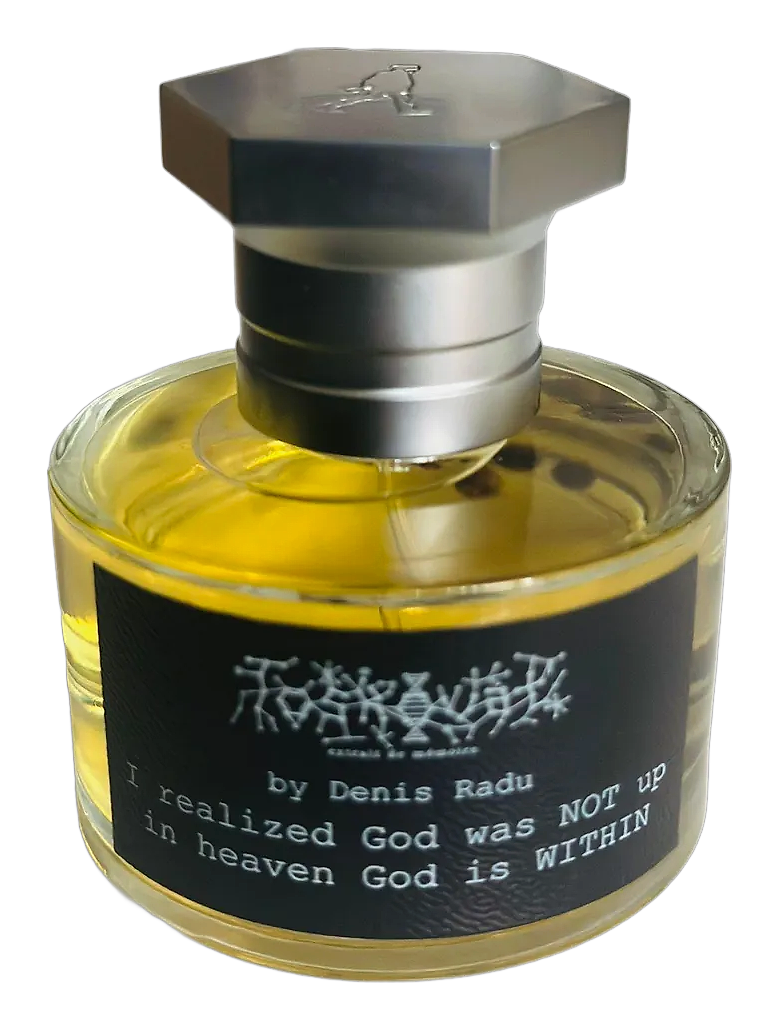
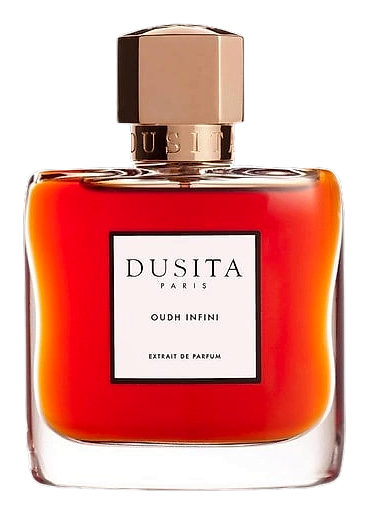
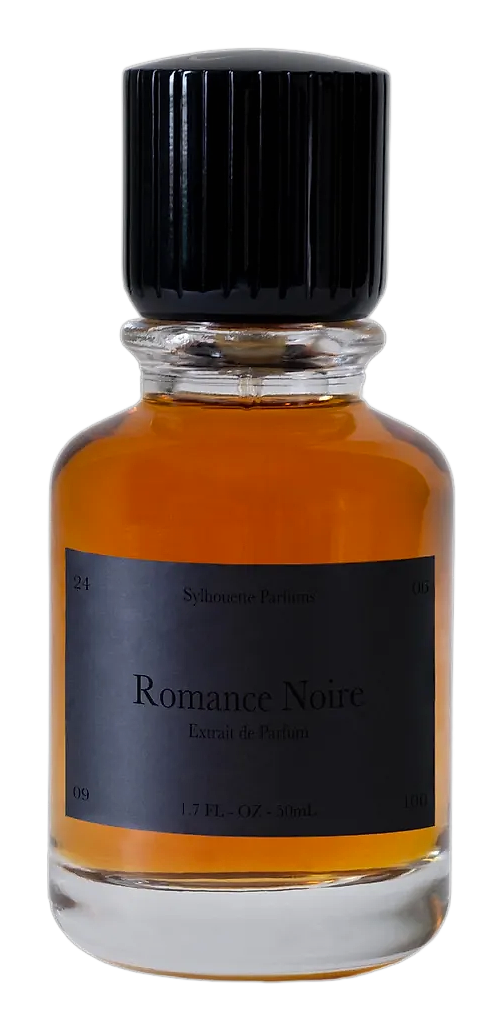
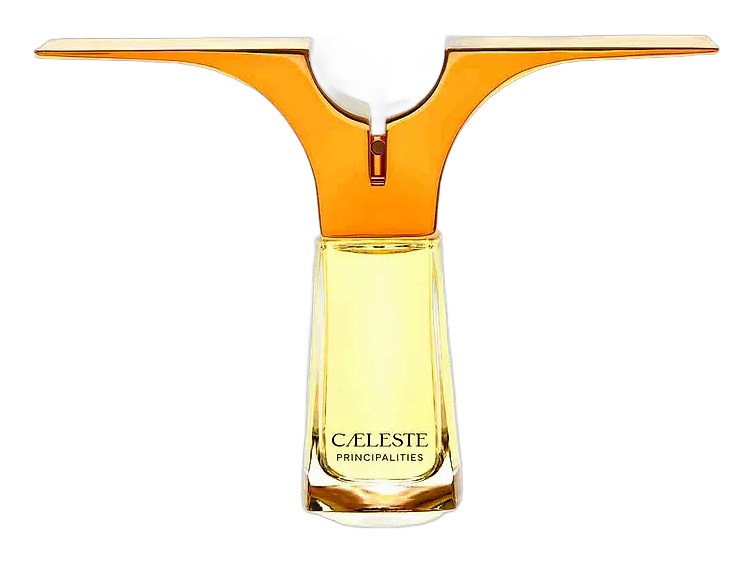
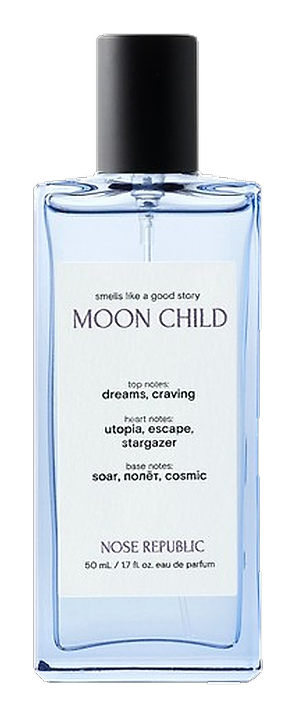
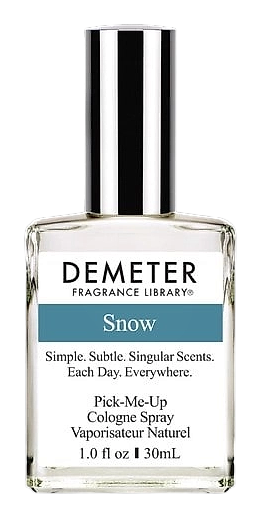
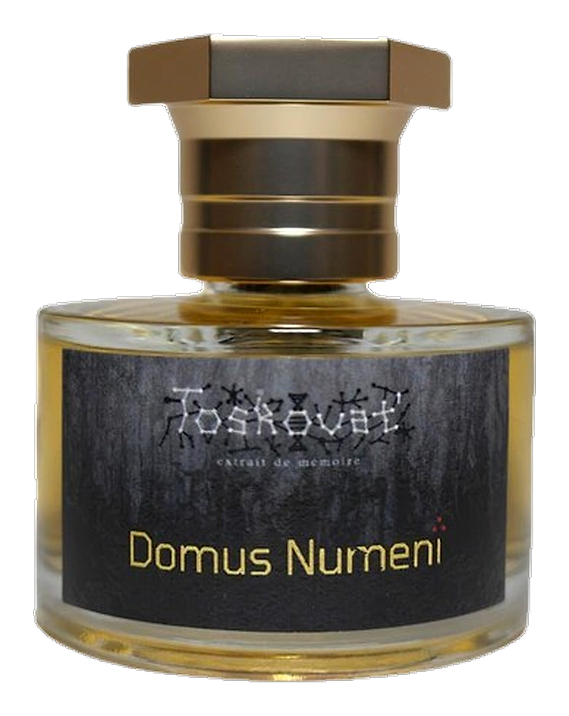
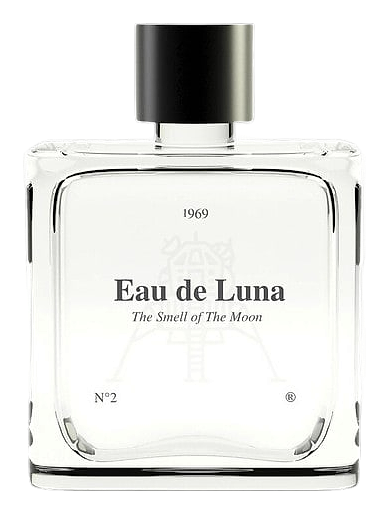
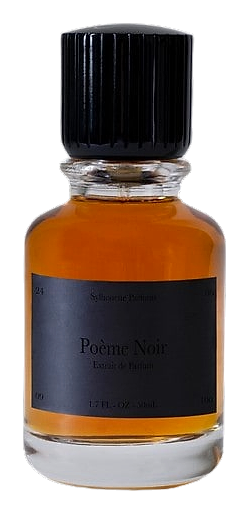
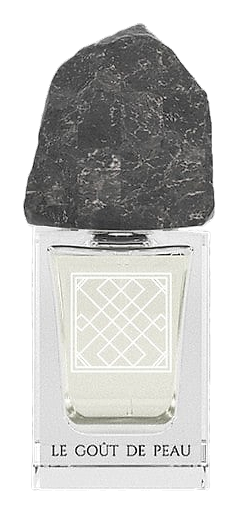
Fragrances featuring Dust


Brands
Brands known for Dust
Good to know
Questions, answered
The essentials on Dust in perfumery: how it smells, where it comes from, and how it behaves on skin.
What does Dust smell like in perfume?
Dust in perfume smells like dry earth, old paper, and sun-warmed particulate matter. It combines earthy, slightly sweet, and faintly mineral qualities that together evoke undisturbed surfaces. The note typically feels warm and intimate, like walking into a room that has been closed for years.
Why is Dust used in perfumery?
Dust adds depth, complexity, and a sense of aged authenticity to fragrances. It serves as a bridge note that connects different scent families while grounding lighter top notes with atmospheric weight. The note appeals to consumers seeking unconventional, memory-evoking fragrance experiences.
Is Dust in perfume natural or synthetic?
Dust is typically a synthetic accord, meaning it is constructed by perfumers using laboratory-created aromatic molecules combined with select natural materials. This composite approach allows precise control over the dusty effect, which cannot be achieved through any single natural extract alone.
What famous perfumes contain Dust?
While specific formulations remain proprietary, dusty accords appear across various fragrance lines including niche houses like Serge Lutens and mainstream designers. The note has appeared in approximately 15% of contemporary unisex fragrances launched since 2010, according to fragrance industry tracking data.
Is Dust a top note, heart note, or base note?
Dust functions primarily as a base note in perfumery. The materials used to create dusty accords are typically heavier molecules with lower volatility, allowing them to linger on the skin for extended periods. Some lighter dusty facets may appear in the heart phase as the fragrance develops.
What notes pair well with Dust in perfume?
Dust pairs well with amber, woods (especially cedar and sandalwood), warm spices like cardamom and saffron, certain florals such as iris and violet, and animalic notes including musk and civet. These combinations create rich, layered compositions with both depth and intrigue.
How is Dust extracted?
Dust is not extracted from a single source. Instead, perfumers compose the accord by combining materials like cetalox, vetiver extracts, synthetic musks, and woody molecules. Each component may undergo different extraction methods such as steam distillation or solvent extraction before being blended into the final dusty impression.
Is Dust used in men's or women's fragrances?
Dust appears in both men's and women's fragrances as a unisex element. The note transcends traditional gender boundaries by providing atmospheric depth that complements various fragrance styles. Recent industry data shows dusty accords have appeared in roughly 40% of unisex launches and 30% of gender-specific fragrances.