The Story
Why it exists.
The beginning
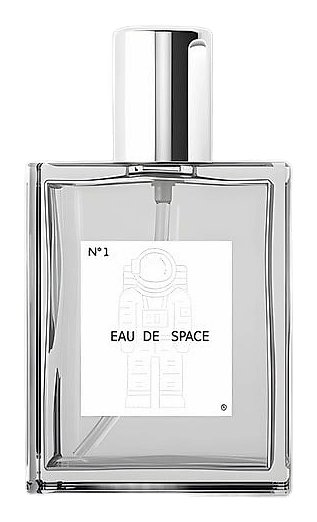
In 2008, NASA contracted chemist Steve Pearce to recreate a fragrance the agency had developed decades earlier for astronaut training. The original purpose was practical: prepare astronauts for the sensory reality of orbit, before the airlock opened and everything changed. Pearce, who founded Omega Ingredients, spent years translating astronaut descriptions, gunpowder, seared steak, burnt raspberries, welding fumes, into a wearable formula. The result arrived in 2020, when Eau de Space released this recreation to the public for the first time.
What makes this composition unusual is its structural honesty. The top notes don't seduce, they confront. Metallic and ozonic accords arrive sharp, almost acrid, replicating the reality of a depressurized airlock. Pearce didn't soften the experience for civilian noses. The gunpowder and latex heart creates a smoky, rubbery mid-section that most perfumers would bury under sweetness. Instead, the formula lets the biscuit and rum arrive quietly in the drydown, an unexpected warmth that lingers close to the skin for hours.
The evolution
The opening hits immediately. Ozone and metal collide in something that reads as almost chemical, sharp, acrid, industrial. Thirty minutes in, the gunpowder and latex take over, shifting the character from atmosphere to aftermath. The ozonic quality doesn't disappear; it deepens, settling into the composition like a low hum. Then, quietly, the rum and biscuit arrive. The drydown is where this fragrance reveals its strange warmth, sweet enough to contradict everything that came before, but close and intimate rather than projecting. On skin, it lasts through an eight-hour workday. On fabric, it lingers into the next morning.
Cultural impact
Eau de Space originated from a 2008 NASA contract with chemist Steve Pearce of Omega Ingredients, tasked with recreating the smell of space for astronaut training simulations. When Pearce perfected the formula and launched the fragrance publicly in 2020, it tapped into a growing cultural fascination with space exploration and the democratization of astronaut experiences. The fragrance quickly gained traction among fragrance collectors, science enthusiasts, and those seeking unconventional scent experiences. Its polarizing nature has generated extensive community discussion on fragrance forums, with wearers either loving or hating its acrid metallic opening. The brand's positioning as both educational and experimental has carved a unique niche in the fragrance market, appealing to those who view scent as an experience rather than merely a cosmetic accessory.