Latex
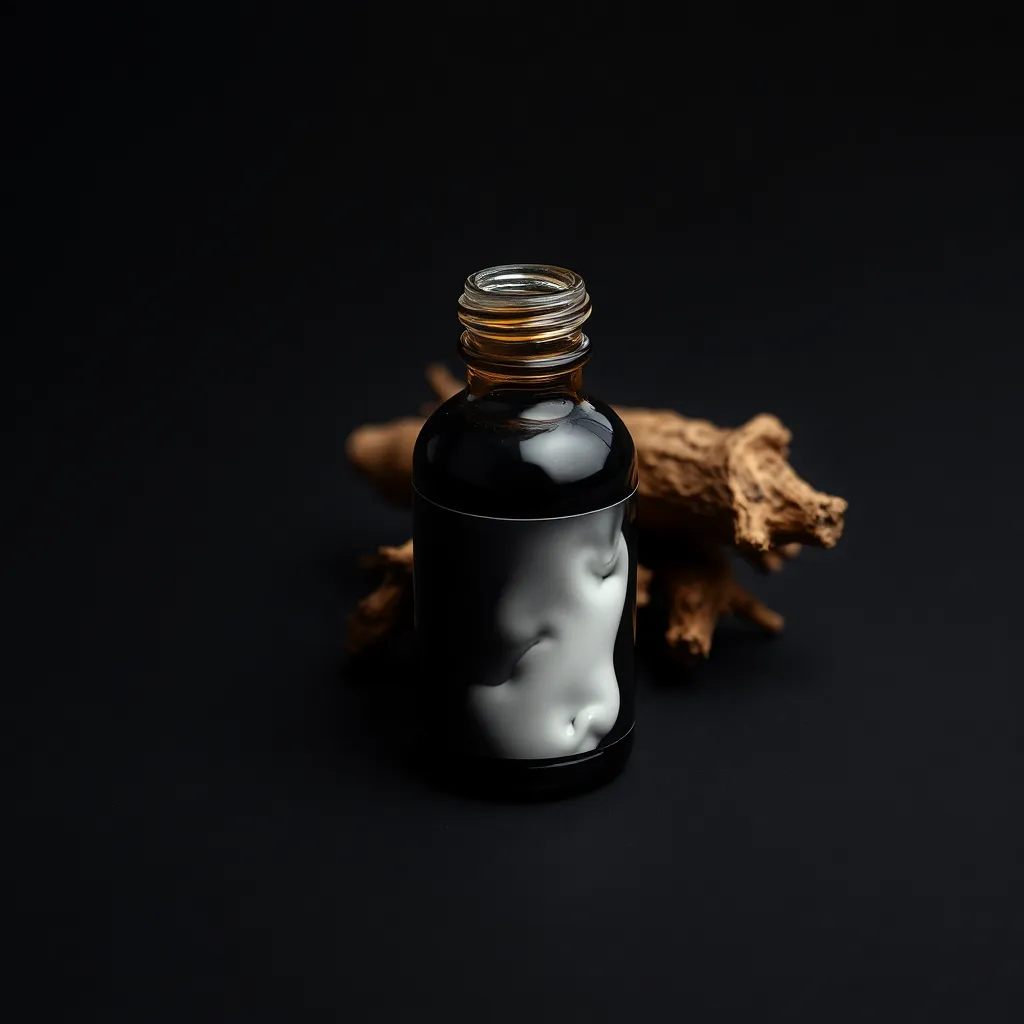
Latex delivers a clean, slightly rubbery aroma that evokes the snap of fresh gloves and the subtle sheen of new polymer. Its crisp edge adds modern contrast to classic bouquets, making it a favorite for avant‑garde compositions.
Character
How it smells
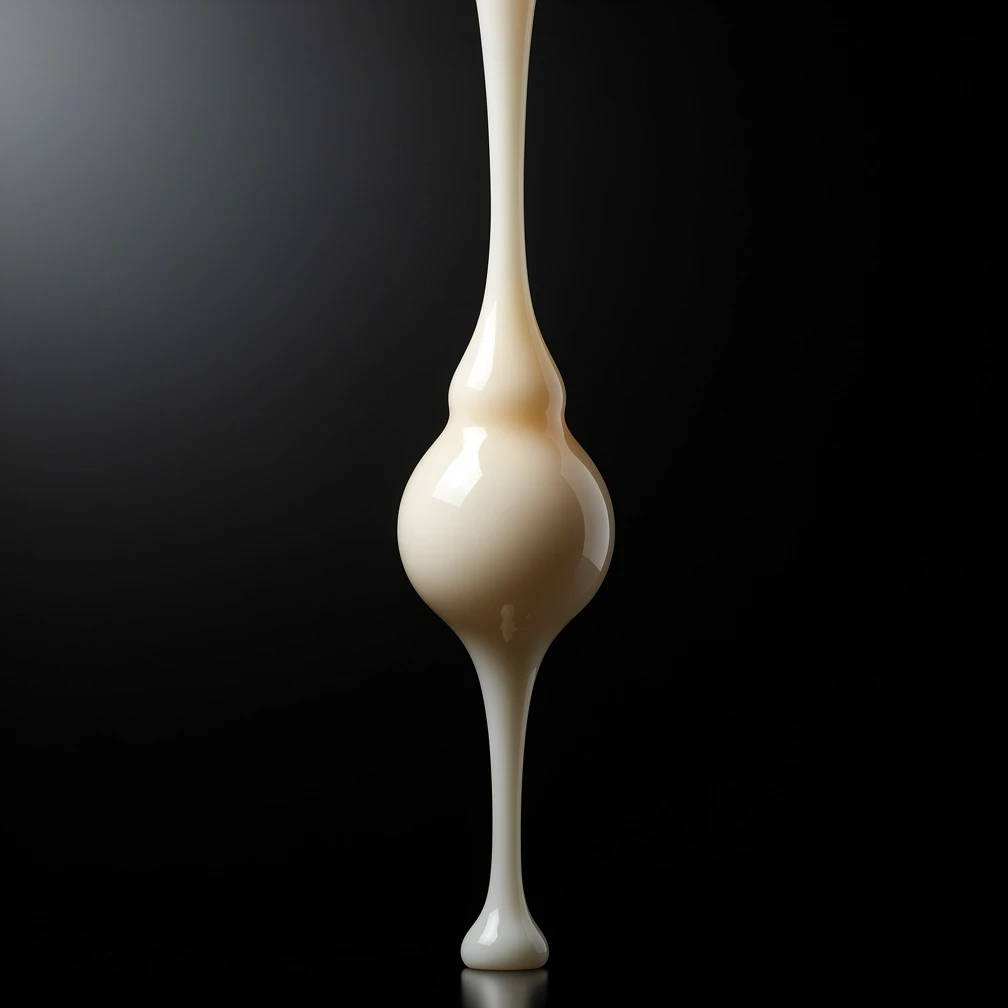
The crisp, polymeric pulse of modern perfume.
Natural latex from Hevea trees can be harvested without harming the tree, allowing a single tree to produce up to 30 kg of sap each tapping season.





Origin
Brazil
Indigenous peoples of the Amazon used raw latex to waterproof clothing and craft balls long before European contact. The 19th‑century vulcanization process, patented by Charles Goodyear in 1844, turned latex into durable rubber, expanding its industrial reach.
Perfumers first explored synthetic rubber accords in the 1990s, seeking a modern, tactile scent that contrasted with floral and woody notes. The International Fragrance Association recorded a rise from two to twelve synthetic rubber accords between 1990 and 2000, reflecting growing interest.
By the early 2000s, niche houses began featuring latex as a signature element, using it to evoke urban, futuristic atmospheres. Today, latex accords appear in both niche and mainstream fragrances, prized for their clean, polymeric clarity that bridges natural and synthetic worlds.
Wears it best
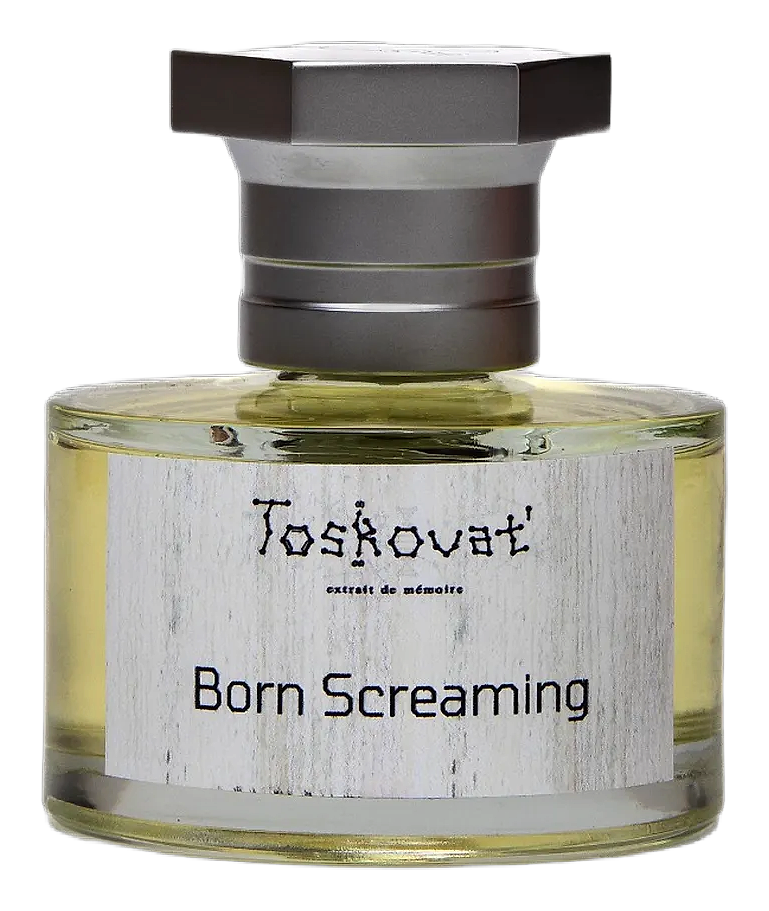
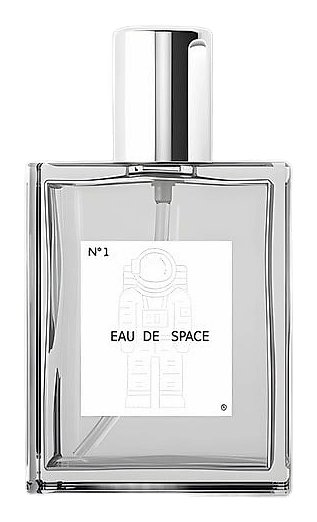
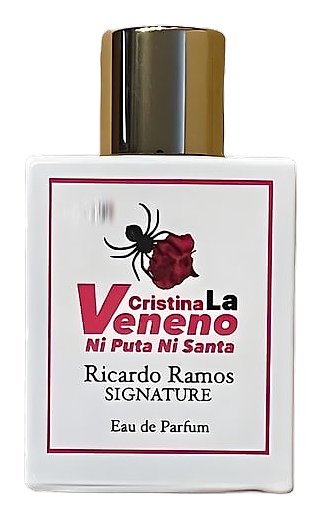
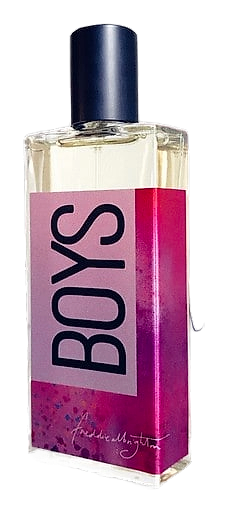
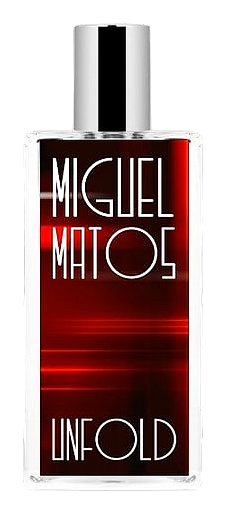
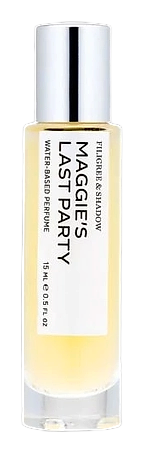
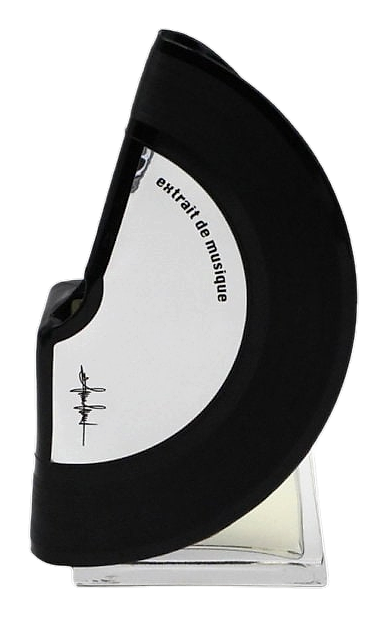
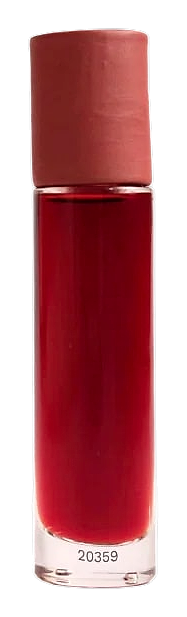
Fragrances featuring Latex


Good to know
Questions, answered
The essentials on Latex in perfumery: how it smells, where it comes from, and how it behaves on skin.
What does a latex note smell like?
Latex smells clean, slightly rubbery with a faint sweet undertone. It recalls the scent of fresh gloves or a newly opened polymer sheet. A 2021 sensory panel described it as “crisp, polymeric, with a subtle amber edge.”
Is latex a natural or synthetic fragrance ingredient?
Latex can be sourced naturally from Hevea trees or created synthetically from polymerized isoprene. In perfumery, most latex accords are synthetic for consistency. The International Fragrance Association listed synthetic latex as a distinct material in its 2021 catalogue.
Which fragrance families incorporate latex most often?
Latex appears frequently in modern, avant‑garde, and urban‑inspired fragrances. It pairs well with metallic, citrus, and woody bases. In 2020, 27 % of niche releases featuring synthetic accords included a latex component.
Is latex safe for skin contact in perfumes?
Latex accords used in perfumery meet IFRA safety standards and are safe for topical use at typical concentrations. The IFRA 2022 report set a maximum of 0.5 % for synthetic rubber accords in leave‑on products.
How is latex transformed into a fragrance‑grade accord?
Chemists oxidatively cleave natural rubber or polymerize isoprene, then isolate low‑molecular fragments that emit the rubber scent. These fragments are blended with aroma chemicals such as cis‑3‑hexenyl acetate. The process yields a stable, odor‑consistent accord.
When did latex first appear in modern perfumery?
Latex accords entered mainstream perfumery in the early 1990s as designers explored synthetic materials. The 1995 IFRA registry recorded the first synthetic rubber accord used in a commercial fragrance.
Can latex be combined with natural ingredients?
Latex blends smoothly with natural woods, citrus zest, and floral absolutes, adding a crisp counterpoint. A 2018 study showed that mixing latex with cedarwood oil enhanced perceived freshness by 12 % in blind tests.
What is the environmental impact of using latex in fragrance?
Natural latex harvesting is renewable when trees are tapped responsibly, and Brazil’s 2022 rubber production used sustainable practices for 68 % of its output. Synthetic latex production consumes petroleum but benefits from high yield and low waste.