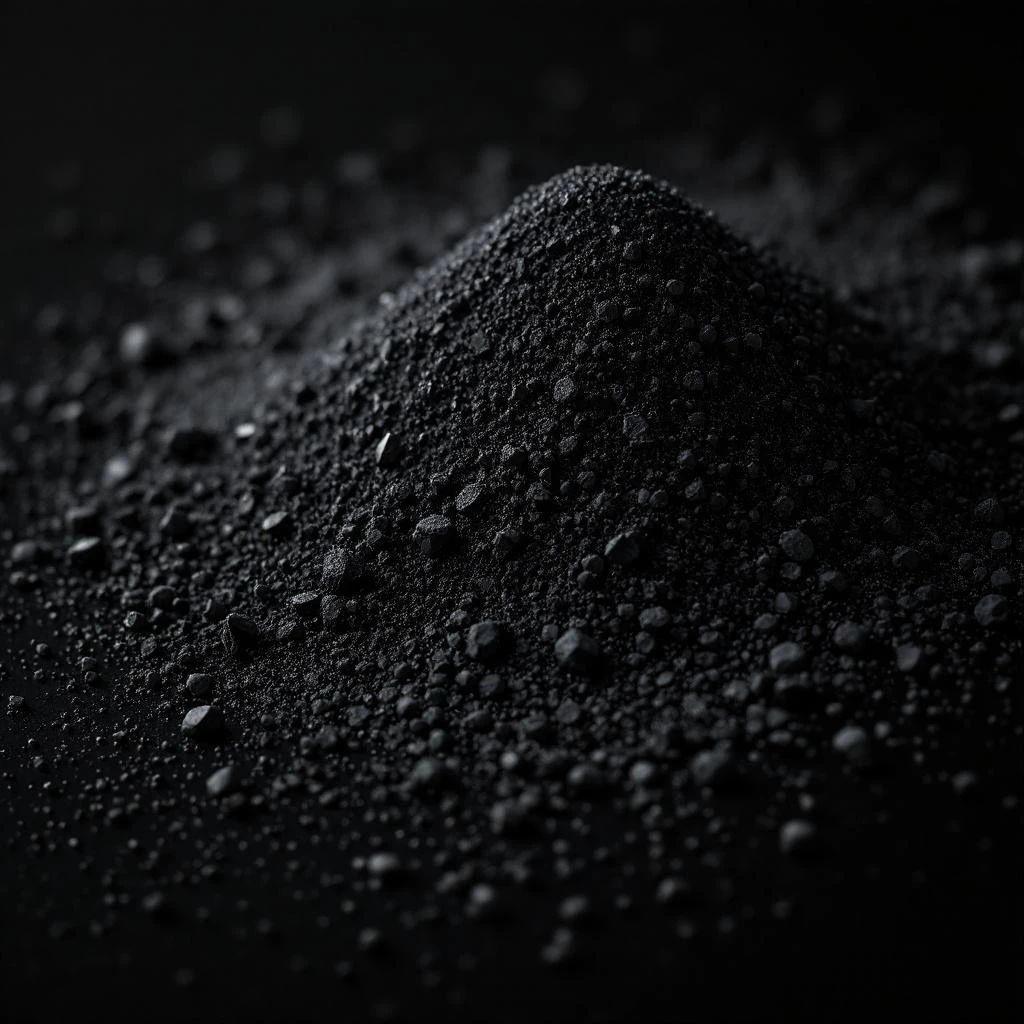
Coal
Coal in perfumery refers to aromatic materials derived from carbon-rich mineral deposits, typically coal tar oil. It delivers a distinctively smoky, mineral, and ashy character that adds atmospheric depth to fragrance compositions. The ingredient functions as a base note, lending weight and a lingering smoky trail that evokes charred warmth and industrial authenticity.
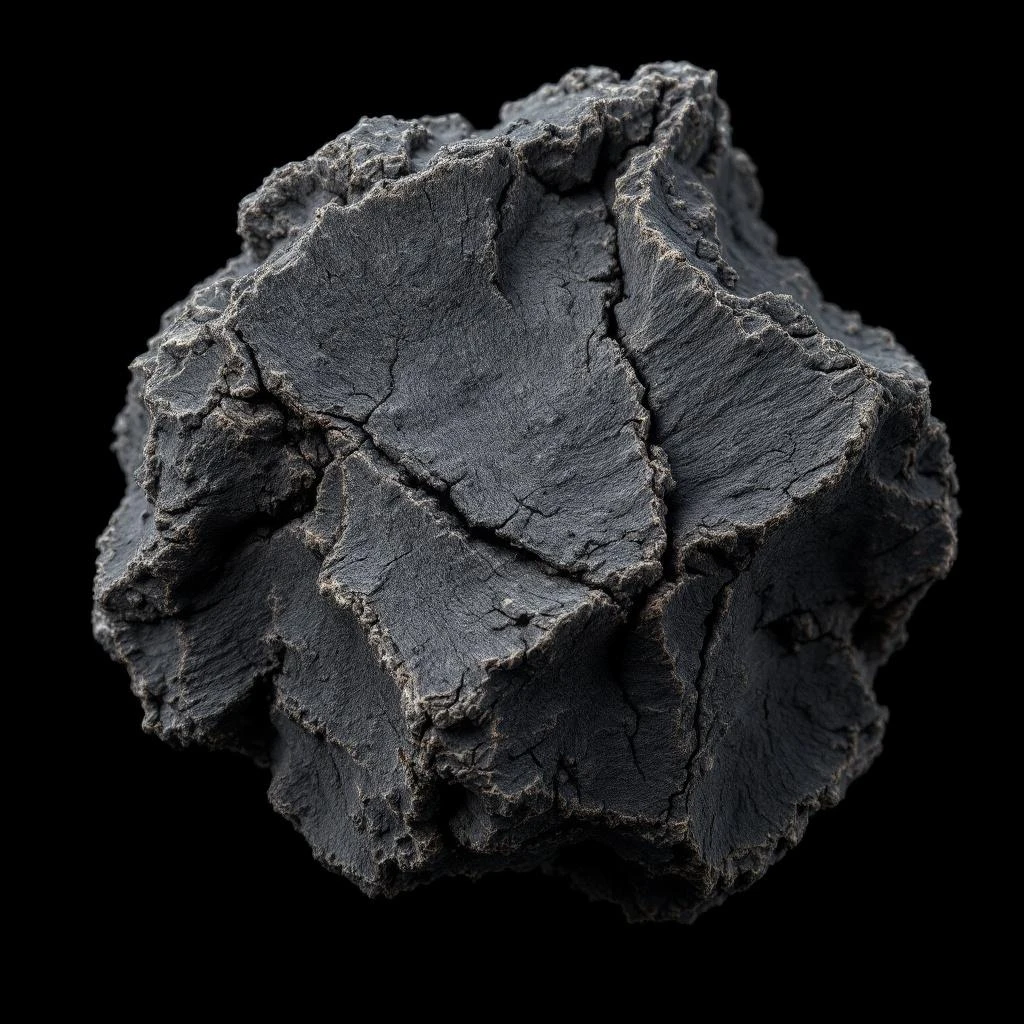
Character
How it smells
The weight of ember. The memory of fire.
The distinctive smoky aroma of coal tar was a signature note in Victorian-era men's barbershop blends, giving fragrances their characteristic "coal-smoke" undertone that customers associated with masculine grooming.




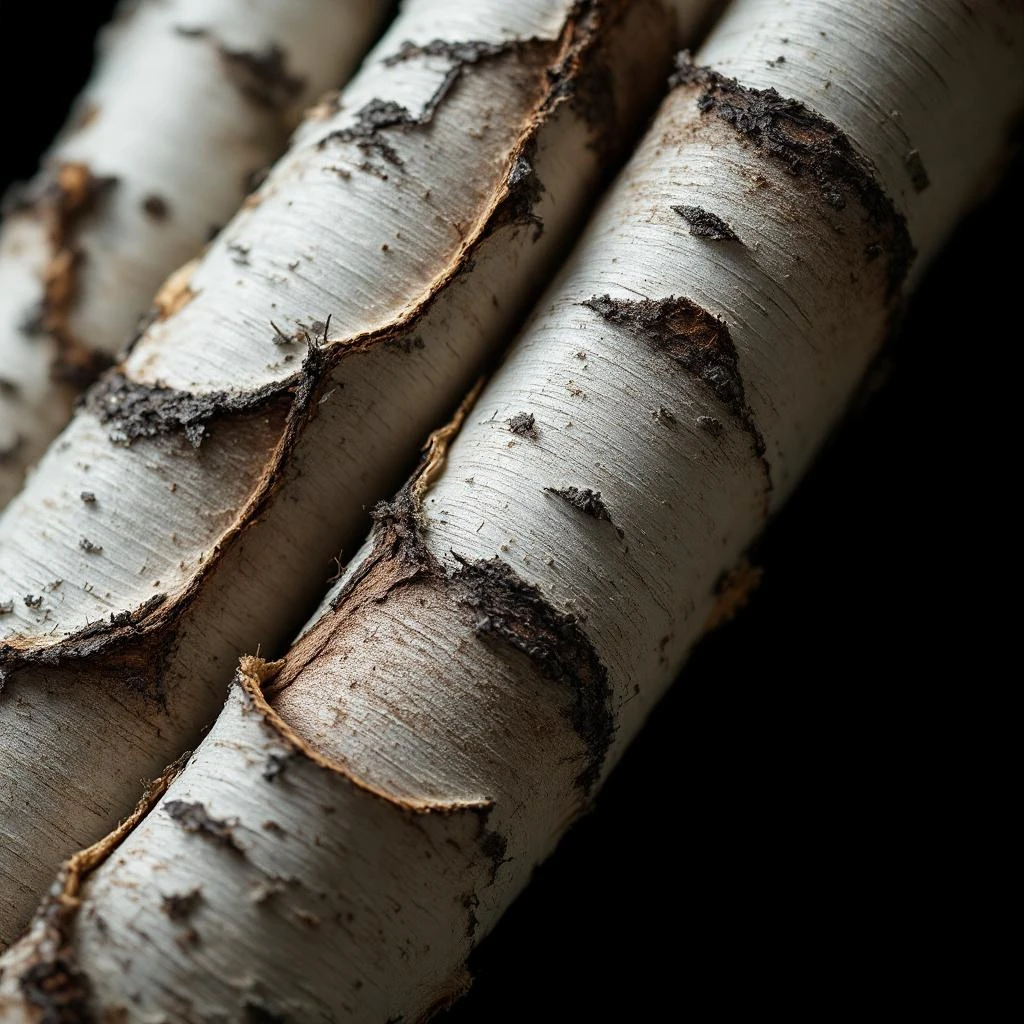




Origin
United States
The use of coal-derived aromatic materials in perfumery emerged alongside the Industrial Revolution in 19th-century Europe. Before petroleum-based aromatics became common, coal tar products represented one of the first major categories of synthetic fragrance ingredients, offering perfumers new olfactory dimensions unavailable in natural materials.
Victorian-era barbershops and men's grooming products frequently featured coal-derived notes, associating the smoky, industrial aroma with masculinity and modern sophistication. The distinctive "coal-smoke" character became a hallmark of certain fragrance families, particularly in traditional men's fragrances and barbershop-style blends.
As organic chemistry advanced through the 20th century, perfumers gained access to specific isolated compounds from coal tar, allowing more precise control over the smoky effect. While petroleum-derived aromatics have largely supplanted raw coal tar materials, the coal note persists in perfumery as an evocative reference to smoky, mineral, and atmospheric qualities that define certain fragrance characters.
Wears it best
Fragrances featuring Coal
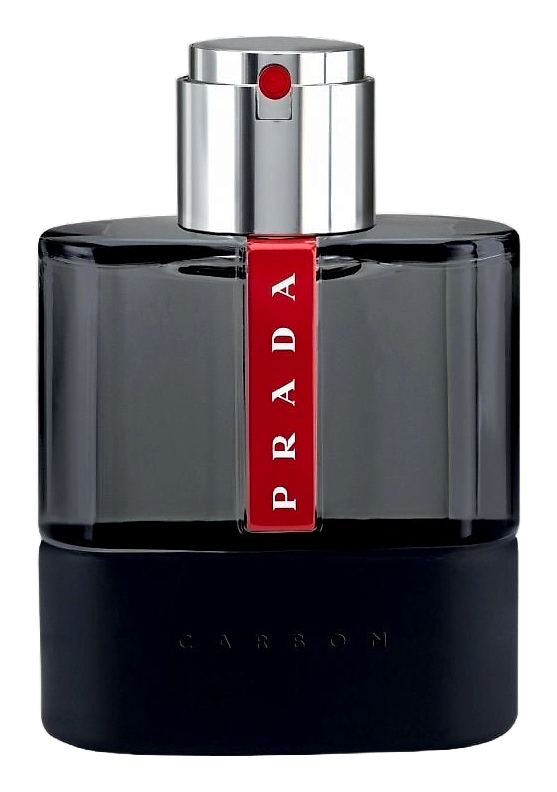
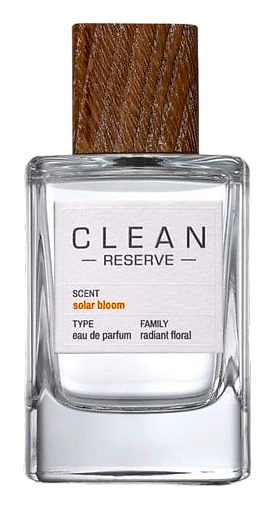
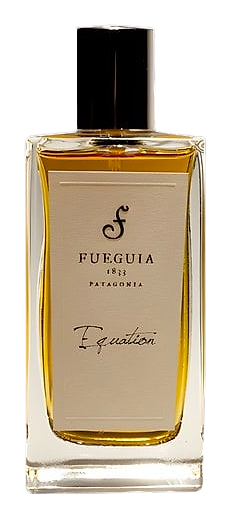

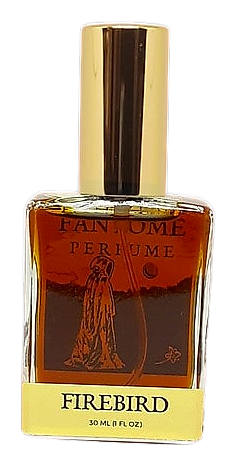
Brands
Brands known for Coal
Good to know
Questions, answered
The essentials on Coal in perfumery: how it smells, where it comes from, and how it behaves on skin.
What does Coal smell like in perfume?
Coal delivers a smoky, mineral, and ashy aroma with burnt undertones. It combines elements of charred wood with petroleum-like complexity, creating an atmospheric effect that evokes industrial warmth. The note registers as deep and persistent, with a distinctive mineral quality that distinguishes it from purely wood-derived smoke.
Why is Coal used in perfumery?
Coal functions as a fixative base note that adds smoky depth and atmospheric character to fragrances. Perfumers use it to create industrial authenticity, dark warmth, and lingering smoky trails. The mineral complexity it provides cannot be replicated by wood-derived smoke materials alone.
Is Coal in perfume natural or synthetic?
Coal-derived aromatic materials originate from a natural mineral source but require industrial processing. The destructive distillation of coal produces coal tar, which is then fractionated and refined for perfumery use. This places it in a distinct category between traditional naturals and fully synthetic aromatic compounds.
What famous perfumes contain Coal?
Coal as a named ingredient appears uncommonly in mainstream fragrances, as perfumers typically use specific isolated compounds rather than raw coal tar oil. The coal note remains more prominent in men's fragrance traditions and atmospheric perfume lines that emphasize smoky, industrial characters over floral or fruity compositions.
Is Coal a top note, heart note, or base note?
Coal functions exclusively as a base note in perfumery. Its heavy molecular structure ensures low volatility, allowing the smoky character to emerge gradually and persist for hours on the skin. This makes it valuable for creating long-lasting dry-down phases in fragrance development.
What notes pair well with Coal in perfume?
Coal pairs naturally with woody materials such as cedar and vetiver, leather notes, and smoky counterparts like birch tar. It also complements mineral accords, amber, and certain resinous materials that enhance its atmospheric depth without overwhelming the composition.
Where does Coal come from?
Coal used in perfumery originates from carbon-rich mineral deposits formed over millions of years from decomposed plant matter. Major producing regions include portions of North America, parts of Asia, and European coal basins. The coal undergoes destructive distillation at temperatures exceeding 900 degrees Celsius to produce usable aromatic materials.
Is Coal used in men's or women's fragrances?
Coal appears predominantly in masculine and gender-neutral fragrance compositions. Its smoky, industrial character aligns with traditional men's fragrance aesthetics. However, atmospheric and niche perfumery occasionally employs coal inunisex or women's fragrances to create unexpected dark, smoky dimensions.