
The Story
Why it exists.
The beginning
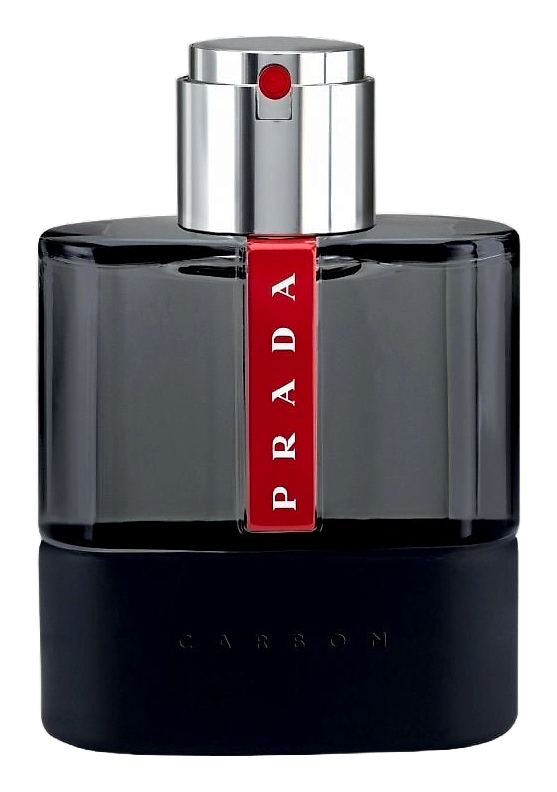
Luna Rossa Carbon arrives within Prada's Luna Rossa collection, a line named after the competitive sailing class that embodies Italian precision and competitive appetite for edge. Prada, founded in 1913 as a Milan leather goods house, underwent transformation under Miuccia Prada in 1978, bringing intellectual rigor to luxury that manifests in their fragrances as conceptual, precise work that refuses to be obvious. The collection draws its naming from extreme sailing environments where technology and human endurance converge under open ocean conditions. Daniela Andrier, the perfumer, approaches this brief with a signature preference for confrontational openings and unexpected material pairings. She does not build around sweetness or comfort; she builds around tension and release.
The note selection reflects a philosophy of contrasts: bergamot's citrus brightness opposes coal's smoky darkness. Lavender's herbal softness opposes metallic notes' sharp mineral character. The pairing of aquatic notes with coal might seem contradictory on paper, but the execution uses them as tonal variations on the same gray, industrial register. The ambroxan and patchouli base represents an interesting choice for Prada, since these materials favor intimacy over sillage, suggesting the fragrance was designed to reward those who lean in rather than announce from across a room.
The evolution
The fragrance begins with bergamot and black pepper in a pairing that establishes immediate tension. The bergamot provides the initial citrus brightness, while the black pepper injects spicy heat that refuses to soften. As the fragrance evolves, lavender enters alongside metallic and aquatic notes that create an unexpected mineral quality, not oceanic but rather the smell of wet stone or rain striking hot pavement. Coal adds a smoky, industrial weight that anchors the lighter heart notes. The transition into the base brings ambroxan, known for its clean amber quality, layered with patchouli that grounds everything in dry earthiness. The complete arc moves from confrontational opening through mineral heart to intimate, skin-close drydown.
Cultural impact
Luna Rossa Carbon occupies a specific corner of the fresh-aromatic landscape, one defined by mineral-metallic complexity rather than straightforward citrus or aquatic accords. Wearers who appreciate its cool precision often cite it as a more sophisticated alternative to louder fresh fragrances. The metallic edge and coal-soil texture divide opinion in the way any distinctive character does: some find it unexpectedly compelling, others find it too calculated. What nobody disputes is that it doesn't smell like everything else.