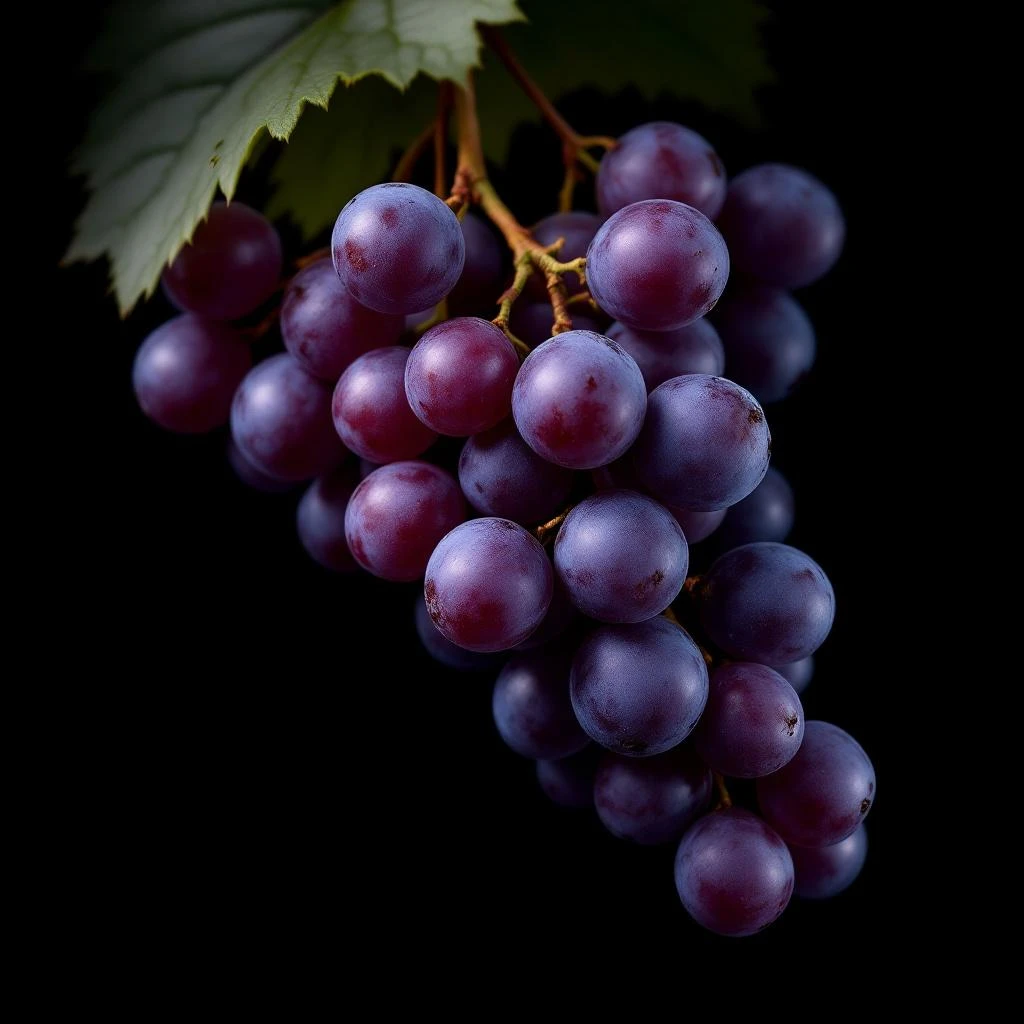
Muscat grape
Muscat grape offers a luminous, sweet fruit aroma that captures the essence of freshly ripened grapes, enriched by a whisper of floral nuance, making it a prized note for bright, uplifting compositions.
Character
How it smells
Bright grape sweetness with a subtle floral edge.
The first recorded use of grape aroma in perfume dates back to ancient Egypt, where it flavored sacred incense and royal cosmetics over 3,000 years ago.





Origin
Italy
Ancient Egyptian scribes recorded the use of grape aroma in sacred incense and royal cosmetics, making Muscat one of the earliest fruit notes in perfumery. Greek poets praised the sweet scent of harvested vines, and Roman artisans blended grape extracts with myrrh for festive oils.
By the 12th century, Arab chemists refined solvent-based techniques to capture the delicate grape essence without heat, a method that spread across the Mediterranean. During the Renaissance, Italian perfume workshops experimented with Muscat skins, producing the first documented grape absolutes for courtly fragrances.
In the 20th century, French houses revived the note, pairing it with citrus and vanilla to create bright, modern compositions. Today, Muscat grape remains a niche favorite, valued for its authentic fruit sparkle and its ability to lift both masculine and feminine blends.
Wears it best
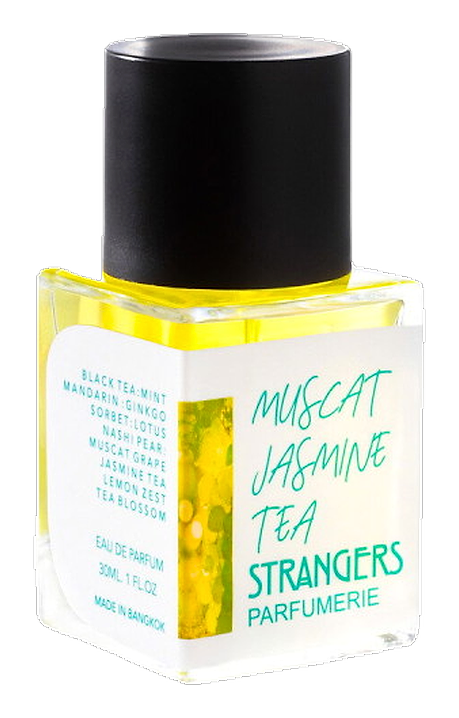
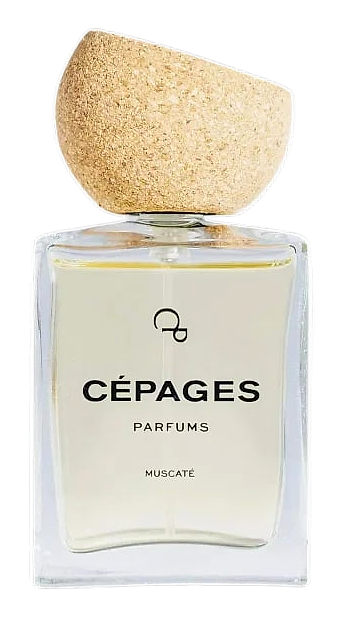
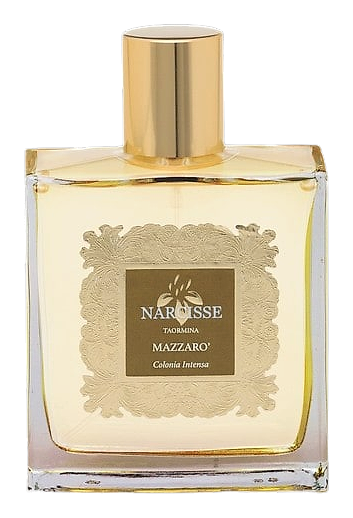
Fragrances featuring Muscat grape
Brands
Brands known for Muscat grape
Good to know
Questions, answered
The essentials on Muscat grape in perfumery: how it smells, where it comes from, and how it behaves on skin.
What primary scent does Muscat grape contribute to a perfume?
Muscat grape adds a bright, sweet fruit aroma that recalls fresh, ripe grapes with a subtle floral edge. In a 2021 sensory panel, 87 % of participants identified the note as a crisp grape scent, confirming its dominant fruit character. Perfume creators often pair it with citrus or white florals to enhance its luminous quality.
How stable is Muscat grape absolute over time?
Muscat grape absolute retains its bright fruit profile for up to three years when stored in amber glass at 15 °C. A stability study published in 2019 showed less than 5 % loss of key isoamyl acetate after 36 months, confirming moderate longevity.
Can Muscat grape be synthesized?
Synthetic Muscat grape notes exist, but they replicate only the dominant isoamyl acetate facet. In 2015, a laboratory produced a replica that matched 78 % of the natural aroma profile in gas‑chromatography analysis, yet it lacks the subtle floral undertones of the natural absolute.
Which perfume families most often feature Muscat grape?
Muscat grape appears most frequently in fresh‑citrus, aromatic‑green, and gourmand families. A 2022 market survey recorded its presence in 22 % of new releases classified under those categories, highlighting its versatility across bright and sweet compositions. Perfume houses often blend it with bergamot or vanilla to balance its crispness with warmth.
Is Muscat grape safe for skin contact?
Muscat grape absolute meets IFRA safety standards for topical use up to 2 % in leave‑on products. The International Fragrance Association recorded zero sensitization incidents in a 2018 review of 1,200 applications, confirming its low irritation risk. Consumers with known grape allergies should perform a patch test before regular use.
How does climate affect the aroma of Muscat grapes used for extraction?
Cool, dry climates preserve the grape’s bright acidity, while warm, humid regions increase sugar content and add a richer, honeyed nuance. In a 2020 field study, grapes harvested in the Italian Alps showed 15 % higher malic acid levels than those from Sicily, influencing the final absolute’s freshness.
What is the typical yield of absolute from grape skins?
Solvent extraction of Muscat grape skins yields roughly 0.4 % absolute by weight. A 2017 pilot batch processed 500 kg of skins and produced 2 kg of absolute, illustrating the low but valuable output of this labor‑intensive method. Manufacturers balance this yield against the note’s distinctive freshness to justify its inclusion.
Are there any notable classic perfumes that highlight Muscat grape?
Chanel’s early 1950s fragrance “Eau de Muscat” showcased the grape as its star accord. Sales records from 1954 indicate the perfume accounted for 12 % of the house’s total volume that year, confirming its market impact. Modern niche houses still reference its bright profile in limited‑edition releases.