White Moss
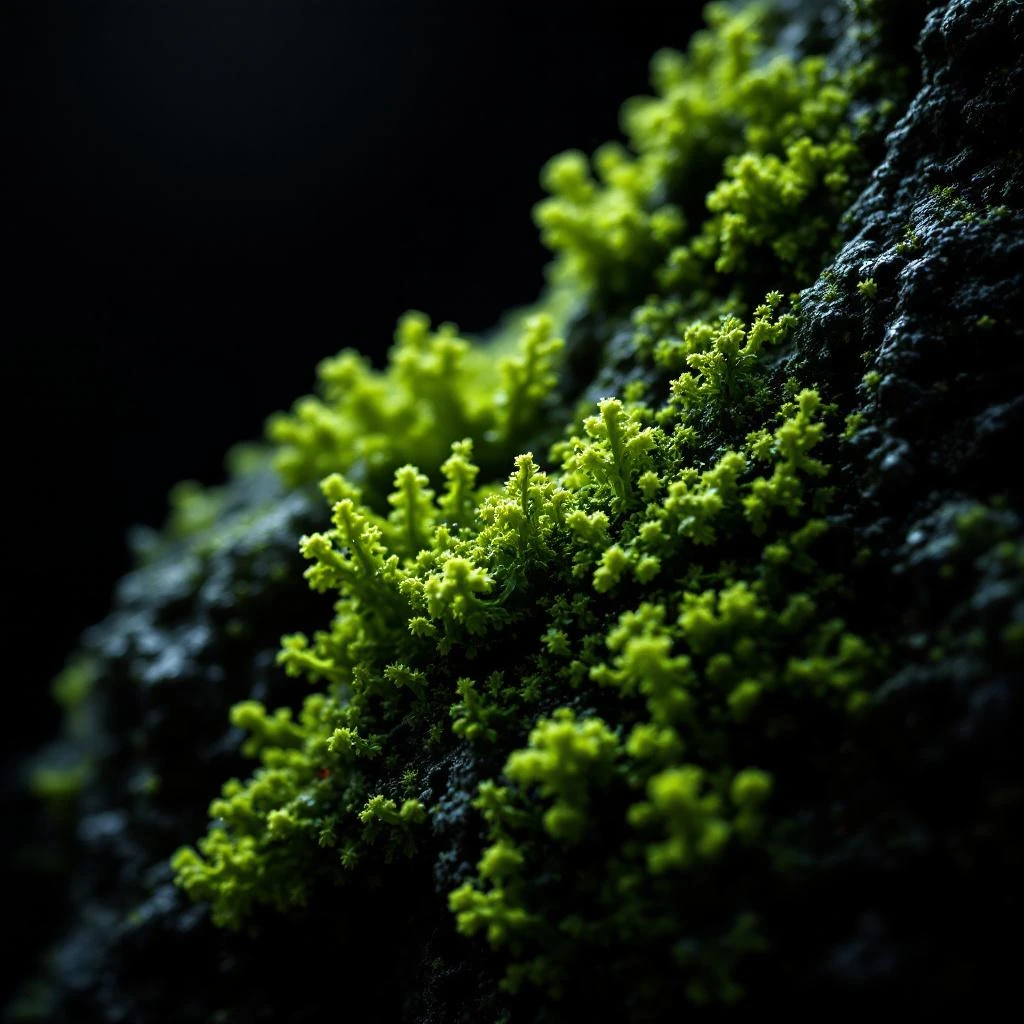
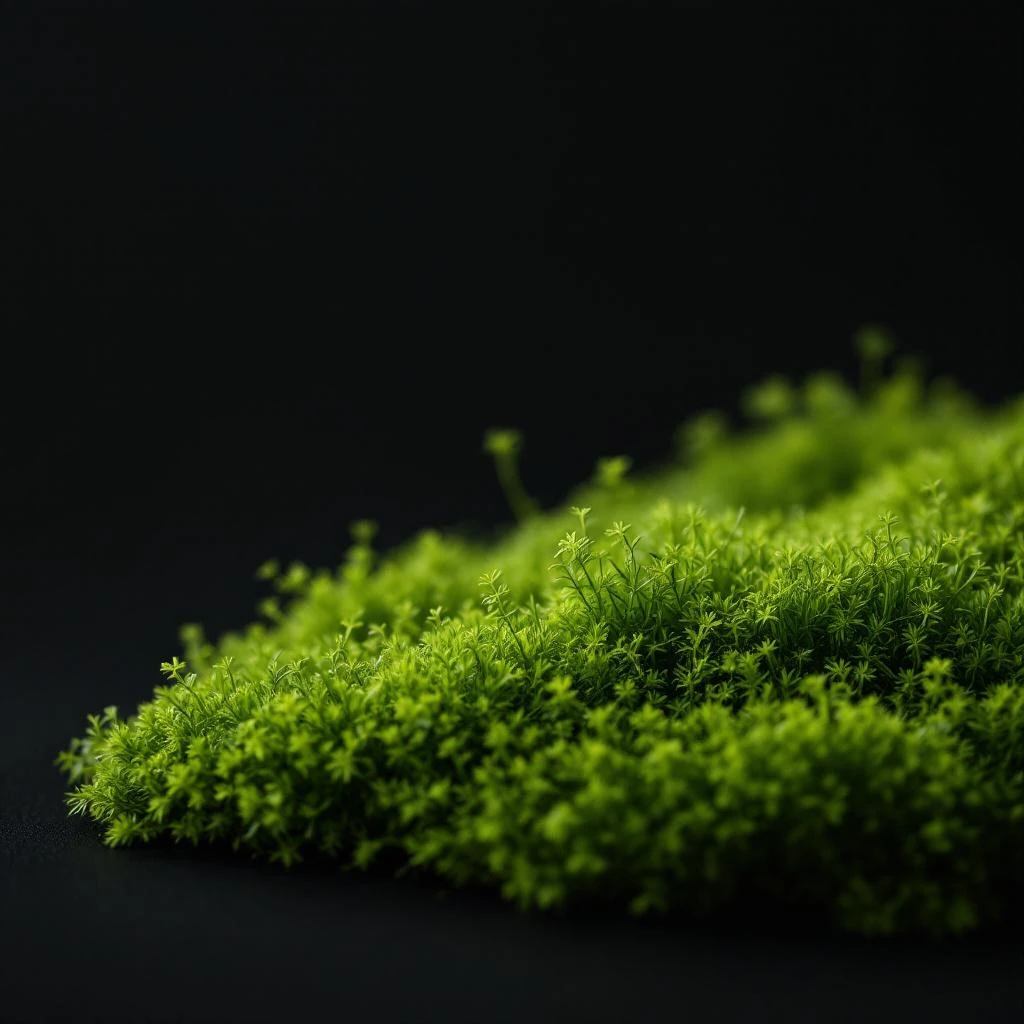
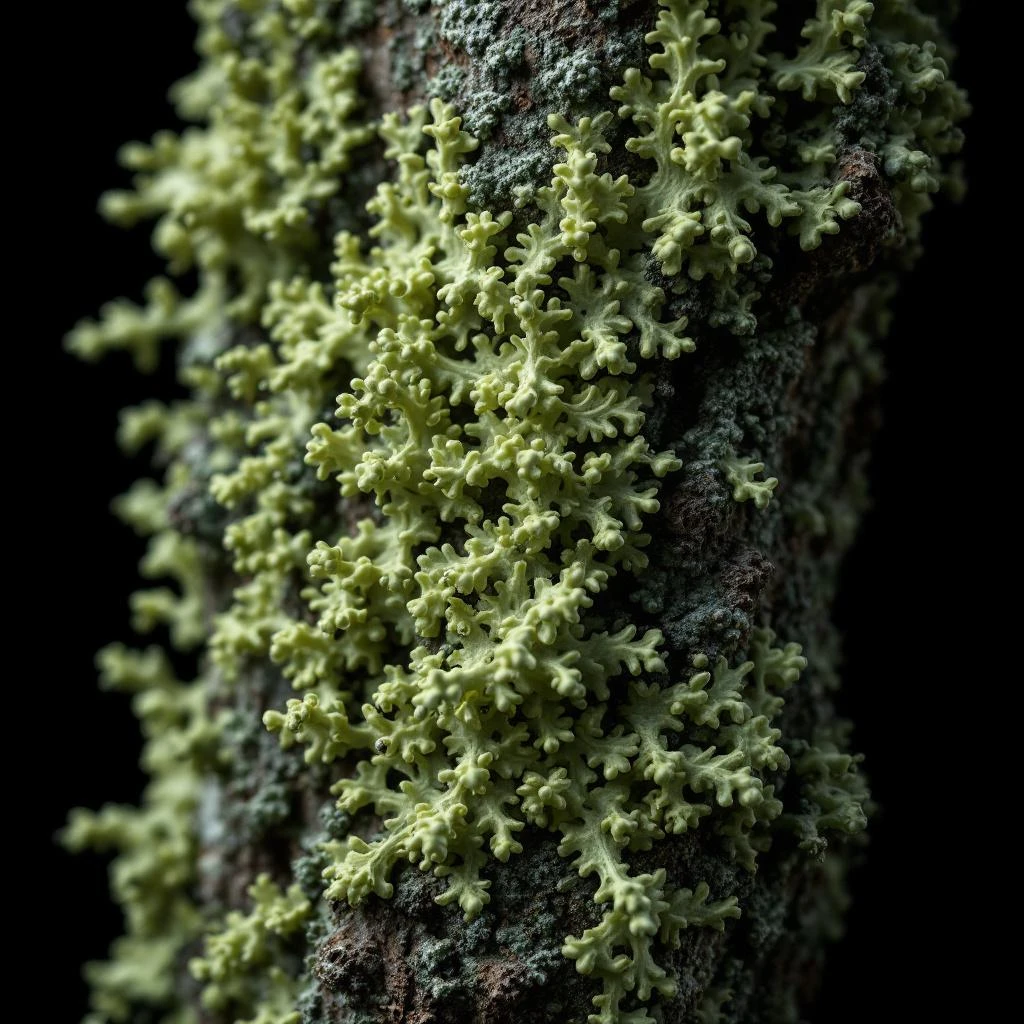
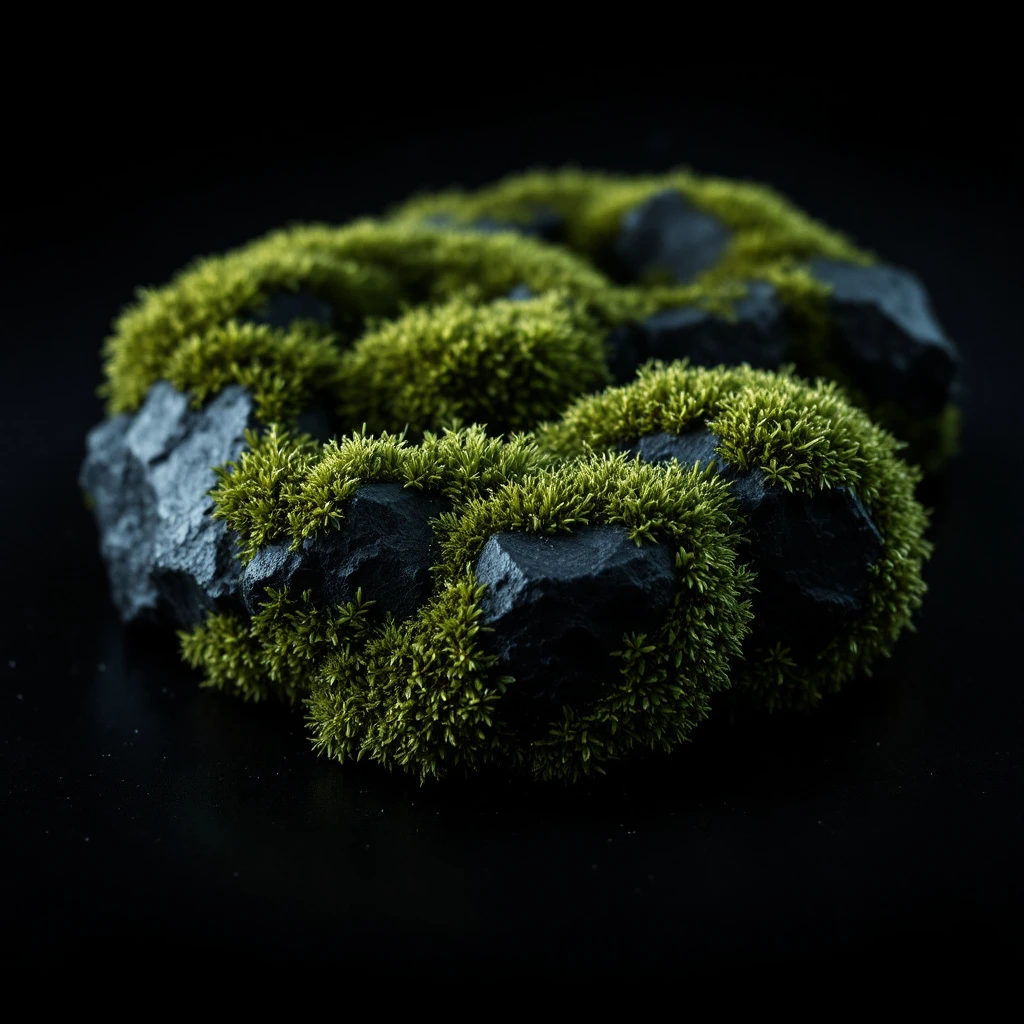
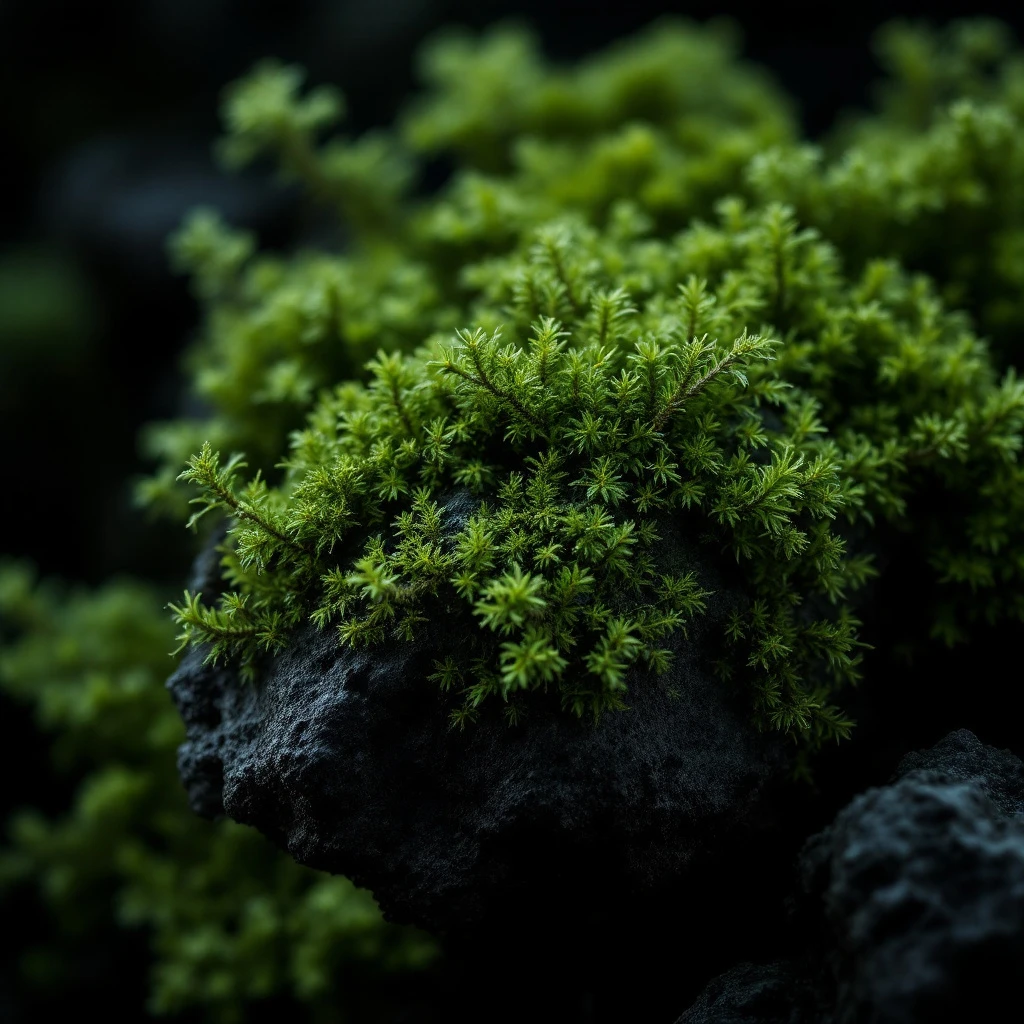
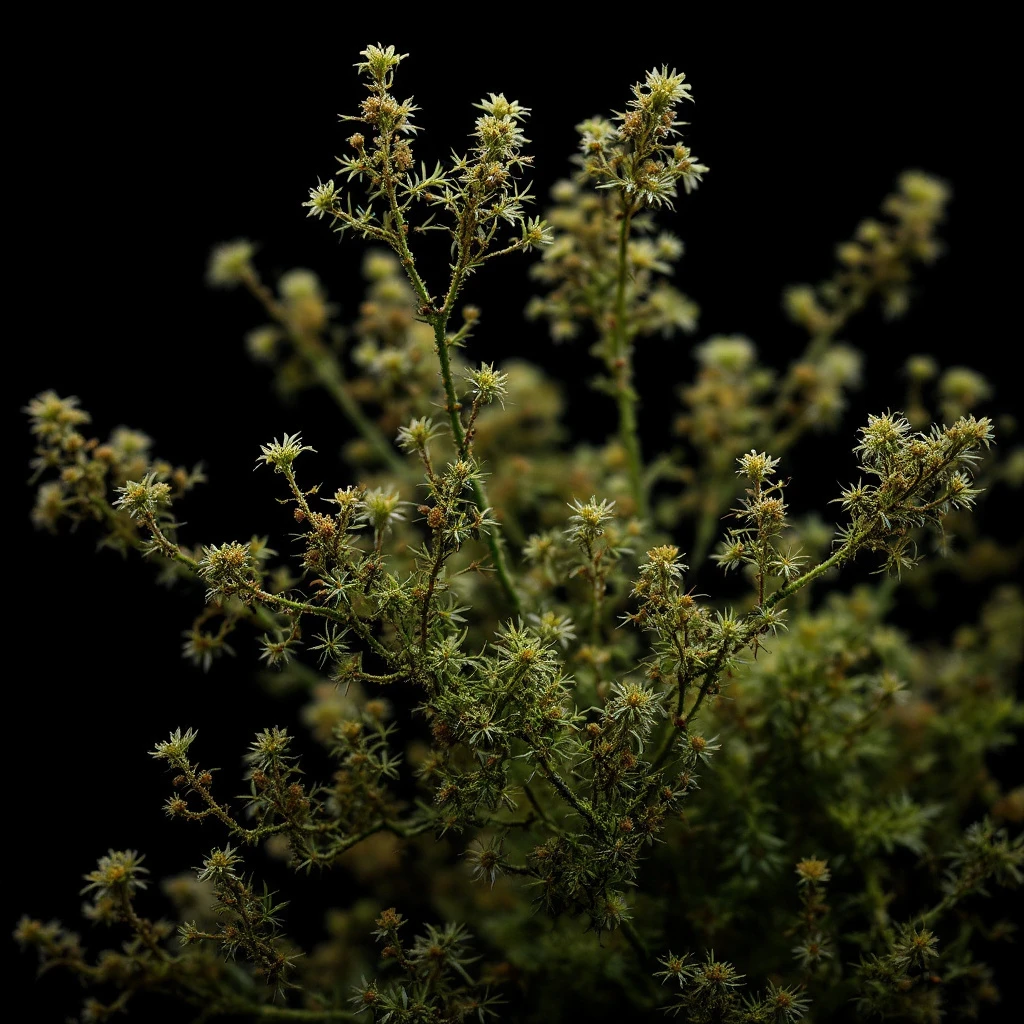
White Moss captures the crisp essence of morning forest floors after rainfall—a luminous, airy scent that brings the outdoors in with quiet sophistication.
Character
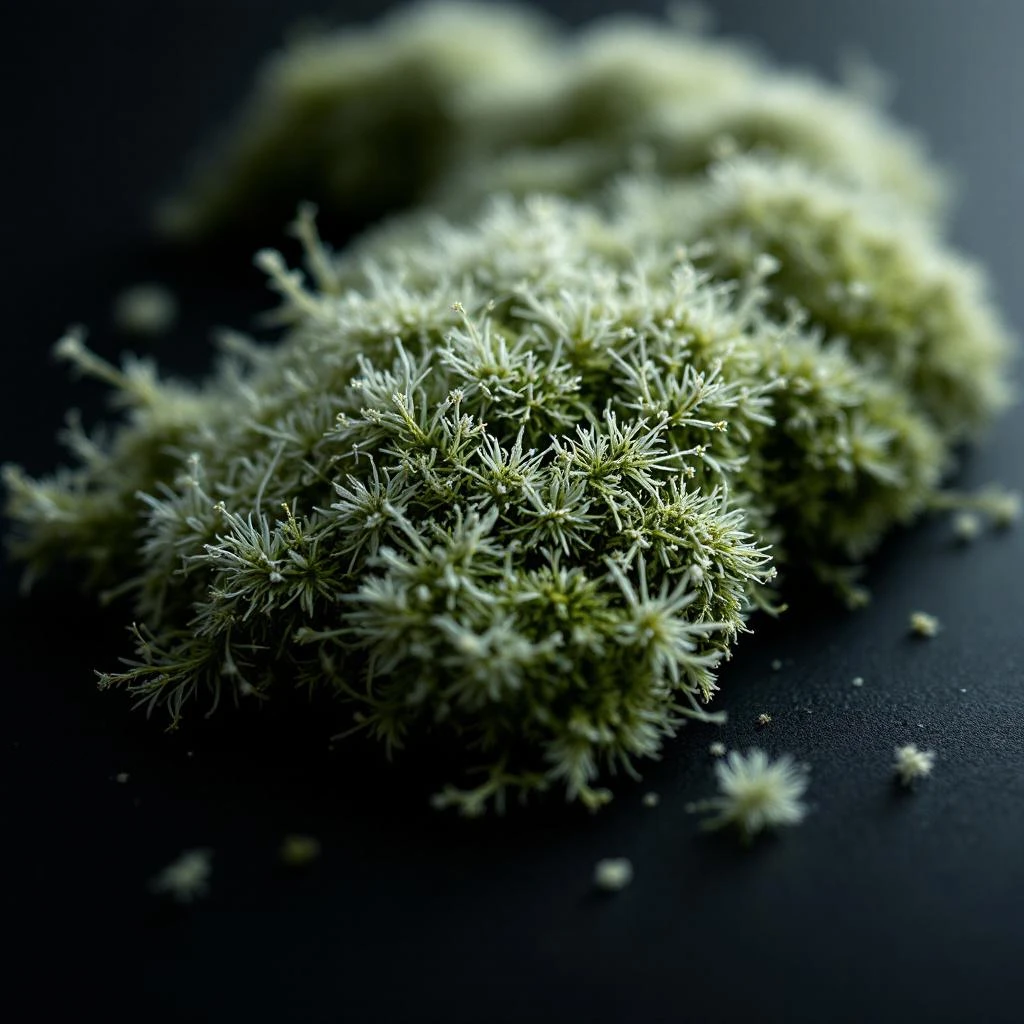
How it smells
The luminous scent of forest air.
The original White Moss fragrance by Acca Kappa launched in 1997 and has remained in continuous production as a signature scent.








Origin
Italy
The concept of white moss in perfumery emerged from a desire to capture the freshest, most ethereal qualities of woodland scents without the darker, earthier tones of traditional mosses. Acca Kappa introduced its White Moss fragrance in 1997, creating a scent that would become emblematic of clean, natural elegance. The term draws inspiration from oakmoss and treemoss, but strips away their heavier qualities to leave only the bright, airy essence.
This approach reflects a broader shift in late 20th-century perfumery toward fresher, more transparent interpretations of natural themes. The fragrance has since become a reference point for anyone seeking a modern, versatile moss scent.
Wears it best
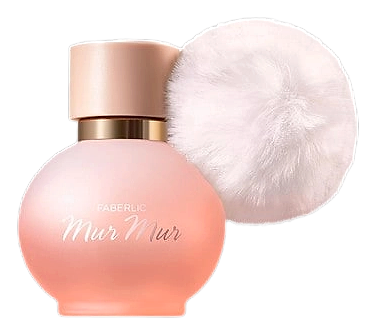
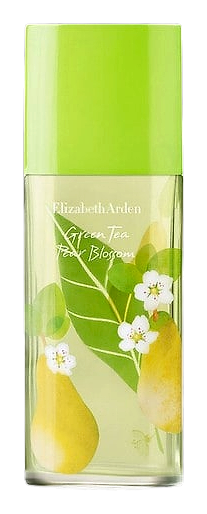
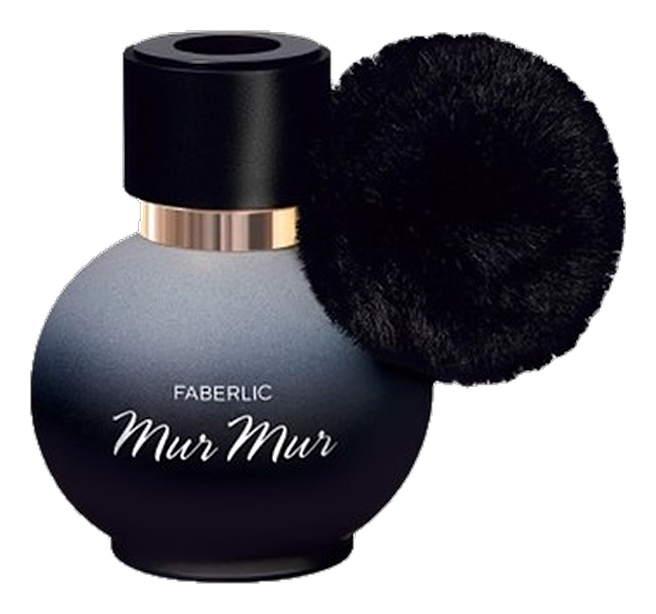
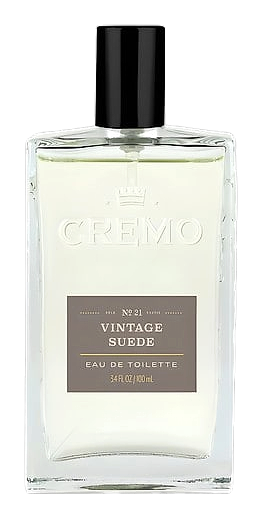
Fragrances featuring White Moss
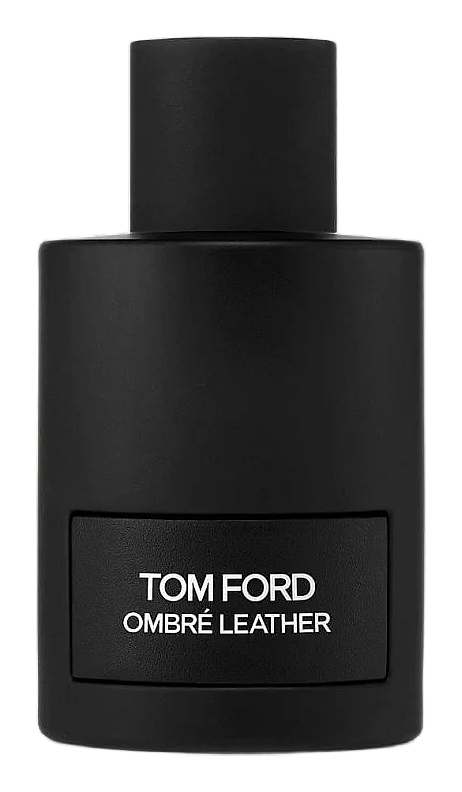
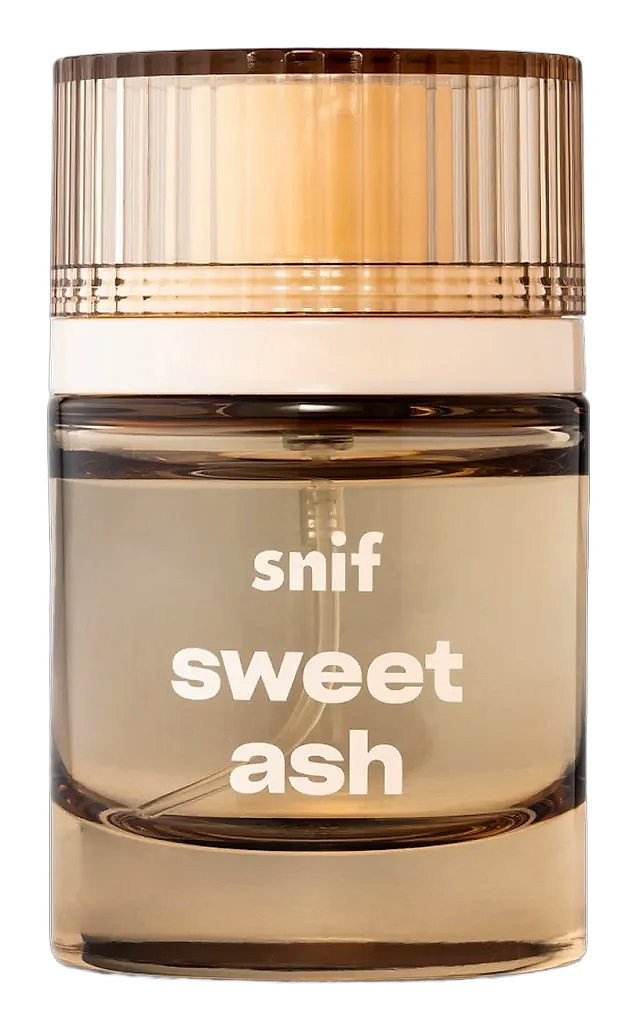
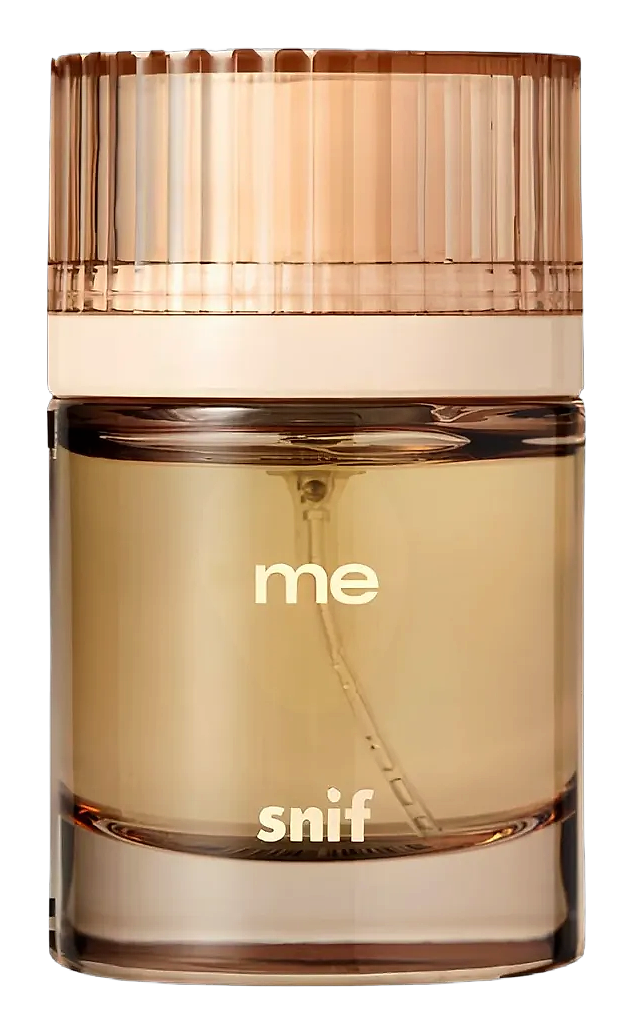
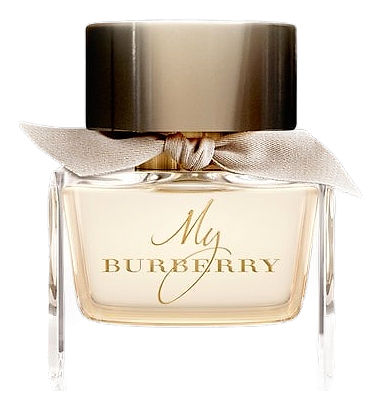


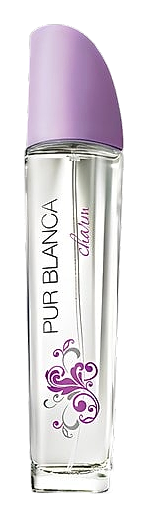
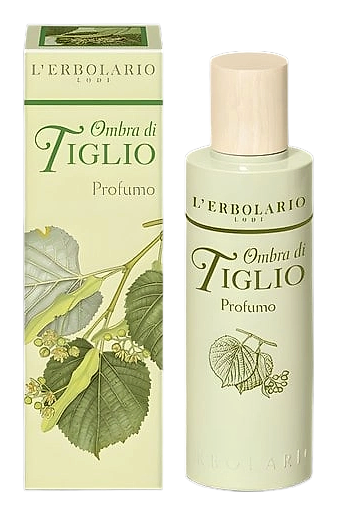
Brands
Brands known for White Moss
Good to know
Questions, answered
The essentials on White Moss in perfumery: how it smells, where it comes from, and how it behaves on skin.
What is White Moss in perfumery?
White Moss refers to a modern aromatic accord that captures fresh, clean moss qualities without heavy earthiness. It combines white musk, amber, and woody notes to create an airy forest scent.
Is White Moss a natural ingredient?
White Moss functions as a fragrance concept rather than a botanical material. Perfumers build this accord from synthetic and naturally-derived aromatic compounds to achieve its characteristic brightness.
What does White Moss smell like?
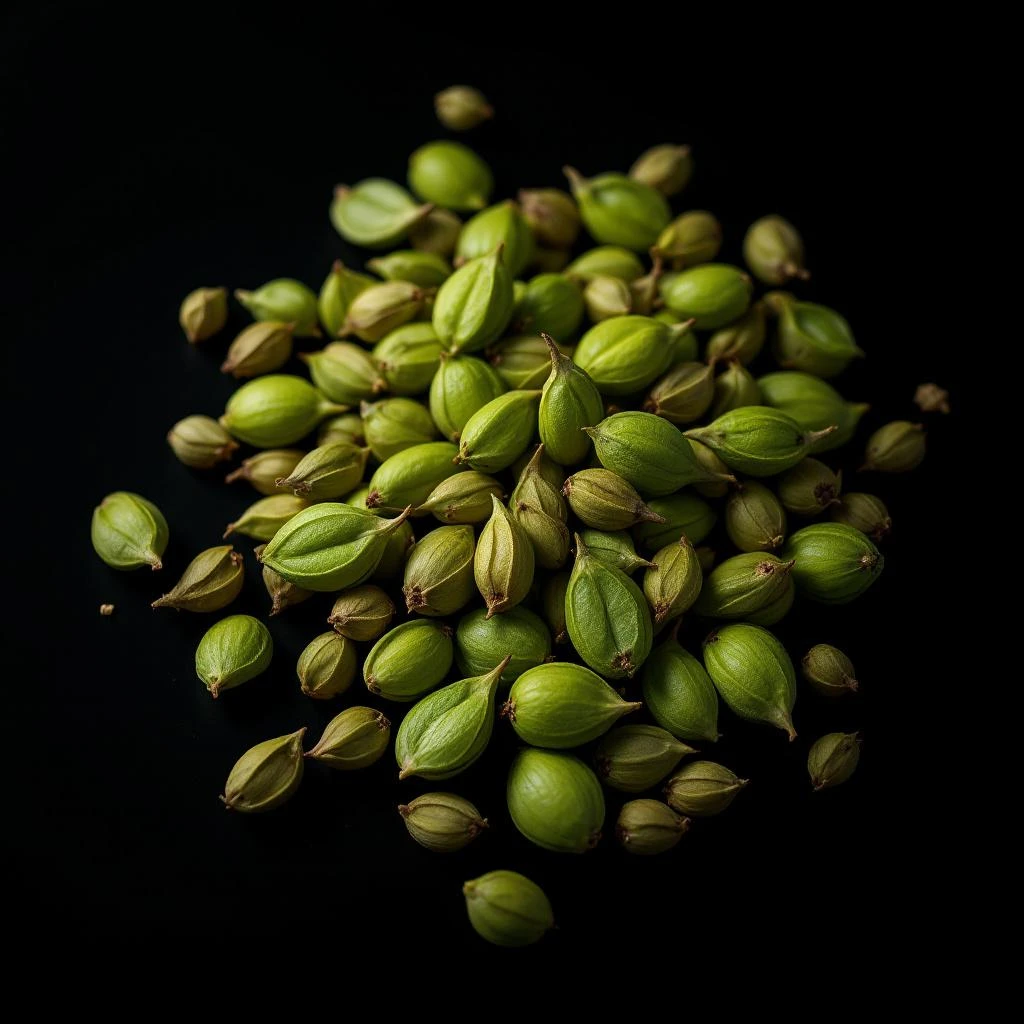
White Moss opens with crisp citrus and aldehydic sparkle, settles into soft herbal lavender and cardamom warmth, and dries down to clean white musk, amber, and cedarwood.
When did the White Moss fragrance debut?
Acca Kappa launched its White Moss fragrance in 1997, making it over 25 years old. The scent has remained in continuous production as one of the brand's signature fragrances.
What family does White Moss belong to?
White Moss sits within the aromatic fougère family, characterized by fresh herbaceous top notes, complex heart layers, and warm, mossy-woody base notes.
Is White Moss suitable for sensitive skin?
The solid perfume format contains isopropyl myristate and rice starch, which may be gentler than alcohol-based versions for some wearers. Patch testing remains advisable for all fragrance products.
What products use White Moss accord?
The White Moss accord appears across the Acca Kappa line, including eau de parfum, solid perfume, shower gel, body lotion, and shampoo for a complete scented ritual.
How long does White Moss last on skin?
White musk and cedarwood in the base typically provide 4-6 hours of wear, with the fragrance becoming softer and more intimate as it settles into the skin's warmth.