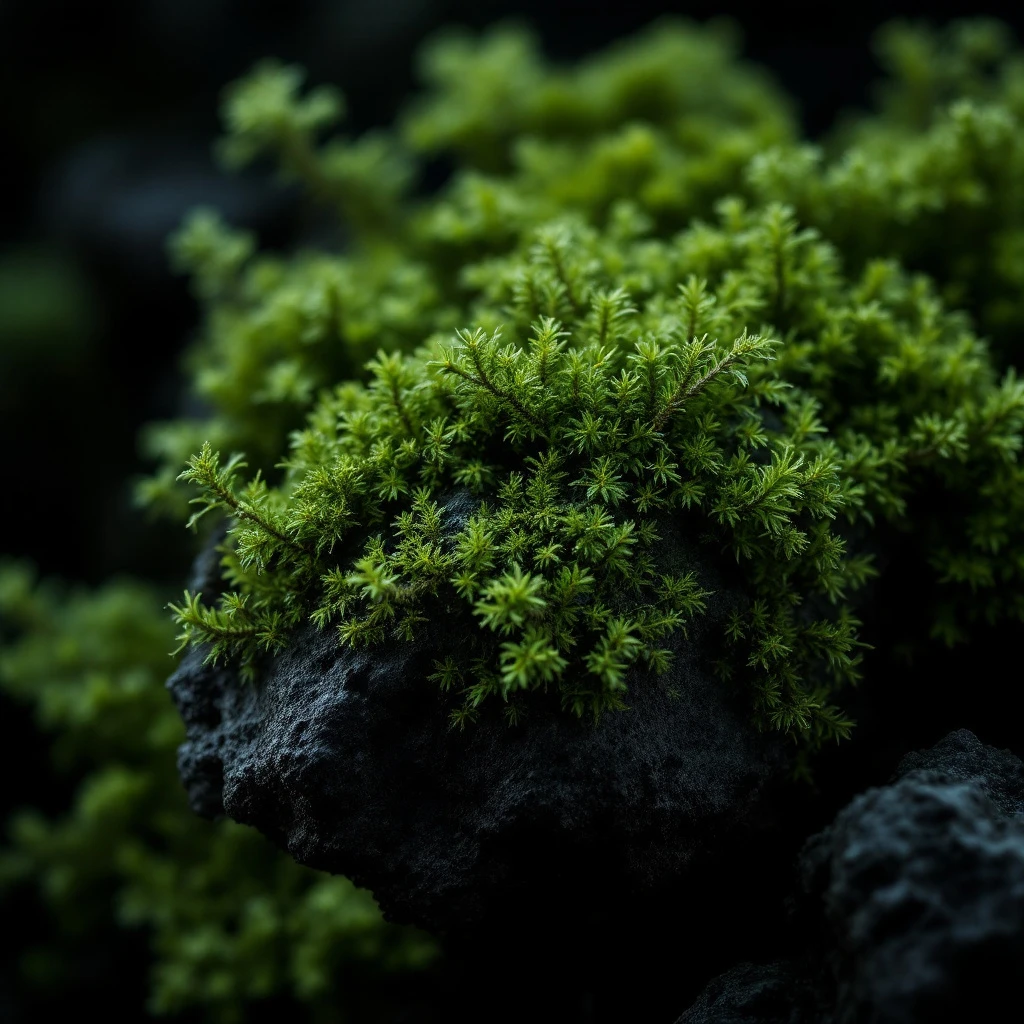
Common Water Moss
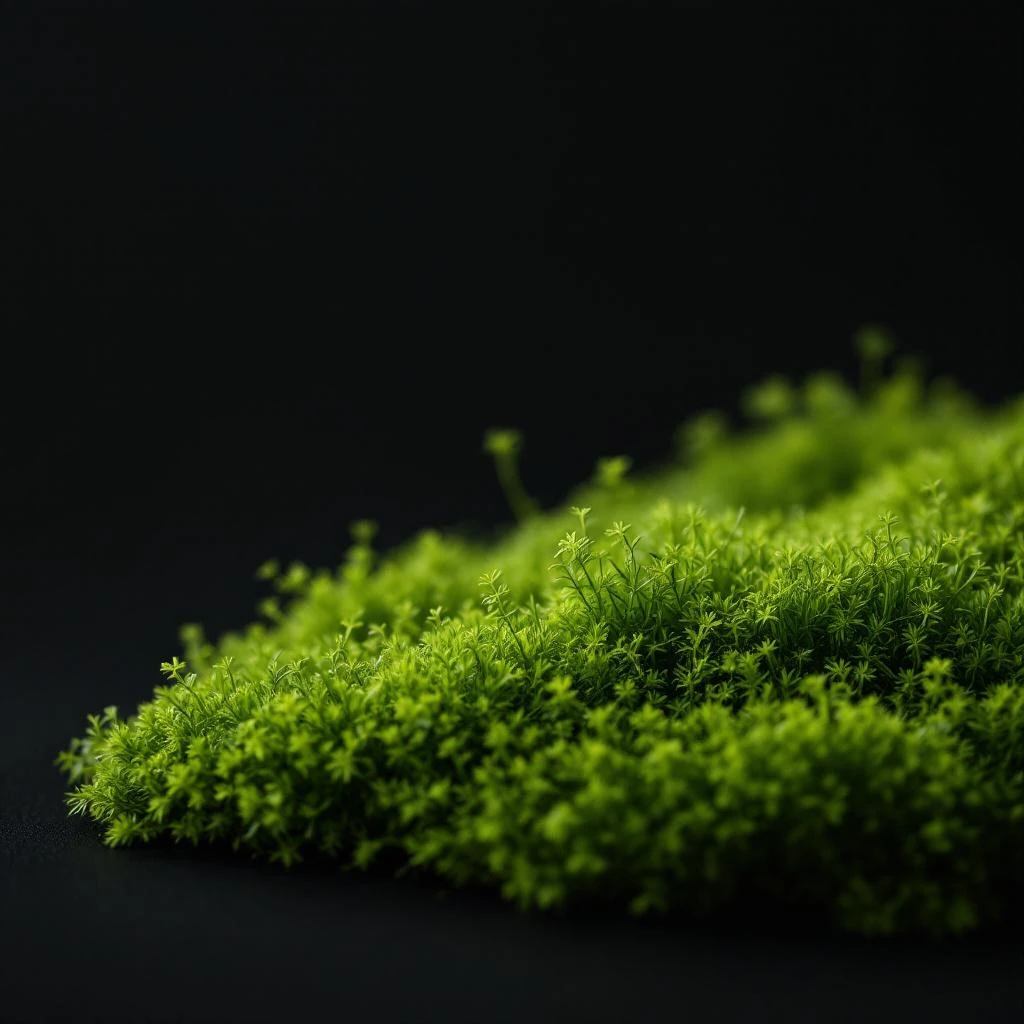
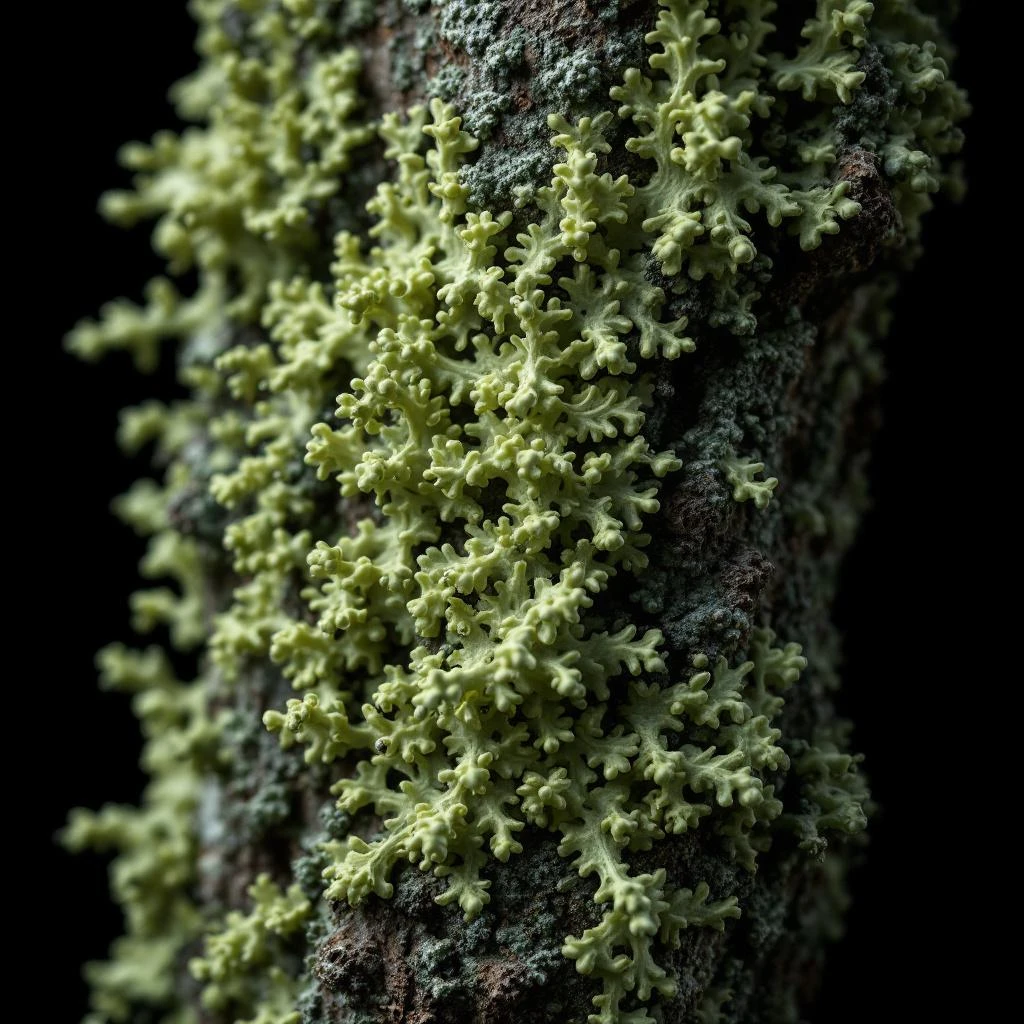
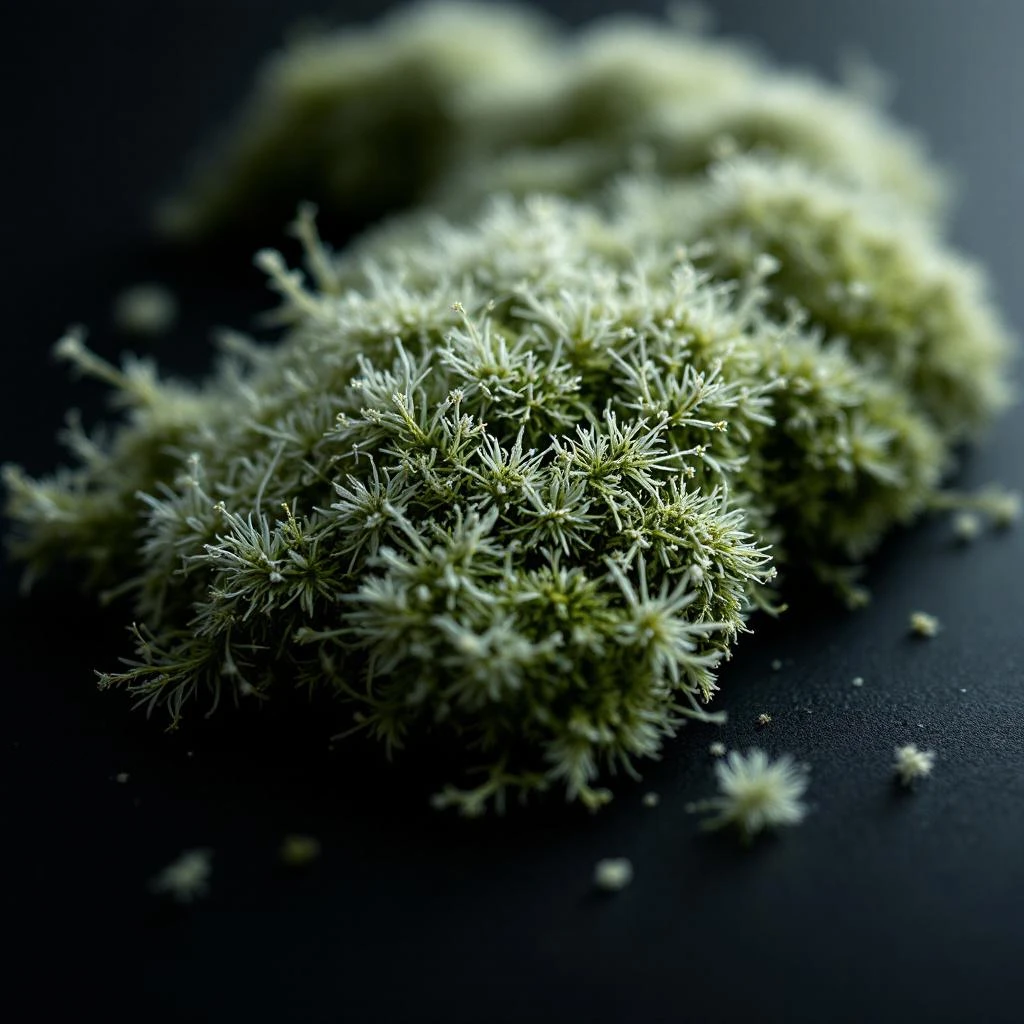
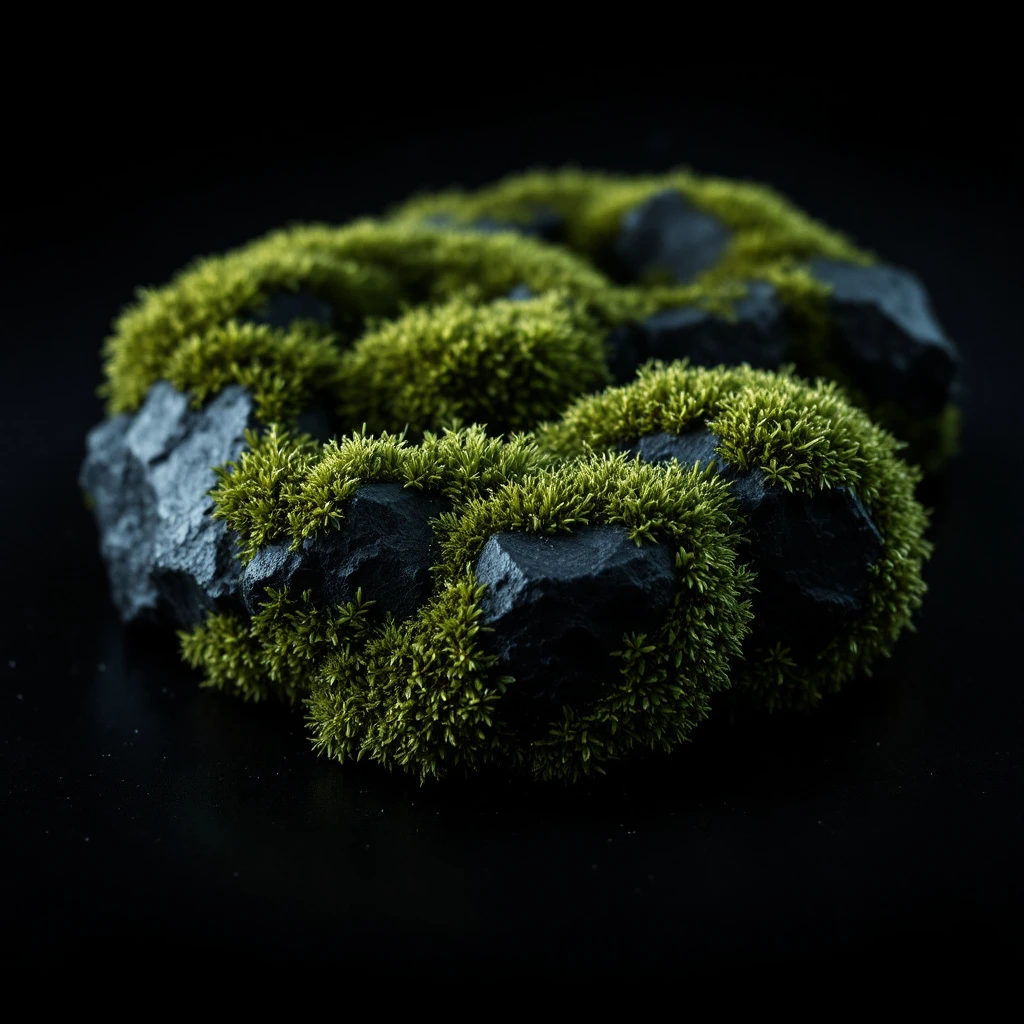
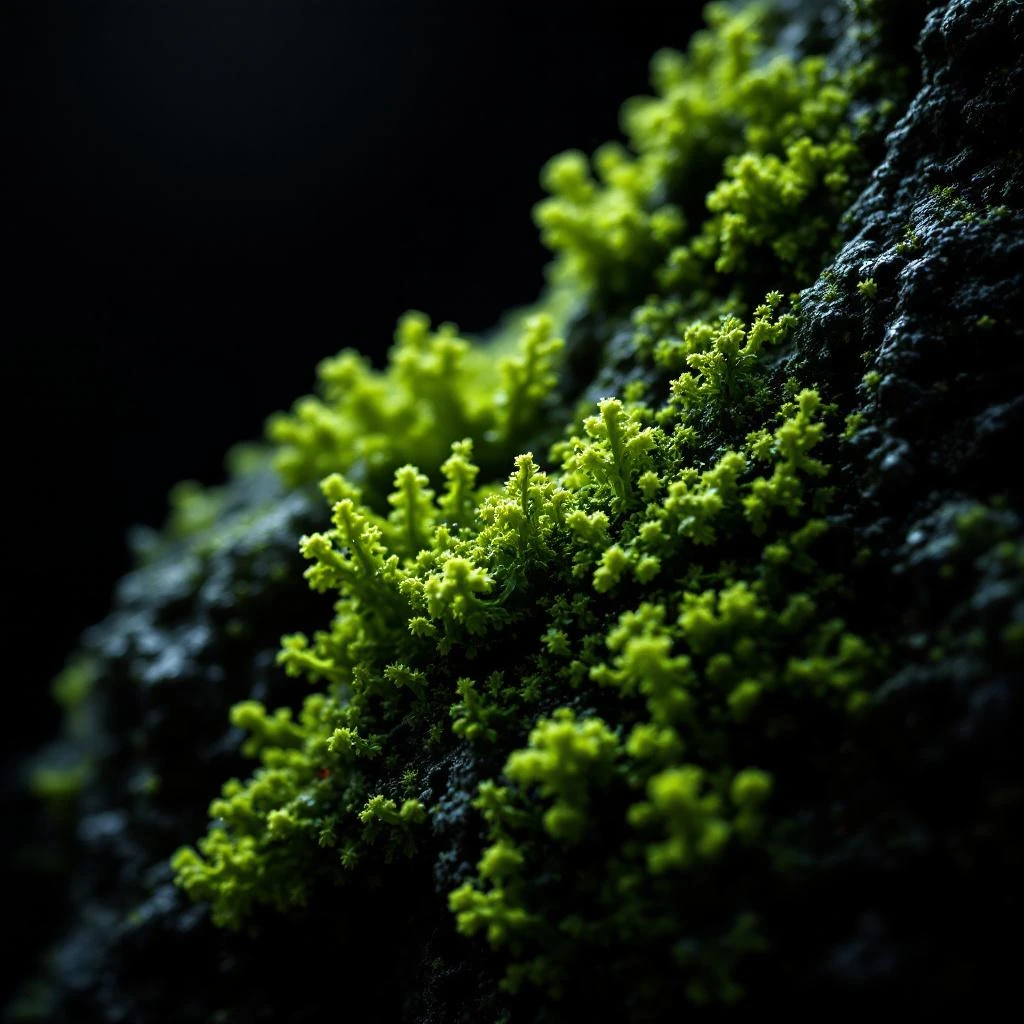
Aquatic moss harvested from cold freshwater streams, delivering a clean, watery-green scent that captures the essence of untouched nature in perfumery.
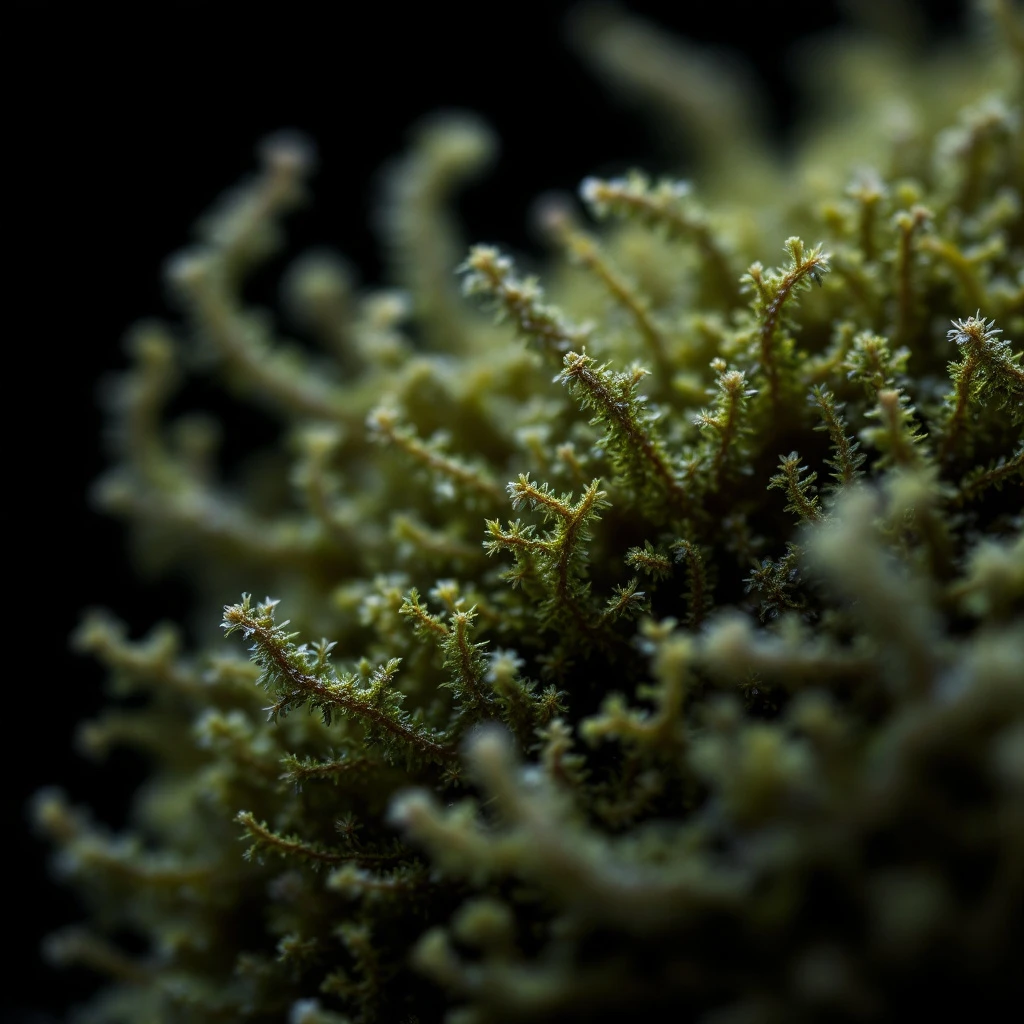
Character
How it smells
Freshwater green from Nordic streams.
Fontinalis antipyretica earned its species name from traditional use in treating fevers across northern Europe.





Origin
Finland
Common water moss represents a more recent addition to perfumery's botanical vocabulary compared to traditional materials like oakmoss or tree resins. The fragrance industry began exploring aquatic and freshwater ingredients in the 1970s and 1980s as consumer interest shifted toward green and natural scent profiles.
Before its perfumery application, Fontinalis antipyretica held practical uses in European folk traditions, including stuffing into chimney spaces for fire prevention, hence the species name antipyretica meaning "against fire." Nordic perfumers, working in countries where these mosses thrive in pristine streams, first recognized their olfactory potential.
The ingredient gained recognition for its ability to evoke freshwater environments, connecting modern fragrances to untouched natural landscapes. While not among the most widely documented fragrance materials, aquatic moss extracts occupy a niche but meaningful position in contemporary natural perfumery.
Wears it best
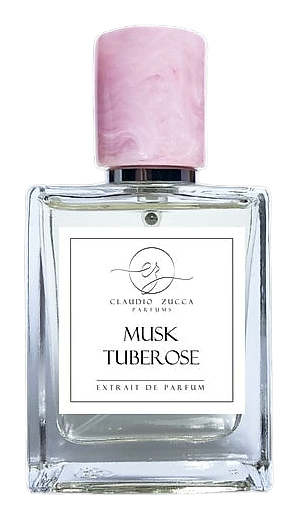
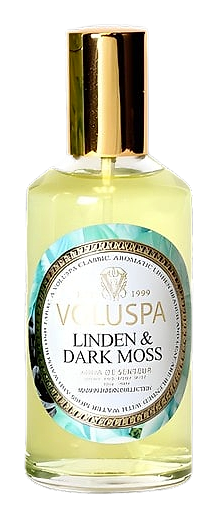
Fragrances featuring Common Water Moss
Brands
Brands known for Common Water Moss
Good to know
Questions, answered
The essentials on Common Water Moss in perfumery: how it smells, where it comes from, and how it behaves on skin.
What does common water moss smell like in perfume?
It delivers a clean, aquatic-green scent reminiscent of moss submerged in cold stream water, with fresh, watery, and slightly earthy qualities.
Is common water moss used frequently in commercial fragrances?
It appears infrequently due to limited commercial production and sourcing challenges, primarily in niche fragrances emphasizing aquatic or green accords.
Can water moss extracts be replicated synthetically?
Some synthetic aquatic molecules exist, but they typically lack the complex green depth that natural water moss extracts provide.
Where does commercial water moss for perfumery originate?
Nordic countries including Finland, Sweden, and Norway provide ideal growing conditions in their clean, cold freshwater streams.
Is common water moss the same as oakmoss?
No, they are different. Oakmoss grows on trees, while common water moss is fully submerged in freshwater environments.
What extraction produces water moss absolute?
Solvent extraction using hexane or similar solvents yields a concrete, followed by ethanol washing to produce the aromatic absolute.
What percentage of a perfume formula uses moss ingredients?
Most moss materials, including water moss absolute, are used at low concentrations, typically 1-5% of a fragrance formula.
Does water moss have traditional uses beyond perfumery?
Historically, Fontinalis antipyretica was used in folk medicine across northern Europe, particularly for treating fevers, which explains its species name.