Yugoslavian Oakmoss
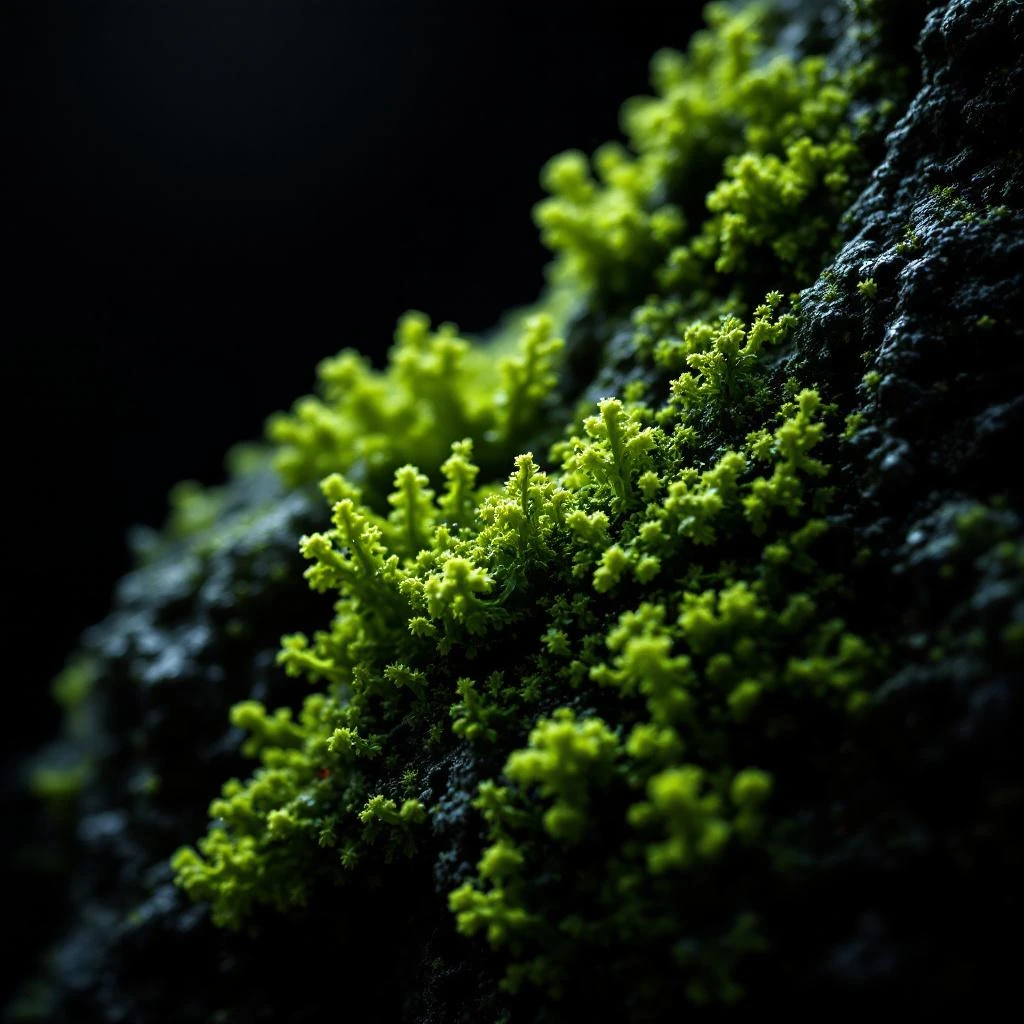
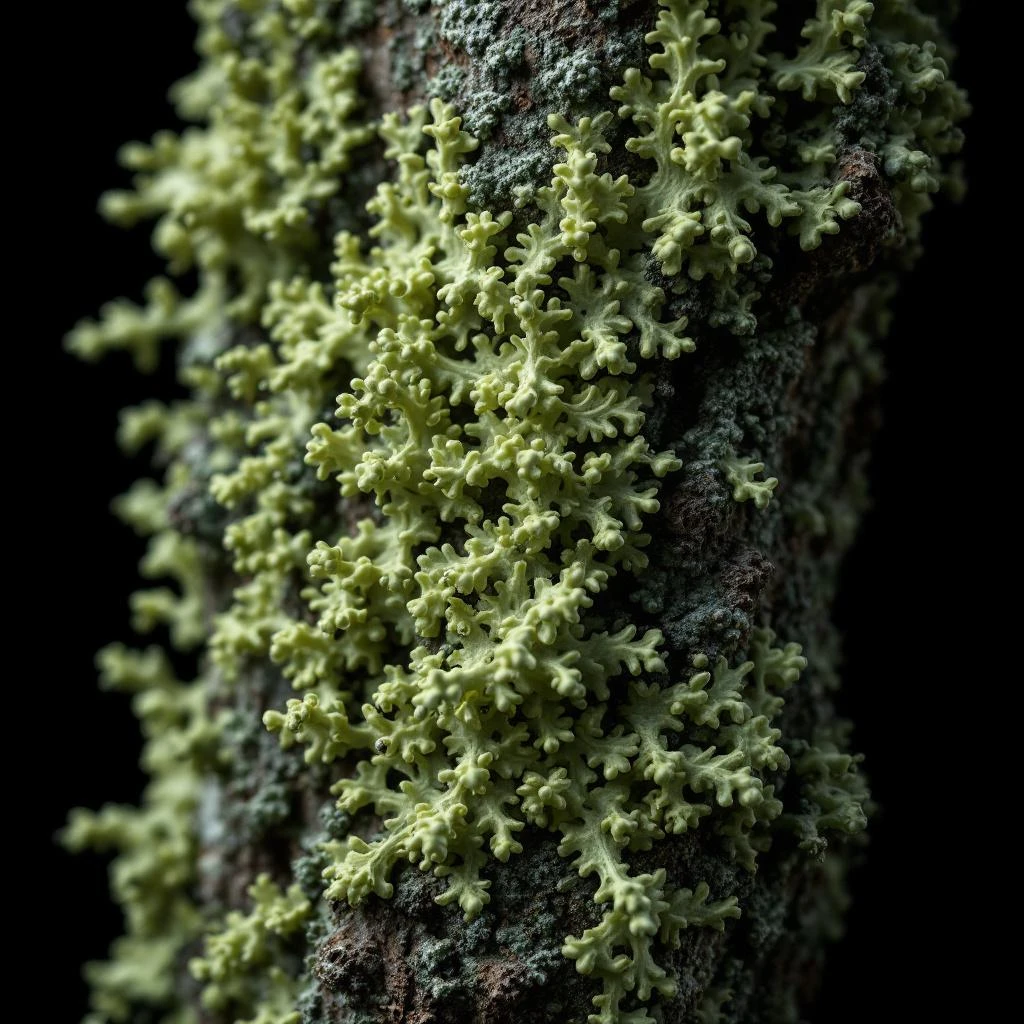
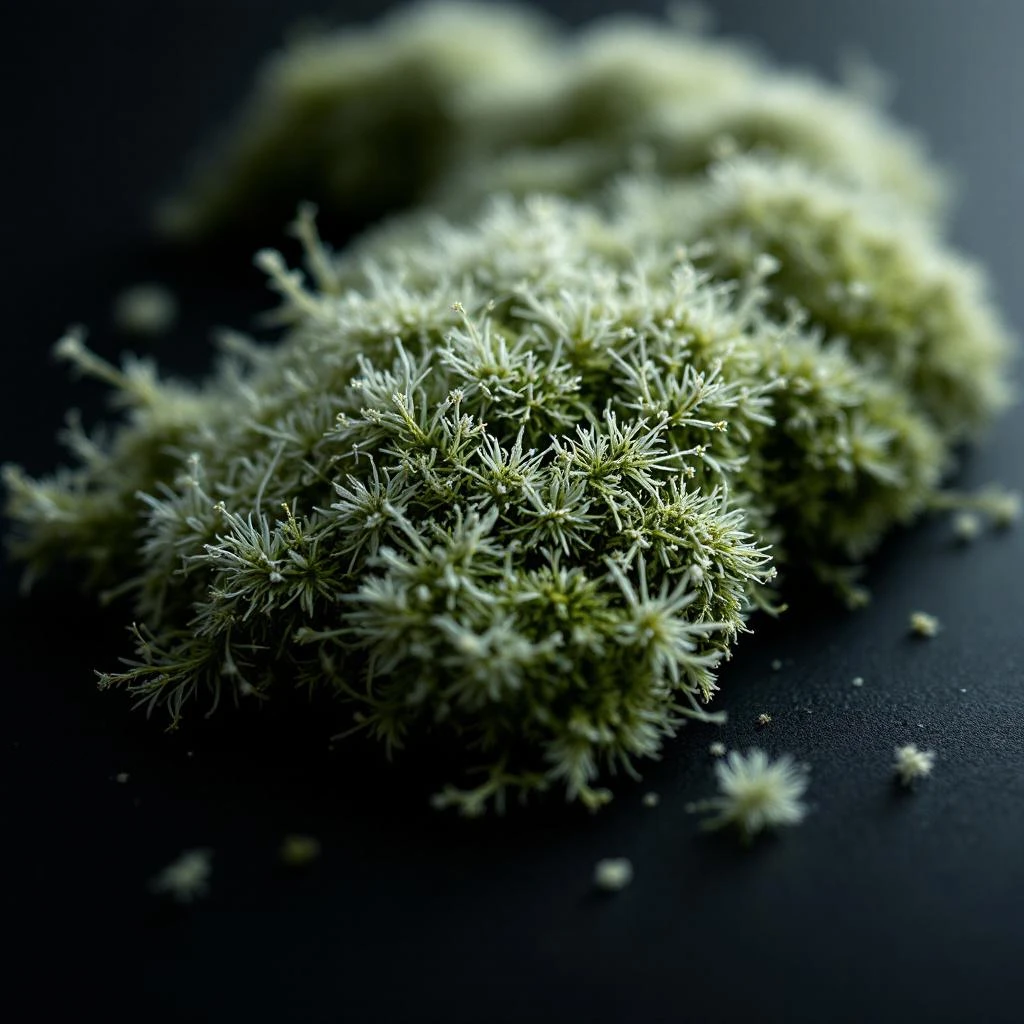
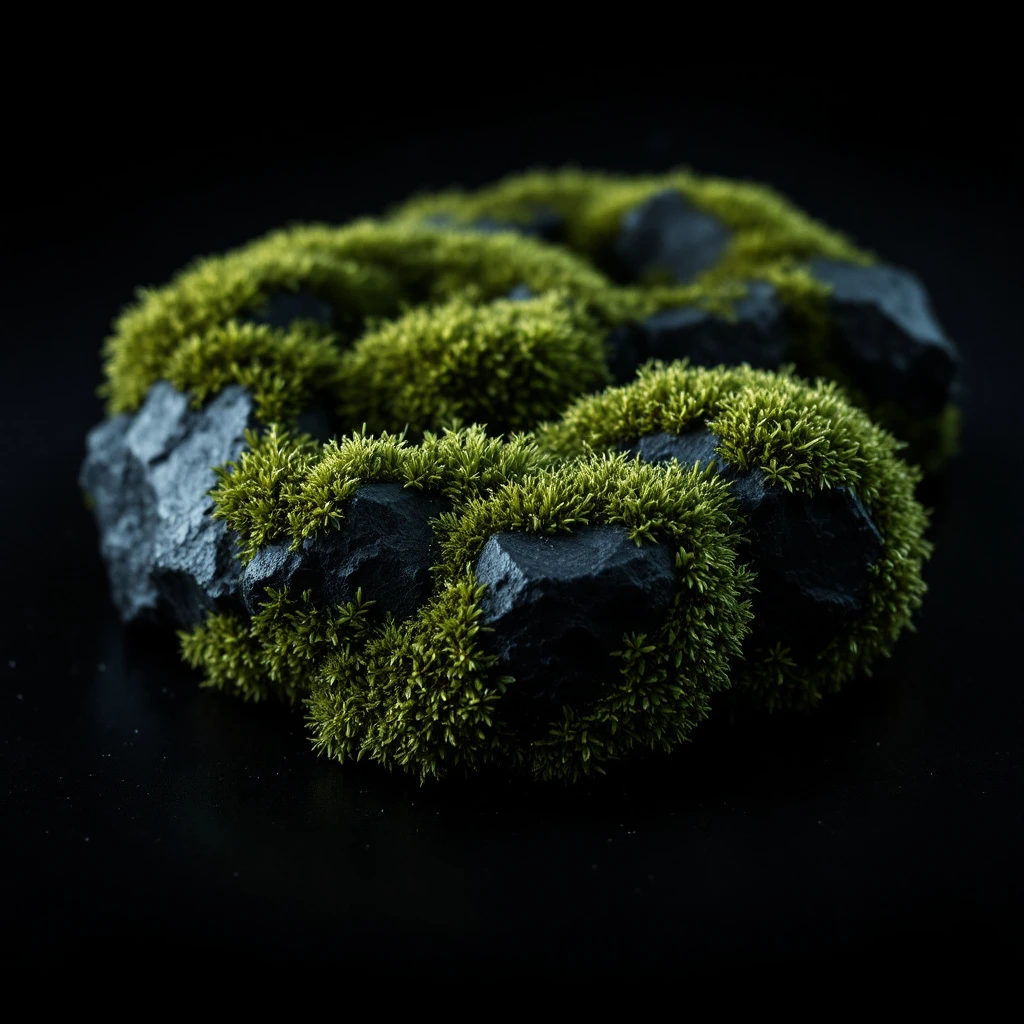
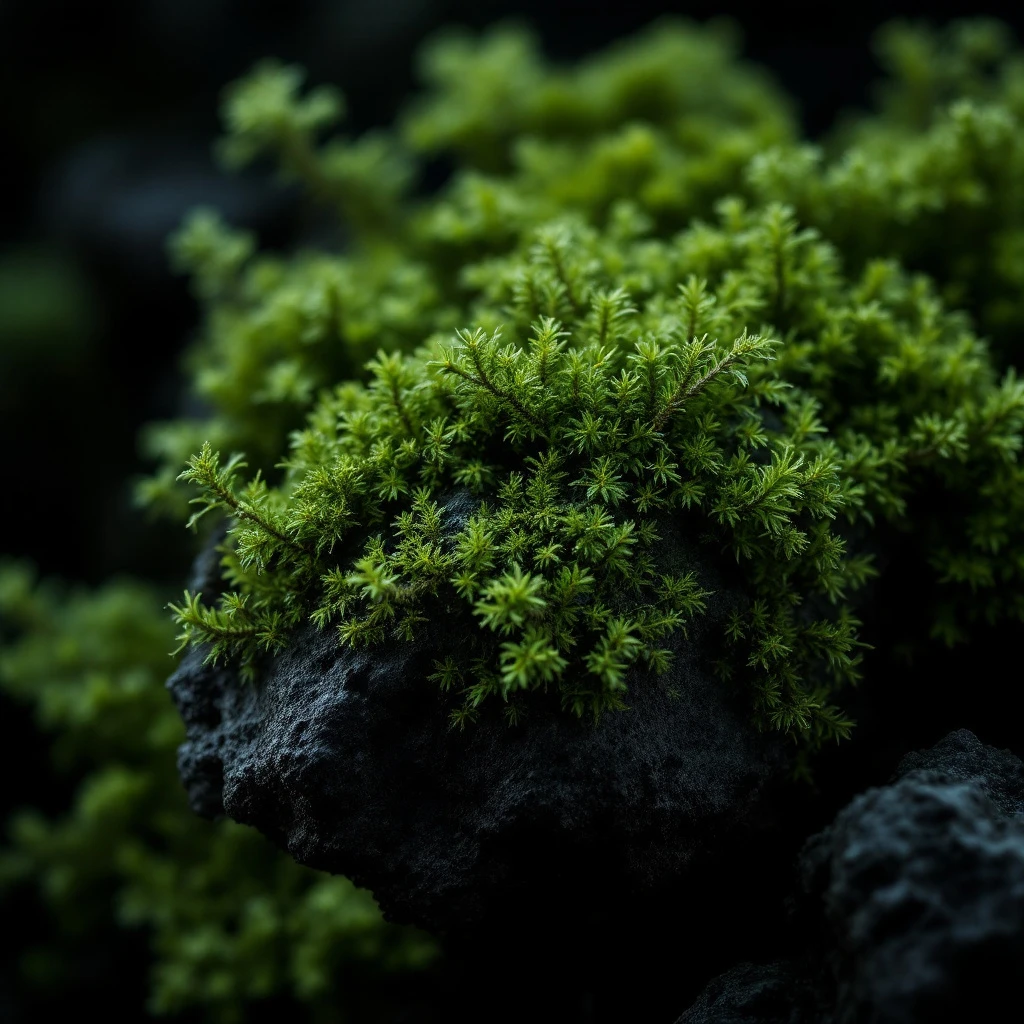
Earth, bark, and forest floor captured in an absolute. Yugoslavian oakmoss carries the deep, leathery character of lichen scraped from ancient oak bark in South-Central European forests.
Character
How it smells
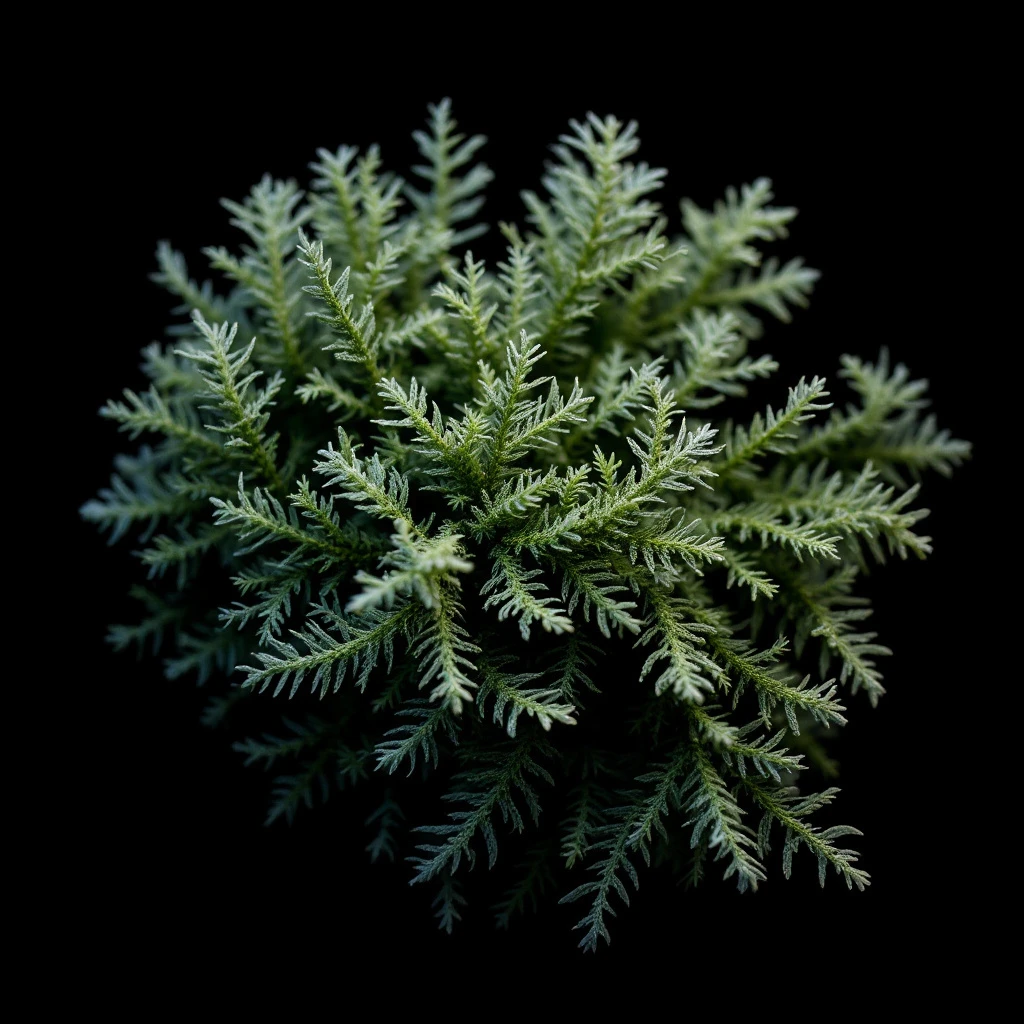
Leathery earth, forest shadow, ancient bark.
Yugoslavian oakmoss is so sensitive to air pollution that harvests from forests near industrial areas were abandoned by the 1980s.







Origin
Yugoslavia
Oakmoss entered Western perfumery at the end of the nineteenth century, when the rise of organic synthesis opened new possibilities for natural materials. Before this period, lichens appeared in folk medicine and incense rather than fine fragrance. Historical records trace aromatic blends using oakmoss, styrax, calamus, and labdanum back to Roman times, and possibly earlier in Egyptian contexts.
In the Balkans, harvesting oakmoss from oak forests became a seasonal practice maintained across generations. Yugoslavia's oak-rich woodlands supplied significant volumes to the French perfume industry, with foragers developing specialized knowledge of which forests produced the most aromatic lichen. The practice connected traditional botanical gathering to the emerging commercial fragrance market.
Yugoslavian oakmoss contributed to the chypre archetype, a fragrance family defined by bergamot, rose, and oakmoss interplay. As modern perfumery evolved through the twentieth century, this lichen remained a cornerstone base note despite regulatory changes and allergen restrictions. The ingredient shaped how perfumers built depth and longevity in compositions, establishing oakmoss as essential to classic perfumery vocabulary.
Wears it best
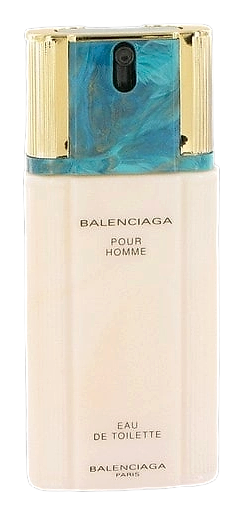
Fragrances featuring Yugoslavian Oakmoss

Brands
Brands known for Yugoslavian Oakmoss
Good to know
Questions, answered
The essentials on Yugoslavian Oakmoss in perfumery: how it smells, where it comes from, and how it behaves on skin.
What does Yugoslavian oakmoss smell like?
Yugoslavian oakmoss smells earthy, mossy, and bark-like with leathery undertones. The region's soil composition and climate create a darker, more resinous character than lighter French varieties.
How is oakmoss extracted?
Harvesters collect lichen from oak bark, then send it to Grasse for solvent extraction. Hexane or toluene dissolves the aromatic compounds over twelve or more hours before evaporation yields the absolute.
Why is Yugoslavian oakmoss significant?
The Balkans produced some of the finest oakmoss for the French perfume industry. Yugoslavian forests offered ideal conditions for Evernia prunastri, with generations of foragers developing expertise in selective harvesting.
What fragrance families use oakmoss?
Oakmoss defines chypre and fougère families. Its earthy, leathery character anchors compositions, providing depth and longevity as a base note alongside complementary materials like labdanum and patchouli.
Is oakmoss still widely used?
IFRA restrictions since 2001 limit oakmoss concentration in consumer products due to allergen concerns. Many perfumers now use synthetic substitutes or heavily diluted versions to comply with safety standards.
What challenges affect oakmoss supply?
Air pollution significantly impacts oakmoss quality. Forests near industrial areas became unsuitable for harvesting by the 1980s, reducing available supply and increasing reliance on cleaner highland regions.
When did perfumers first use oakmoss?
Oakmoss entered modern perfumery in the late 1800s alongside synthetic chemistry. Ancient Egyptians may have used it in mummification, and Roman formulas blended it with styrax and labdanum centuries earlier.
Can you replace oakmoss with synthetic alternatives?
Synthetics like evernyl approximate oakmoss's mossy character but lack its full complexity. Natural oakmoss contains hundreds of compounds that create the deep, leathery nuance perfumers still seek.