

The Heritage
The Story of Mary Kay
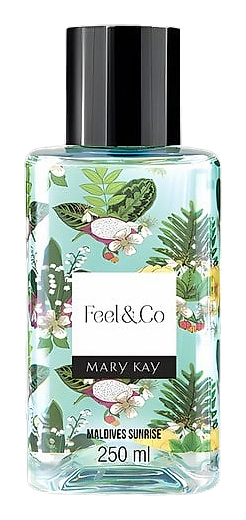
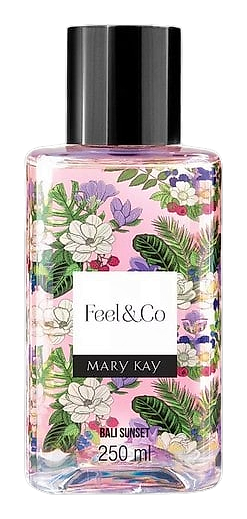
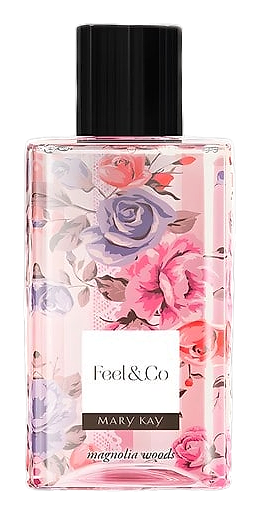
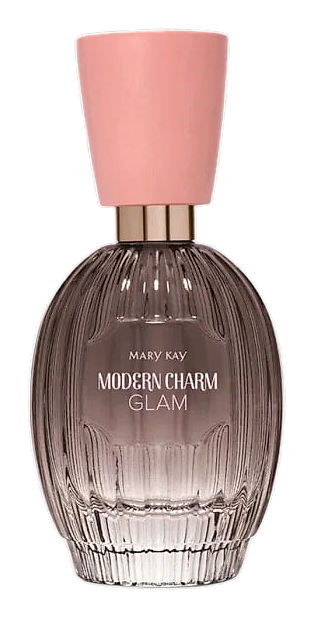
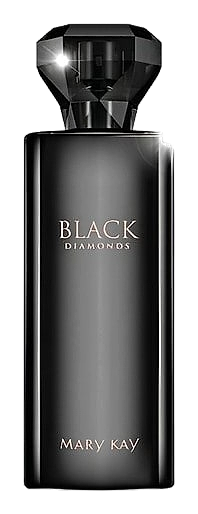
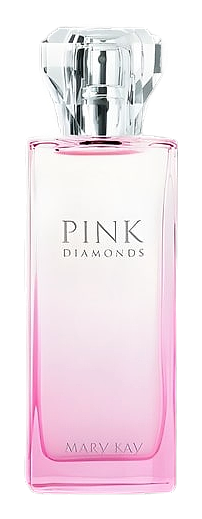
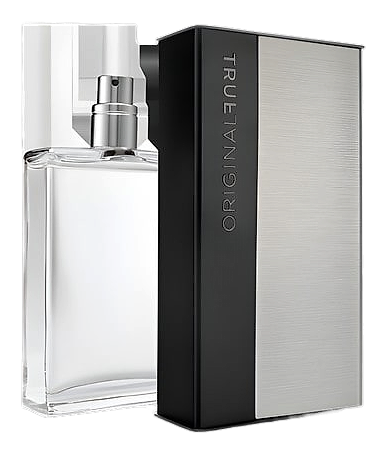
Mary Kay is an American beauty brand that offers skincare, makeup and a modest line of fragrances. Founded in Dallas, Texas in 1963, the company grew through a network of independent beauty consultants who sell directly to customers. Its fragrance portfolio includes legacy scents such as Angelfire (1977) and Genji (1985) as well as newer releases like Modern Charm Glam (2020) and Joy Emotion Scent (2025). The brand balances approachable scent profiles with a commitment to personal service, positioning fragrance as a complement to its broader beauty offering.
Heritage
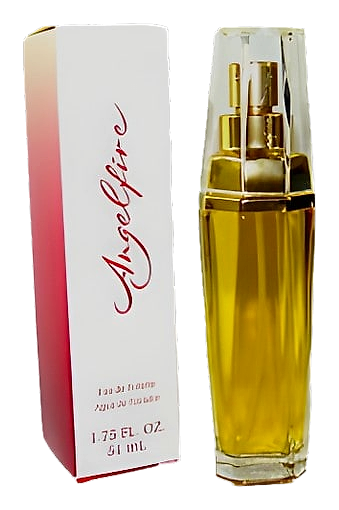
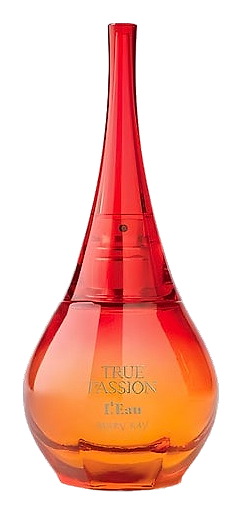
Mary Kay Ash opened the first office of Beauty by Mary Kay on a kitchen table in Dallas in 1963, investing roughly $5,000 of her savings. Her goal was to create a business that empowered women to earn income while working flexible hours. Within a decade the company expanded beyond Texas, establishing a national network of independent consultants. In 1977 the brand introduced its first perfume, Angelfire, marking a step into fragrance that complemented its cosmetics line. The 1980s saw the launch of Genji (1985) and Acapella (1987), scents that were marketed through the same consultant channels. By the 1990s Mary Kay had entered markets in Canada, Europe and Asia, adapting its product range to local preferences while keeping the consultant model intact. The 2000s brought a refresh of the fragrance portfolio, with True Passion L'Eau debuting in 2013 and the Joy line expanding in the 2020s. In 2020 Modern Charm Glam arrived, followed by Joy Emotion Scent and At Play Pink in 2025, demonstrating the brand’s ongoing investment in scent development. Throughout its six‑decade history Mary Kay has maintained a focus on personal empowerment, community building among consultants, and a steady expansion of its fragrance offerings alongside skincare and makeup.
Craftsmanship
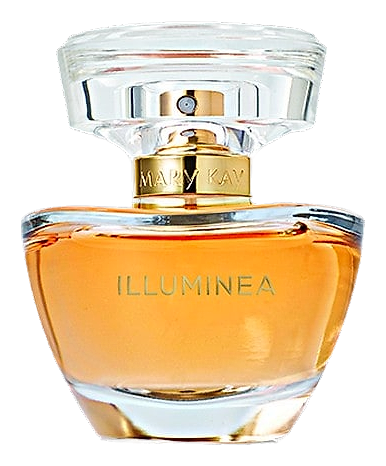
Mary Kay’s perfume production relies on partnerships with established fragrance houses. A 2023 video from the brand’s YouTube channel reveals that the Illuminea Extrait de Parfum was created by Gino Percontino of MANE Fragrance House, a respected supplier in the industry. Such collaborations bring professional nose expertise and access to a broad palette of aroma chemicals and natural extracts. Formulations are developed under the guidance of the fragrance house, then sent to Mary Kay’s manufacturing facilities for blending, quality testing and bottling. The company follows standard industry protocols, including stability testing, allergen screening and compliance with IFRA (International Fragrance Association) standards. Ingredient sourcing emphasizes regulatory compliance; natural extracts are obtained from certified suppliers, while synthetic components are selected for consistency and safety. Finished perfumes undergo batch testing for scent fidelity and safety before distribution to consultants. Packaging is assembled in facilities that meet ISO 9001 quality management standards, ensuring that each bottle meets the brand’s visual and functional specifications.
Design Language
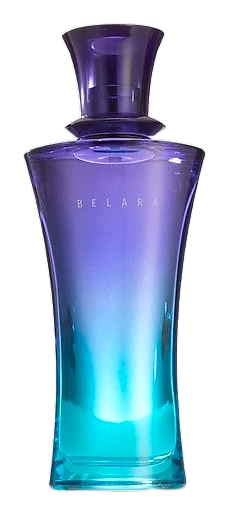
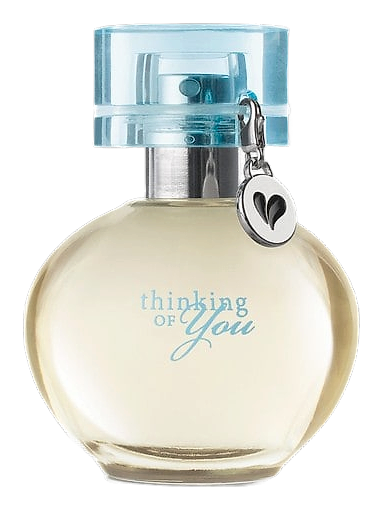
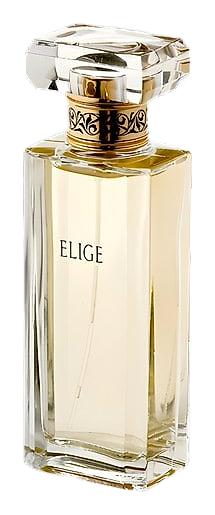
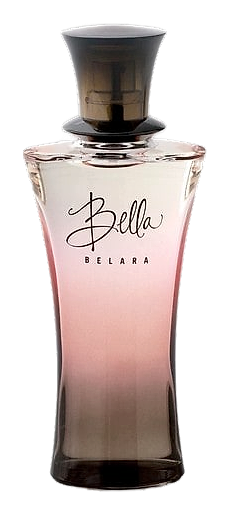
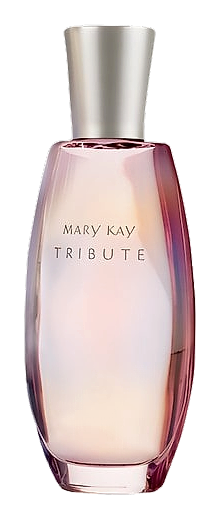
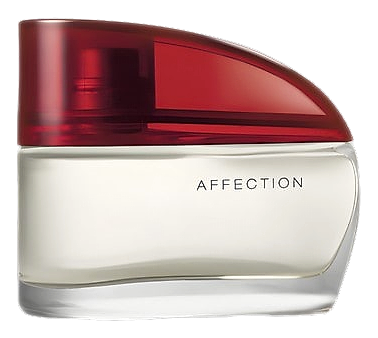
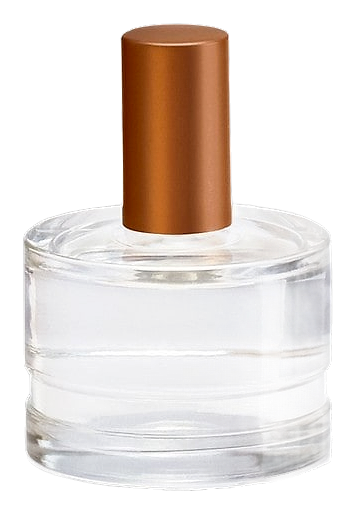
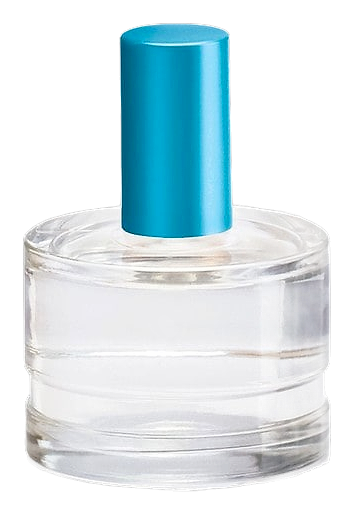
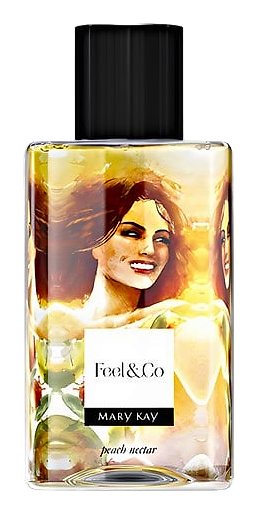
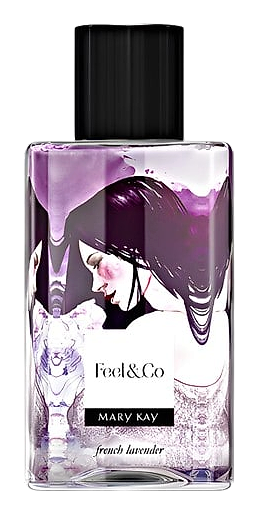
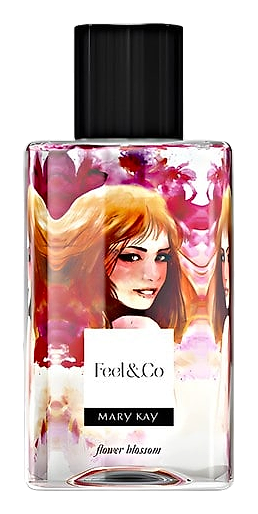
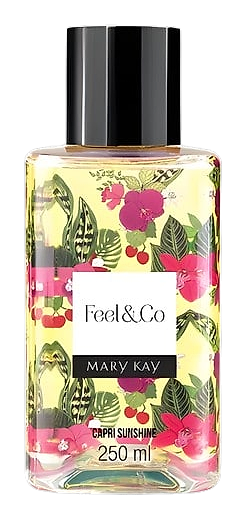
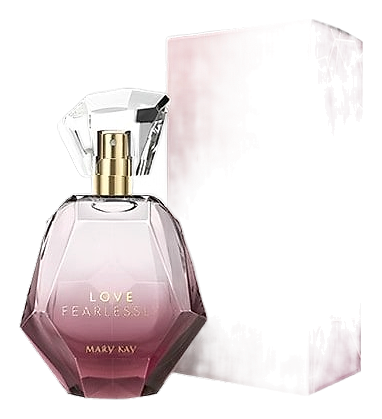
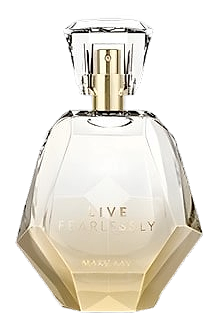
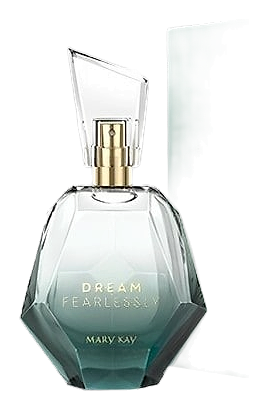
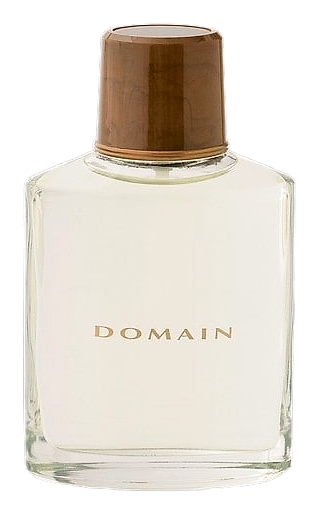
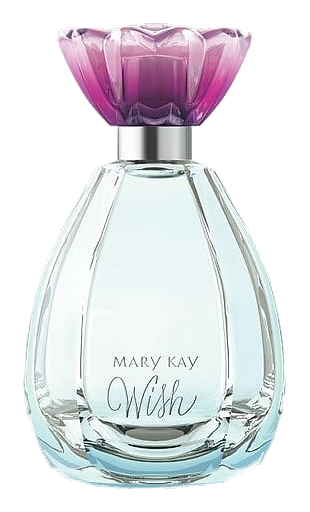
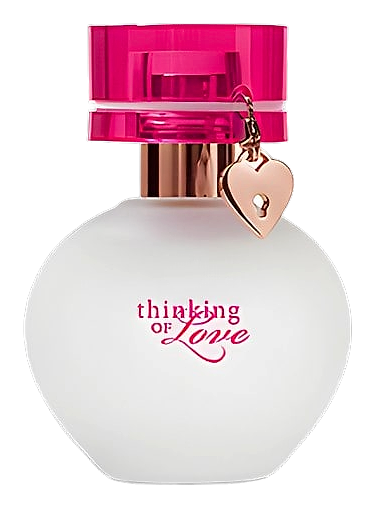
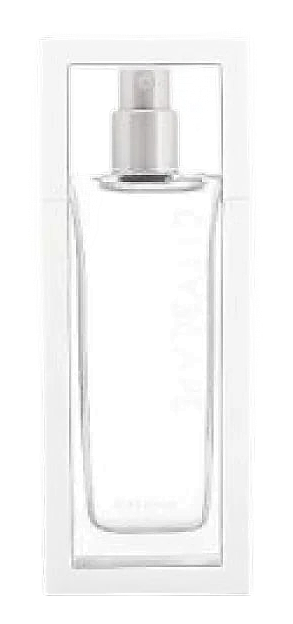
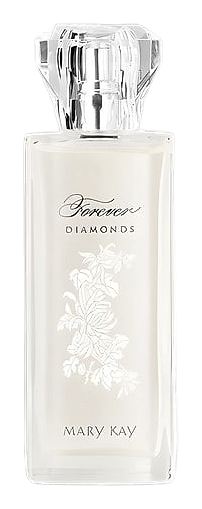
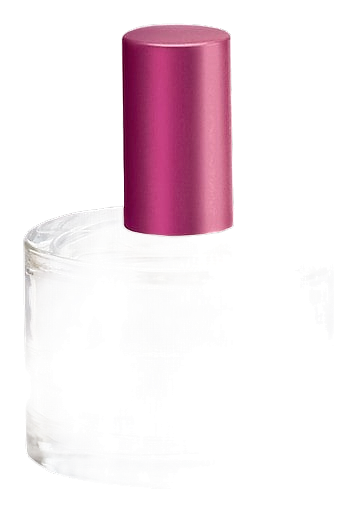
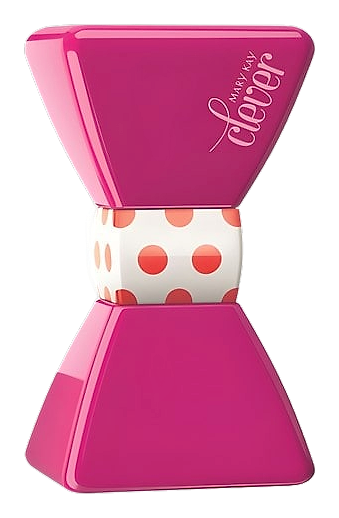
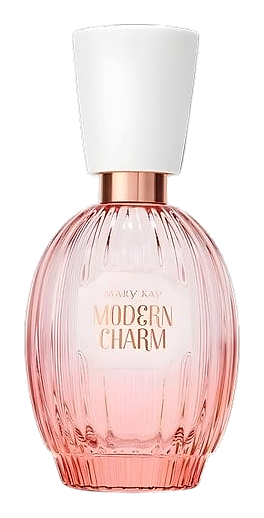
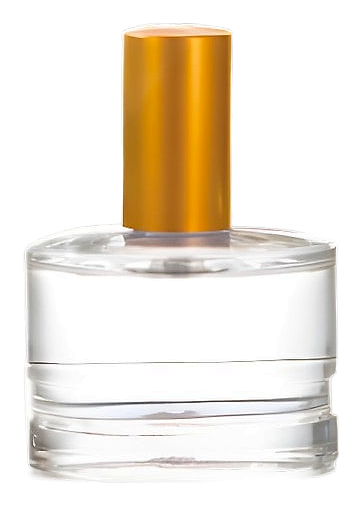
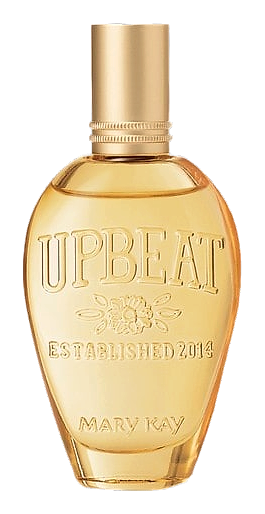
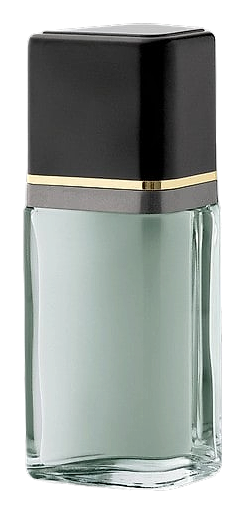
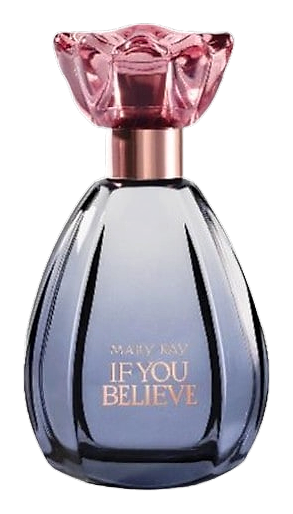
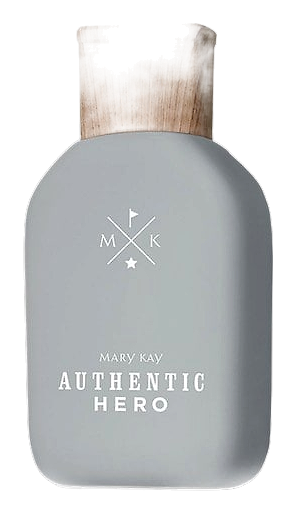
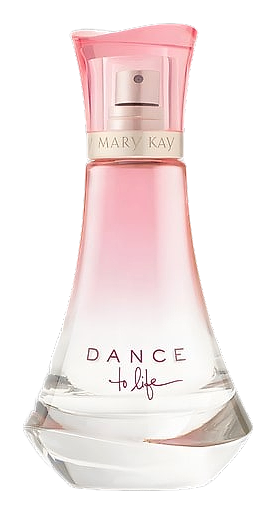
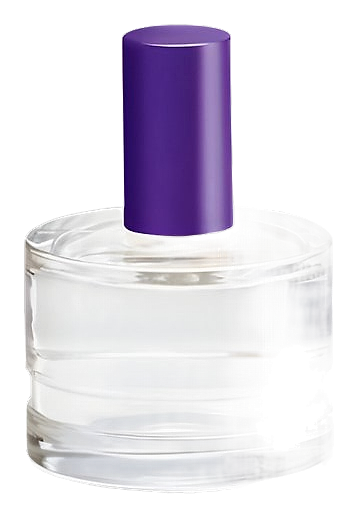
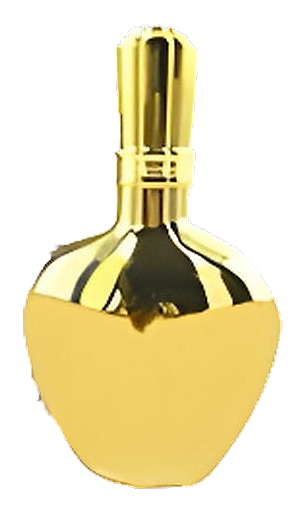
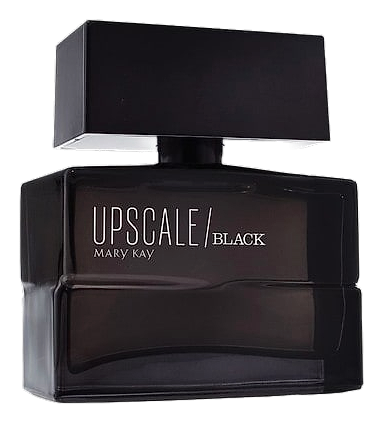
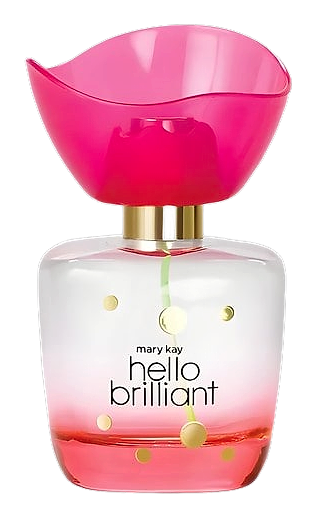
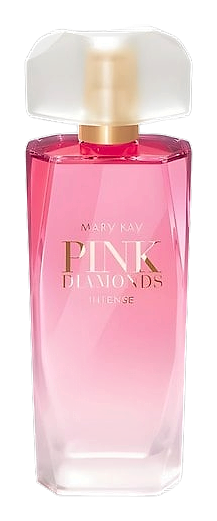
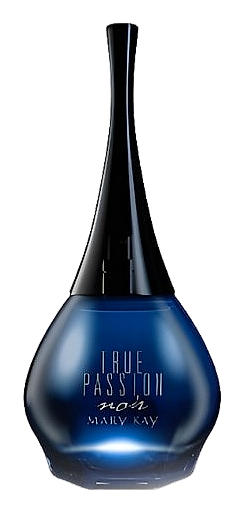
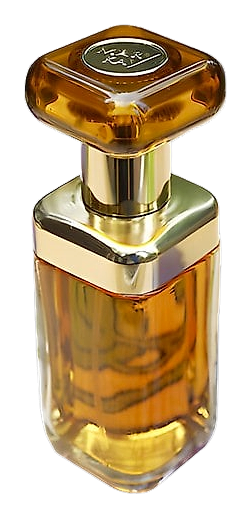
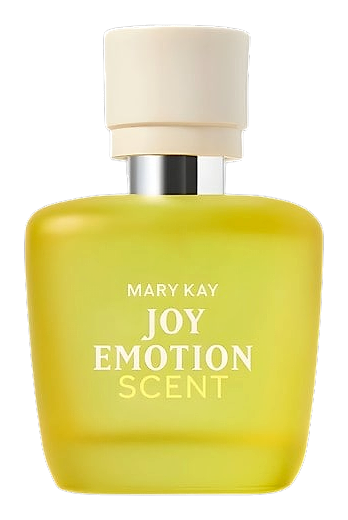
Visually, Mary Kay is anchored by a soft pink palette that appears on packaging, marketing materials and the iconic bow logo. The bow, introduced in the early years, symbolizes the brand’s focus on femininity and optimism. Fragrance bottles often feature sleek, rounded glass with minimalist labeling, allowing the pink accent to stand out without overwhelming the design. Recent releases such as Joy Emotion Scent use clear glass with a subtle pink gradient, reflecting a modern yet approachable aesthetic. The brand’s advertising frequently showcases women in everyday settings, emphasizing personal confidence rather than high‑gloss glamour. This visual language aligns with the company’s broader identity as a community‑focused, consultant‑driven beauty brand.
Philosophy
The company’s public mission states that it seeks to inspire confidence and empower women through beauty. This purpose drives both product development and the consultant experience. In fragrance, Mary Kay pursues scents that are meant to be uplifting and easy to wear, reflecting the brand’s emphasis on everyday joy. The company collaborates with external fragrance houses rather than maintaining an in‑house lab, allowing it to tap into specialist expertise while keeping formulations affordable for its consultant network. Its values of integrity, service and optimism appear in marketing language and in the way consultants are encouraged to share personal stories about scent experiences. The brand also adheres to regulatory standards for cosmetics, ensuring that each perfume meets safety guidelines set by agencies such as the U.S. Food and Drug Administration and the International Fragrance Association.
Key Milestones
1963
Mary Kay Ash founded Beauty by Mary Kay in Dallas with $5,000 of personal savings.
1977
Launch of Angelfire, the brand’s first perfume, expanding into fragrance.
1985
Introduction of Genji, a scent that became a staple in the Mary Kay fragrance line.
2013
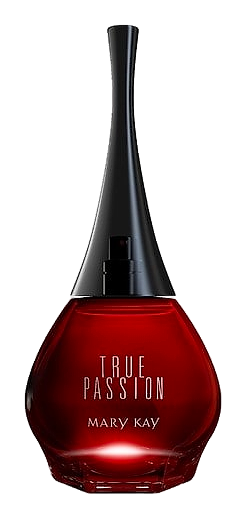
Release of True Passion L'Eau, marking a modern update to the perfume portfolio.
2020
Modern Charm Glam debuts, reflecting contemporary scent trends.
2025
Joy Emotion Scent and At Play Pink launch, expanding the Joy fragrance family.
At a Glance
Brand profile snapshot
Origin
United States
Founded
1963
Heritage
63
Years active
Collection
2
Fragrances released
Avg Rating
3.9
Community sentiment
Release Rhythm


