The Story
Why it exists.
The beginning
Journey of Dreams arrived in 2014 as Mary Kay's answer to something the brand's network of consultants had long requested: a floral that felt fresh rather than heavy, modern rather than nostalgic. The name itself is deliberate, it nods to the aspirational DNA running through every Mary Kay product since 1963, the idea that beauty should feel like movement rather than stillness. Where some fragrances promise destination, Journey of Dreams promises the act of going somewhere. For Mary Kay, that meant a composition light enough to wear to a morning meeting and interesting enough to remember.
What makes the structure work is the way it refuses to commit to one register. The top registers as cool and aquatic, litchi and lotus bring that water-adjacent quality, like rain on a garden path. But the heart warms it with Turkish rose and currant buds, and the base anchors it in white amber and musk, which keeps the whole thing from disappearing. Australian sandalwood in the heart is a quiet luxury move, it doesn't announce itself, but it keeps the drydown from going flat. It's a fragrance that knows what it wants: approachable florals with enough dimension to reward attention.
The evolution
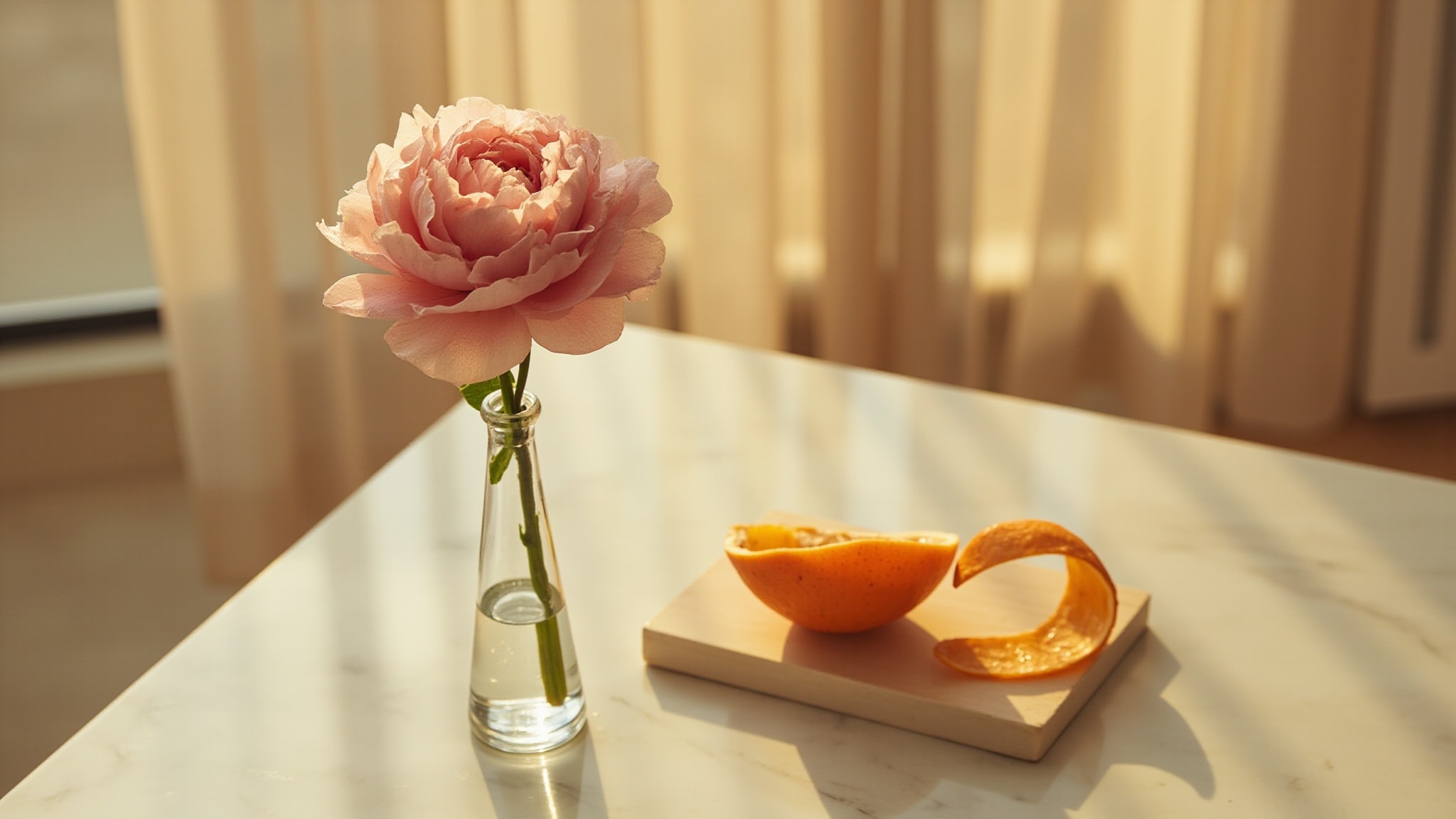
The opening hits bright and clean, clementine zest over freesia's green-floral edge. Peony arrives within minutes, but it's not the blowsy peony of heavier fragrances. This one reads cooler, almost mineral, like the flower just washed up on a stone. Currant buds bring a tartness that lifts the whole thing skyward for the first hour or so. Then the sandalwood begins its quiet work, warming the rose without sweetening it, and the composition shifts from morning garden to late afternoon, still present but softer, more intimate. The drydown settles into musk and white amber, close to the skin, barely there, but it stays for 4-6 hours depending on skin chemistry.
Cultural impact
Journey of Dreams arrived during a transitional era for mass-market women's fragrances, when the mid-2010s saw a decisive shift away from heavy oriental scents and toward lighter, more breathable compositions. Mary Kay, a brand long associated with direct-sales beauty and accessible luxury, positioned this fragrance as an entry point for younger consumers discovering the brand. The floral-fruity-aquatic category it occupies dominated women's fragrance throughout the 2010s, with Journey of Dreams representing a quieter, more understated take on that trend rather than a bold statement piece. Its moderate sillage and daytime character reflect the era's broader movement toward office-appropriate fragrances that didn't demand attention but instead created an ambient presence.