Currant Buds
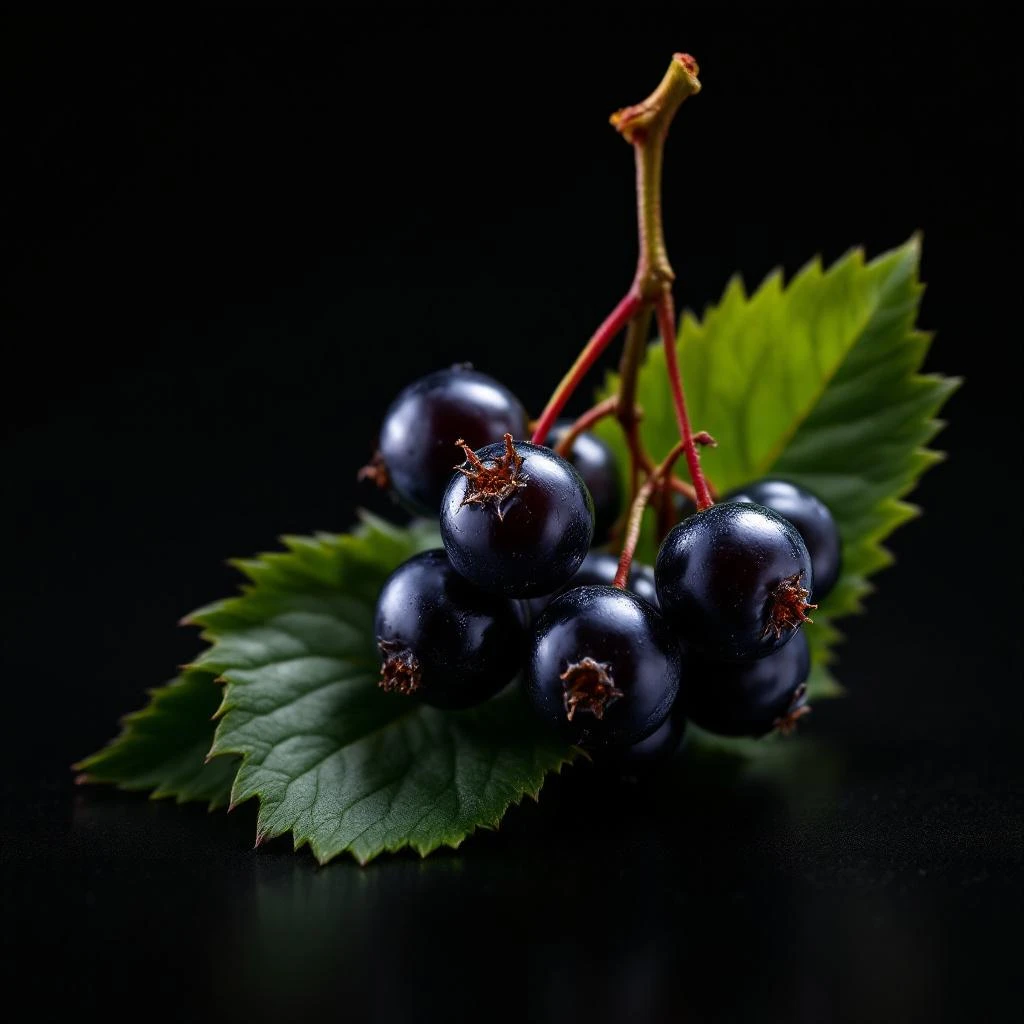
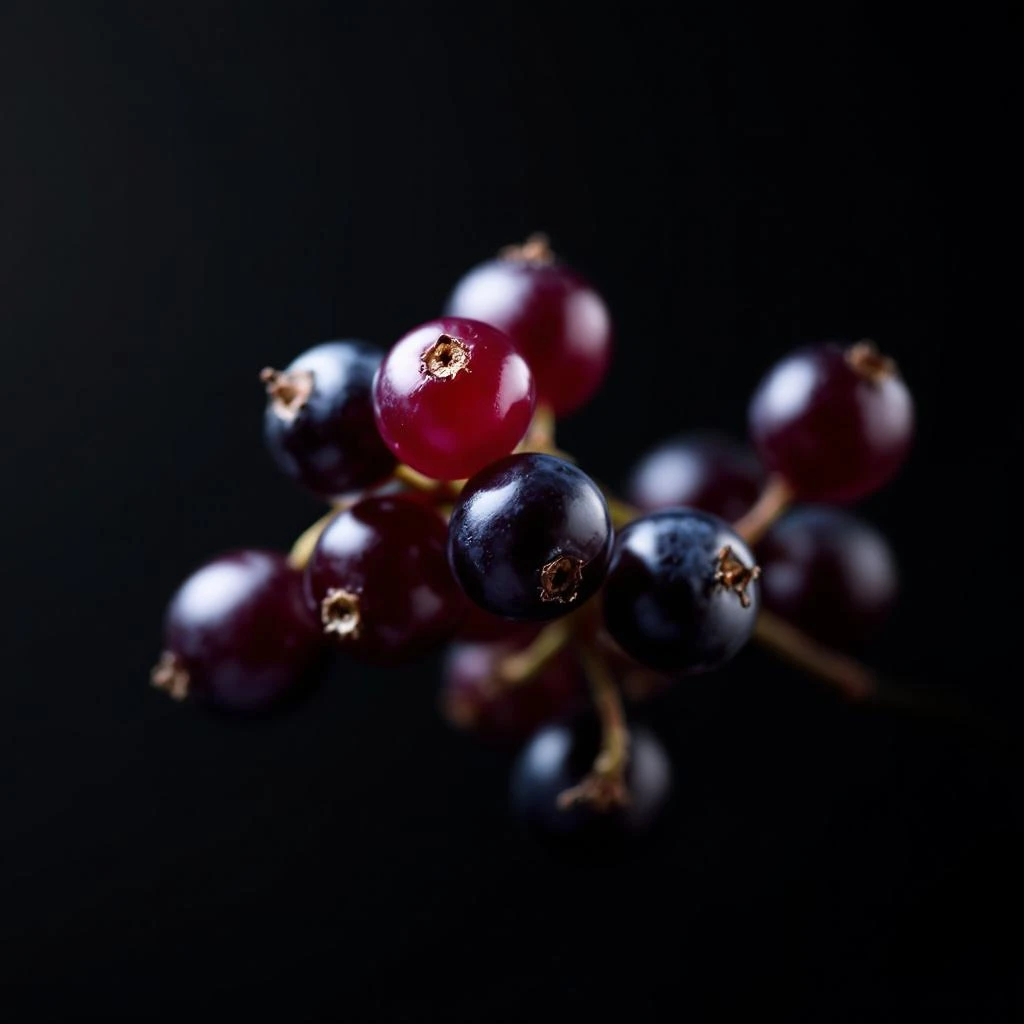
Small, sticky buds harvested by hand in Burgundy's winter fields yield one of perfumery's most coveted absolutes. Black currant buds deliver a distinctive fruity-green character with surprising animalic depth that has captivated perfumers since 1969.
Character
How it smells
The rare, hand-picked note that defines fruity-green perfumery.
A single worker harvests at most 1 kg of buds daily, and it takes 30 kg of buds to produce just 1 kg of absolute oil.









Origin
France
While crème de cassis first appeared in Dijon in 1841, black currant buds did not enter perfumery until 1969, when Guerlain introduced Chamade. Van Cleef & Arpels furthered the note's reputation with First in 1976, composed by Jean-Claude Ellena. Annick Goutal's Eau de Charlotte in 1982 paid tribute to her daughter Charlotte, who loved black currant jam, blending the buds with mimosa and cocoa.
The note traces its perfumery roots to Burgundy's long-standing tradition of black currant cultivation, which flourished in that region for food and beverage use. King Louis XV himself discovered ratafia made from the fruit during a hunting lunch in Neuilly, subsequently introducing it to the French court. This aristocratic endorsement cemented black currant's cultural standing in France long before the buds found their niche in fine fragrance.
Today, the absolute remains exclusive to high-end perfumery, prized for its multi-layered fruity-green character that synthetic alternatives cannot fully replicate.
Wears it best
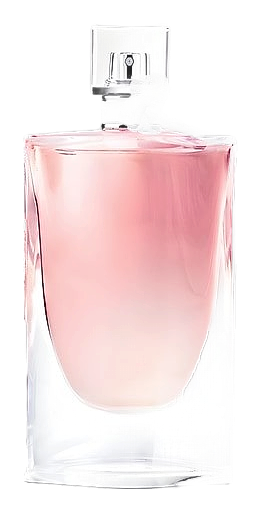
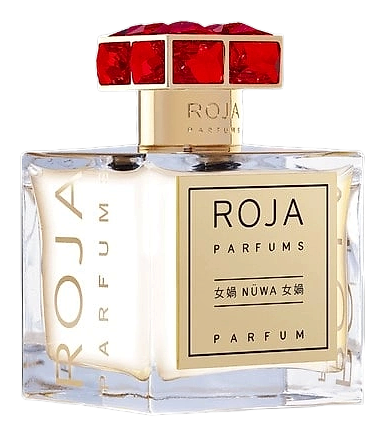
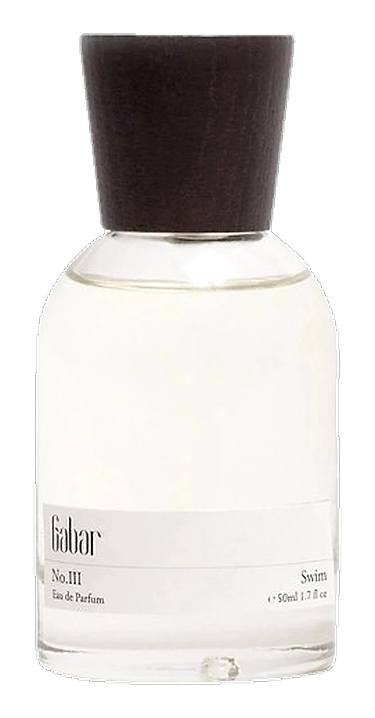
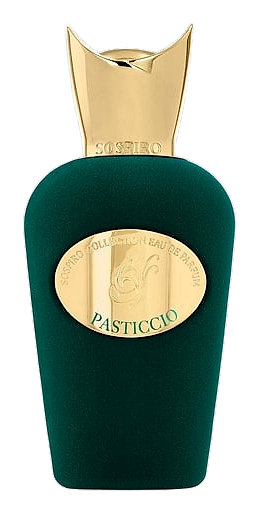
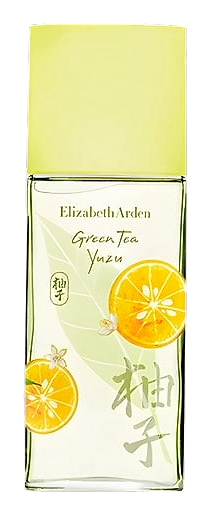
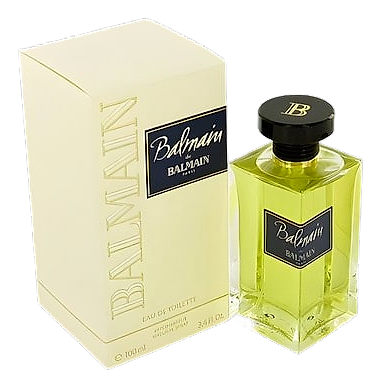
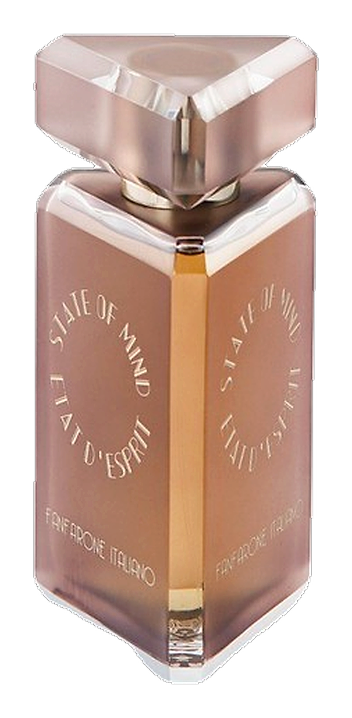
Fragrances featuring Currant Buds
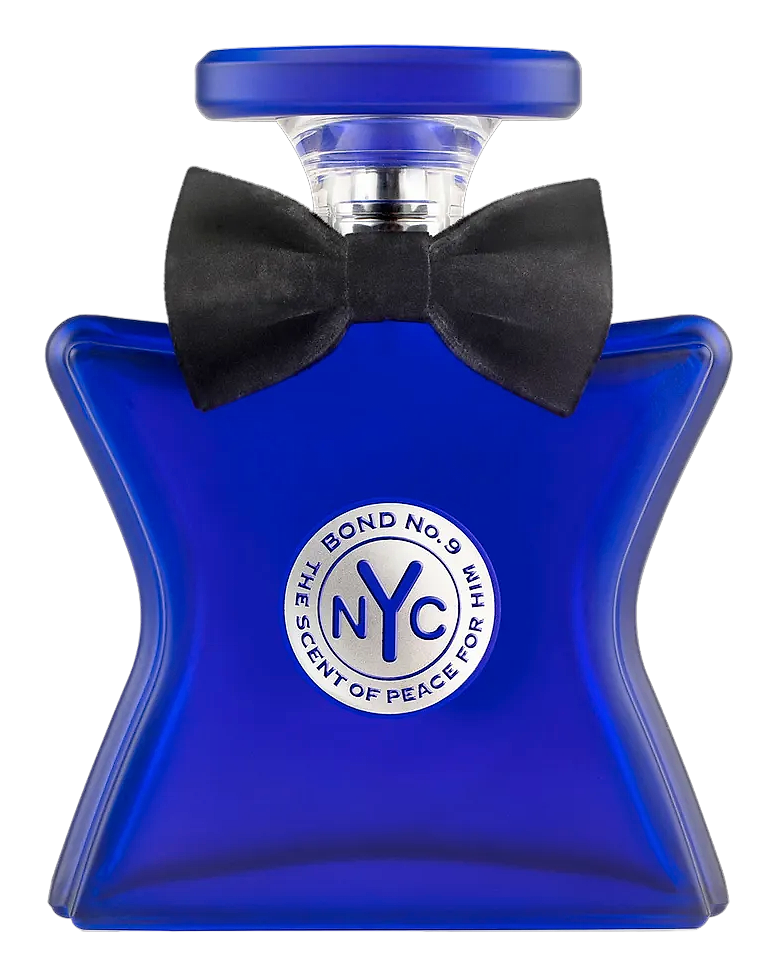
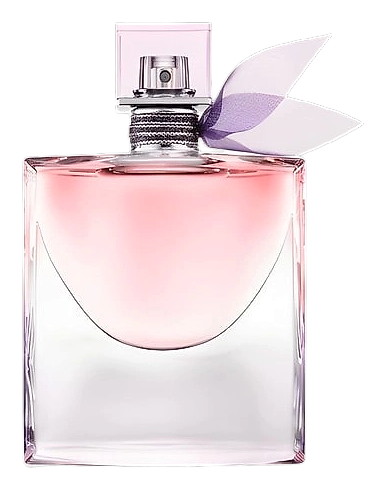
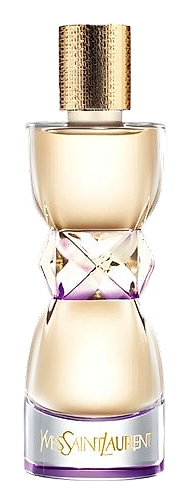
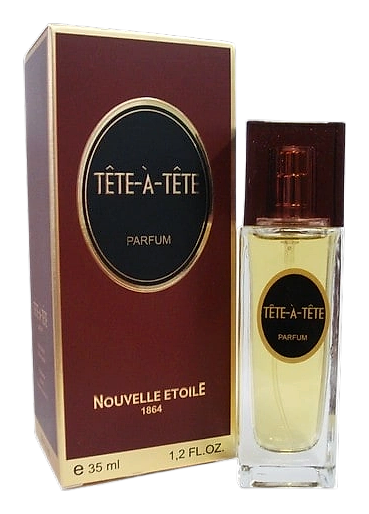
Brands
Brands known for Currant Buds
Good to know
Questions, answered
The essentials on Currant Buds in perfumery: how it smells, where it comes from, and how it behaves on skin.
What does black currant bud absolute smell like?
Black currant bud absolute delivers a fresh, fruity-green aroma with tart-yet-sweet berry character. Beneath its juicy surface lies subtle woody depth and an animalic edge often described as cat-like, derived from specialized glandular trichomes on the plant surface.
What is the difference between natural black currant bud absolute and synthetic blackcurrant fragrance?
Natural absolute captures the complete aromatic profile, including green, fruity, woody, and animalic facets. Synthetics, popular since the 1980s, replicate only selected facets and lack the complex interplay between fruity brightness and the characteristic animalic undertone.
What fragrances feature black currant buds?
Notable examples include Guerlain Chamade (1969), Van Cleef & Arpels First (1976), and Annick Goutal Eau de Charlotte (1982). Modern fragrances using this note span houses like Dior, Frédéric Malle, and Estée Lauder.
Why is black currant bud absolute so expensive?
Hand-harvesting demands one worker collects at most 1 kg of buds per day during the December-to-February season. The 30:1 ratio of fresh buds to absolute yield makes production labor-intensive and costly.
What blends well with black currant bud absolute?
Black currant buds pair particularly well with roses, citruses, and benzoin. The note also complements jasmine, galbanum, and woody bases like oakmoss and cedarwood, adding a distinctly modern fruity character.
What is the 'cat urine' note associated with black currant?
The animalic facet comes from specialized glandular trichomes covering roughly 30% of the black currant plant. This distinctive quality adds complexity but requires careful dosing, as it can dominate a composition when used excessively.
Where do black currant buds grow?
The finest quality buds originate from Burgundy, France, where centuries of cultivation have refined the plant's aromatic properties. The region's cold winters and sunny summers create ideal conditions for developing the buds' complex scent profile.
Is black currant bud absolute used in natural or synthetic fragrances?
It appears exclusively in fine natural fragrances due to prohibitive cost. Most commercial fragrances today use synthetic blackcurrant compounds that mimic select facets of the natural absolute at a fraction of the price.