Madagascar Vanilla Orchid Root
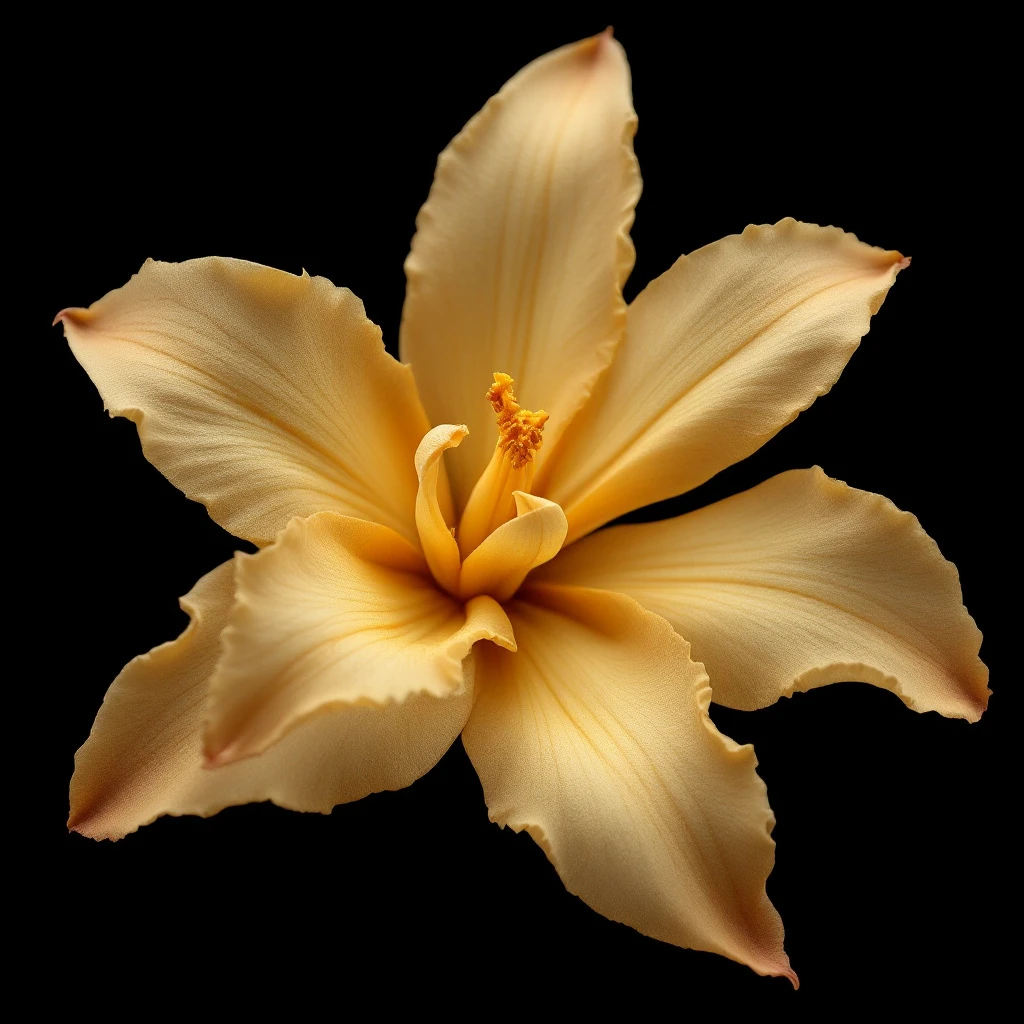
The aromatic seed pod of Vanilla planifolia, the only edible fruit-bearing orchid. Madagascar produces roughly 80% of the world's vanilla supply, making this ingredient as rare as it is beloved.
Character
How it smells
The world's most laborious spice
Vanilla requires manual pollination because its native Mexican bee doesn't exist elsewhere.

Origin
Madagascar
Vanilla traces its roots to southeastern Mexico, where Indigenous people first cultivated Vanilla planifolia around the 15th century. The Totonac people were its earliest farmers, developing cultivation techniques that the Aztecs later adopted when they conquered the Totonacs. The Aztecs prized vanilla for flavoring cacao and incorporated it into sacred rituals.
Europeans encountered vanilla during the 16th-century Spanish conquest of Mexico, initially underestimating its potential. The spice's global spread remained limited for centuries because vanilla refused to reproduce outside Mexico. In 1841, a 12-year-old enslaved boy named Edmond Albius on Réunion Island solved this mystery by developing the hand-pollination technique still used today.
Vanilla reached Madagascar soon after, and today the island produces approximately 80% of the world's supply.
Wears it best
Fragrances featuring Madagascar Vanilla Orchid Root
Brands
Brands known for Madagascar Vanilla Orchid Root
Good to know
Questions, answered
The essentials on Madagascar Vanilla Orchid Root in perfumery: how it smells, where it comes from, and how it behaves on skin.
Why is vanilla so expensive?
Vanilla is the second most expensive spice after saffron due to its labor-intensive production. Each flower must be hand-pollinated within 24 hours of blooming, and the curing process takes six to nine months.
Is vanilla derived from an orchid?
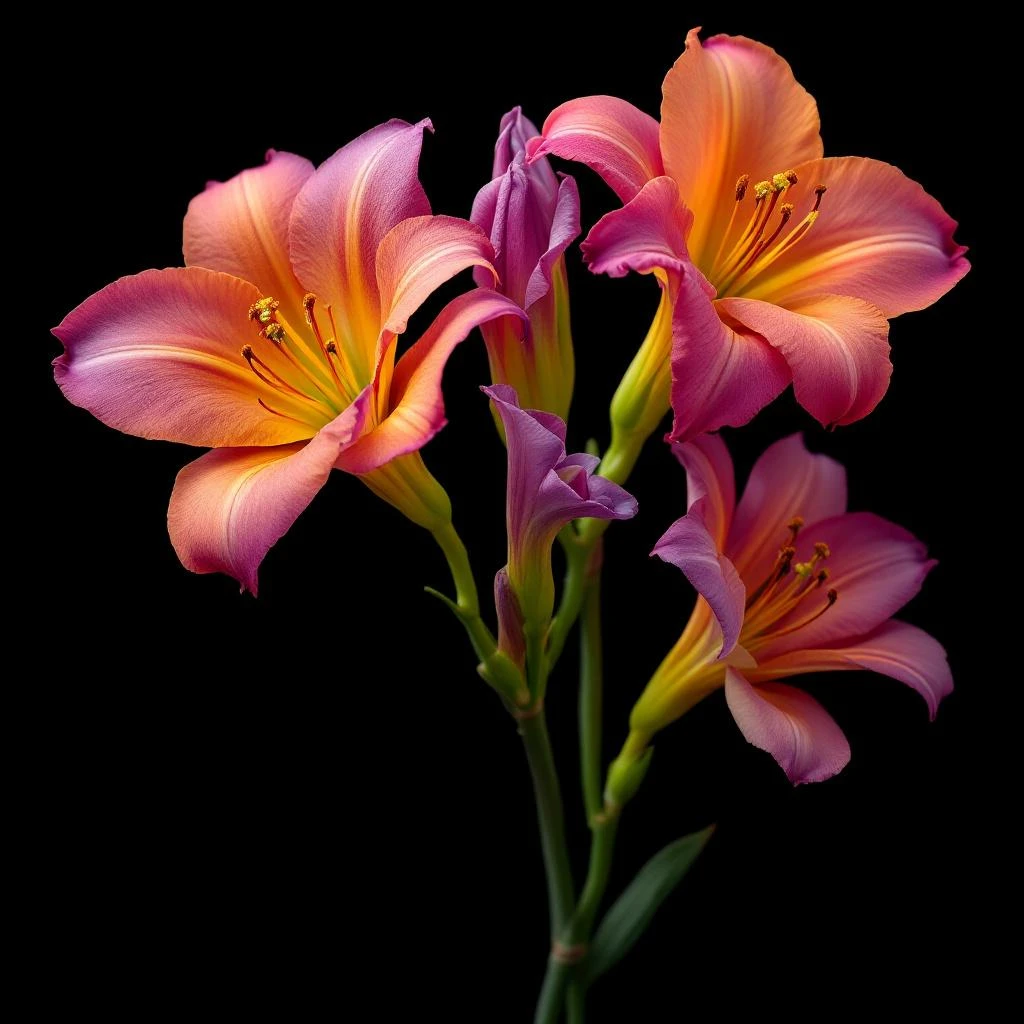
Yes. Vanilla planifolia is the only edible fruit-bearing orchid species. The vanilla bean is actually the orchid's seed pod, making vanilla unique among widely cultivated spices.
What makes Madagascar vanilla special?
Madagascar produces roughly 80% of the world's vanilla supply. The island's warm, humid climate produces beans with exceptionally rich, creamy, and complex aromatic profiles that set the global standard.
Why does vanilla require hand pollination?
Vanilla's native Mexican Melipona bee does not exist in other vanilla-growing regions. In 1841, Edmond Albius invented hand pollination using a small stick, enabling vanilla cultivation worldwide.
What is the vanilla absolute used in perfumery?
Vanilla absolute is obtained through solvent extraction, yielding a thick, dark concentrate. It contains vanillin as its primary component, along with hundreds of complementary aromatic compounds that give natural vanilla its complexity.
How long does vanilla take to cure?
The curing process spans six to nine months. Workers alternate between sweating pods in insulated containers and drying them in sunlight, repeating this cycle daily until the beans develop their characteristic dark color and rich aroma.
Who first cultivated vanilla?
Indigenous people in southeastern Mexico first cultivated vanilla around the 15th century. The Totonac people developed the original cultivation techniques, later adopted by the Aztecs who used vanilla to flavor cacao beverages.
What gives natural vanilla its distinctive smell?
Vanillin, isolated in 1858 by Theodore Gobley, is vanilla's primary aromatic compound. However, natural vanilla contains over 250 volatile compounds that create its characteristic rich, warm, and complex scent profile.




