Rose Lychee Water
A luminous marriage of Persian rose water and the crystalline coolness of lychee, this ingredient captures the moment florals meet fruit in an aromatic dialogue that dates back millennia.
Character
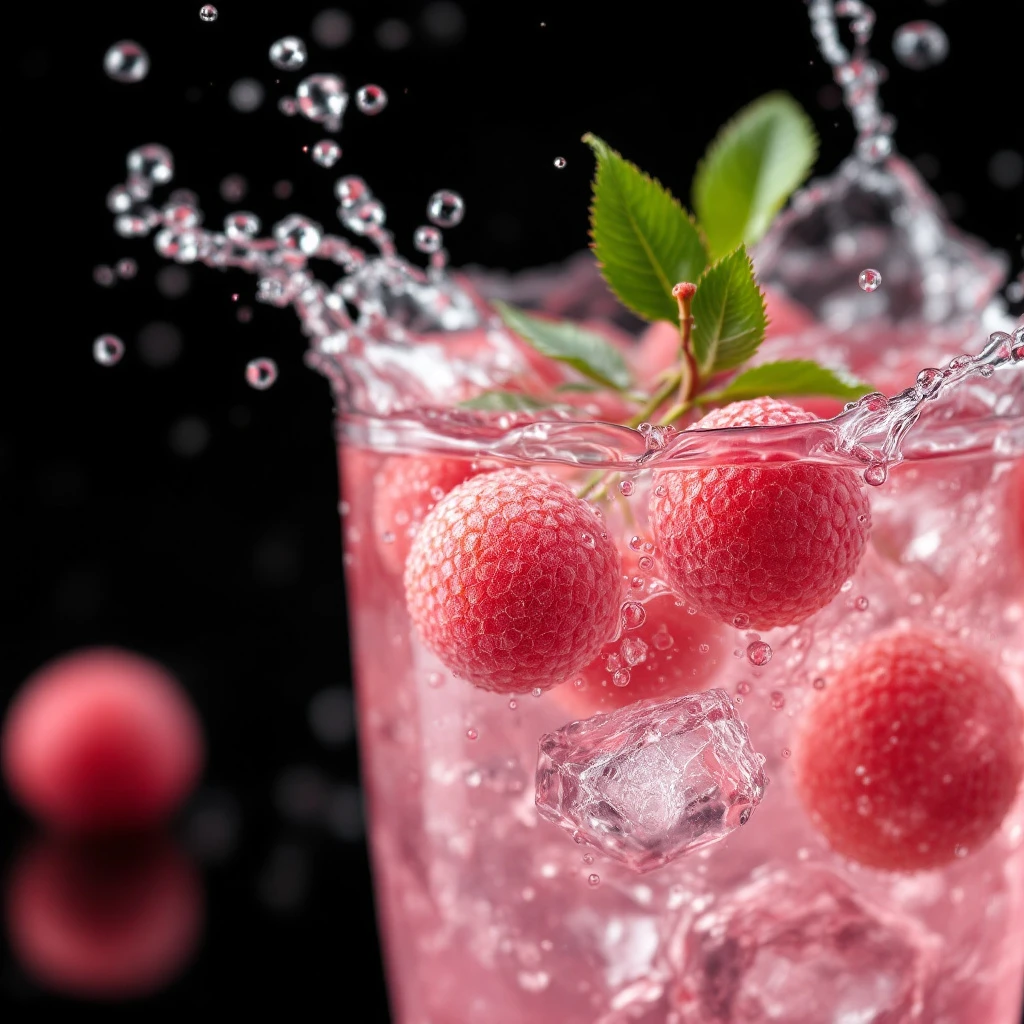
How it smells
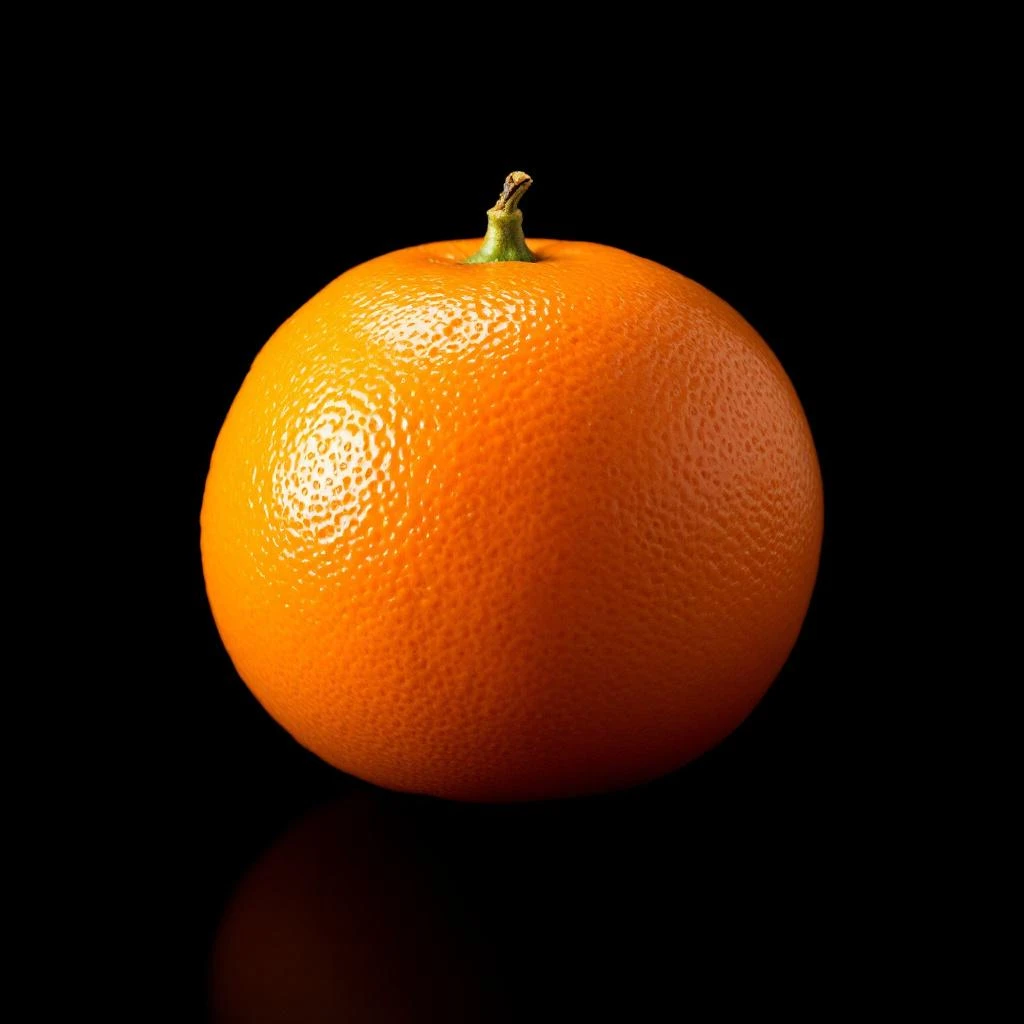
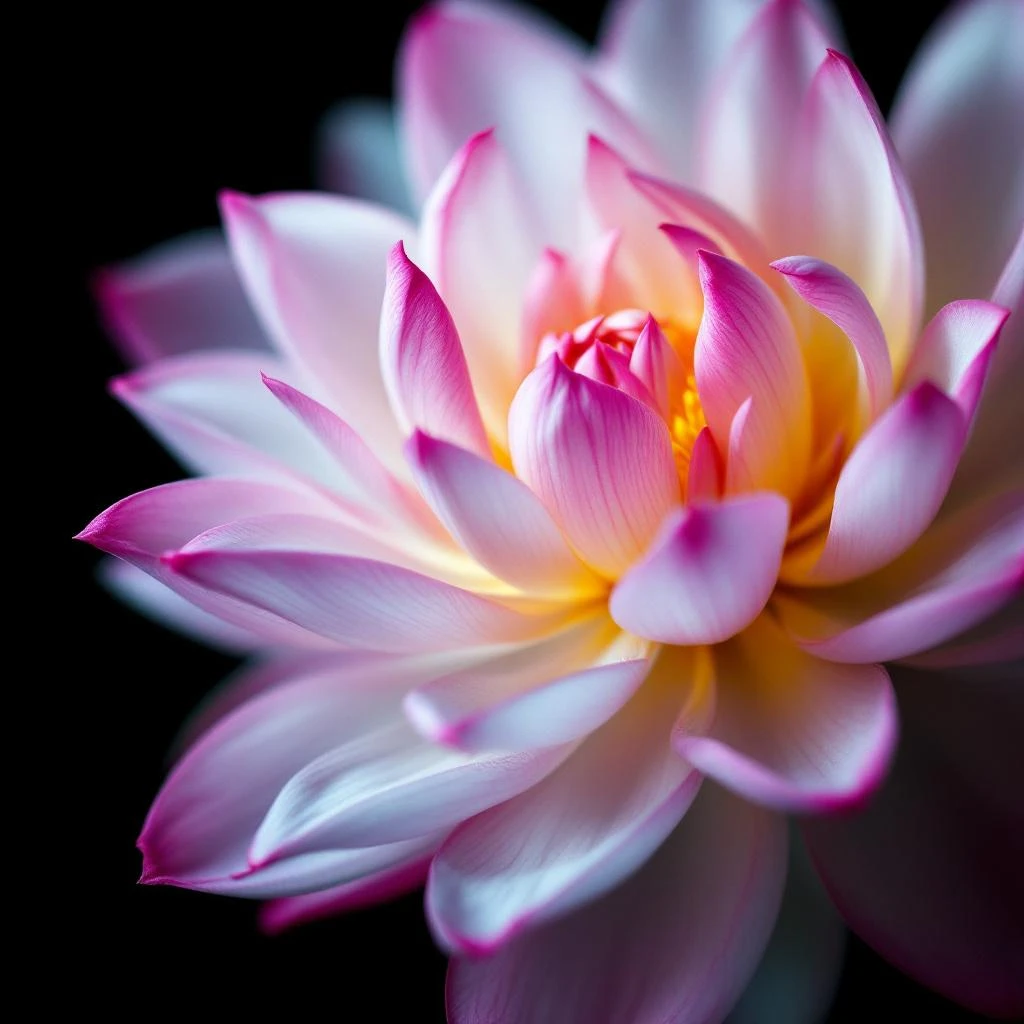
Ancient rose water meets modern lychee freshness
Rose fossils date back 40 million years, predating human civilization by millions. Lychee, however, is a relative newcomer, cultivated in China for over 2,000 years.

Origin
Iran
Rose water ranks among the oldest continuously used fragrance materials in human history. Ancient Persian texts reference its use in ceremonies, medicine, and perfumery, establishing Iran as the geographic origin of this ingredient. Arab chemists of the 10th century refined distillation techniques, spreading rose water across the Islamic world and eventually into Europe through trade routes.
Meanwhile, lychee cultivation began in Southern China during the Han Dynasty, remaining largely unknown to Western perfumers until the 18th century. The marriage of these two materials represents a meeting of ancient Persian craft and relatively recent aromatic discovery. Rosa centifolia, the cabbage rose prized in Grasse, France, became the preferred variety for fine perfumery due to its delicate, solvent-extractable absolute.
Today, rose and lychee appear together in countless modern compositions, though their historical timelines never overlapped until perfumers deliberately combined them.
Wears it best
Fragrances featuring Rose Lychee Water
Brands
Brands known for Rose Lychee Water
Good to know
Questions, answered
The essentials on Rose Lychee Water in perfumery: how it smells, where it comes from, and how it behaves on skin.
What does Rose Lychee Water smell like?
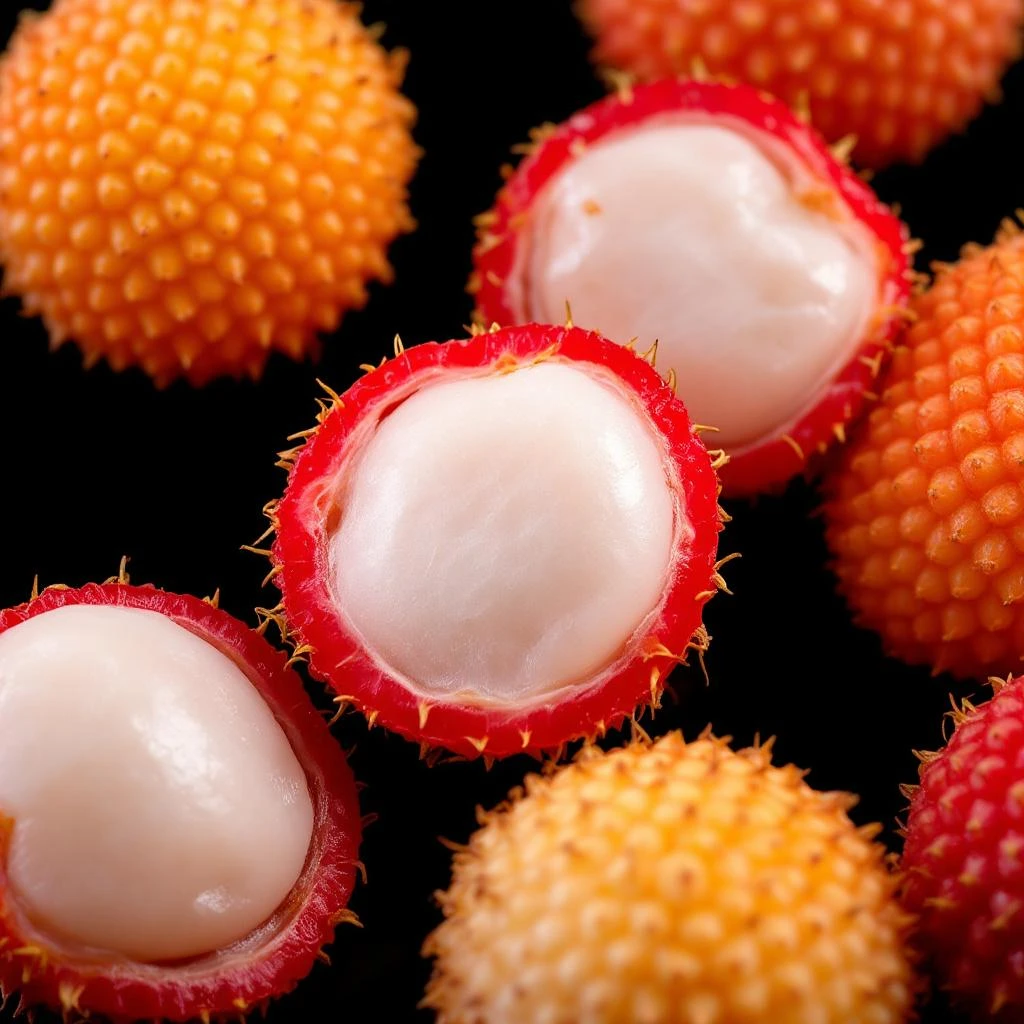
Rose Lychee Water opens with the honeyed, slightly spiced sweetness of Persian rose water before revealing a cool, metallic lychee character. The lychee facet feels crystalline and refreshing, like biting into a fresh fruit on a warm day.
Is Rose Lychee Water natural or synthetic?
Rose Lychee Water combines natural rose water from steam distillation with the synthesized lychee note derived from rose oxide. The rose component is entirely natural, while the lychee impression typically requires modern aromatic chemistry.
Where does the lychee note in rose come from?
The lychee scent in rose materials comes from rose oxide, a compound naturally present in rose oil. This molecule produces a distinctive metallic, fresh, and subtly fruity aroma that perfumers recognize as characteristic of lychee.
How is rose water produced?
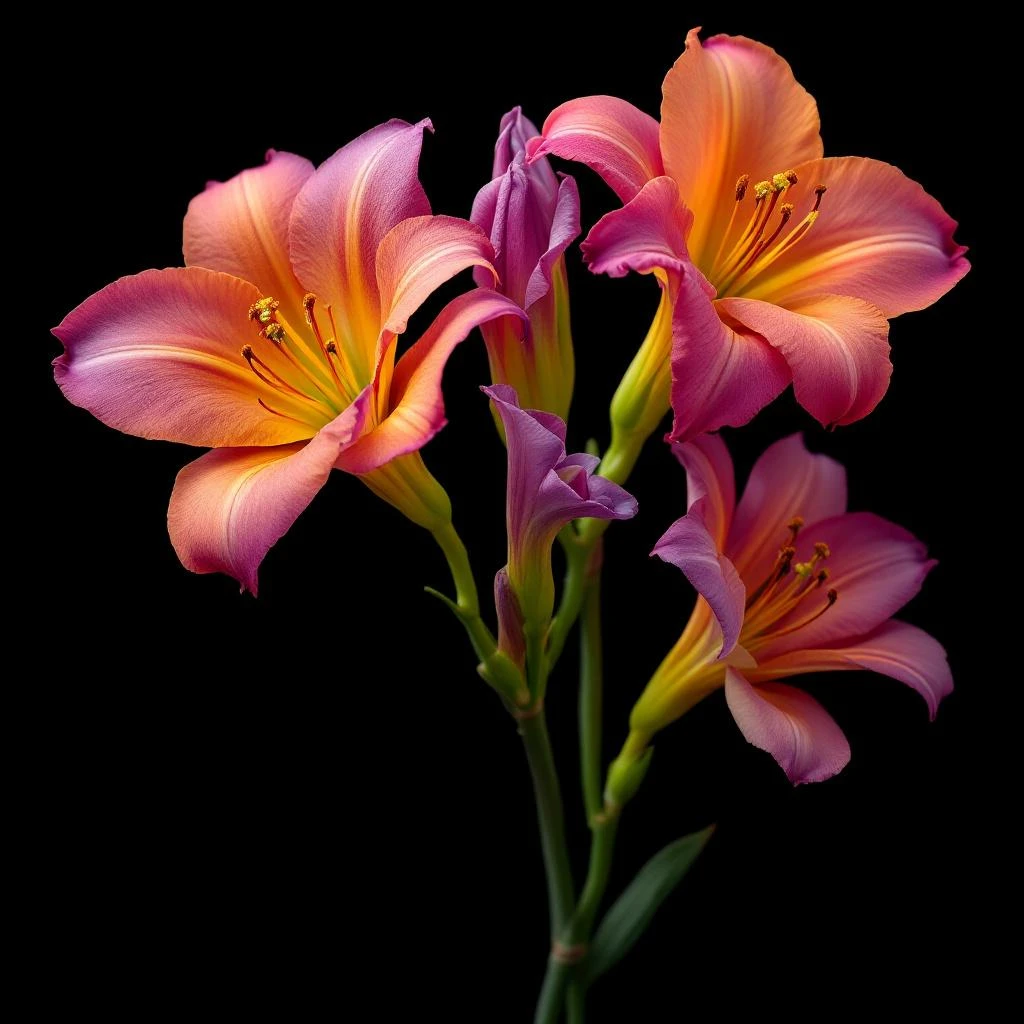
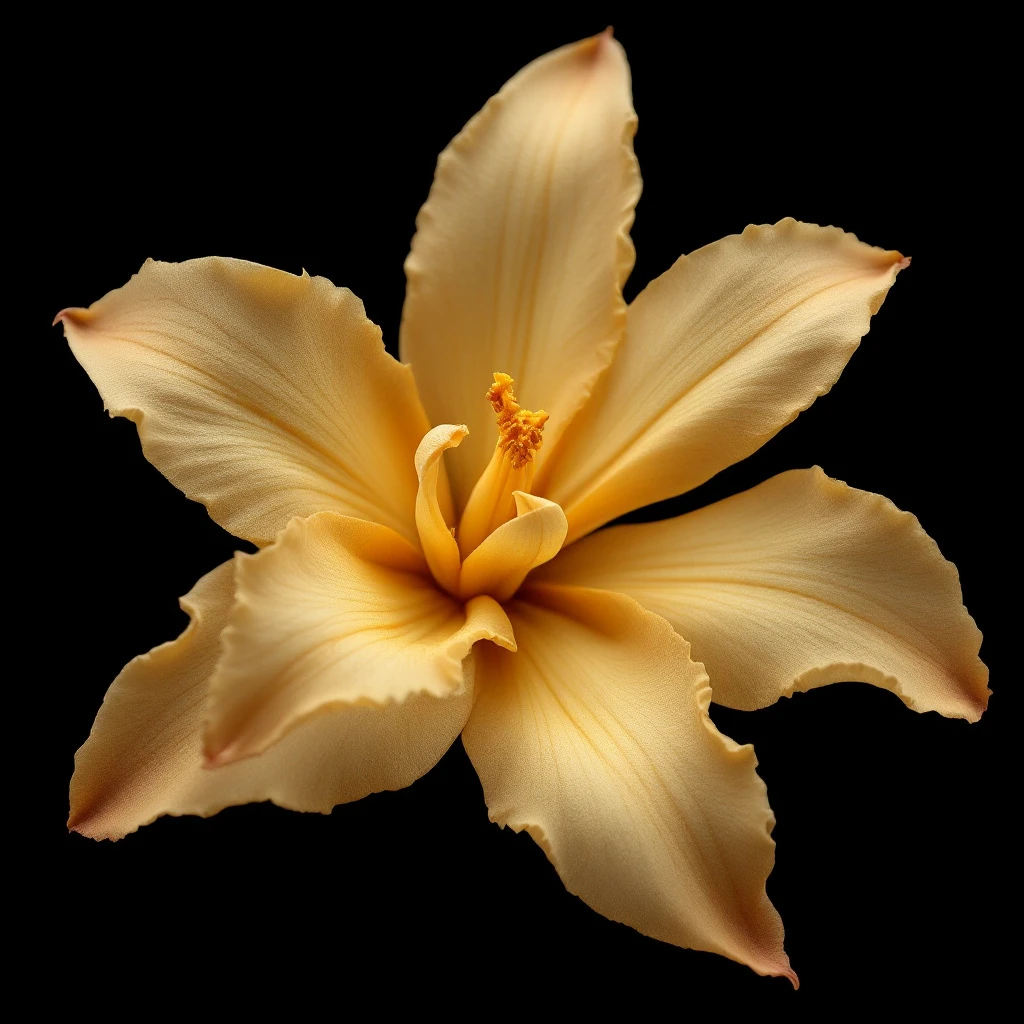
Rose water is produced as a byproduct of steam distilling rose petals, primarily from Rosa damascena and Rosa centifolia. Steam passes through the petals, carrying volatile compounds that condense into both essential oil and aromatic water.
Which rose varieties are used for perfumery?
Rosa damascena (Damask rose) from Iran and Bulgaria provides the classic rose water used in perfumery. Rosa centifolia, a thornless variety cultivated in Grasse, France, yields a more delicate absolute through solvent extraction.
How long has rose water been used?
Rose water has been used since antiquity, with documented use in ancient Persia, Egypt, and India. Arab chemists refined distillation techniques by the 10th century, making rose water production more widespread across Asia and Europe.
Does Rose Lychee Water work well with other ingredients?
Rose Lychee Water pairs excellently with citrus oils, white musks, and green notes like galbanum. The lychee facet adds freshness that prevents the rose from becoming too heavy, making it ideal for modern, airy compositions.
Is rose considered a sustainable fragrance ingredient?
Rose cultivation for perfumery, particularly in Bulgaria and Turkey, operates under established sustainability practices. It takes approximately 3.5 to 4 tonnes of rose petals to produce just 1 kilogram of rose oil, making quality sourcing and fair labor practices essential considerations.