
The Story
Why it exists.
The beginning
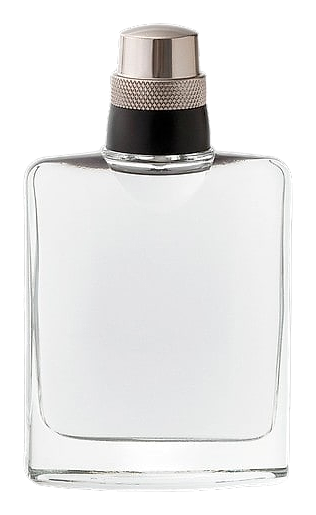
Mary Kay launched High Intensity in 2007. The brand, built on direct consultation and personal service since Dallas, 1963, had always understood its customer as someone buying from a trusted advisor, not someone scrolling through a niche boutique. High Intensity marked a different direction. An ambery oriental with real presence, designed to assert itself rather than apologize for being noticed. The fragrance carries weight in its name and delivers on that promise from the first application.
The note structure earns attention the hard way. Most masculine fragrances use top notes to announce themselves and heart notes to soften. Here, the fennel introduces itself with a warm, herbal presence that sets a different tone than expected. Black tea doesn't arrive as a supporting act. It takes over the middle, pulling the composition away from fresh and toward something contemplative. This transition demands more from the wearer, a slower unfolding that rewards patience rather than immediate impact.
The evolution
Sage and fennel hit the skin cool and fast, like crushed stems on a warm morning. Thirty seconds in, the fennel deepens and black tea arrives like steam rising from a cup left too long. Violet leaf keeps it grounded, adding green complexity that stops the whole thing from reading too dark. The drydown is where High Intensity earns its name. Amber builds, woody notes hold structure, and instead of fading the way fresh-aromatic fragrances usually do, this one gains presence. The tea lingers longest, a ghost of the opening that keeps the scent from reading generic in its final hours. Those who connect with it find the fragrance holds its character for a solid stretch of the day, evolving without disappearing.
Cultural impact
Mary Kay doesn't typically chase fragrance awards or niche collector attention. High Intensity sits in a different lane, the scent a consultant recommends to a husband who thinks all men's fragrance is too much. The black tea heart and amber warmth make that case better than most department-store masculine options. It earns its quiet following by being exactly what the customer needed without knowing to ask for it.