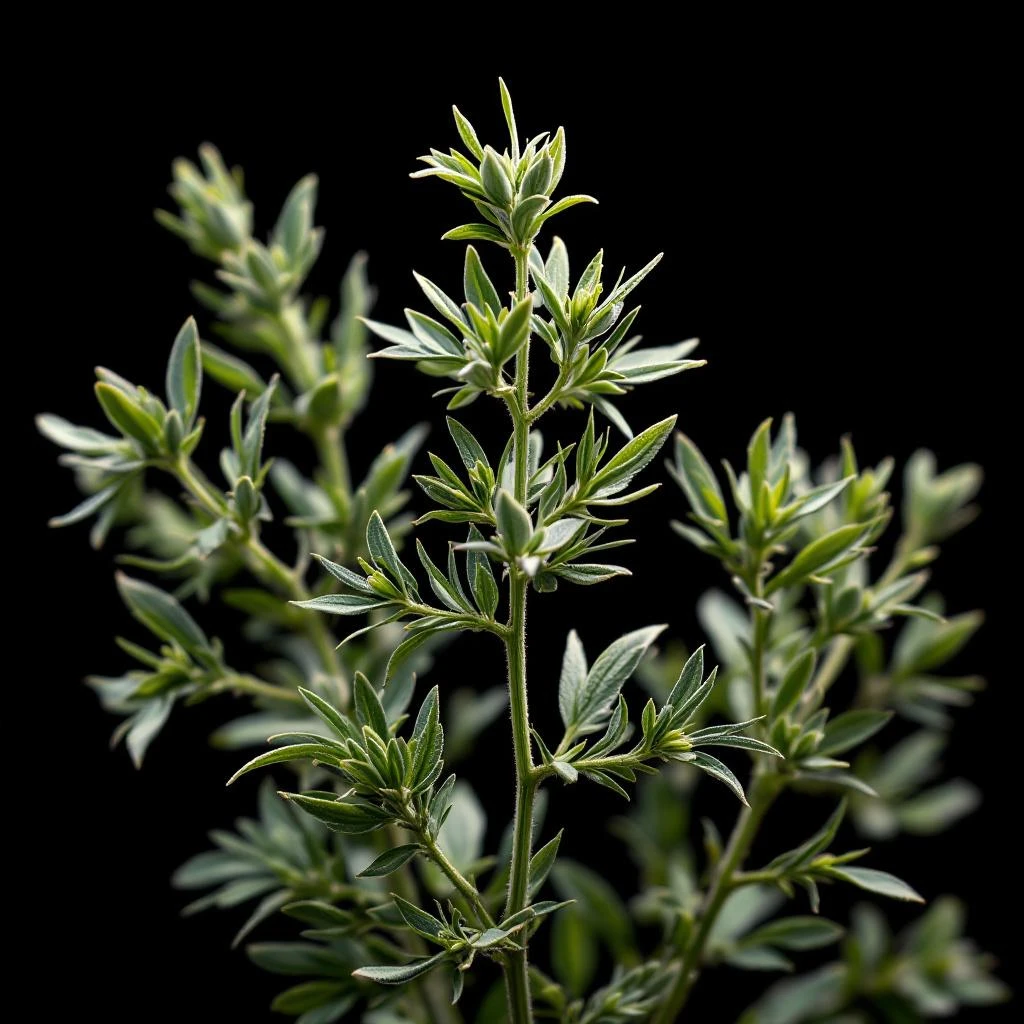
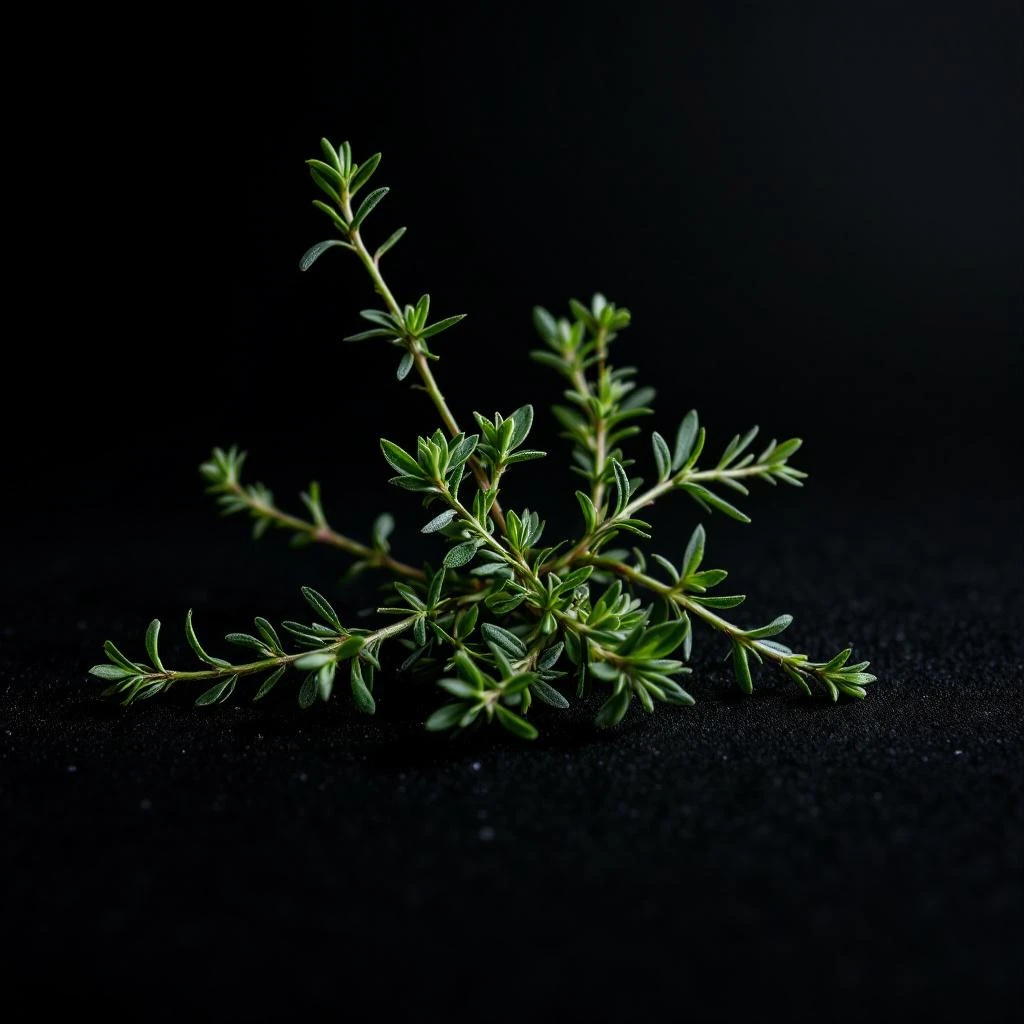
Fennel
Fennel brings a crisp, anise-like brightness to fragrance. Its aromatic seeds yield an oil with sweet, green, and slightly camphorated qualities that cut through compositions with remarkable clarity.
Character
How it smells
Green anise. Sweet herb. Sharp clarity.
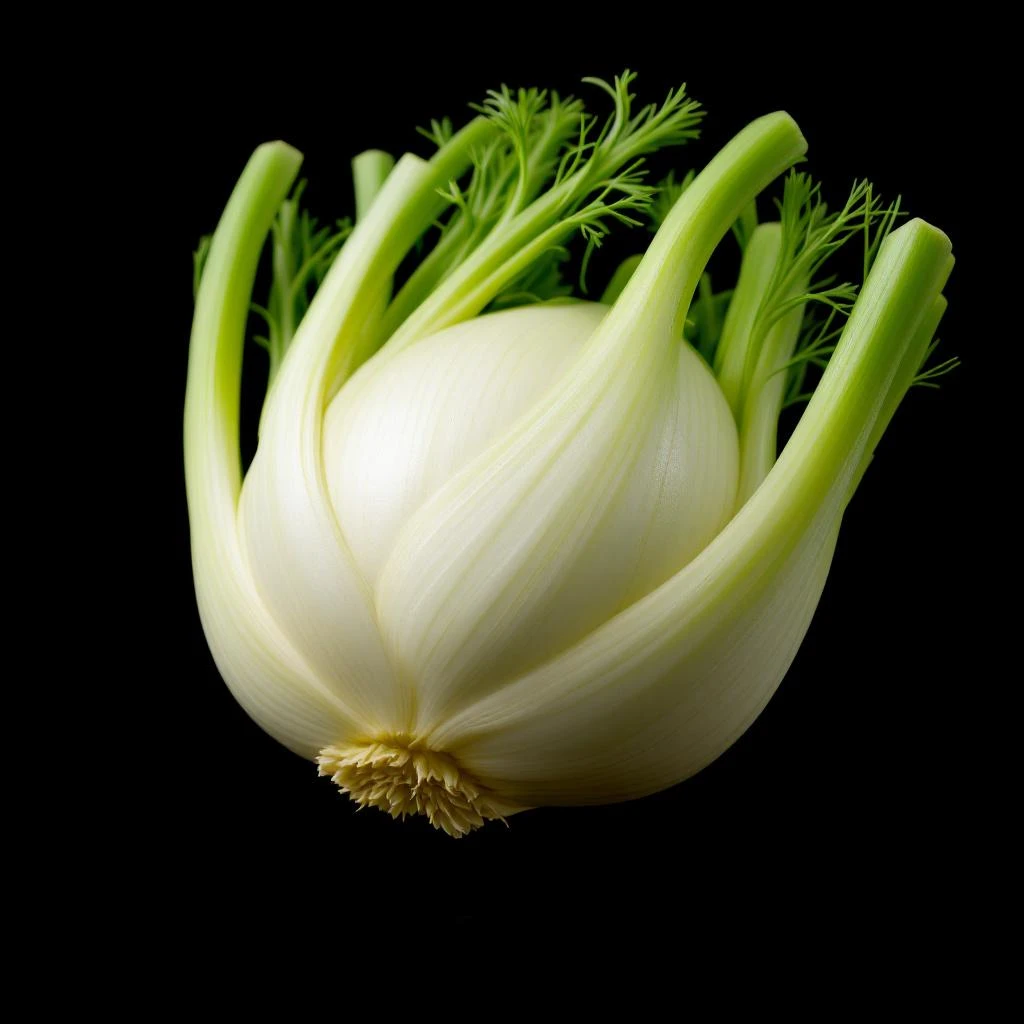
The fennel plant can grow up to 2 meters tall, and its seeds contain up to 18% essential oil by weight, making it a surprisingly productive aromatic crop.








Origin
France
Fennel has accompanied human civilization since antiquity. The ancient Egyptians used it in cooking and medicine, and the Greeks associated it with strength and rejuvenation, believing it could restore vigor. The Romans, never one to miss a culinary opportunity, used fennel extensively in both food preservation and festival dishes.
The botanical name Foeniculum vulgare reflects this ancient presence; foeniculum means little hay in Latin, a reference to its slender, grass-like flowering stalks. During the Middle Ages, Europeans hung fennel bundles above doorways, believing the plant warded off evil spirits and witchcraft. The Saxon people included fennel among their nine sacred herbs.
Its journey eastward brought it to India and China, where Ayurvedic and traditional Chinese medicine incorporated it for digestive and respiratory purposes. In perfumery, fennel oil emerged as a distinct aromatic material during the 19th century expansion of natural fragrance ingredients, valued for its ability to add fresh, green lift without the heaviness of some other aromatics.
Wears it best
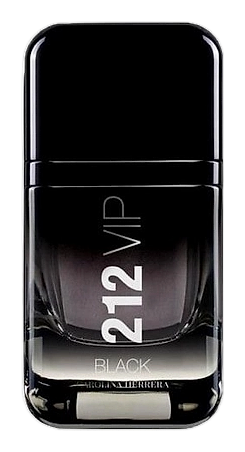
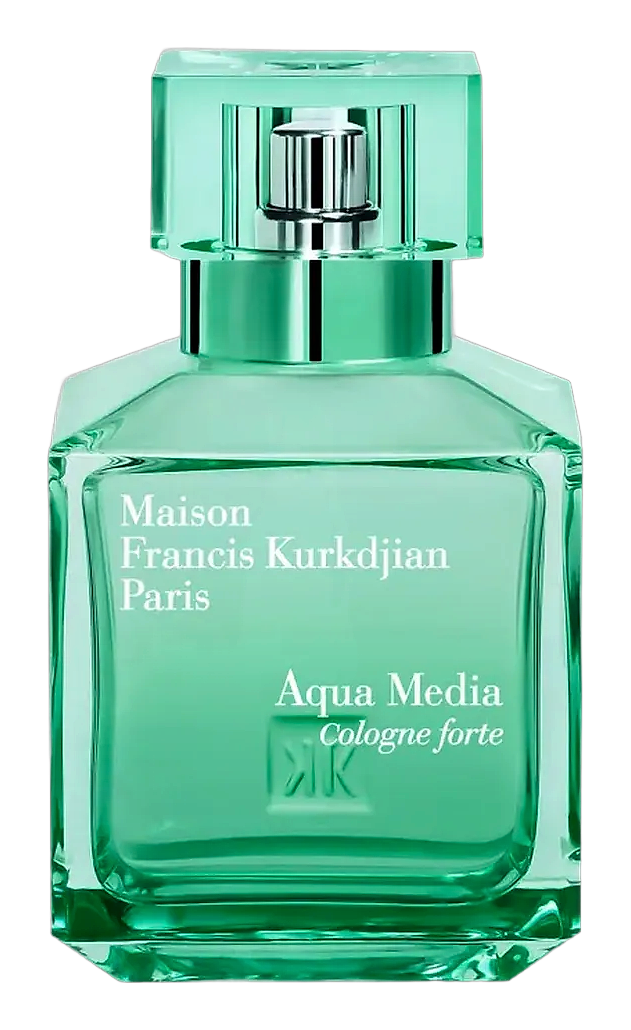
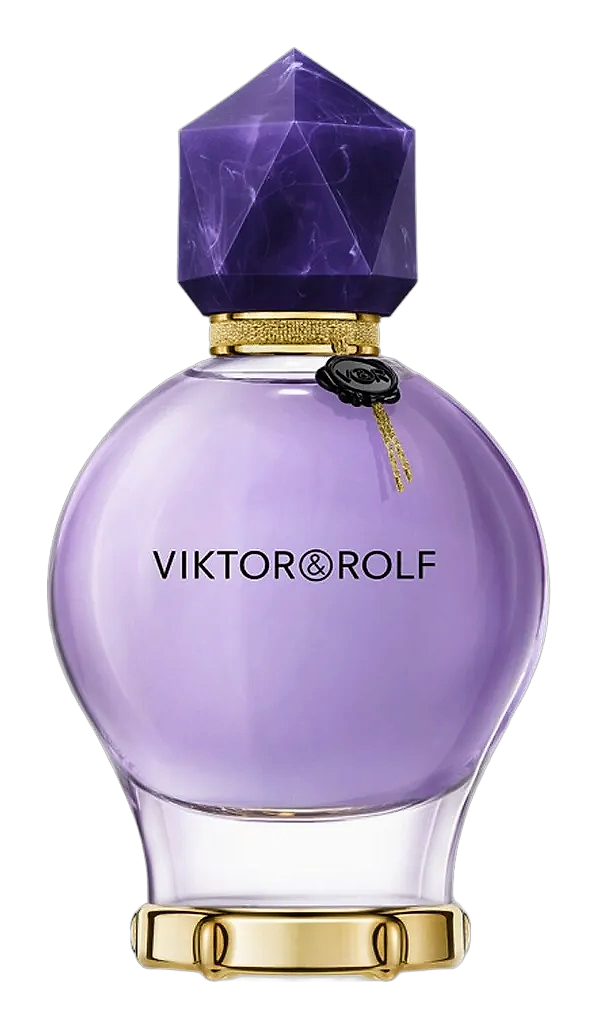
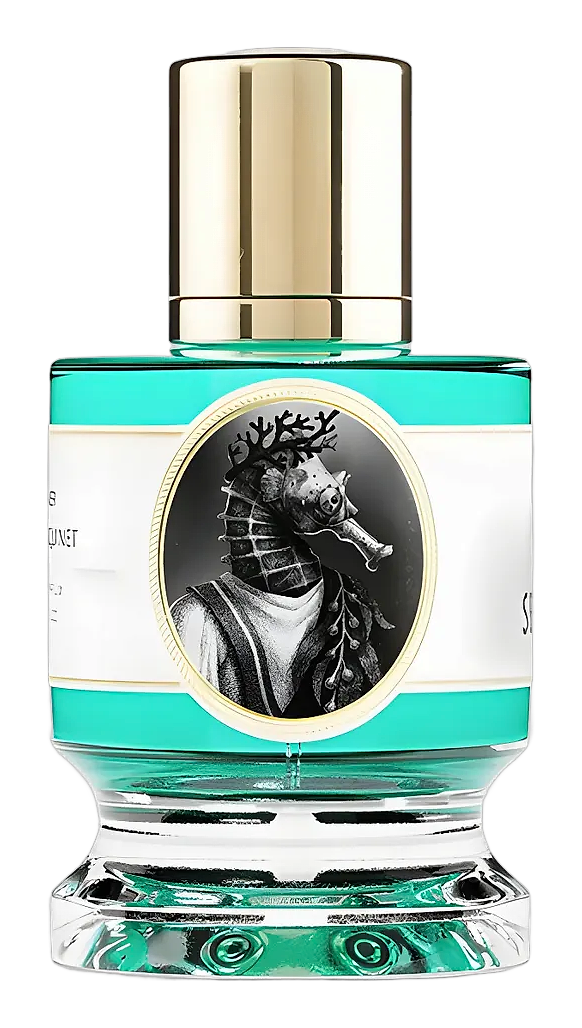
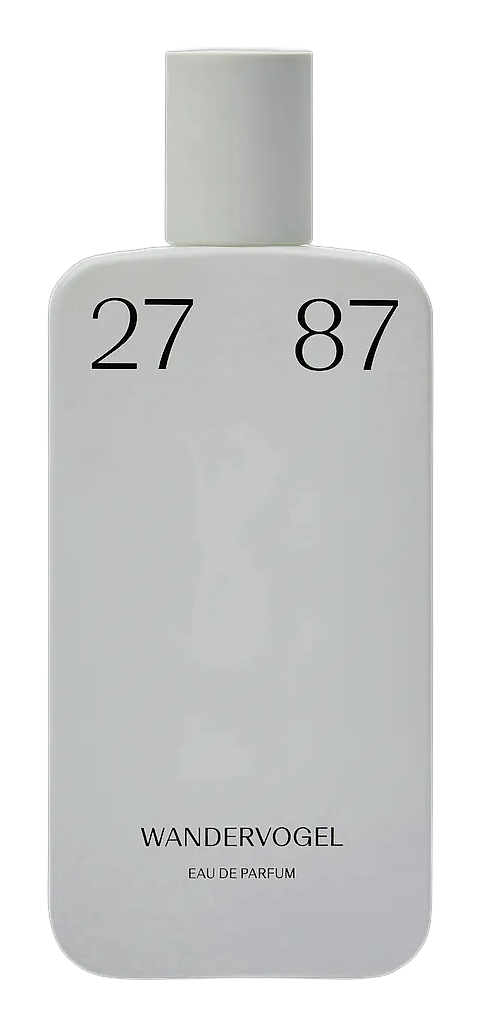
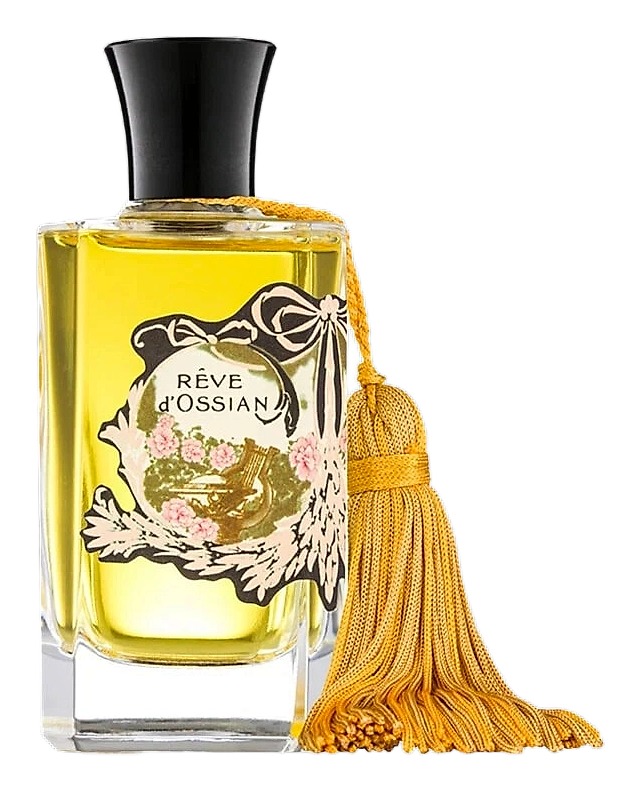
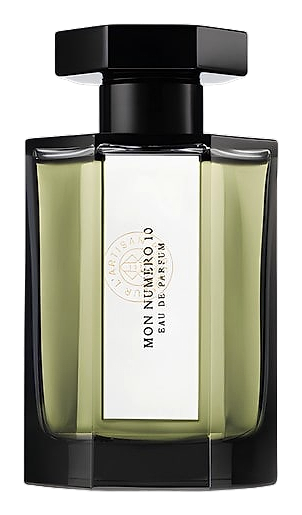
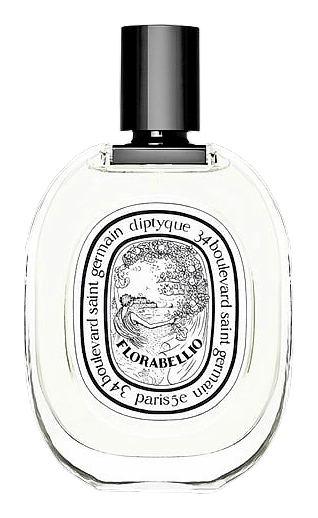
Fragrances featuring Fennel




Brands
Brands known for Fennel
Good to know
Questions, answered
The essentials on Fennel in perfumery: how it smells, where it comes from, and how it behaves on skin.
What does fennel smell like in perfume?
Fennel oil has a sweet, anise-like scent with green, herbaceous undertones and a faint camphorated sharpness. It resembles black licorice but with more freshness and botanical clarity.
Is fennel used in men's or women's fragrances?
Fennel appears across fragrance categories, most often in fresh masculine and unisex compositions where its crisp, aromatic quality addslift to herbal and citrus openings.
What fragrance families use fennel?
Fennel suits aromatic, fougère, and citrus fragrance families. Perfumers also use it in green and herbal compositions to add natural depth and a slightly bitter, medicinal edge.
Is fennel oil natural or synthetic?
Fennel oil for perfumery is almost always natural, extracted via steam distillation from dried seeds. The natural version offers complexity that synthetic anethole alone cannot replicate.
Does fennel cause skin irritation?
Fennel oil contains compounds that may cause sensitization in some individuals. IFRA guidelines regulate its concentration in consumer products, and patch testing is advisable for personal use.
What does fennel pair well with in fragrance?
Fennel combines naturally with citrus oils, lavender, clary sage, and other Mediterranean herbs. It also complements marine notes and light woody materials like cedarwood.
Which countries produce the best fennel oil for perfumery?
France, particularly the Provence region, produces highly regarded fennel oil with refined sweetness. India and Egypt are also major producers, often with higher trans-anethole content.
Is fennel related to anise?
Fennel and anise share a similar flavor profile due to trans-anethole, but they come from different plant genera. Fennel belongs to the Foeniculum genus, while anise comes from Pimpinella.