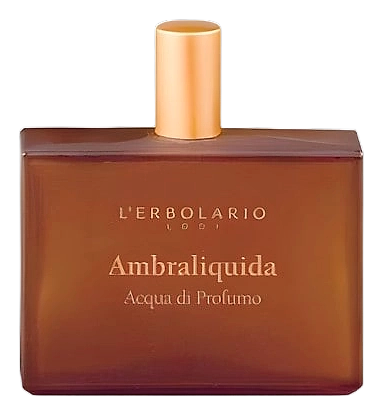
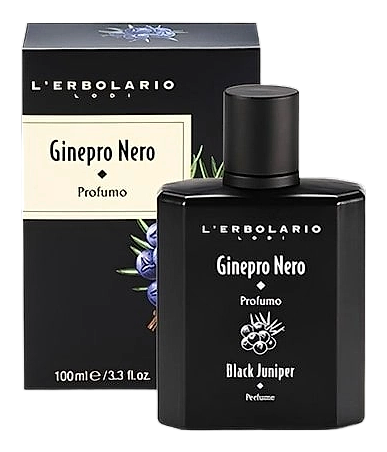
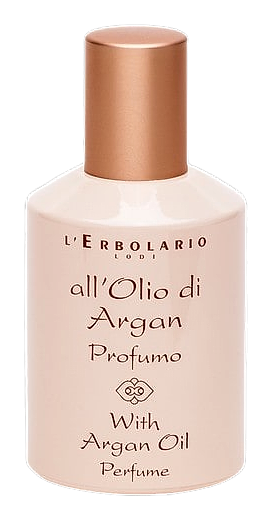
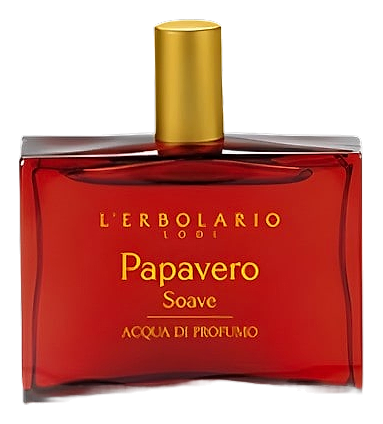
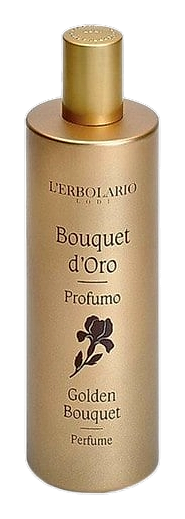
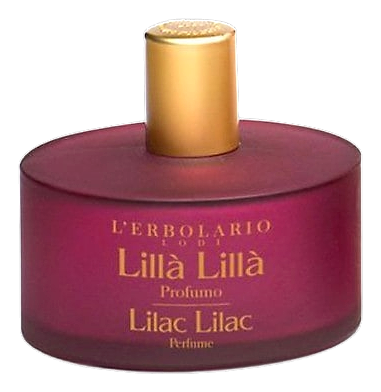
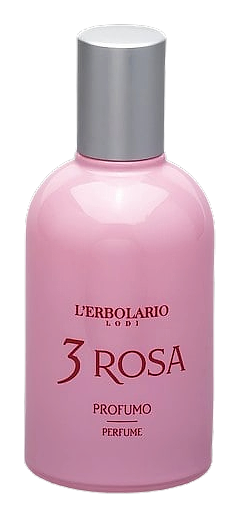
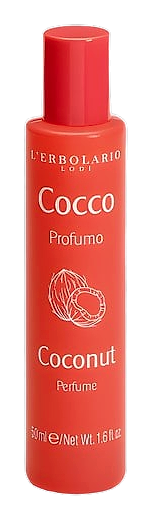
    Brand Profile

    L'Erbolario is an Italian fragrance and body‑care house that grew out of a modest herbalist shop in Lodi. Since 1978 the brand has blended b…More

    Italy·Est. 1978·Site

    7

    Fragrances

    4.0

    Rating

    Just Landed

    New Arrivals

    The latest additions to the L'Erbolario collection.

    50
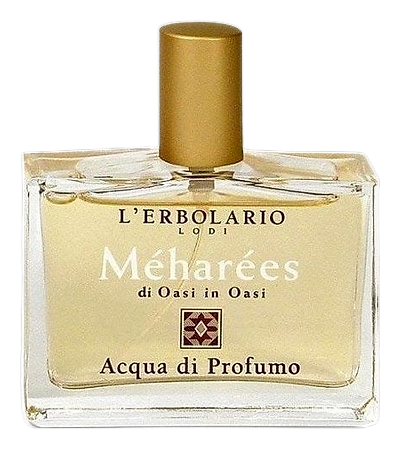
    Meharées by L'Erbolario
    4.3

    Meharées

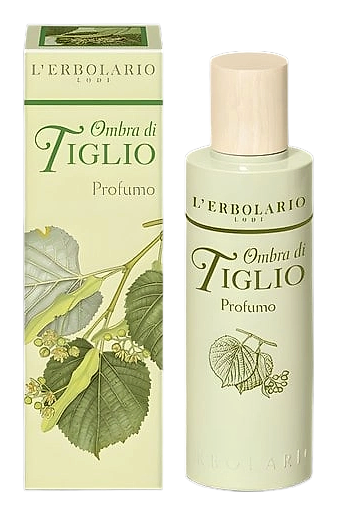
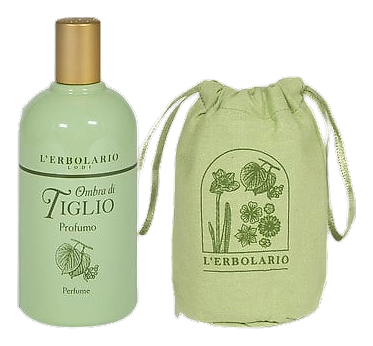
    Ombra di Tiglio by L'Erbolario
    4.0

    Ombra di Tiglio

    Fiordaliso by L'Erbolario
    New
    4.0

    Fiordaliso

    Mirto by L'Erbolario
    Best Seller
    4.5

    Mirto

    Vetiver de la Reunion by L'Erbolario
    Best Seller
    4.5

    Vetiver de la Reunion

    Spezie by L'Erbolario
    Best Seller
    4.4

    Spezie

    Acqua di Colonia Imperiale by L'Erbolario
    4.3

    Acqua di Colonia Imperiale

    Muschio by L'Erbolario
    4.3

    Muschio

    Narciso Sublime (2024) by L'Erbolario
    4.3

    Narciso Sublime (2024)

    Acacia by L'Erbolario
    4.3

    Acacia

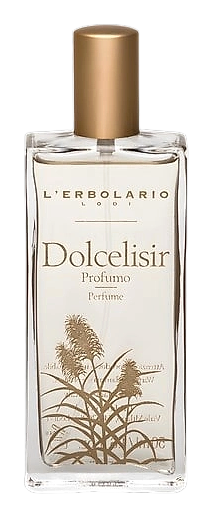
    Dolcelisir Limited Edition 2023 by L'Erbolario
    4.3

    Dolcelisir Limited Edition 2023

    China by L'Erbolario
    4.2

    China

    1 of 5

    The Heritage

    The Story of L'Erbolario

    L'Erbolario is an Italian fragrance and body‑care house that grew out of a modest herbalist shop in Lodi. Since 1978 the brand has blended botanical extracts with contemporary scent design, offering perfumes such as Mirto, Vetiver de la Réunion, Spezie and the 2024 Narciso Sublime. Its catalog also includes limited‑edition releases like Dolcelisir 2023 and a range of skin‑care products that echo the same natural ethos. The company positions itself at the intersection of tradition and modernity, inviting scent lovers to explore Italy’s herbal heritage through scent and texture.

    Heritage

    The story of L'Erbolario begins in 1978 when Franco Bergamaschi opened Premiata Erboristeria Artigiana in a back‑room on Corso Archinti, Lodi. The shop sold dried herbs, tinctures and simple skin‑care remedies, reflecting the Italian tradition of gathering herbs for health and beauty. The name L'Erbolario derives from the archaic verb “erborare,” meaning to collect herbs for study. By the mid‑1980s the business expanded its product line to include scented body lotions and the first fragrance, Mirto, which drew on the aromatic myrtle shrub native to the Mediterranean coast. In 1995 the brand opened its first boutique outside Italy, establishing a foothold in Hong Kong and signaling a move toward international distribution. The early 2000s saw the launch of Acqua di Colonia Imperiale, a modern take on the classic cologne structure that reinforced the brand’s commitment to timeless scent architecture. A series of limited‑edition releases began in 2010, each tied to a specific botanical theme and produced in small batches. In 2023 L'Erbolario introduced Dolcelisir, a sweet‑spiced composition celebrating the Italian tradition of confectionery aromas. The following year it released Narciso Sublime, a fragrance that references the mythic narcissus flower while employing contemporary accords. Throughout its four‑decade journey the company has retained its original workshop in Lodi, where a herb garden supplies fresh material for research and development. This continuity of place and purpose underpins L'Erbolario’s reputation as a bridge between Italy’s herbal past and today’s fragrance market.

    Craftsmanship

    The creation of an L'Erbolario perfume starts in the herb garden attached to its Lodi workshop. Botanists harvest leaves, flowers and roots at peak maturity, then hand‑dry or steam‑distill the material to preserve volatile compounds. For ingredients that cannot be sourced locally, the brand works with certified farms in France, Madagascar and the Canary Islands, requiring proof of organic or low‑impact cultivation. Extraction methods combine traditional steam distillation with modern CO₂ extraction, a technique that yields a purer oil while minimizing waste. Once the raw essences arrive at the laboratory, a perfumer blends them in small glass vessels, testing each ratio on blotter strips before moving to a pilot batch. Quality control includes gas‑chromatography analysis to verify the presence and concentration of key aroma molecules. The final blend is filtered, then aged in stainless‑steel tanks for a period that varies by composition – some scents rest for weeks, others for several months – to allow the accords to harmonize. Bottling occurs on a dedicated line where each bottle is filled by hand, capped, and inspected for consistency. Labels are printed on recycled paper using soy‑based inks, and the packaging incorporates biodegradable inserts. Throughout the process, the brand records each step in a traceability log, ensuring that every bottle can be linked back to its botanical source and production date.

    Design Language

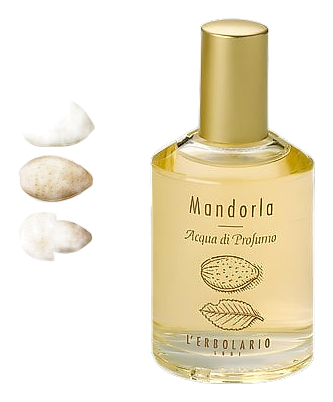
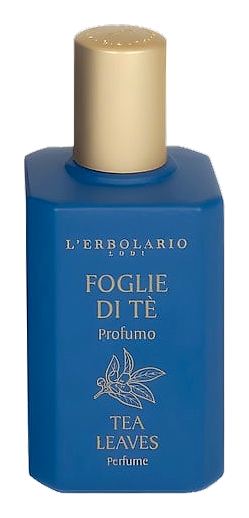
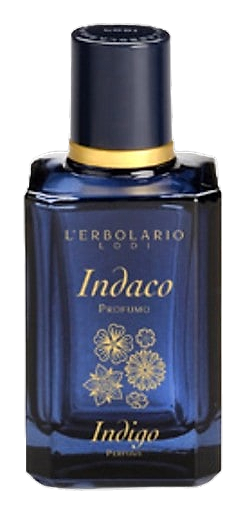
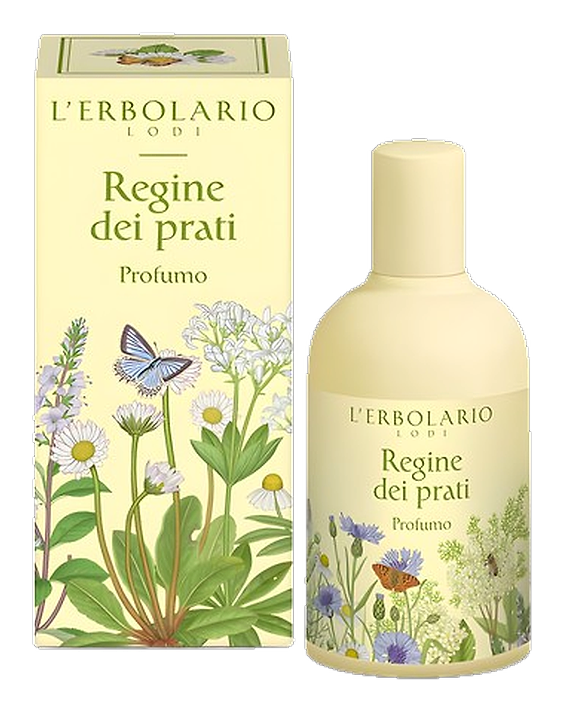
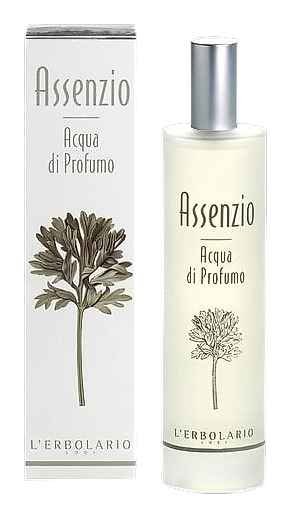
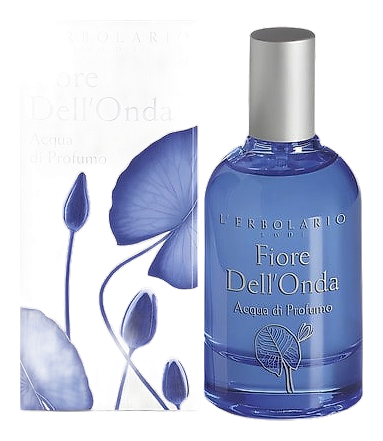
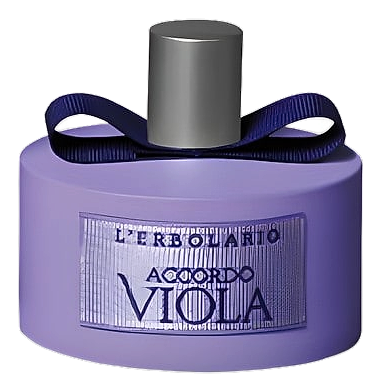
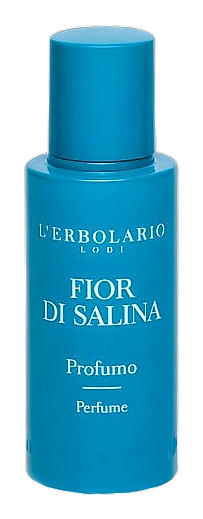
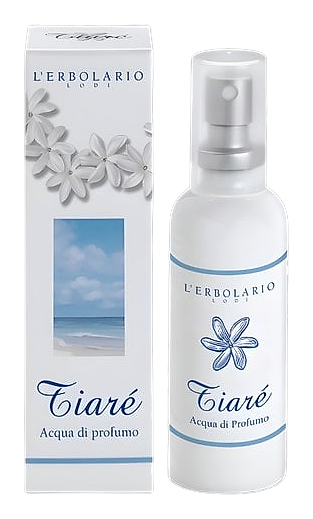
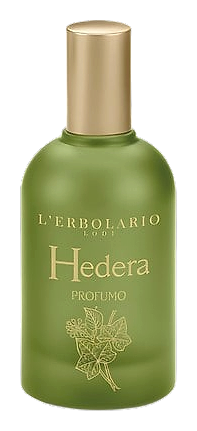
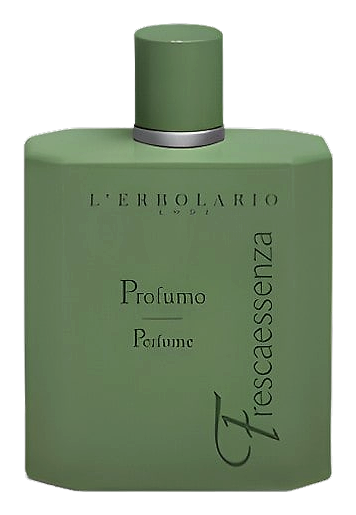
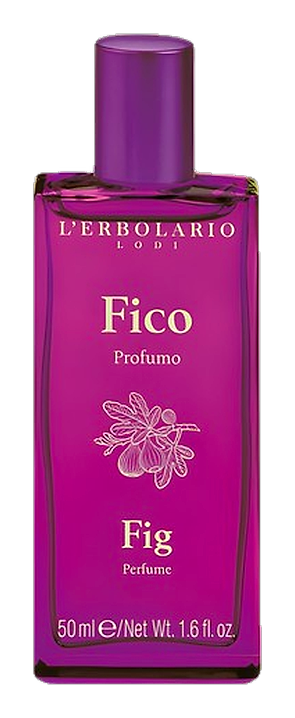
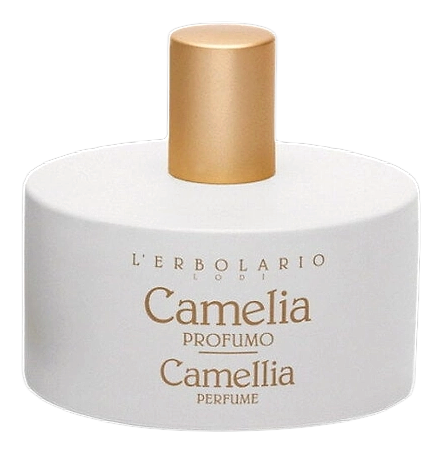
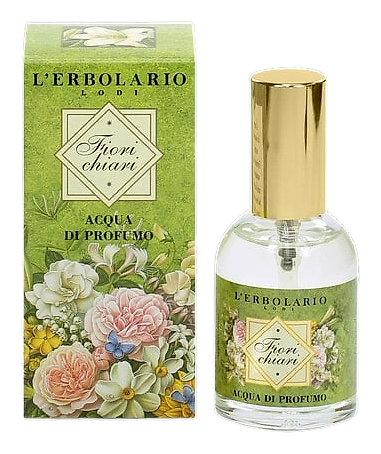
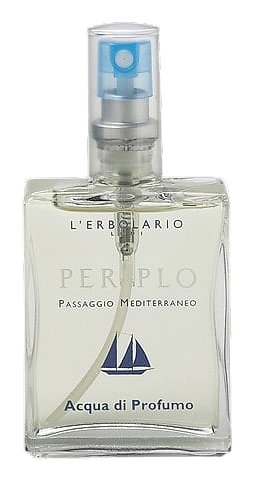
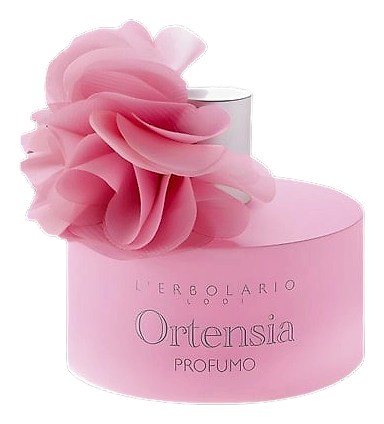
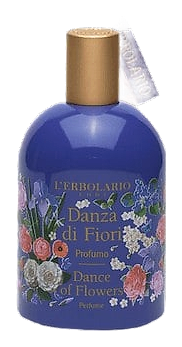
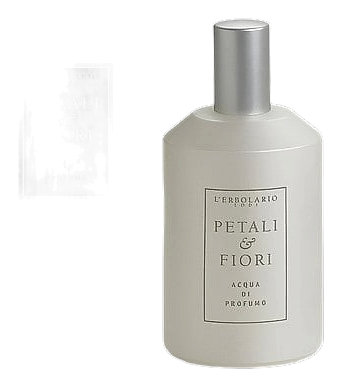
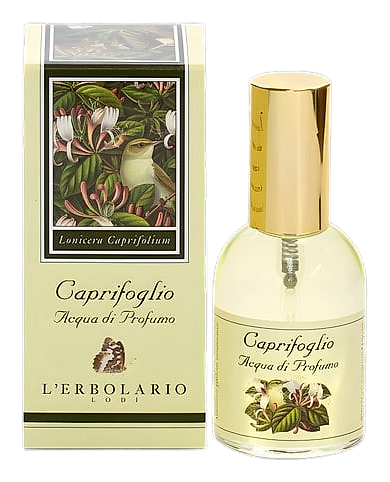
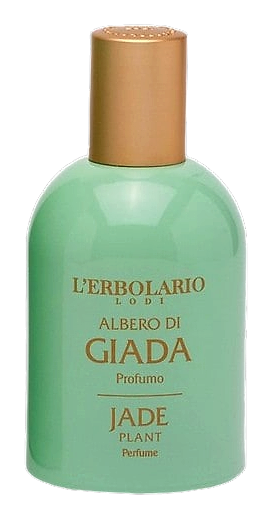
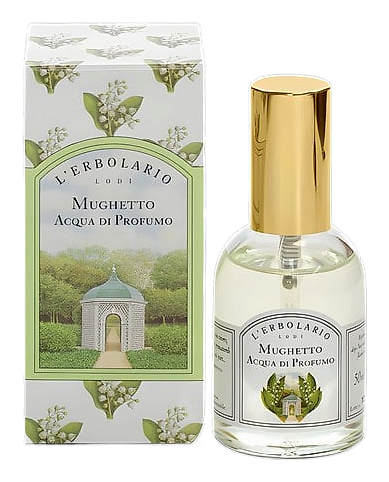
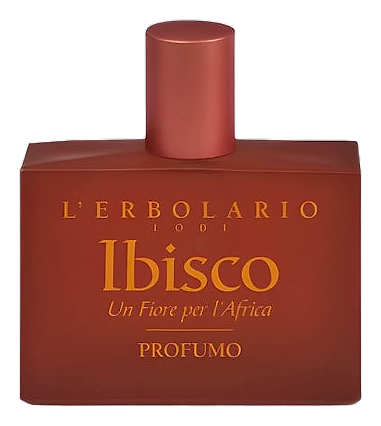
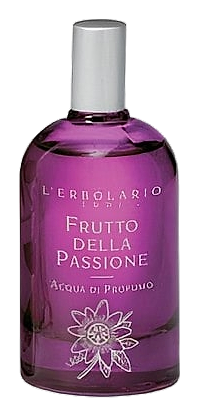
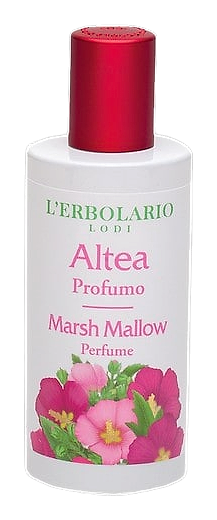
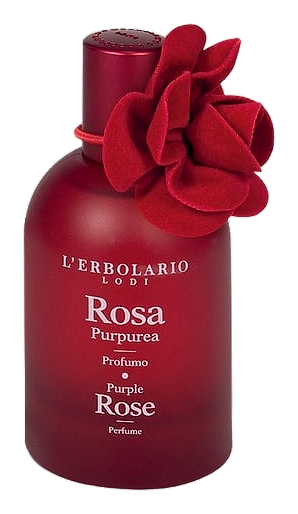
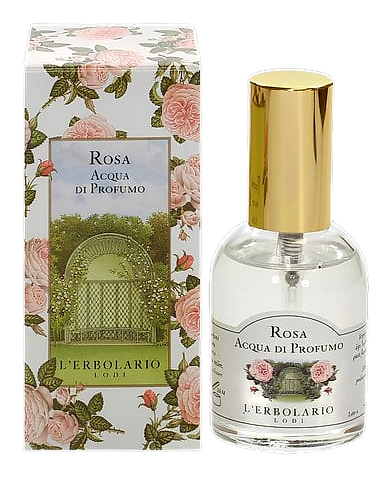
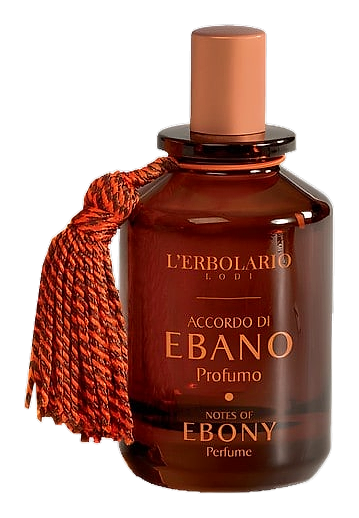
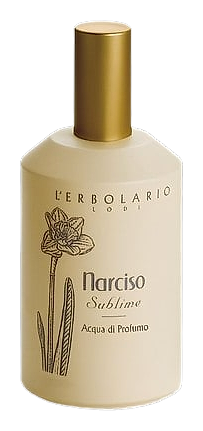
    L'Erbolario’s visual language mirrors its botanical focus. The brand employs a muted colour palette of soft greens, ivory and pastel blues, evoking the light of an Italian garden at dawn. Bottle silhouettes are simple and elegant, often featuring a slender neck that tapers into a rounded base, allowing the fragrance to be displayed on a vanity without overwhelming the space. Labels showcase hand‑drawn illustrations of the star ingredient – for example, a delicate myrtle branch on the Mirto bottle or a stylised narcissus bloom on Narciso Sublime – rendered in fine ink lines. Typography combines a classic serif for the brand name with a clean sans‑serif for scent titles, reinforcing the blend of tradition and modernity. Store interiors echo this aesthetic: reclaimed wood shelves, glass display cases, and walls adorned with herbarium‑style frames that hold pressed flowers. The overall image conveys a calm, cultivated atmosphere, inviting shoppers to pause and explore the natural stories behind each scent.

    Philosophy

    L'Erbolario frames its creative vision around respect for nature and the scientific study of plants. The brand states that every scent should originate from a clear botanical source, whether that is myrtle, vetiver, or the delicate narcissus. It invests in small‑scale cultivation projects in Italy and neighboring regions, allowing the team to trace each ingredient from seed to bottle. Sustainability guides its choices: the company prefers organic farming methods, reduces solvent use in extraction, and selects recyclable packaging whenever possible. While honoring traditional herbal knowledge, L'Erbolario also embraces modern olfactory techniques, collaborating with perfumers who translate raw extracts into balanced compositions. The brand’s values emphasize transparency, so product labels list key botanical ingredients and their origins. This approach aims to give consumers confidence that the fragrance they wear is both authentic and responsibly produced. L'Erbolario’s philosophy therefore rests on three pillars – botanical integrity, sustainable practice, and a dialogue between heritage and innovation – each informing the way new scents are conceived and brought to market.

    Key Milestones

    1978

    Franco Bergamaschi opens Premiata Erboristeria Artigiana in Lodi, Italy.

    1985

    L'Erbolario launches its first fragrance, Mirto, inspired by the myrtle shrub.

    1995

    The brand opens its first international boutique in Hong Kong, expanding beyond Italy.

    2005

    Acqua di Colonia Imperiale debuts, marking a modern reinterpretation of classic cologne.

    2023

    Dolcelisir Limited Edition releases, celebrating Italian confectionery aromas.

    2024

    Narciso Sublime launches, featuring a contemporary take on the narcissus flower.

    At a Glance

    Brand profile snapshot

    Origin

    Italy

    Founded

    1978

    Heritage

    48

    Years active

    Collection

    7

    Fragrances released

    Avg Rating

    4.0

    Community sentiment

    Release Rhythm

    2025
    2
    2024
    4
    2023
    4
    2021
    1
    2020
    1
    2018
    1
    2016
    1
    2015
    1
    lerbolario.com

    Did You Know?

    Interesting Facts

    Distinctive details and defining moments that shape the house personality.

    01

    The name L'Erbolario comes from the old Italian verb “erborare,” which means to gather herbs for study.

    02

    The original shop on Corso Archinti still houses a small herb garden that supplies fresh material for research.

    03

    L'Erbolario uses CO₂ extraction alongside steam distillation to obtain high‑purity essential oils with lower environmental impact.

    04

    Each limited‑edition fragrance is produced in a batch of fewer than 5,000 bottles, ensuring exclusivity.