Vermouth
Aromatized fortified wine with deep herbal complexity, bitter-sweet character, and centuries of Mediterranean tradition. Vermouth combines wine base with botanicals including wormwood for a profile both medicinal and sophisticated.
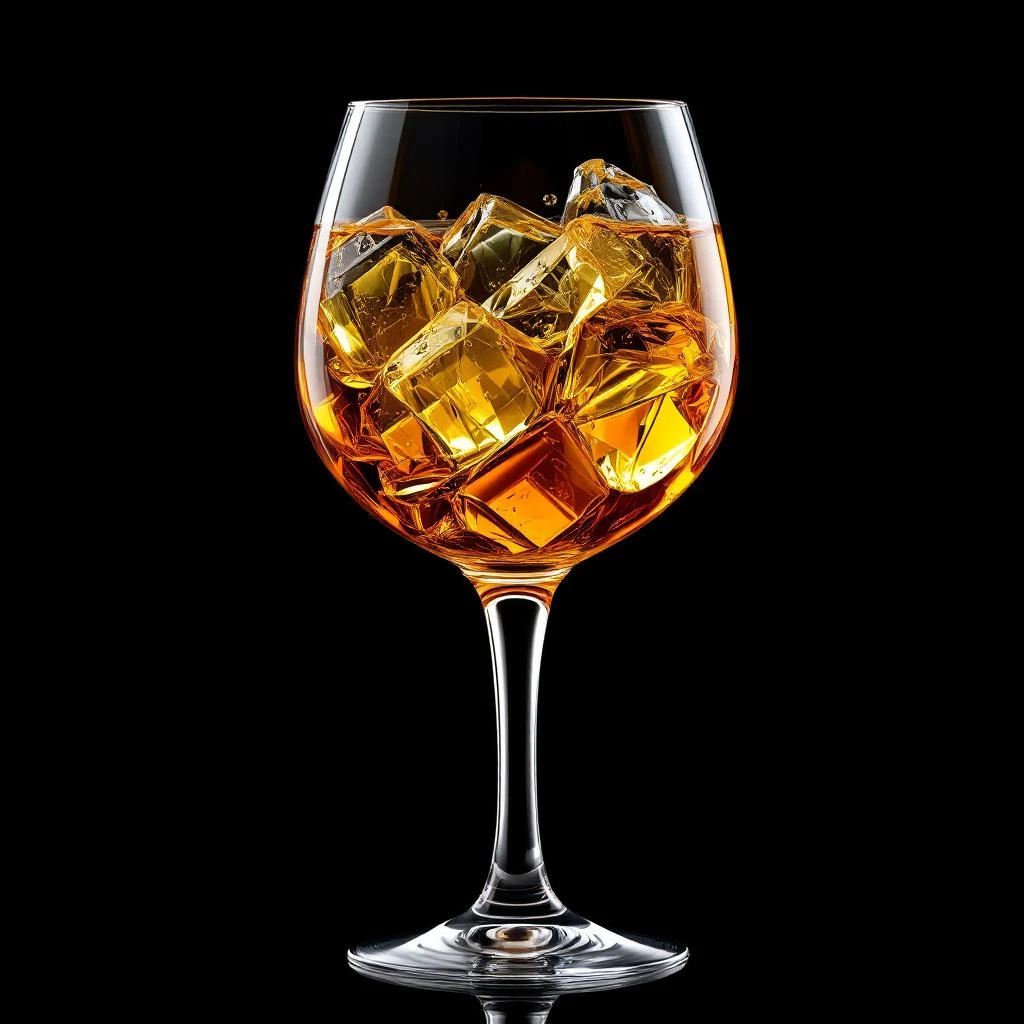
Character
How it smells
Botanical bitter-sweet elegance from Turin.
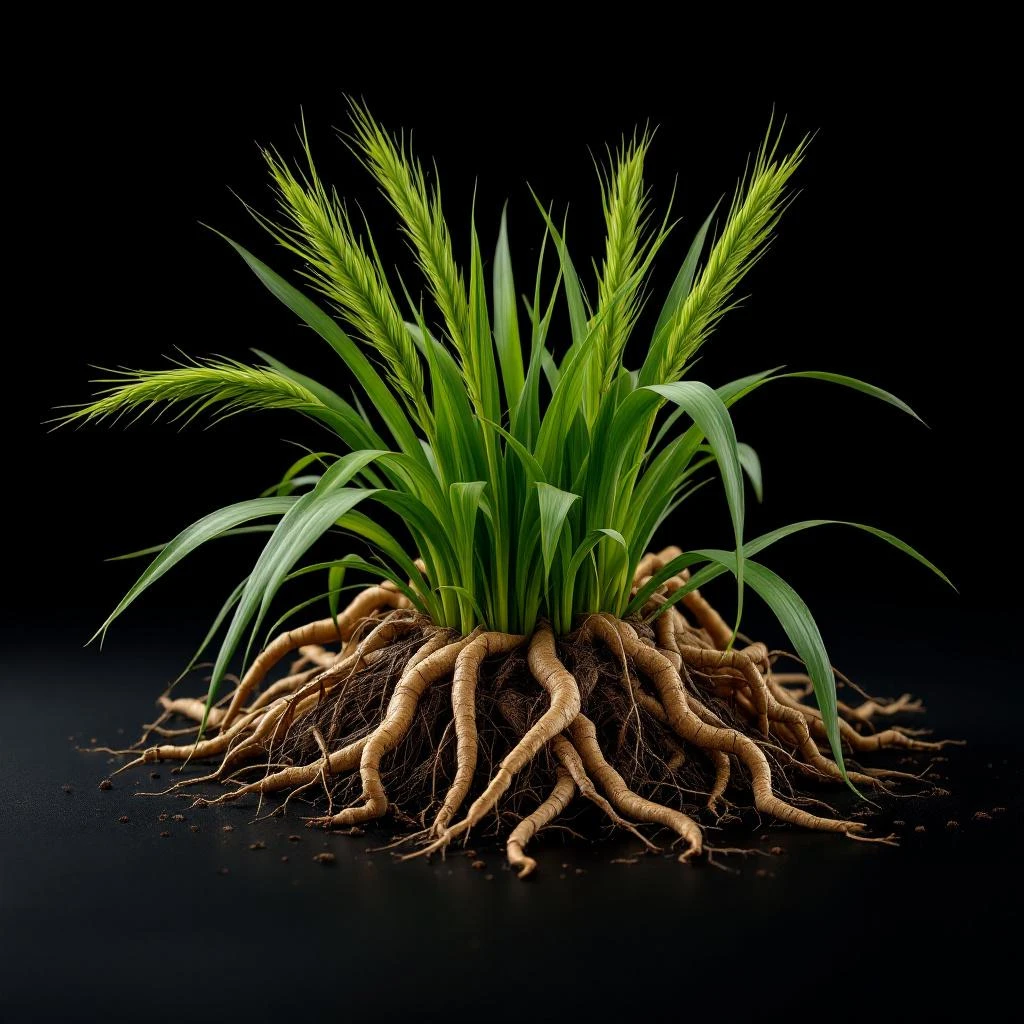
The word vermouth comes from the French pronunciation of Wermut, the German word for wormwood.







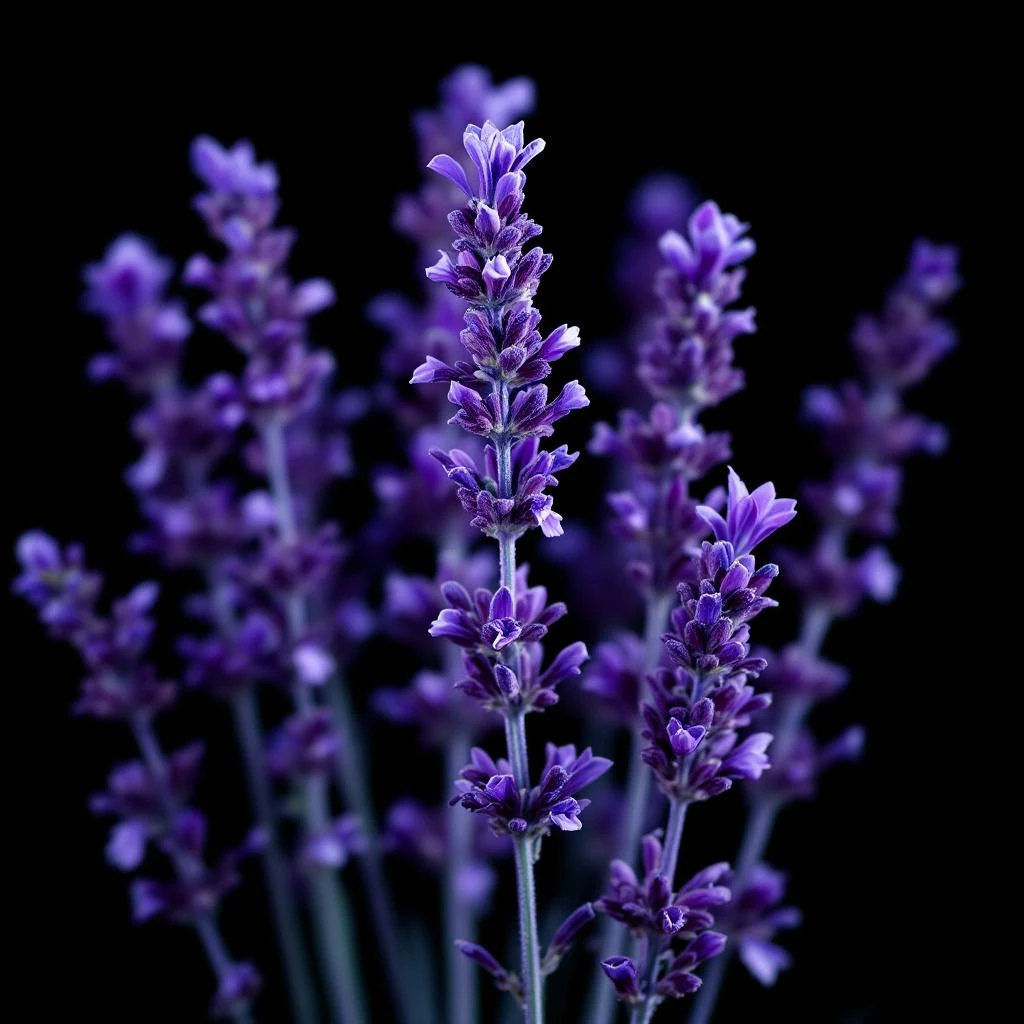
Origin
Italy
Vermouth traces its lineage to ancient Greece and Rome, where physicians prepared medicinal wines infused with herbs and spices—practical remedies that evolved into the aromatized wines we recognize today. The fortified wine tradition spread through Germany in the 16th century, where wormwood (Wermut) became the defining botanical. Italian vermouth as we know it emerged in Turin in 1786 when Antonio Benedetto Carpano, a shop boy at the Merendazzo liquor store in Piazza Castello, perfected his version and introduced it to the city's fashionable cafés.
His product became so prestigious it supplied the House of Savoy, cementing vermouth's association with Italian sophistication. The French pronunciation of Wermut entered common usage as the drink crossed European borders. By the late 19th century, bartenders embraced vermouth as an essential cocktail component, creating classics like the Manhattan, Negroni, and Rob Roy.
The drink's 1950s fame through the martini—amplified by Hollywood icons Ernest Hemingway and Humphrey Bogart—cemented its place in cocktail culture, though recent years have seen a new generation of bartenders rediscover vermouth as a serious, complex ingredient worthy of exploration beyond the classic martini.
Wears it best
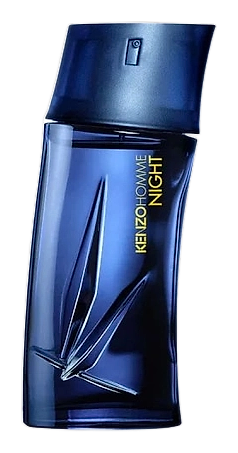
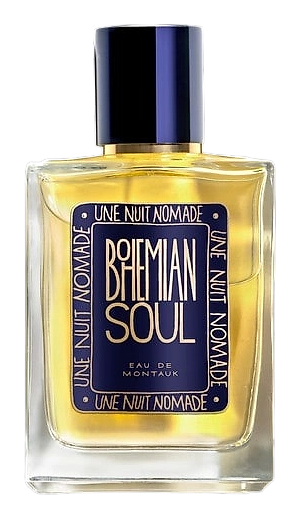
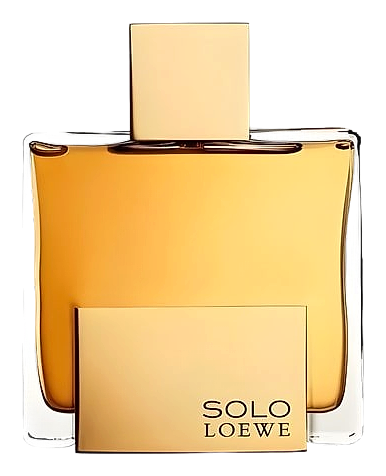
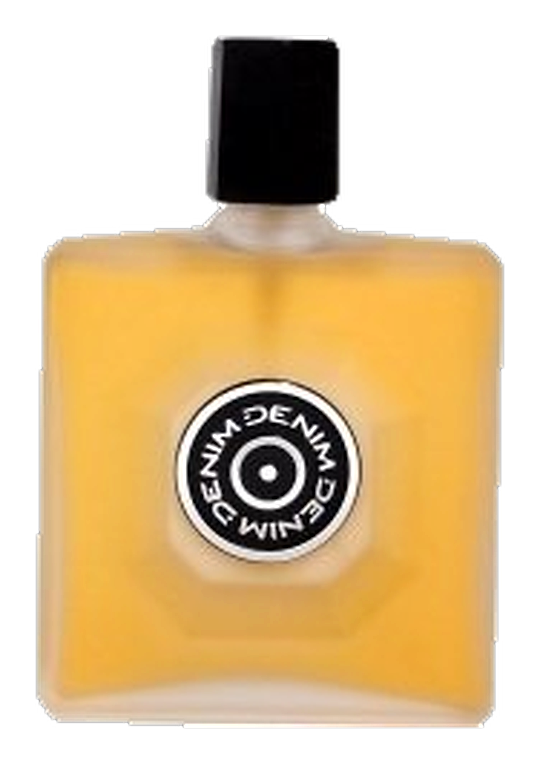
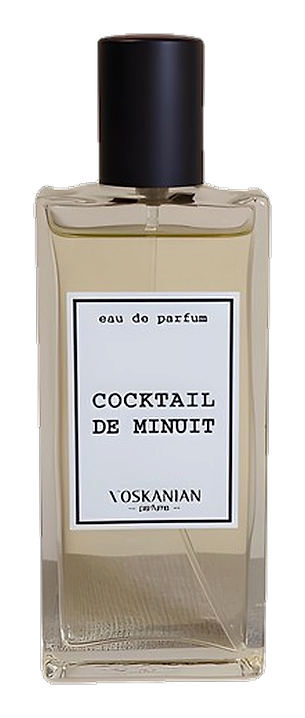
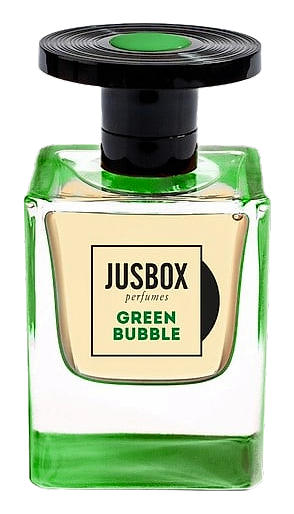
Fragrances featuring Vermouth

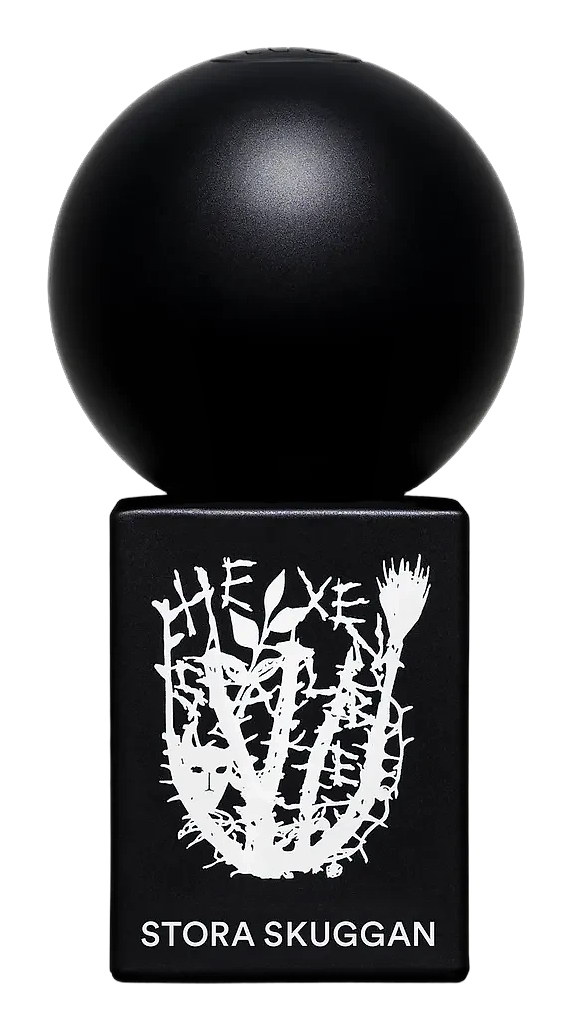
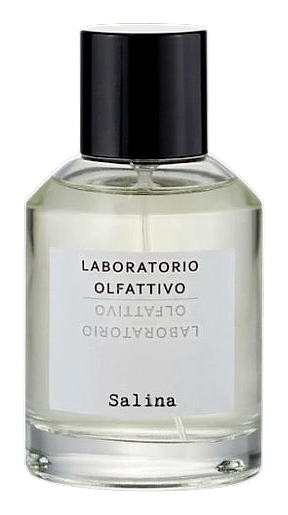
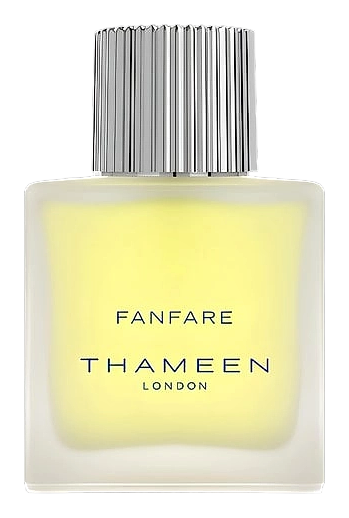
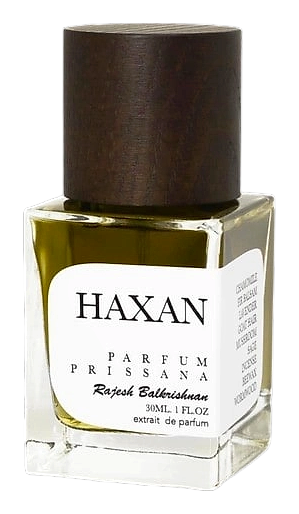
Brands
Brands known for Vermouth
Good to know
Questions, answered
The essentials on Vermouth in perfumery: how it smells, where it comes from, and how it behaves on skin.
What does vermouth smell like in fragrance?
Vermouth in perfumery evokes bitter herbs, wine-like warmth, and sweet-spicy botanical complexity. It adds an aromatic, slightly medicinal quality that recalls the drink's wormwood heritage.
What is vermouth's primary ingredient?
The base is always wine, legally requiring at least 75% in Italian vermouth. Artemisia absinthium (wormwood) is the mandatory botanical, with producers adding their own botanical blends for unique house styles.
Where did vermouth originate?
Modern vermouth was created in Turin, Italy, in 1786 by Antonio Benedetto Carpano. He perfected the aromatized wine at the Merendazzo store in Piazza Castello, establishing the Italian style that defines the category.
Why is wormwood significant to vermouth?
Wormwood (German: Wermut) gives vermouth its name and defining bitter character. Despite early 20th-century restrictions on thujone content in some countries, small amounts remain in artisanal productions.
What cocktails use vermouth?
Vermouth appears in classic cocktails including the Manhattan, Negroni, Rob Roy, and Martini. Bartenders in the 2010s US revival embraced vermouth as a key ingredient for contemporary cocktail programs.
Does vermouth go bad?
Unlike unfortified wine, vermouth remains stable for months after opening when refrigerated due to its alcohol content and botanicals. Artisan producers recommend consuming within 2-3 months for optimal freshness.
What's the difference between red and white vermouth?
Italian red vermouth is sweeter and darker, often colored with caramel. French (Dry) vermouth tends toward lighter body and more austere botanical character. Both follow the same basic production method.
How is vermouth used in perfumery?
Fragrance houses reference vermouth through botanical accords combining herbal, bitter, and wine-like notes. The spirit note connects to broader gastronomic perfumery trends referencing cocktails, wine, and culinary ingredients.