The Story
Why it exists.
The beginning
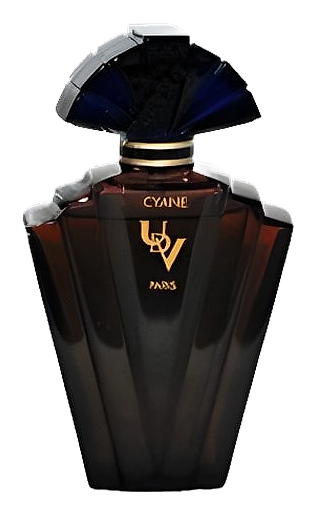
Cyane draws its name from a striking shade of blue, a color vivid enough to have lent its identity to the word itself. Ulric de Varens named this 1985 release after that shade, a clear, saturated tone that sets expectations before the bottle is ever opened. The fragrance had to earn its name. Not literal water, but the idea of it: something transparent at the opening, something that settles into deeper territory without ever losing its essential cool. It opens bright, almost crystalline, and then gradually reveals layers beneath, maintaining that aquatic restraint throughout its development.
What makes Cyane's structure interesting is its restraint. The pyramid is spare: green notes and citruses on top, florals in the heart, tonka bean, woods, and musk anchoring the base. There's a notable sillage and projection that keeps the fragrance present throughout its wear. The tonka-musk pairing is classic powder territory, the same alliance you'll find in Guerlain's Mouchoir de Monsieur or Givenchy's Ysatis, but here it sits on a cooler, greener foundation that keeps it from becoming sweet. The result is a fragrance that reads as warm without ever being heavy.
The evolution
The opening hits clean, green notes and citruses together, a brief brightness that clears the air. Think: the first hour, when the fragrance is most present, most chatty. Then the citrus fades and the floral heart emerges, not dramatic but certain, like a room that was loud and suddenly goes quiet. The base is where Cyane earns its reputation. Tonka bean brings a soft, vanilla-adjacent warmth; the woody notes add structure without sharpness; the musk holds everything close. By the third hour, you're not smelling the fragrance so much as the memory of it, skin-warm, powdery, intimate. The sillage is notable and the projection assertive, which means it announces itself with quiet confidence. It stays.
Cultural impact
Cyane exists in an interesting space: discontinued, obscure, and still worn. The composition sits comfortably between the powdery elegance of its era and something more modern; it doesn't smell dated so much as unhurried. For those who seek out lesser-known French perfume from decades past, it offers a quiet appeal, the kind of thing that reveals itself slowly and rewards attention. That's not nothing, for a scent that never had a massive marketing push. The design shows a house willing to let its work speak without shouting.