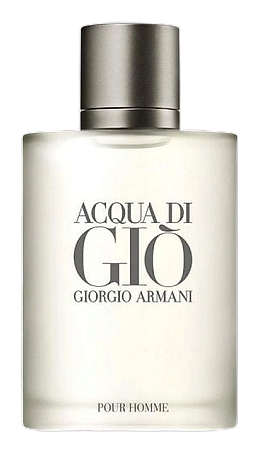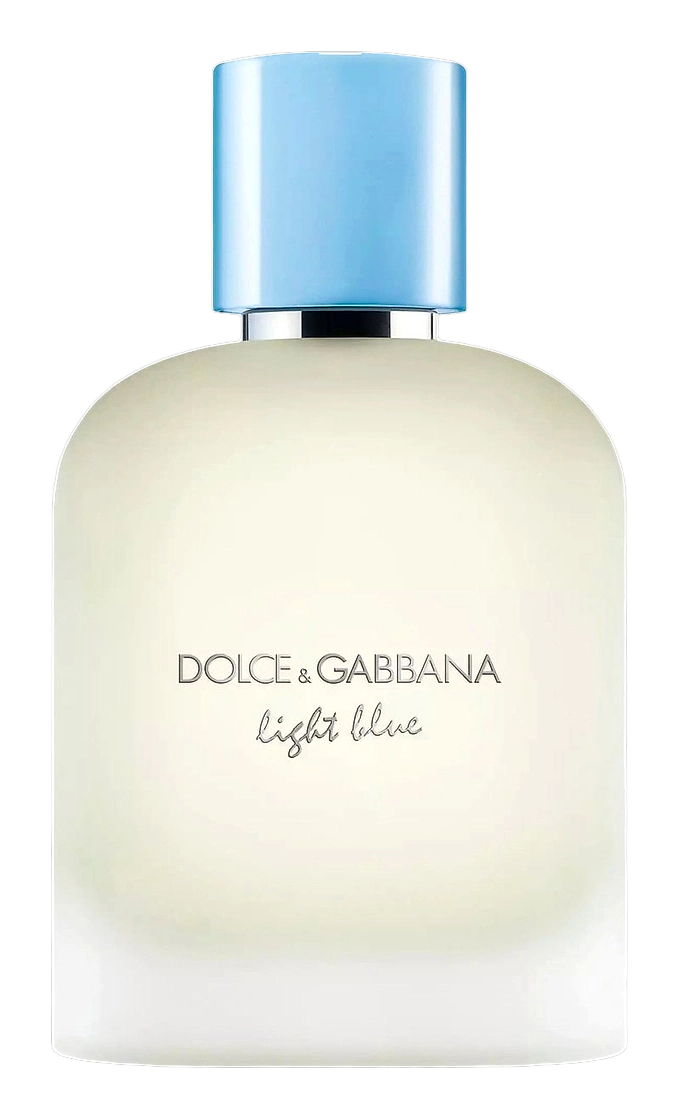
The Story
Why it exists.
The beginning
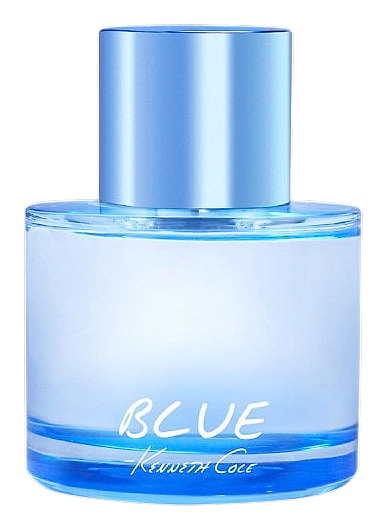
Blue arrived in 2012 as Giovanna Baby's departure into aquatic territory, a color-coded step outside the brand's lavender and rose traditions. Where most of the catalog leaned into classic, time-tested templates, Blue took a breath of something different. The name itself signals freshness, translucence, a shift in register. But true to the house's character, it never chased trend, it simply expanded the vocabulary.
The jasmine-rose heart is the connective tissue. Both are among the most widely used materials in perfumery precisely because they work: jasmine brings indolic warmth, rose contributes a soft, romantic character that most wearers find immediately approachable. Ylang-ylang amplifies the tropical creaminess already present in jasmine. The green notes aren't an herb, they're the olfactory suggestion of stems and leaves, a structural counterweight to the petals. Musk and woody notes form the anchor: clean, skin-like, and present without being declarative.
The evolution
The opening is the gentlest possible announcement. Jasmine and rose arrive together, neither dominating, a soft duet rather than a solo. There's a slight transparency to the top notes, like smelling flowers through glass. Within twenty minutes, the green notes emerge, adding a crispness that prevents the composition from becoming overly sweet. This is the transition phase: powder gives way to something slightly more natural, more alive. The heart of ylang-ylang takes over around the forty-minute mark, bringing a tropical richness that sits close to the skin. By hour two, the musk and woody notes assert themselves, a warm, intimate drydown that behaves like a second skin rather than a statement. On fabric, the drydown can persist for six to eight hours. On skin, expect four to six hours of a quiet, musky warmth that never fully disappears.
Cultural impact
Blue by Cuba represents the accessible side of the fresh fragrance movement that dominated the 2010s, positioning itself as an everyday alternative to premium aquatic scents. The brand's color-coded system, developed by Giovanna Baby in 1974, offered consumers an intuitive navigation method for selecting fragrances based on mood rather than complex note pyramids. This approach democratized fragrance by making the selection process less intimidating for casual buyers while maintaining a structured catalog that rewarded exploration. The Blue release reflects a broader industry trend of mass-market brands offering niche-adjacent experiences at mainstream price points.