Champaca wood
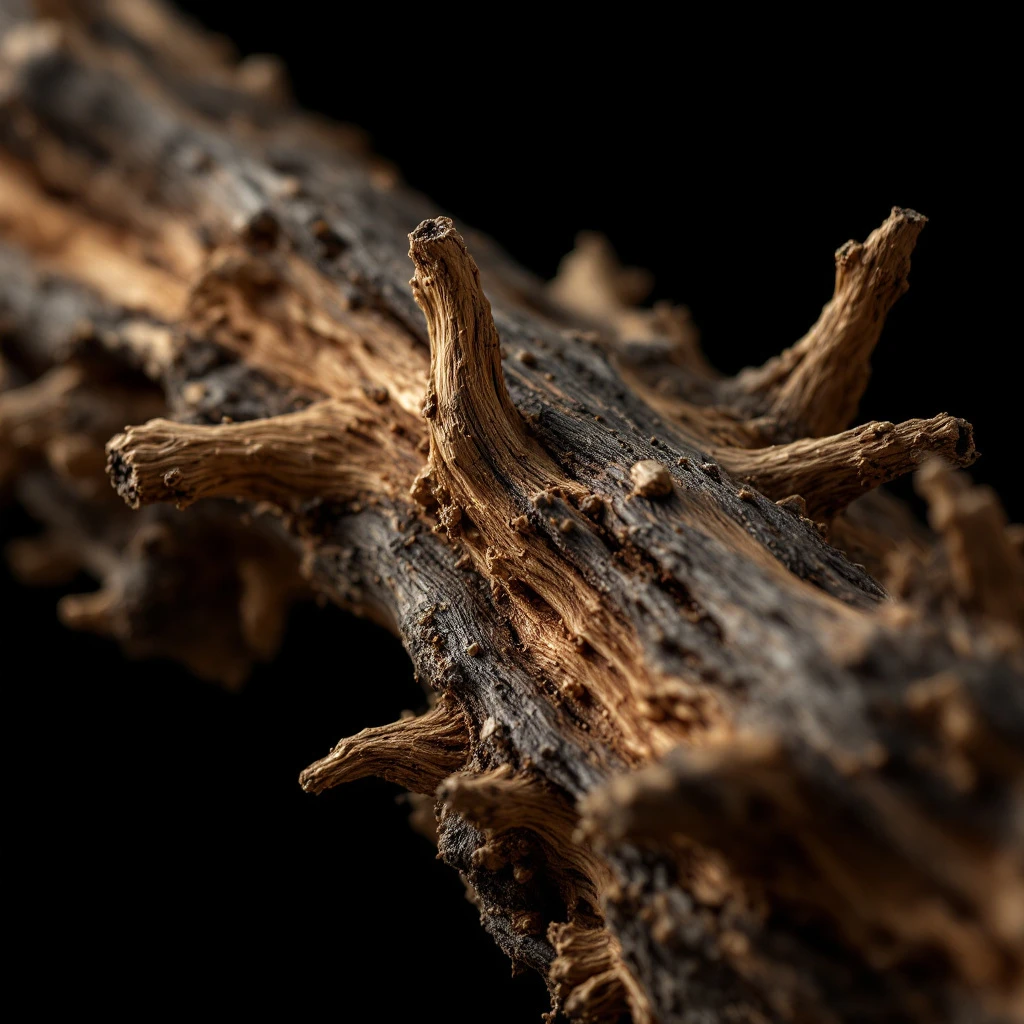
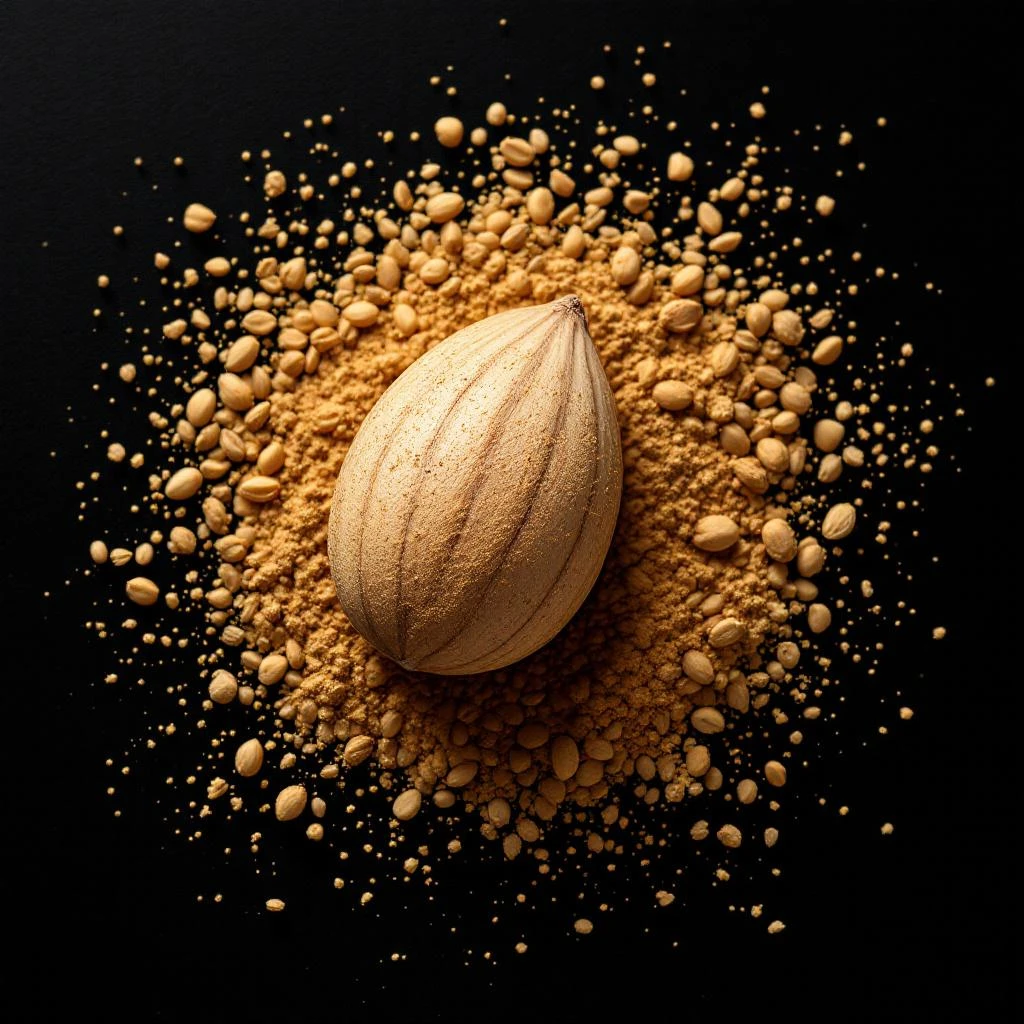
Champaca wood from Magnolia champaca: the Himalayan tree whose fragrant flowers produce one of perfumery's most treasured absolutes. While the flowers dominate, the timber offers subtle aromatic potential distinct from the celebrated floral absolute.
Character
How it smells
The Himalayan tree behind champaca's legendary floral absolute.
Magnolia champaca trees reach up to 30 meters tall. Ancient texts describe the fragrant flowers worn in hair during weddings and temple ceremonies across South Asia for over 2,000 years.





Origin
India
Champaca holds ancient roots in South Asian civilization. Sanskrit texts dating back millennia reference 'champaka' as a sacred tree planted near temples and royal gardens. Buddhist Jataka tales mention the tree, placing it firmly in ancient literary tradition.
Chinese records from the Tang Dynasty (618-907 CE) document the flower's arrival via trade routes, prized for both fragrance and medicinal properties. During India's colonial period, European traders encountered champaca in coastal markets and brought it to European attention. French perfumers began incorporating the absolute into prestigious compositions by the late 19th century.
In Indonesia and Thailand, the flowers remain integral to religious offerings and daily cosmetics. Today, cultivated stands exist throughout tropical Asia, though wild populations in the Himalayan foothills face pressure from habitat loss and deforestation.
Wears it best
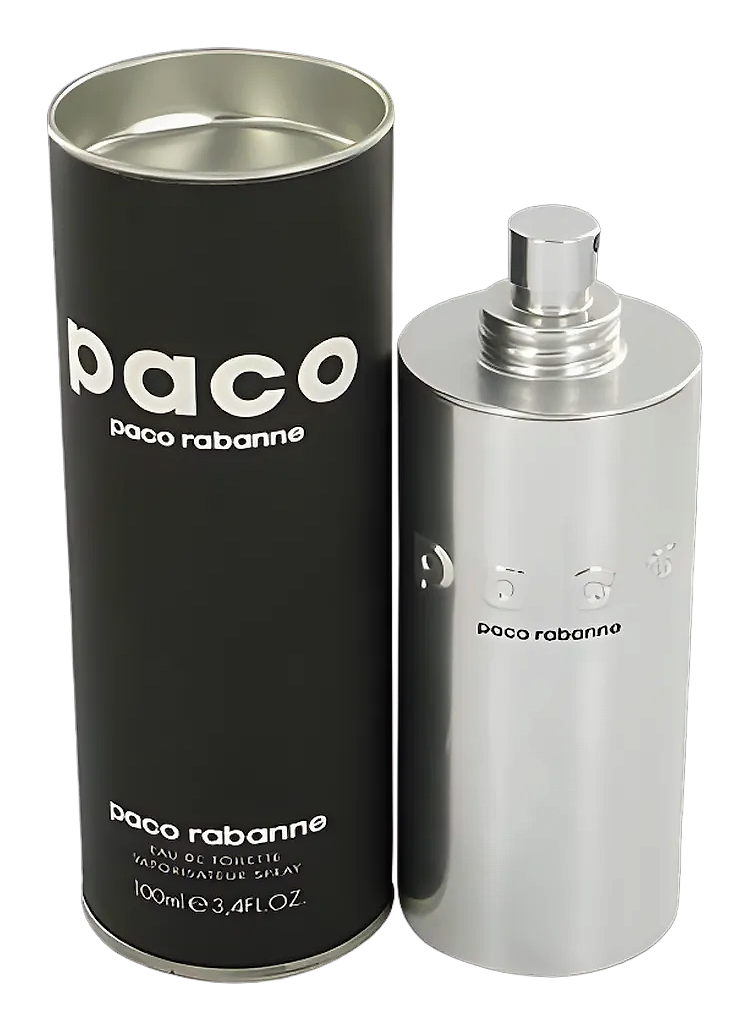
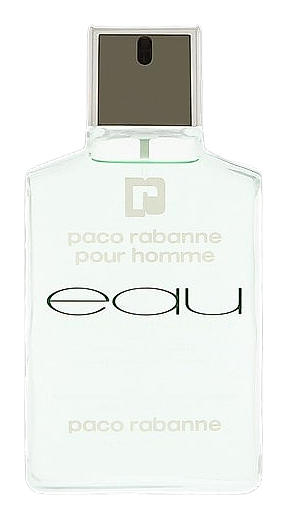
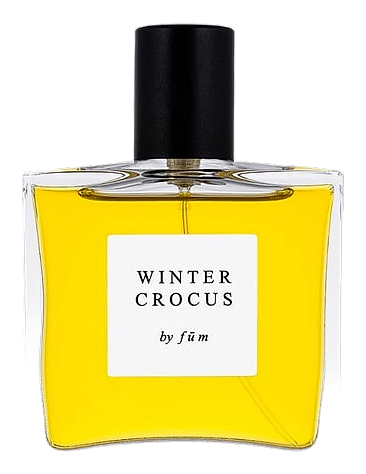
Fragrances featuring Champaca wood
Good to know
Questions, answered
The essentials on Champaca wood in perfumery: how it smells, where it comes from, and how it behaves on skin.
Is champaca wood actually used in perfumery?
No, champaca wood is not a standard perfumery ingredient. The tree gains its reputation from champaca absolute extracted from the flowers via solvent extraction. The wood lacks the concentrated fragrance of the blossoms and does not undergo commercial distillation for fragrance use.
What does champaca absolute smell like?
Champaca absolute presents a rich, tropical floral scent combining banana, magnolia, and ripe pear. It carries creamy warmth with slightly green undertones and an exotic character that works well as a floral heart note in oriental and fine floral compositions.
Where does Magnolia champaca grow?
Magnolia champaca originates in the Himalayan foothills spanning India and Nepal. It now grows throughout South and Southeast Asia including Sri Lanka, China, Thailand, Malaysia, and Indonesia, thriving in tropical and subtropical climates at elevations up to 2,000 meters.
How is champaca absolute produced?
Producers harvest champaca flowers by hand, then extract the absolute through solvent extraction. Workers treat harvested flowers with food-grade solvents to create a waxy concrete, then wash this with alcohol and filter to produce the final absolute. This method protects delicate aromatic molecules that steam distillation would destroy.
What fragrances feature champaca?
Champaca absolute appears in high-end perfumes as a floral heart note, particularly in oriental and luxury floral families. It pairs well with sandalwood, jasmine, ylang-ylang, and vanilla. Major perfume houses use it selectively, typically in premium or niche fragrances.
Is champaca cultivation sustainable?
Champaca cultivation spans multiple countries, easing pressure on wild populations. Flower harvesting preserves living trees, supporting sustainability. However, habitat loss in native Himalayan regions threatens some wild stands, making verified ethical sourcing from cultivated sources preferable.
How long before a champaca tree flowers?
Magnolia champaca reaches flowering maturity in 7-10 years under good conditions. Established trees produce abundant blooms during warm seasons. Individual flowers last only one day, but trees flower over several weeks, allowing multiple harvest cycles through the season.
What makes champaca different from other magnolias?
Champaca (Magnolia champaca) is native to South Asia, unlike many magnolia species from East Asia or North America. Its distinctive yellow-orange flowers and intense tropical fragrance distinguish it. The species name 'champaca' comes from Sanskrit, reflecting its deep cultural roots in Indian tradition.