
The Story
Why it exists.
The beginning
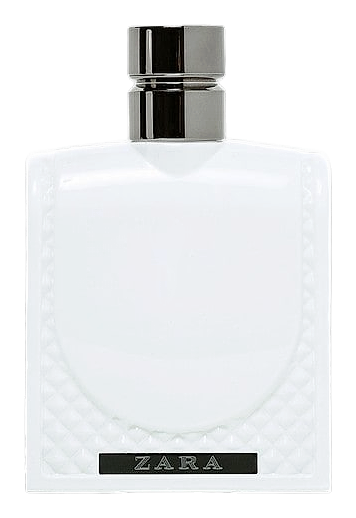
White Tag landed in 2015 as part of Zara's expanding fragrance identity, arriving with a name that carries familiar retail echoes. Just offering something contemporary and honest, designed to sit naturally alongside everyday wardrobe choices rather than demanding special occasion status. The formulation keeps things clean and approachable, letting the scent function as a reliable daily presence without asking for attention or explanation.
The choice of tea as a heart note is the tell. It's not a common move in masculine fragrance. Floral tea bridges the gap between clean and interesting, giving the scent a slightly literary quality without veering into anything precious. The result is a fragrance that feels specific to its moment, when accessible modernity was the brief. The pairing suggests a thoughtful approach to composition, where unexpected combinations create something worth noticing.
The evolution
The bergamot opens bright, clean, almost astringent, that characteristic citrus sharpness that reads as fresh and uncomplicated. Within twenty minutes, it softens. The tea emerges, delicate and green, followed by something floral that keeps the composition from going too austere. The handoff to base notes happens gradually, the musk arriving quietly and slowly warming everything beneath. The amber then surfaces, adding a subtle sweetness that rounds the edges. The drydown is intimate by design, this is a close-skin fragrance. What stays longest is the musky-amber blend, faint enough to be personal rather than present.
Cultural impact
White Tag occupies an interesting space as a fragrance that doesn't chase expected masculine notes. The tea-floral heart gives it personality beyond the ordinary. A reviewer has noted its similarity to a higher-end transparent fragrance, making it a discovery option for those curious about how certain scent profiles translate across price categories.