The Story
Why it exists.
The beginning
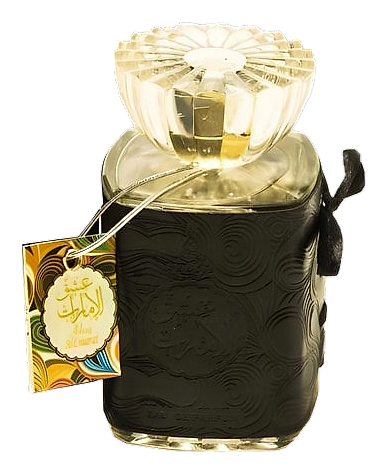
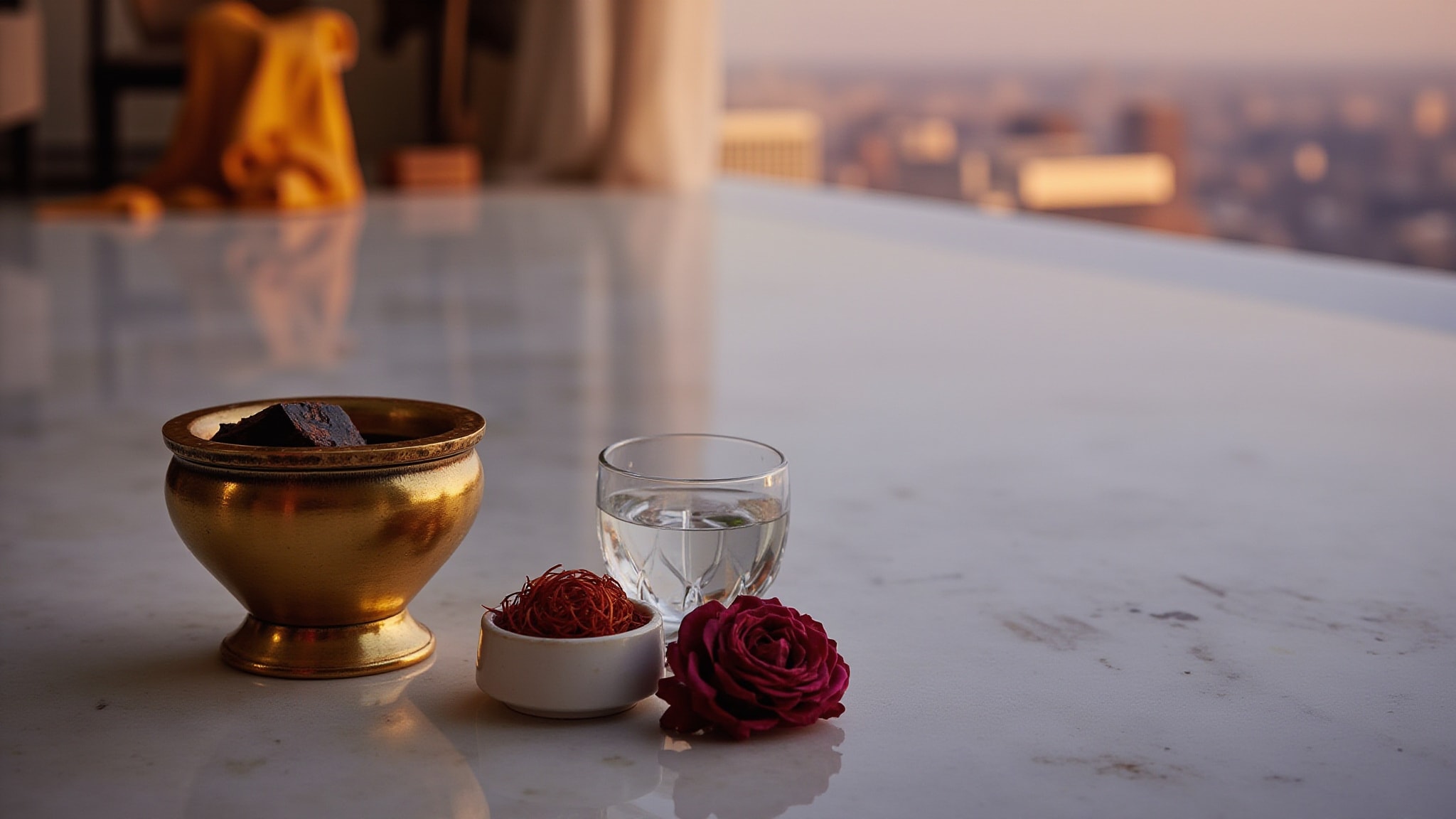
Ashaq Al Emarat sits inside Khalis's broader portfolio of oriental compositions, a catalog that draws on a rich regional vocabulary of oud, amber, saffron, and rose. The name itself anchors the fragrance to place, evoking the Gulf through its title without needing further explanation. The brand has built a recognizable identity around these core materials, and Ashaq Al Emarat reads as one of its more direct statements within that lineage. A compact pyramid, built around oud at the top, amber and saffron in the heart, and rose with musk underneath, keeps the composition focused and legible from the first impression onward. Nothing extra crowds the structure. Each note is given room to speak, and the result is a fragrance that feels deliberate rather than accumulated.
The composition keeps its structure tight, anchored by a single dominant top note, a two-note heart, and a base built around rose and musk. That economy is part of the point. The saffron does real work, sharpening the opening with a dry, leathery warmth that keeps the oud from collapsing into pure smoke. The rose in the base reads darker, almost dried-petal in character, pressed between amber and musk rather than presented as a standalone floral statement. It's a rose that has lost its sweetness and gained something more austere, more resinous in its own right.
The evolution
The opening belongs to oud and saffron, and they don't apologize for taking over. It's smoky, slightly medicinal, with the leathery heat of saffron cutting through the resin with real authority. As the composition develops, amber starts surfacing, rounding the edges without softening the overall profile into something generic. The transition happens gradually, the saffron slowly stepping back as amber takes on more presence, and the smoke losing its initial sharpness while never fully disappearing. Eventually the composition shifts noticeably: the oud pulls back, and what remains is a warm amber-rose skin scent with a faint smoky thread still visible underneath. The musk settles in as the wear continues, blending the rose and amber into something more unified and more intimate, the kind of scent that feels like it belongs to the wearer rather than the room.
Cultural impact
Ashaq Al Emarat occupies an interesting space within oud-forward fragrances, offering the resinous character that traditional compositions are known for while keeping the profile relatively approachable. The saffron-rose pairing softens what could otherwise read as a demanding opening, making the fragrance easier to engage with for those less familiar with denser oud styles. At the same time, the smoky opening preserves enough of that traditional character to satisfy wearers looking for something with genuine resin presence.