The Story
Why it exists.
The beginning
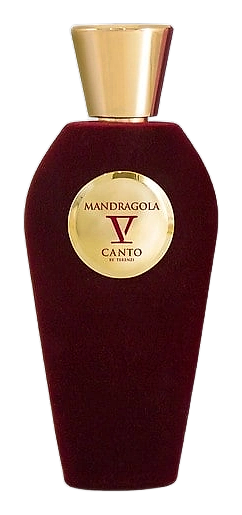
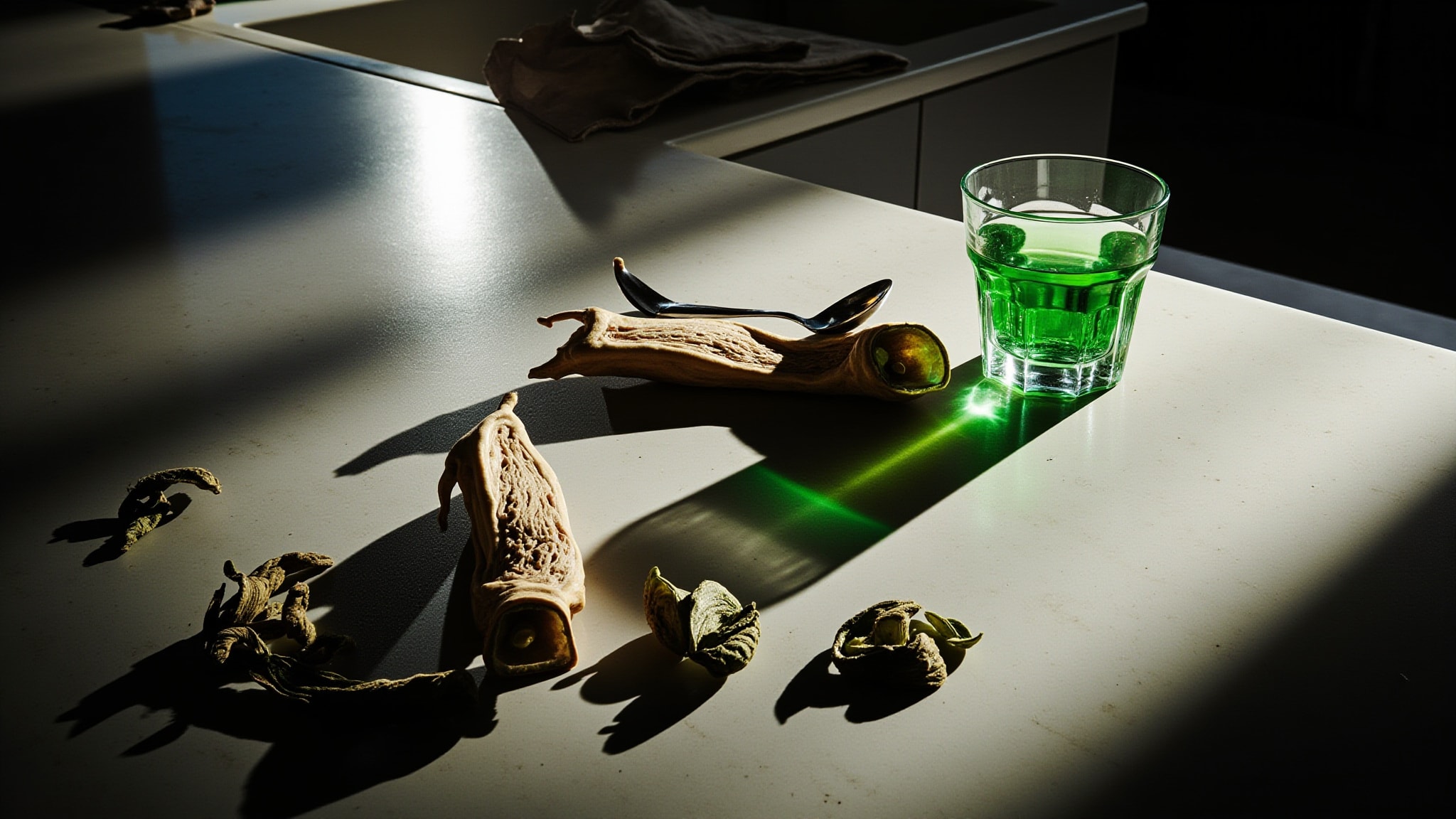
Mandragola takes its name from the mandrake, the legendary root of medieval alchemy, believed to hold both poison and power in equal measure. In the old texts, the plant was said to scream when pulled from the earth, killing those who heard it. That contradiction runs through every layer of this fragrance: something beautiful that could destroy you. Paolo Terenzi built Mandragola around that tension. The opening bites like the first page of a story you shouldn't read. The drydown lingers like the aftermath of something already done.
What makes this composition work is the way it refuses to commit to a single register. The absinthe and lime create a medicinal sharpness that most fragrances would smooth over, here, it's the point. Saffron doesn't soften it either; it amplifies the strangeness, adding a warm spice that feels almost out of place against the herbal bite. Then the Bulgarian rose arrives, not delicate, but dense, slightly animal, and suddenly the composition shifts from cold to warm without ever explaining how. The base holds oud and vanilla together, two materials that could easily cancel each other out. They don't. The oud keeps the sweetness honest; the vanilla keeps the wood from becoming austere.
The evolution
The first twenty minutes are the gauntlet. Absinthe and bergamot hit the skin with something close to aggression, medicinal, bitter, a little unsettling. Lime adds brightness but doesn't soften the blow. This is the phase where most people either lean in or step back. Those who stay are rewarded. Around the thirty-minute mark, the herbs begin to recede and Bulgarian rose takes over, slow, warm, unexpectedly rich. The saffron intensifies rather than fades, wrapping the florals in a honeyed spice that builds through the second hour. By hour three, the drydown has settled into its final form: oud, sandalwood, amber, and vanilla locked together in a warm, resinous hold that doesn't let go. On fabric, this composition can last into the next day. On skin, expect a full workday plus. The sillage stays strong throughout, not aggressive, but definitely present.
Cultural impact
Mandragola occupies a specific corner of the niche market: woody-oriental with an herbal edge that refuses to be polite. It's the fragrance people recommend when someone asks for something that lasts, something that announces itself, something with an opening that earns the drydown. The comparisons to Oud Wood and Laudano Nero place it among serious players, but the absinthe note sets it apart. Wearers describe it as the scent of someone who doesn't need the room to notice them.