Mastic or Lentisque
Mastic resin yields a scent that bridges green herbality and warm resinous wood. In perfumery, it brings an aromatic freshness with subtle turpentine and balsamic undertones. Lentisque absolute and essential oil add a distinctive Mediterranean character, often used to create airy, evergreen accords that ground brighter top notes.
Character
How it smells
The ancient Mediterranean resin that brings aromatic evergreen freshness to the skin.
Mastic trees on the Greek island of Chios produce resin only within roughly 7 kilometers of the sea, a microclimate phenomenon that has made Chios the sole source of true mastic for over 2,500 years.






Origin
Greece
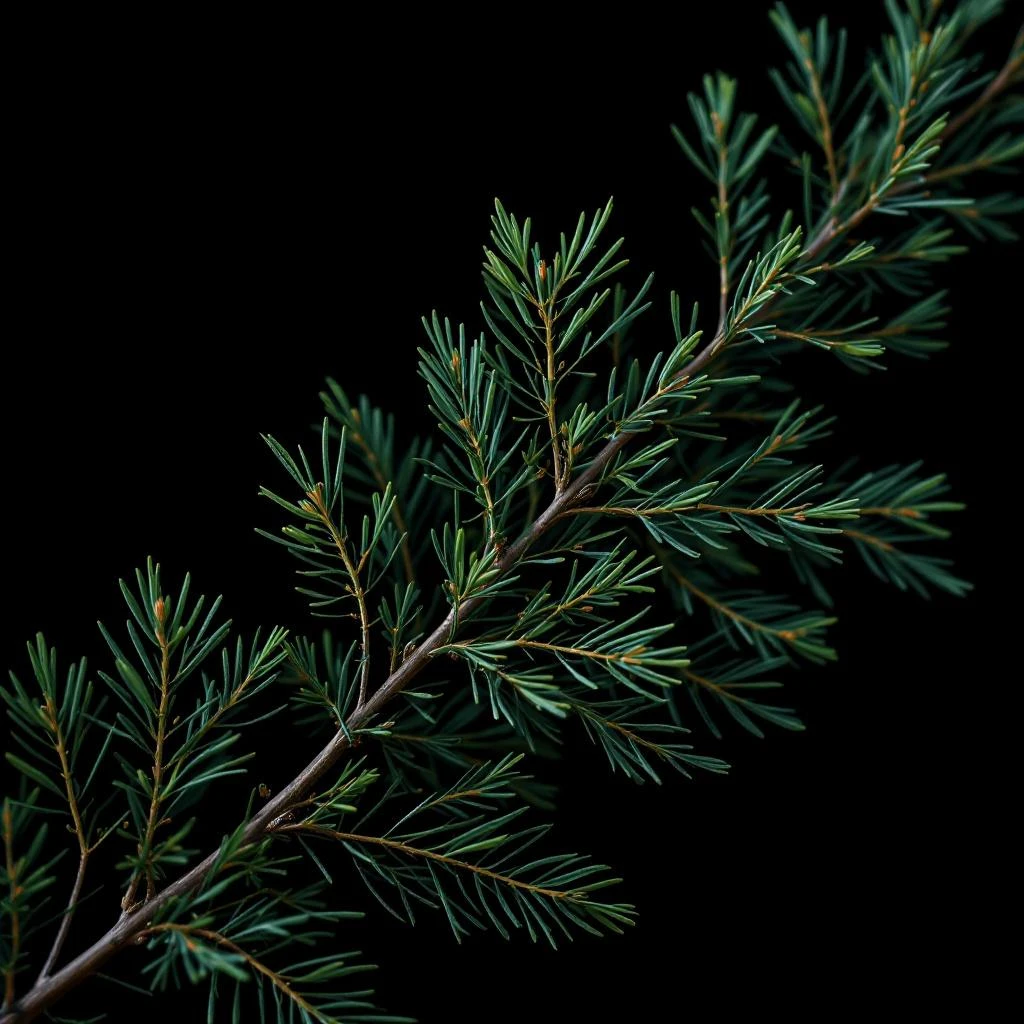
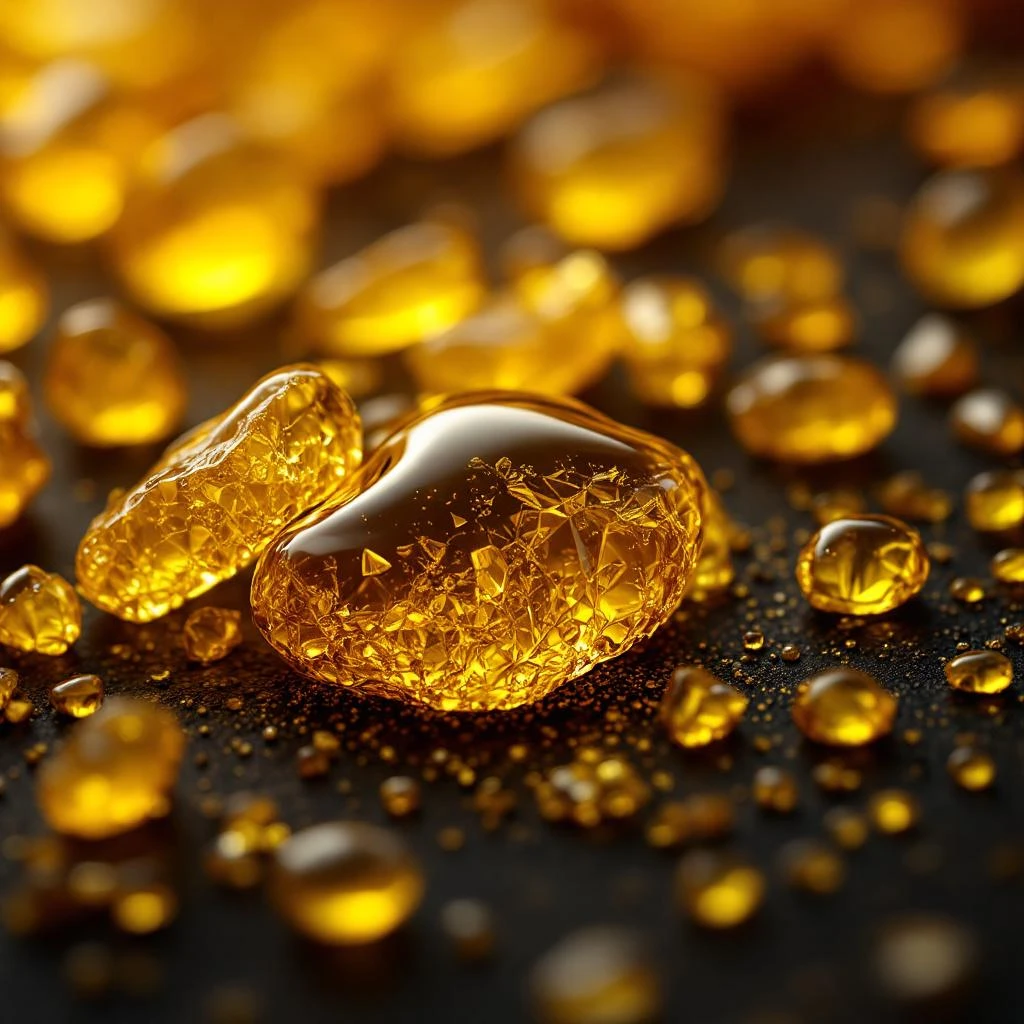
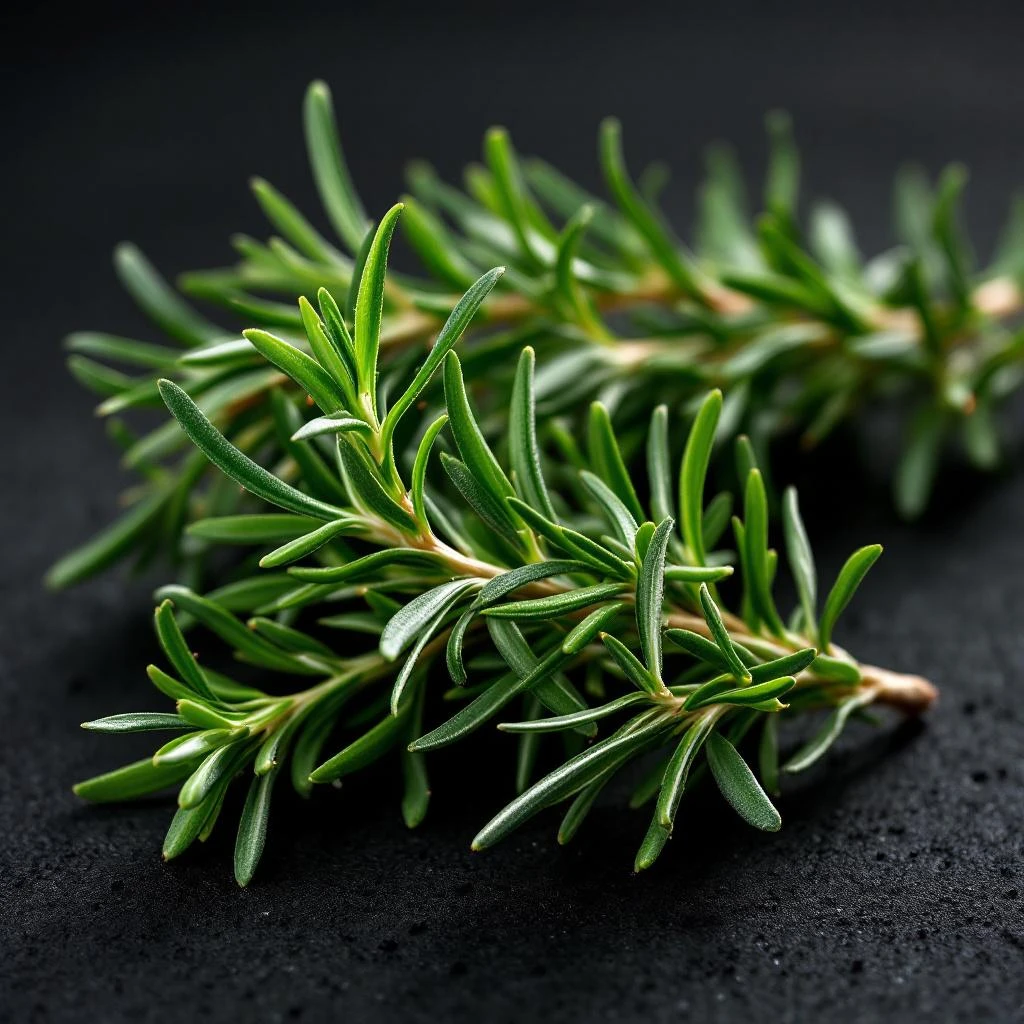
The history of mastic reads like a thread woven through Mediterranean civilization. Ancient Greeks used it in perfumery, medicine, and as a chewing gum, with references appearing in texts from Hippocrates around 400 BCE.
The resin held such cultural weight that the Roman emperor Nero reportedly kept a personal supply. Its economic importance made Chios a trading hub; merchants moved mastic along routes that connected Greece to Egypt, Persia, and Rome.
Medieval monasteries preserved its cultivation techniques, and by the Renaissance, mastic had entered European pharmacopoeias across the continent. Today, the Mastic Growers Association on Chios still manages its production under Protected Designation of Origin status, linking a 2,500-year aromatic tradition to a single specific island.
Wears it best
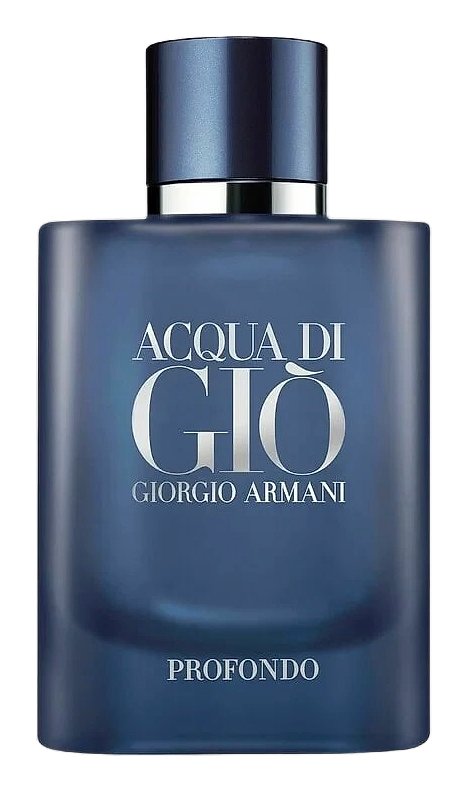
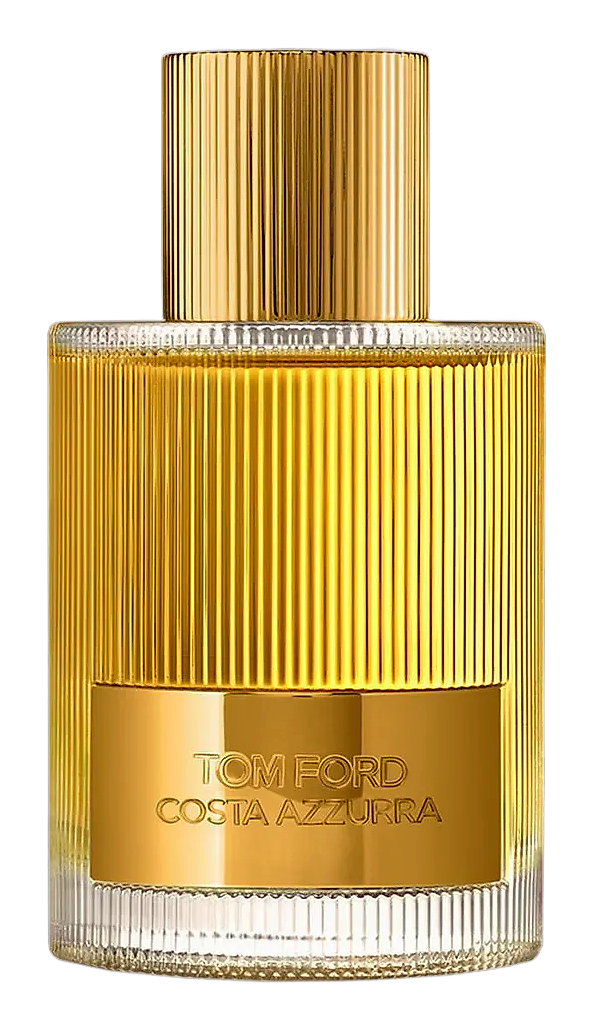
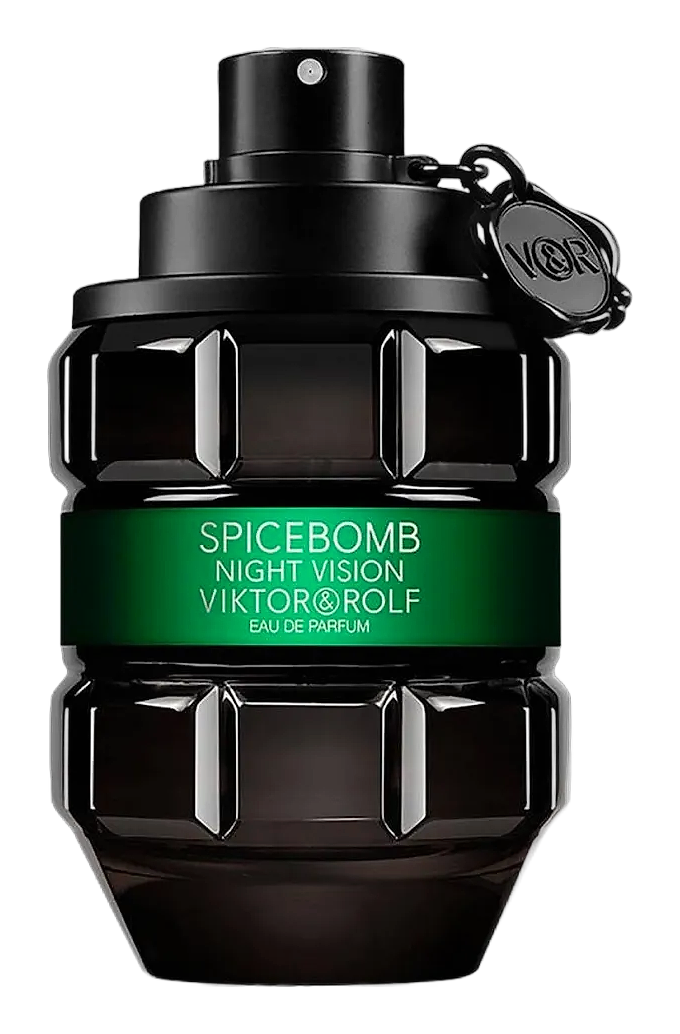
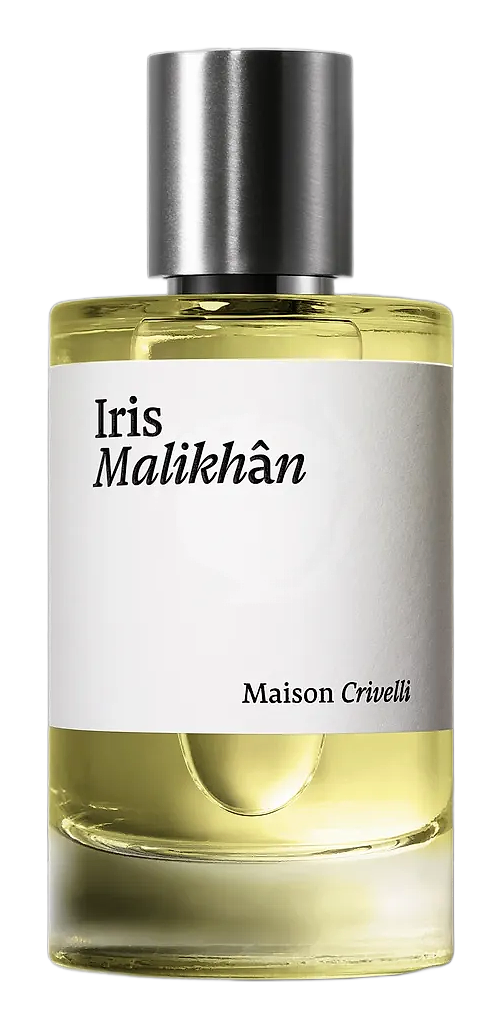
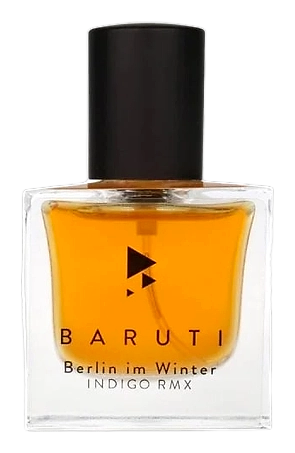
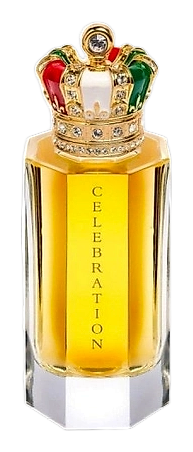
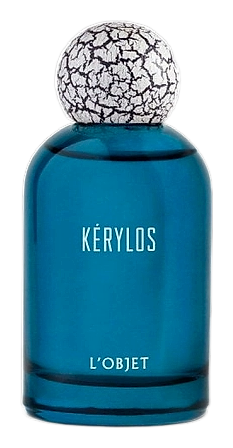
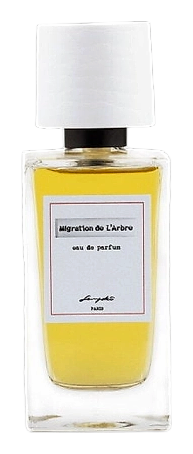
Fragrances featuring Mastic or Lentisque
Brands
Brands known for Mastic or Lentisque
Good to know
Questions, answered
The essentials on Mastic or Lentisque in perfumery: how it smells, where it comes from, and how it behaves on skin.
What does Mastic or Lentisque smell like in perfume?
Mastic smells like fresh evergreen resin with a sharp, green character and subtle turpentine warmth. It combines aromatic herbality with a clean, balsamic drydown that evokes Mediterranean maquis scrubland. The scent reads as both uplifting and grounding, often described as介于草本与木质之间.
Why is Mastic or Lentisque used in perfumery?
Mastic adds aromatic freshness with resinous depth that few ingredients replicate. Perfumers use it to bridge green and woody accord families, lending a Mediterranean authenticity to compositions. It functions as a natural fixative, helping heart and base notes linger on the skin for hours.
Is Mastic or Lentisque in perfume natural or synthetic?
Mastic is a natural ingredient, distilled from resin tears harvested from Pistacia lentiscus. Some niche perfumers may use nature-identical isolates derived from the resin's chemical components. Most mainstream fragrances listing mastic use the natural essential oil or absolute.
What famous perfumes contain Mastic or Lentisque?
Mastic appears in several Mediterranean-inspired fragrances from niche houses. Ach. Sabet uses it as a signature material, and various fragrances in the Atelier Cologne Série COLOGNE collection have featured mastic as a bridging note between citrus and base woods.
Is Mastic or Lentisque a top note, heart note, or base note?
Mastic functions primarily as a heart note in most compositions, lasting roughly 2 to 4 hours on skin. In heavier accords or when used in higher concentration, it can extend into the base, where its woody-resinous character anchors lighter top materials.
What notes pair well with Mastic or Lentisque in perfume?
Citrus fruits like bergamot and lemon enhance mastic's fresh green qualities. Woods such as cypress, cedar, and vetiver amplify its evergreen character. Warm companions include labdanum, amber, and incense resins, which deepen its balsamic base.
How is Mastic or Lentisque extracted?
Harvesters make incisions in Pistacia lentiscus bark, and the tree secretes resin tears over 15 to 45 days. Workers collect and clean these tears, then steam distill the resin to yield essential oil at approximately 1 to 3 percent by weight. Solvent extraction produces a richer absolute.
Is Mastic or Lentisque used in men's or women's fragrances?
Mastic reads as gender-neutral in modern perfumery. Its clean, aromatic character suits unisex compositions equally well as masculine fragrances built around aromatic and woody themes. It also appears in feminine chypre and floral arrangements where a green-resinous contrast is desired.





